

 English
 中文简体
中文简体 Español
Call us
0086-574-62812860
0086-574-62811929

Our team is proud to offer on time guarantee and product guarantee to customer satisfaction.
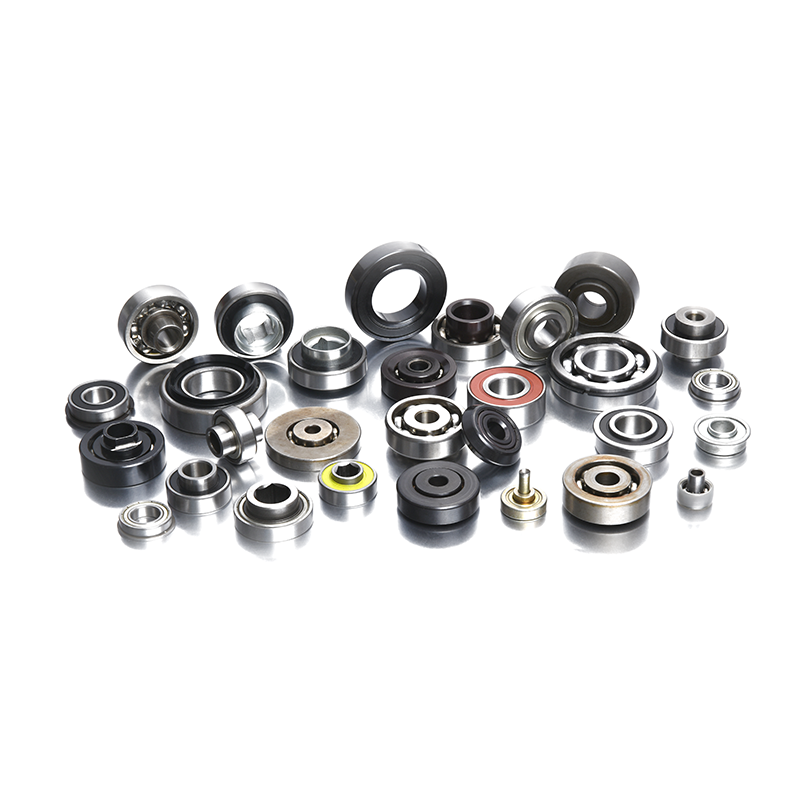
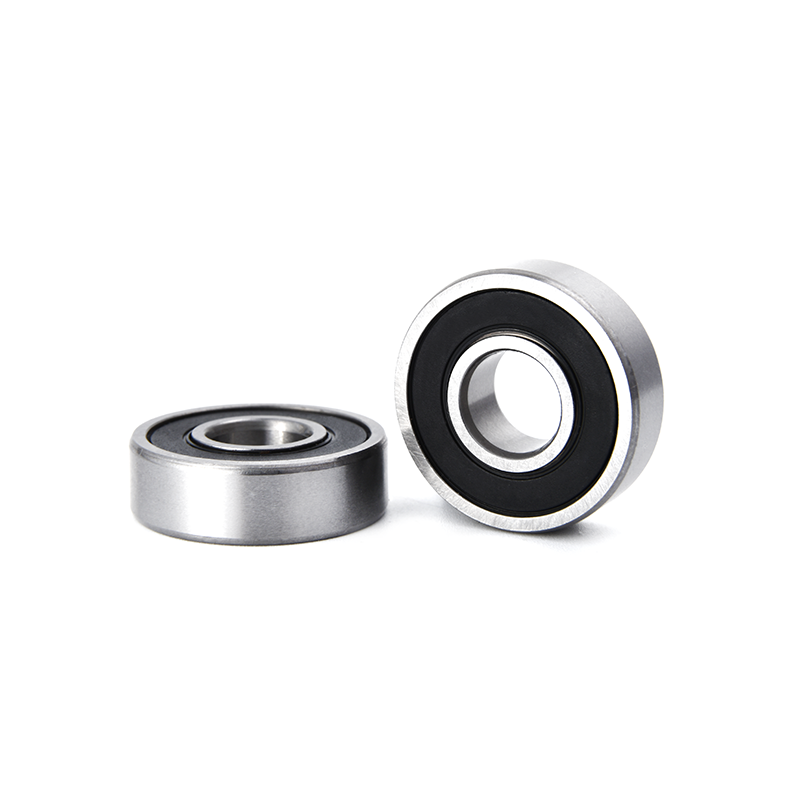
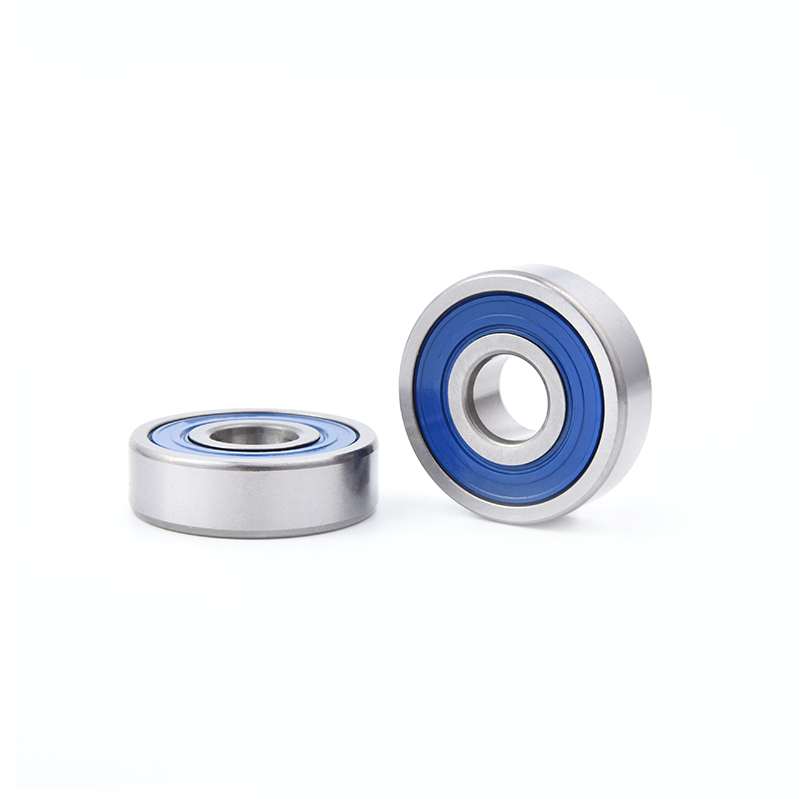
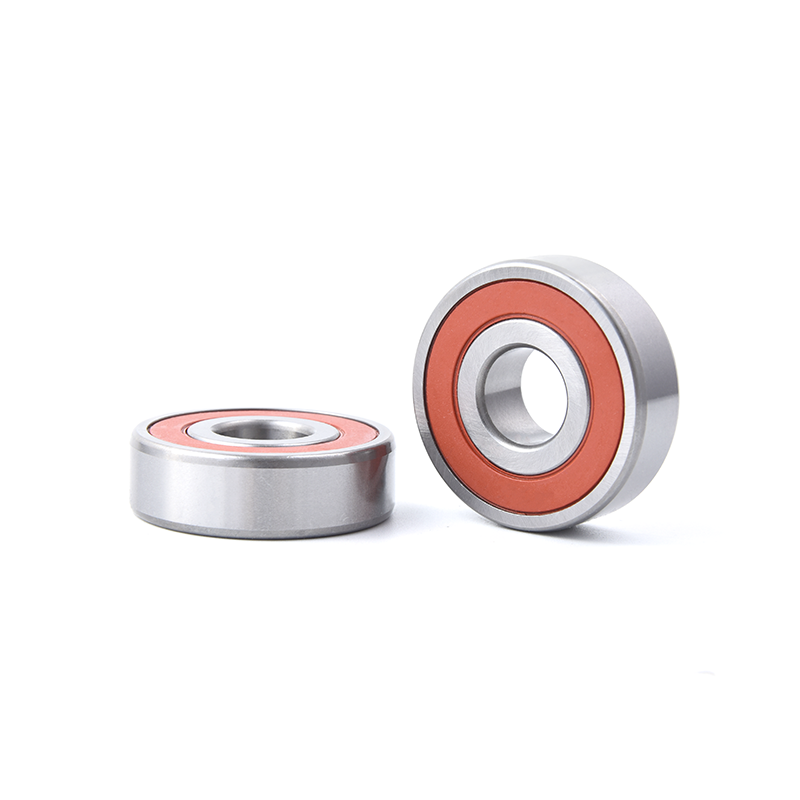
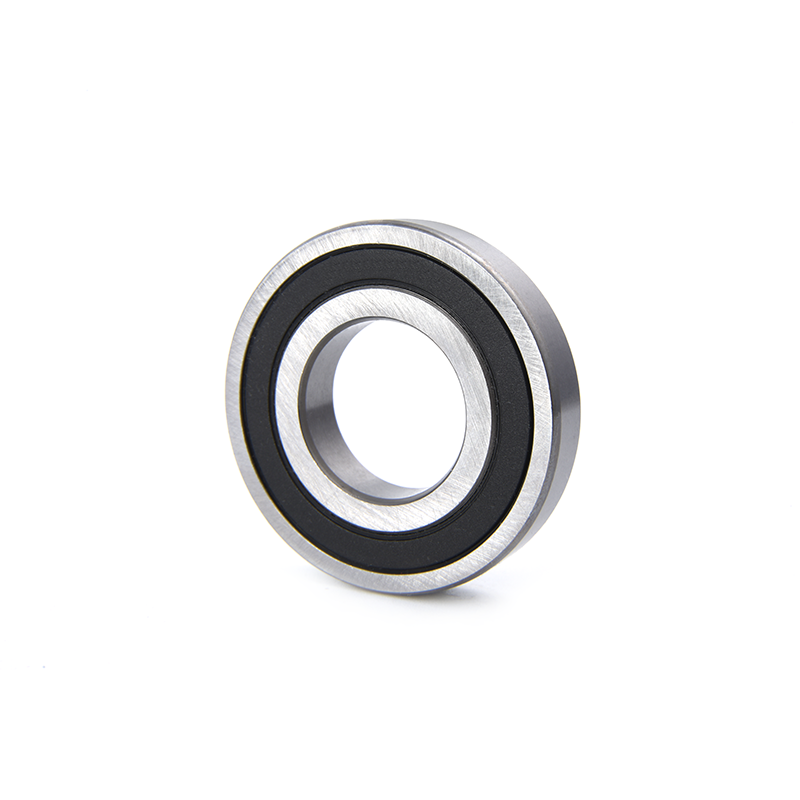
Read MoreDeep Groove Ball Bearing is one of the most widely used rolling bearings in modern mechanical systems. Known for its simple structure, stable performance, and wide applicability, it plays a critical role in industries ranging from automotive and industrial machinery to household appliances and precision equipment. Understanding its structural characteristics helps engineers, buyers, and maintenance professionals make better selection and application decisions.
Unlike specialized bearings designed for specific load or speed conditions, a Deep Groove Ball Bearing offers a balanced combination of load capacity, speed capability, durability, and cost-effectiveness. Its structural design is the foundation of these advantages.
Content
At its core, the structure of a Deep Groove Ball Bearing is relatively simple, yet carefully optimized. It mainly consists of the following components:
Each component plays a specific role in ensuring smooth rotation, load transmission, and long service life.
The inner and outer rings are the primary load-carrying components of a Deep Groove Ball Bearing. Both rings feature deep, continuous raceways that closely match the curvature of the balls.
Key structural characteristics include:
Compared to shallow-groove bearings, the deeper raceways significantly enhance load capacity and operational stability.
The rolling elements in a Deep Groove Ball Bearing are precision-manufactured balls, usually made of hardened bearing steel or, in specialized cases, ceramic materials.
Structural advantages of ball-type rolling elements:
The number and size of balls are carefully calculated to balance load capacity and speed performance.
The cage separates and guides the balls, preventing direct contact between them during operation. Although it does not carry significant load, its structural design has a major impact on bearing performance.
Common cage materials and structures include:
The cage ensures smooth ball motion, reduces friction, and minimizes wear.
The defining structural feature of a Deep Groove Ball Bearing lies in its raceway geometry. The deep groove design allows the bearing to handle complex load conditions without additional components.
Thanks to the deep raceways, a Deep Groove Ball Bearing can withstand:
This structural versatility distinguishes it from angular contact bearings, which are optimized primarily for axial loads in one direction.
Structurally, Deep Groove Ball Bearings have limited self-aligning capability. The close conformity between balls and raceways means misalignment can lead to increased stress.
In applications with shaft deflection or housing misalignment, self-aligning ball bearings or spherical roller bearings may offer better performance.
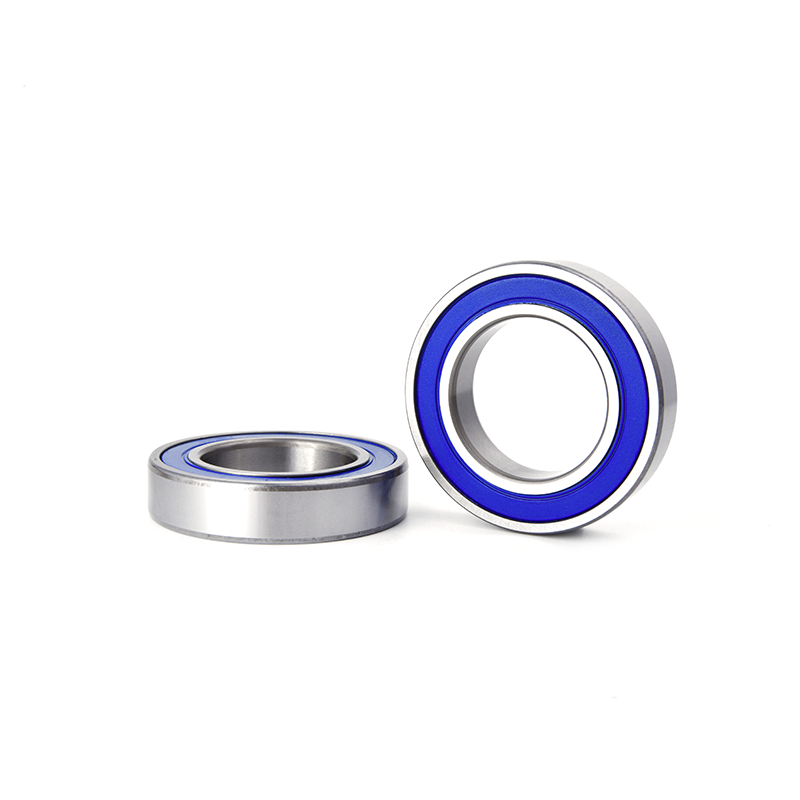
Many Deep Groove Ball Bearings incorporate seals or shields as part of their structure to improve reliability in contaminated environments.
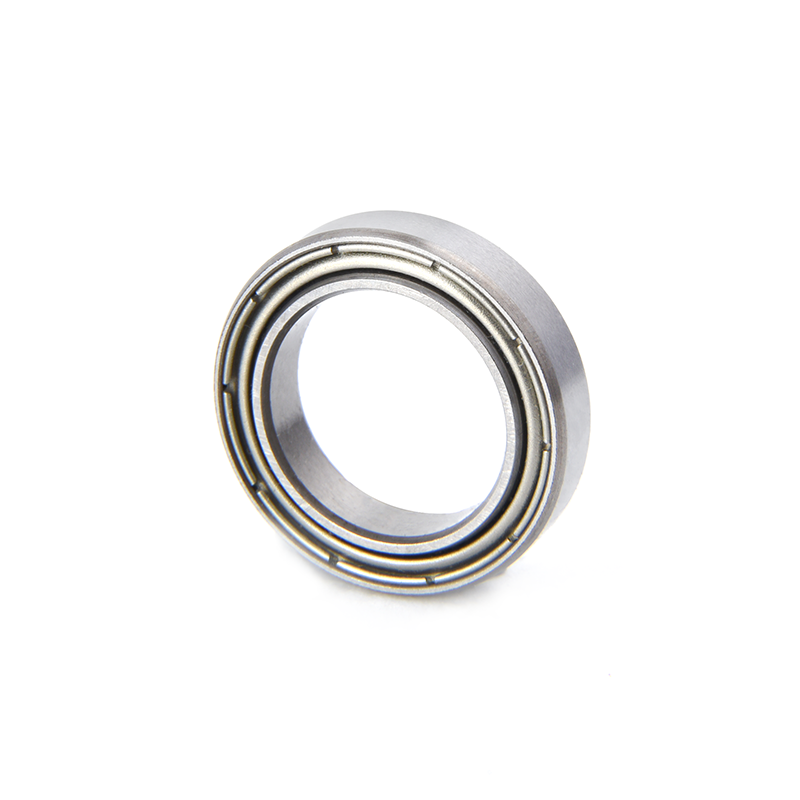
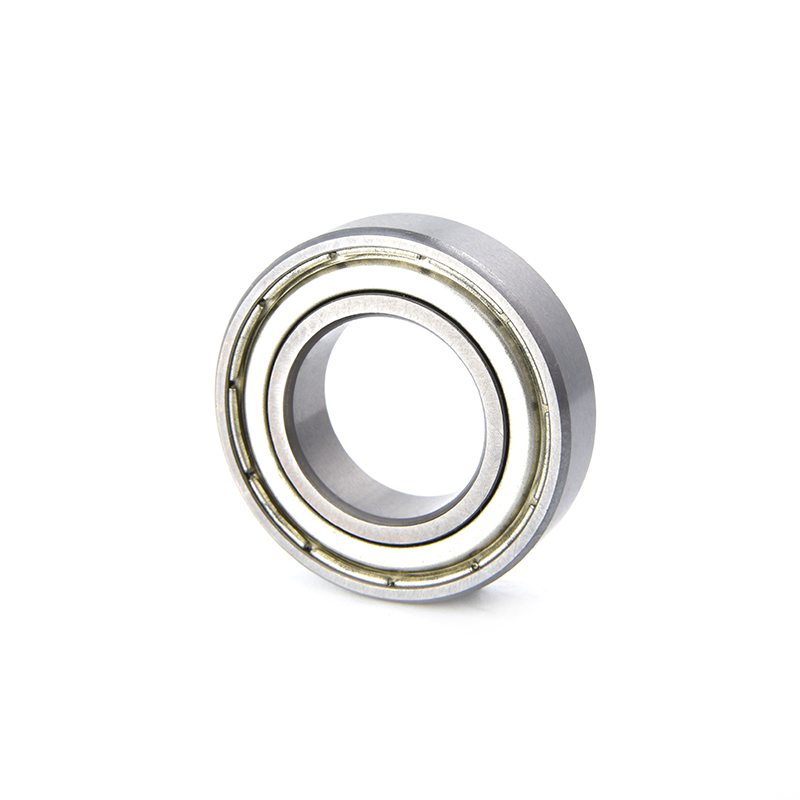
Metal shields are non-contact components fixed to the outer ring.
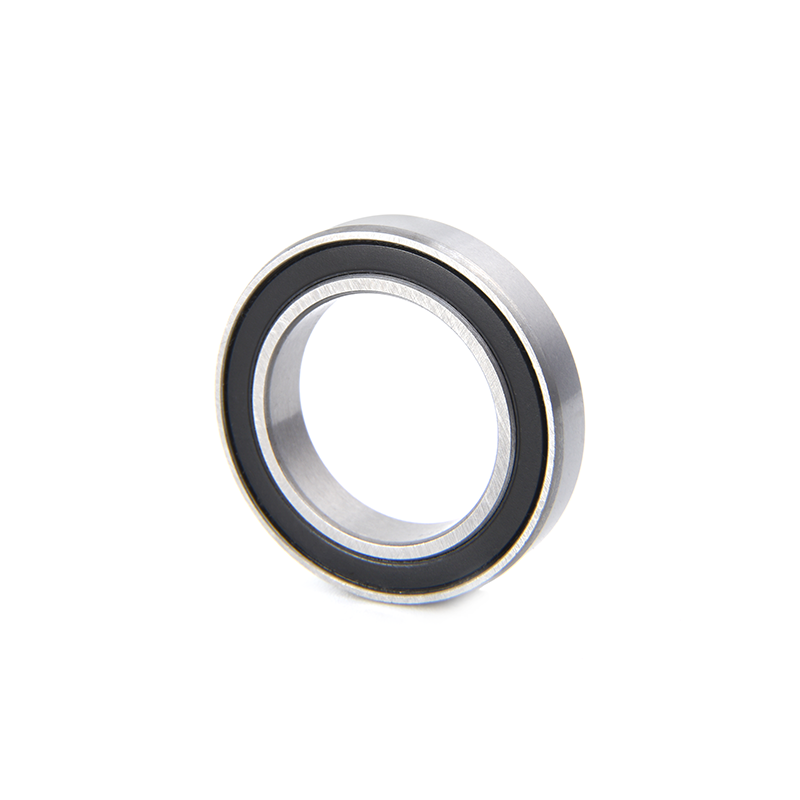
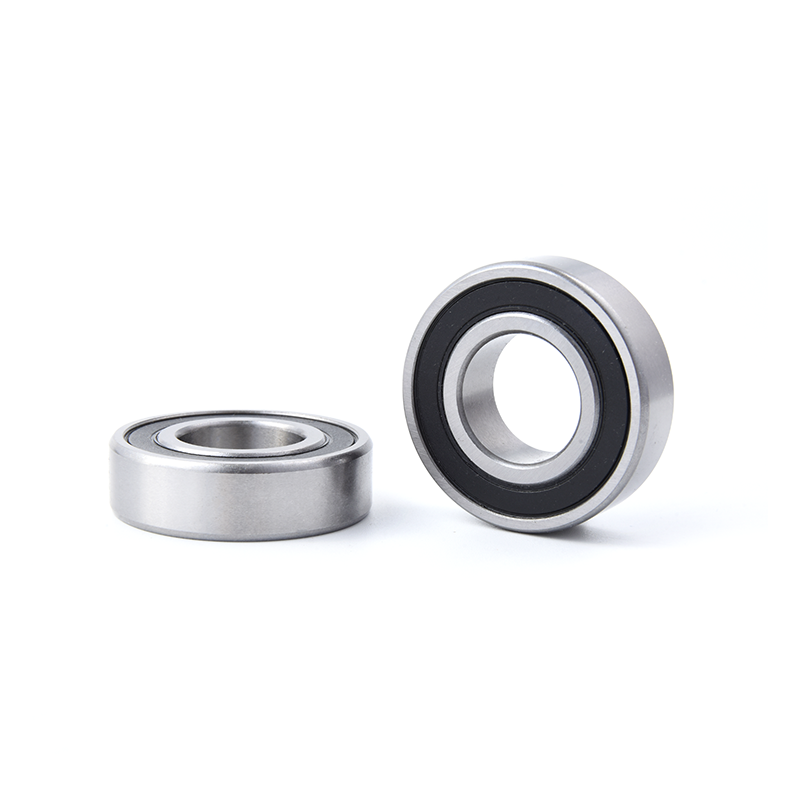
Rubber seals make light contact with the inner ring, providing superior sealing performance.
The choice between seals and shields depends on environmental conditions and speed requirements.
The structural reliability of a Deep Groove Ball Bearing heavily depends on material selection and heat treatment processes.
Most standard Deep Groove Ball Bearings are manufactured from high-carbon chromium steel.
For demanding applications, alternative materials may be used:
Deep Groove Ball Bearings are available in numerous structural variants to meet diverse application needs.
The most common and widely used structure.
Features two rows of balls for higher load capacity.
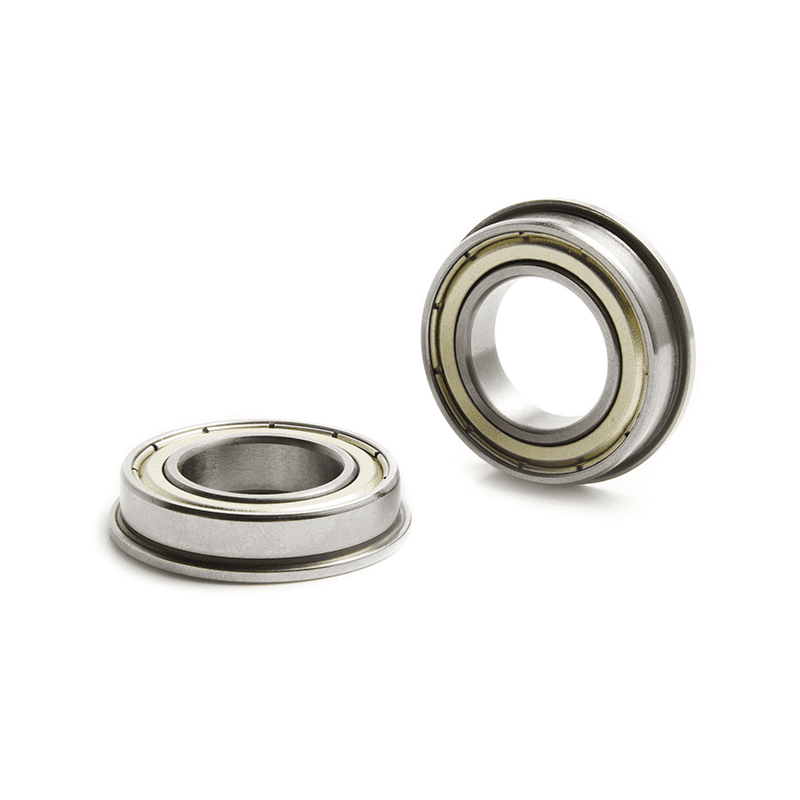
Optimized for applications with limited space.
The structural simplicity and robustness of Deep Groove Ball Bearings make them suitable for a wide range of industries.
Their standardized structure also ensures global interchangeability and easy replacement.
The deep raceway improves contact stability between balls and rings, allowing the bearing to support axial loads in both directions while maintaining high rotational accuracy.
Yes. Structurally, it can handle moderate axial loads in both directions in addition to radial loads, which is a key advantage over many other bearing types.
The cage maintains proper spacing between balls, reduces friction, prevents ball collision, and ensures smooth rotation at high speeds.
Seals add protective elements to the bearing structure, improving contamination resistance and lubricant retention, but they slightly limit maximum speed.
Yes. Its low-friction structural design and precision balls make it one of the most suitable bearing types for high-speed rotation.
The success of the Deep Groove Ball Bearing lies in its well-balanced structural design. Deep raceways, precision balls, robust rings, and versatile sealing options work together to deliver reliable performance across countless applications. By combining simplicity with engineering precision, this bearing type remains an essential component in modern mechanical systems worldwide.

0086-574-62812860
0086-574-62811929


West of Zhangting Industrial Zone, Yuyao, Ningbo City, Zhejiang Province, 315411, China
On weekdays, we will reply to you or call us within 12 hours of receiving the inquiry.

Contact Us