

 English
 中文简体
中文简体 Español
Call us
0086-574-62812860
0086-574-62811929

Our team is proud to offer on time guarantee and product guarantee to customer satisfaction.
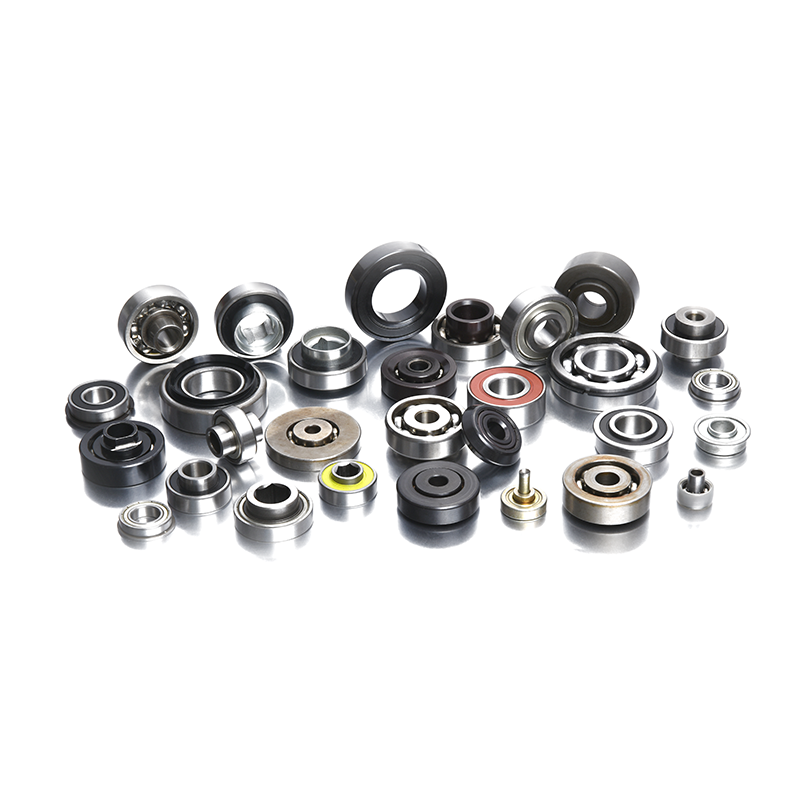
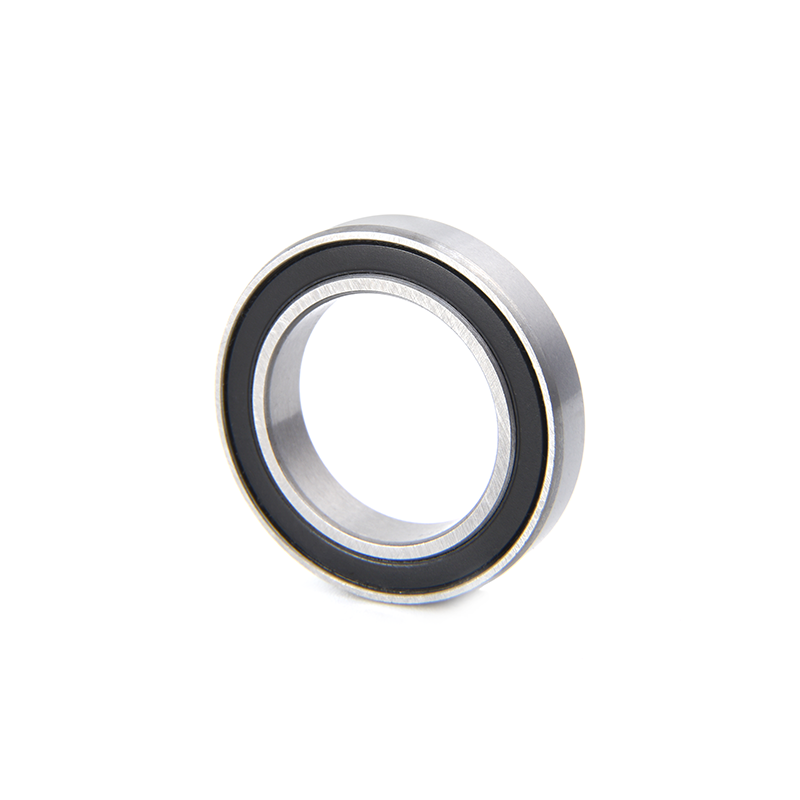
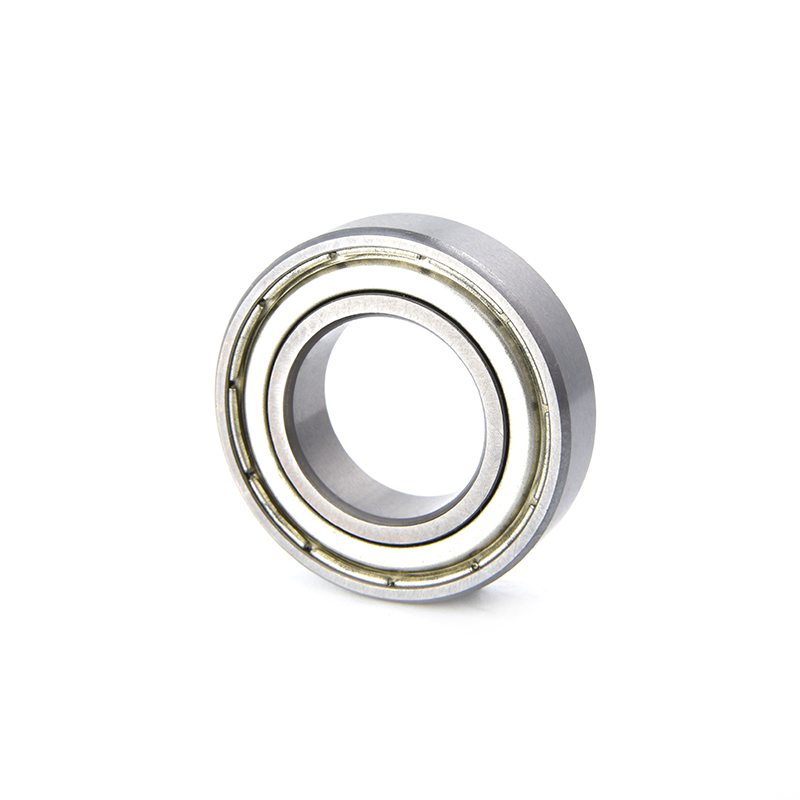
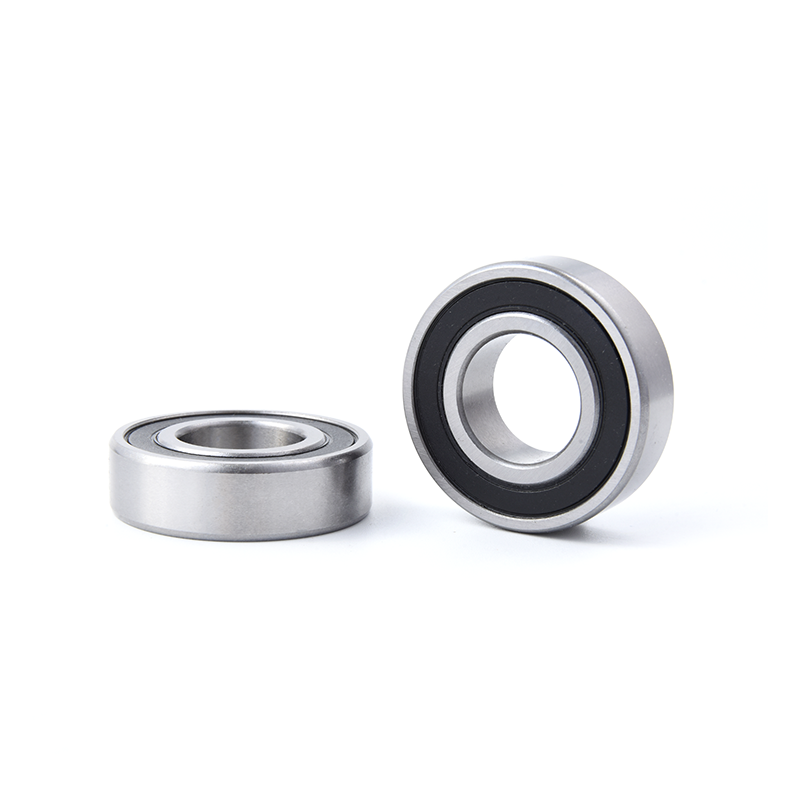
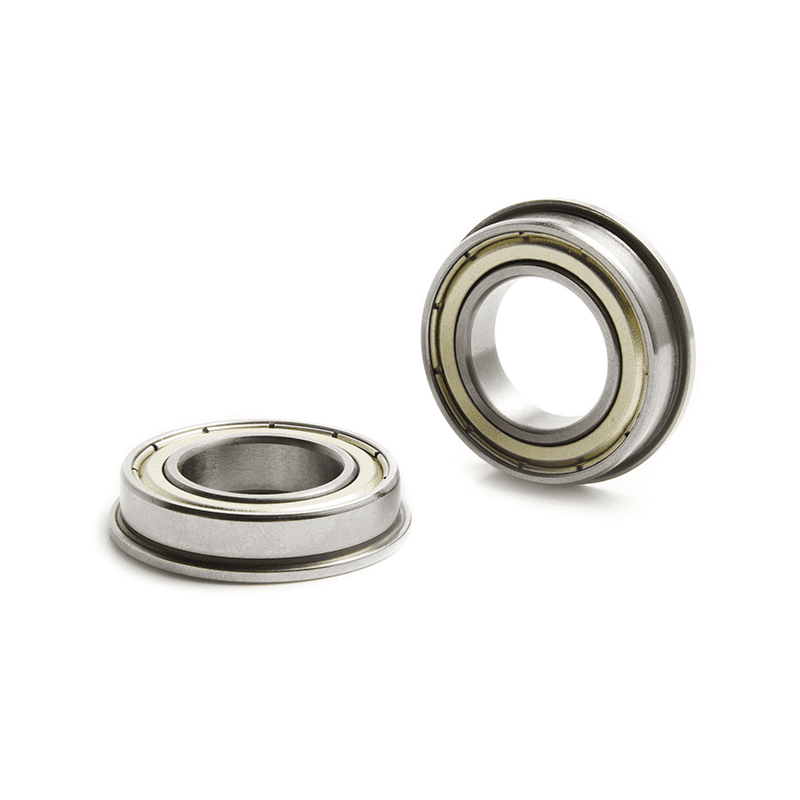
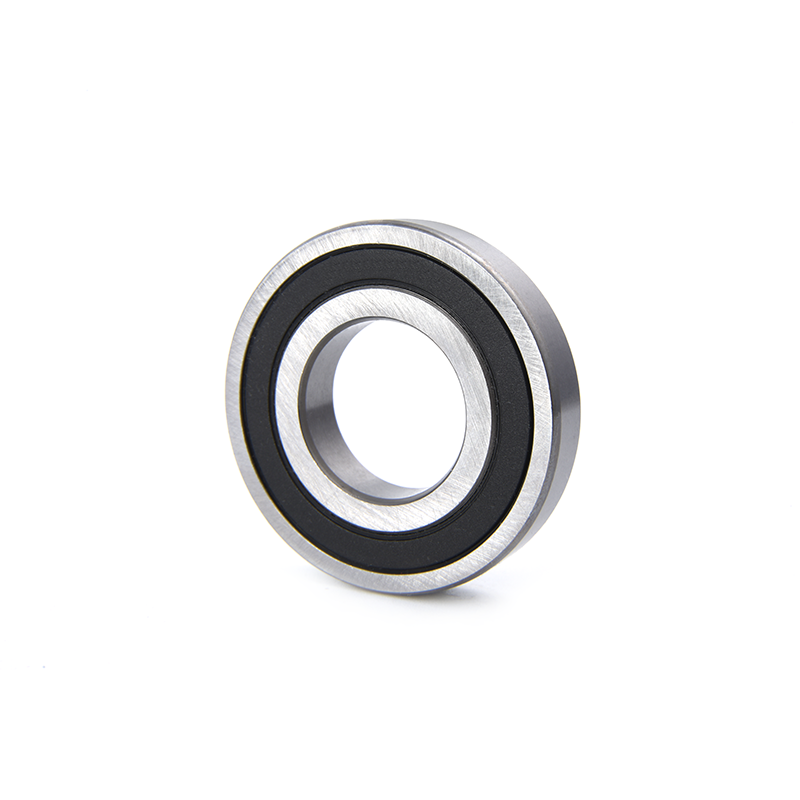
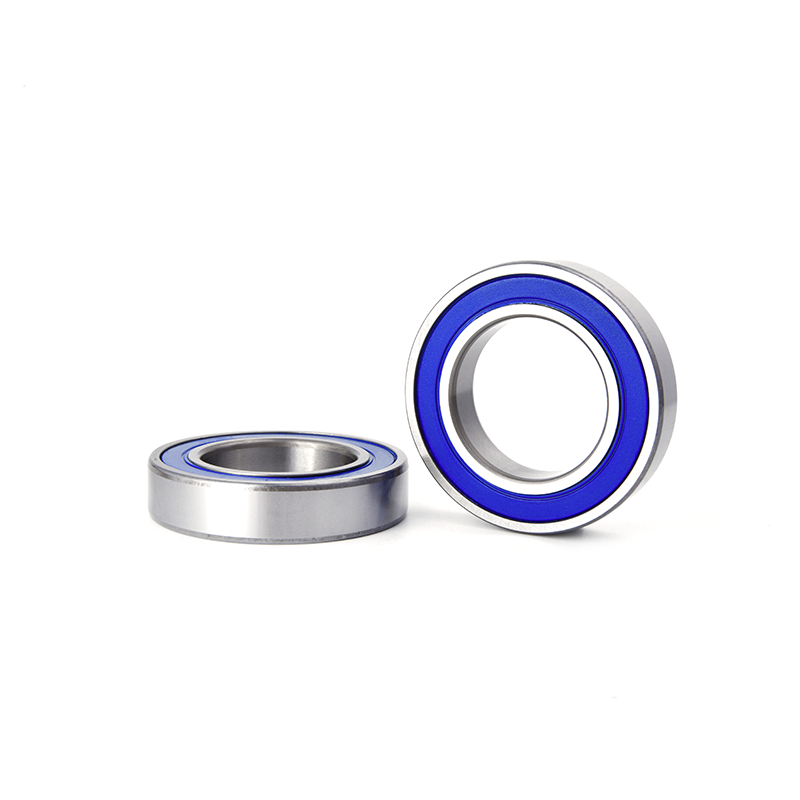
Read MoreDeep Groove Ball Bearing is one of the most commonly used types of bearings in various industrial applications due to its versatility, high-speed capability, and ability to handle radial and axial loads. However, like all mechanical components, the service life of Deep Groove Ball Bearings is influenced by multiple factors that determine performance, reliability, and maintenance schedules.
Content
The type and magnitude of loads applied to a Deep Groove Ball Bearing are critical to its longevity. Bearings are designed to handle specific load ranges:
Radial load is the force applied perpendicular to the bearing axis. Excessive radial load can increase contact stress between balls and races, leading to accelerated fatigue and reduced bearing life.
Axial load is the force along the bearing axis. Although deep groove ball bearings can handle some axial load, continuous overloading may cause permanent deformation of the raceways or balls.
In real applications, bearings often face combined radial and axial loads. Incorrect load distribution can cause uneven wear and reduce lifespan.
Proper lubrication is essential for minimizing friction and wear in Deep Groove Ball Bearings. The choice of lubricant, its viscosity, and maintenance intervals all play significant roles:
Incorrect installation is a major factor reducing bearing life. Deep Groove Ball Bearings require precise mounting to avoid misalignment, uneven preload, or excessive clearance:
The working environment can greatly influence the service life of a Deep Groove Ball Bearing. Harsh conditions accelerate wear and corrosion:
High temperatures can degrade lubricants and alter bearing material properties. Low temperatures can increase lubricant viscosity, leading to higher friction.
Dust, dirt, and moisture entering the bearing can cause abrasive wear and corrosion. Sealed or shielded bearings help mitigate these risks.
Excessive vibration or shock loads can produce brinelling, indentations on raceways, and early fatigue failure.
The choice of bearing materials and design significantly impacts performance and longevity:
| Material | Characteristics | Impact on Service Life |
| Chrome Steel (AISI 52100) | High hardness, wear-resistant | Long fatigue life under proper lubrication |
| Stainless Steel | Corrosion-resistant | Ideal for humid or wet environments; moderate fatigue life |
| Ceramic (Si3N4 balls) | Lightweight, high-speed capability, low friction | Extended life under high-speed or high-temperature conditions |
High rotational speeds increase centrifugal forces, which can affect the contact stress between balls and raceways. The speed rating of the bearing must not be exceeded:
Regular inspection and maintenance extend the life of Deep Groove Ball Bearings:
Deep groove ball bearings are often compared with other bearing types, such as angular contact or cylindrical roller bearings:
| Bearing Type | Load Capacity | Speed Capability | Service Life |
| Deep Groove Ball Bearing | Moderate radial and axial load | High | Good for general-purpose applications |
| Angular Contact Bearing | High axial load | Moderate to High | Dependent on axial load and alignment |
| Cylindrical Roller Bearing | High radial load, low axial load | Moderate | Long under optimal conditions |
Proper installation, correct lubrication, avoiding overloading, controlling contamination, and regular maintenance are key to maximizing bearing life.
Operating without lubrication will significantly reduce lifespan, increase friction, and cause early failure. Always use the recommended lubricant.
Most standard chrome steel bearings operate safely between -30°C to 120°C. High-temperature variants are available for more extreme conditions.
Look for unusual vibration, noise, or temperature rise during operation. Visual inspection for corrosion, wear, or spalling can also detect early signs of failure.
Sealed bearings are pre-lubricated and maintenance-free for general applications, but extreme environments may require periodic checks.
The service life of a Deep Groove Ball Bearing depends on multiple interconnected factors including load conditions, lubrication, installation accuracy, operating environment, material selection, speed, and maintenance practices. Understanding these factors and taking proactive measures can significantly improve bearing reliability and reduce downtime in industrial operations. Choosing the right bearing type for a specific application, along with proper care, ensures optimal performance and longevity.

0086-574-62812860
0086-574-62811929


West of Zhangting Industrial Zone, Yuyao, Ningbo City, Zhejiang Province, 315411, China
On weekdays, we will reply to you or call us within 12 hours of receiving the inquiry.

Contact Us