

 English
 中文简体
中文简体 Español
Call us
0086-574-62812860
0086-574-62811929

Our team is proud to offer on time guarantee and product guarantee to customer satisfaction.
Read MoreThe Deep Groove Ball Bearing is one of the most widely used types of rolling bearings in modern machinery. Its versatility, high-speed performance, and ability to handle both radial and axial loads make it a crucial component in many industrial applications. Proper installation of a Deep Groove Ball Bearing is essential to ensure long service life, minimize downtime, and maintain machinery efficiency.
Content
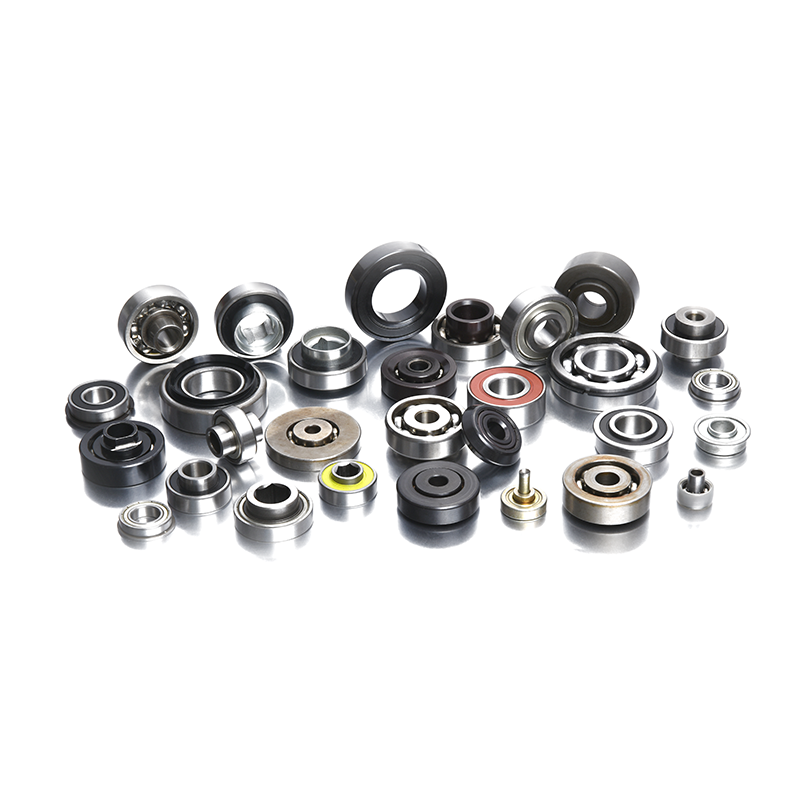
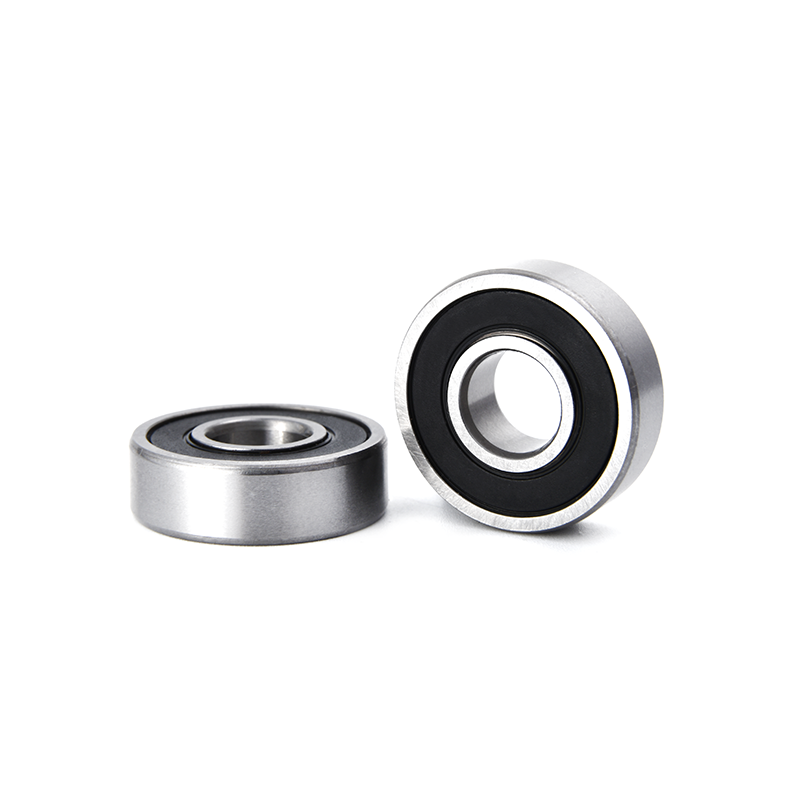
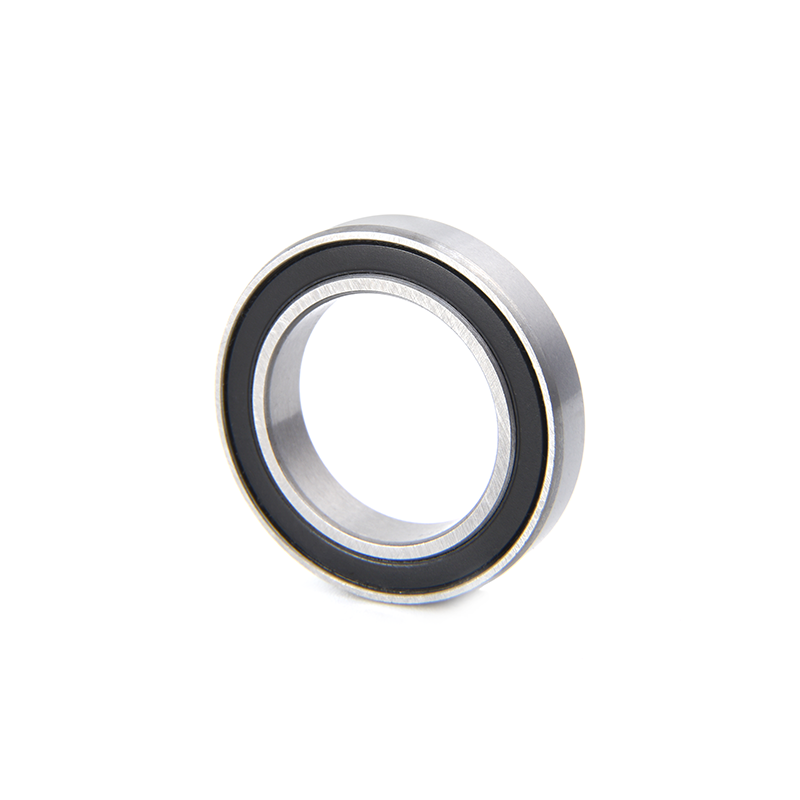
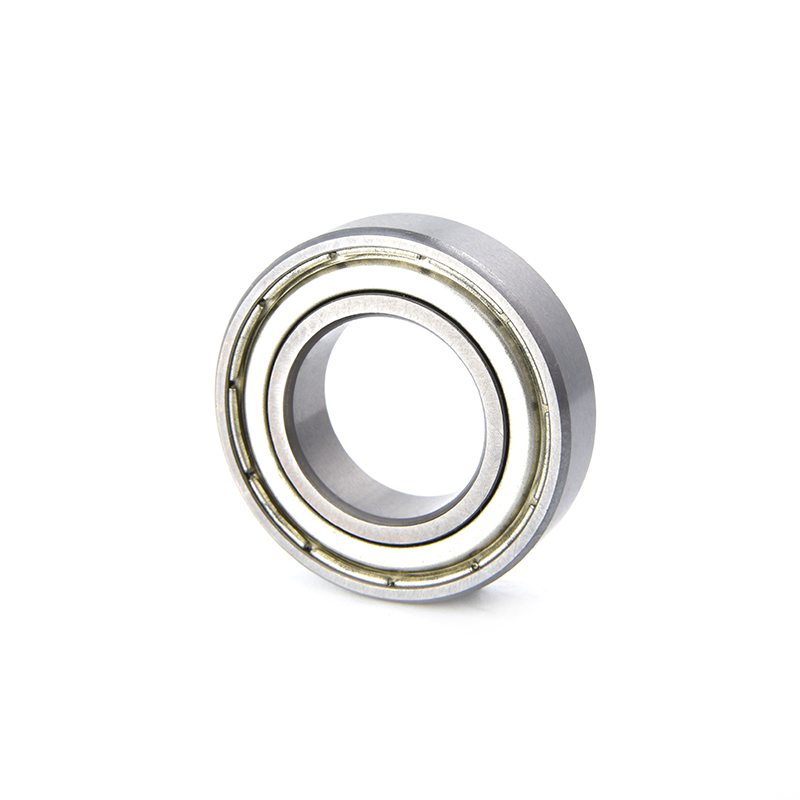
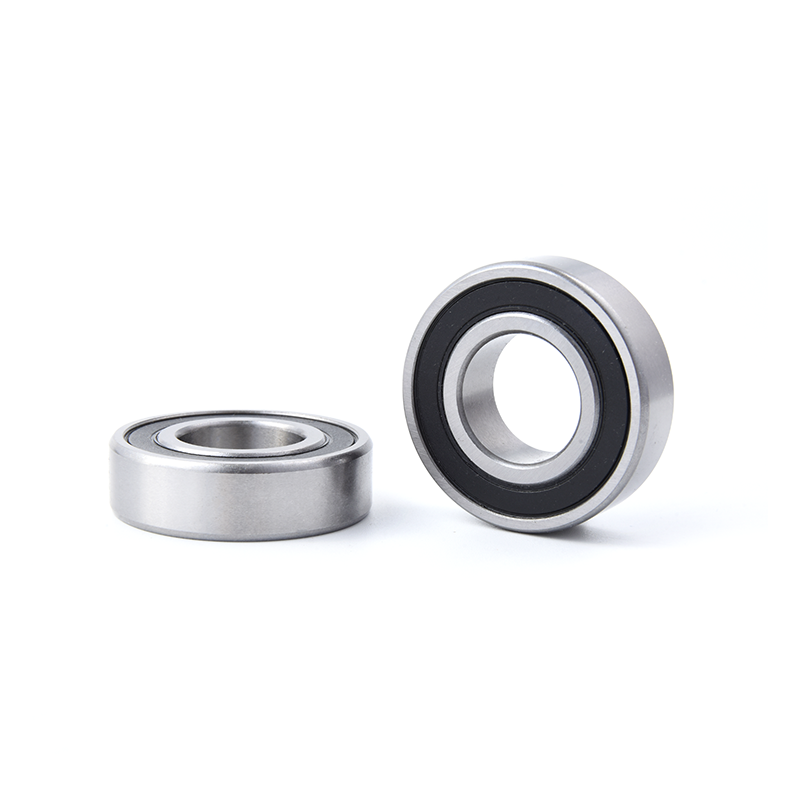
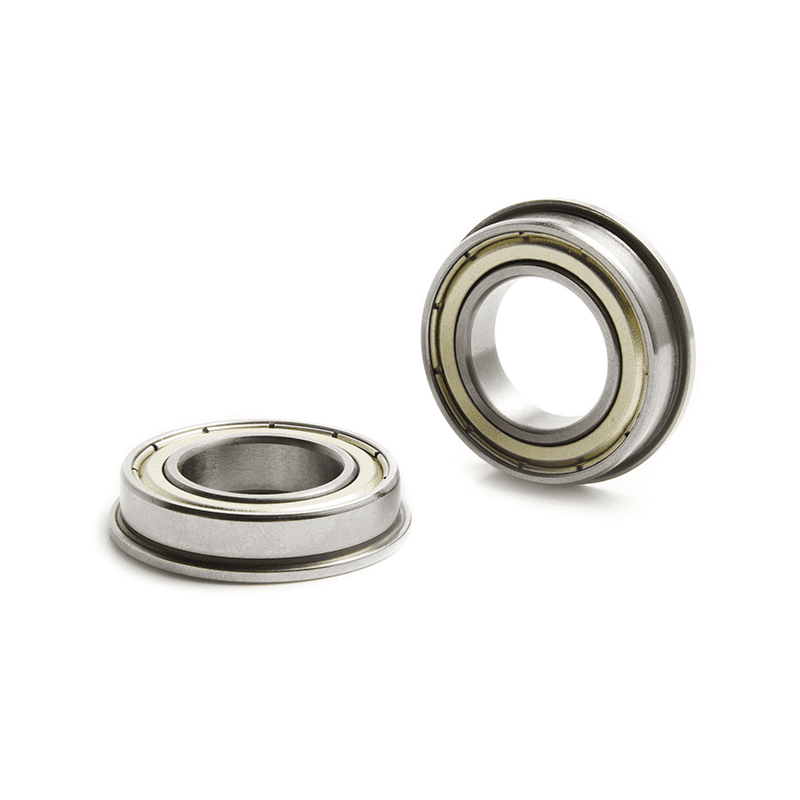
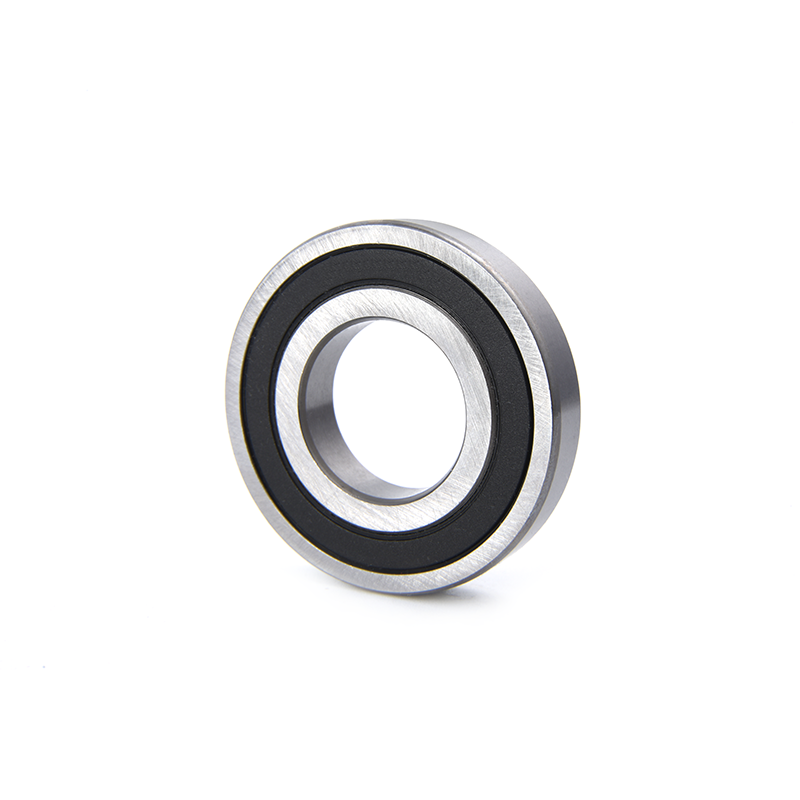
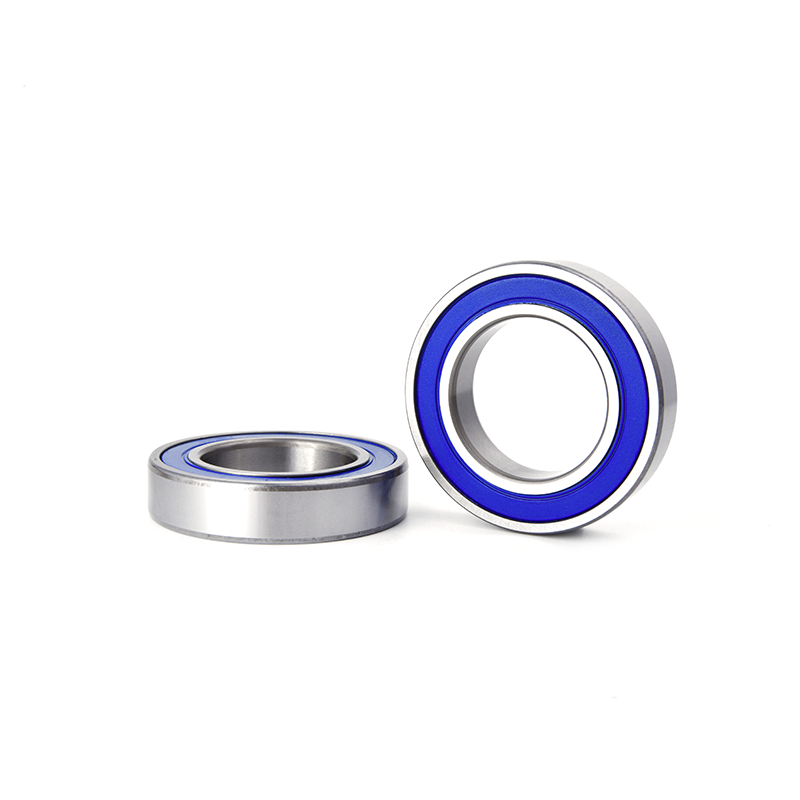
Deep Groove Ball Bearings consist of an inner ring, an outer ring, a cage, and a set of balls. The "deep groove" design allows the bearing to support both radial and axial loads in both directions. This type of bearing is commonly used in electric motors, pumps, gearboxes, automotive components, and household appliances.
Correct installation is vital to prevent premature failure. Improper mounting can lead to excessive heat, vibration, noise, and reduced bearing life.
Proper mounting methods depend on whether the bearing is interference-fit or clearance-fit.
Compared to other bearing types, Deep Groove Ball Bearings offer unique advantages and some limitations:
Reuse is possible only if the bearing shows no signs of wear, corrosion, or damage. Otherwise, replacement is recommended to avoid unexpected failures.
Heating the bearing to 80–100°C (176–212°F) is generally safe for expansion installation. Avoid exceeding manufacturer limits to prevent material damage.
Grease is preferred for sealed or low-maintenance applications, while oil is suitable for high-speed or heavy-load applications where heat dissipation is critical.
Common causes include improper mounting, contamination, insufficient lubrication, misalignment, or excessive loads beyond design limits.
The fit type is determined by comparing shaft and housing tolerances with the bearing bore and outer diameter. Manufacturer specifications should always be followed.
Proper installation of a Deep Groove Ball Bearing is essential for maximizing efficiency and prolonging service life. Following the correct preparation, lubrication, mounting, and inspection steps ensures smooth operation and prevents costly downtime. Comparing Deep Groove Ball Bearings with other bearing types highlights their versatility and suitability for a wide range of applications. By adhering to recommended installation procedures and maintenance practices, industries can fully leverage the benefits of this reliable and widely used bearing type.

0086-574-62812860
0086-574-62811929


West of Zhangting Industrial Zone, Yuyao, Ningbo City, Zhejiang Province, 315411, China
On weekdays, we will reply to you or call us within 12 hours of receiving the inquiry.

Contact Us