

 English
 中文简体
中文简体 Español
Call us
0086-574-62812860
0086-574-62811929

Our team is proud to offer on time guarantee and product guarantee to customer satisfaction.
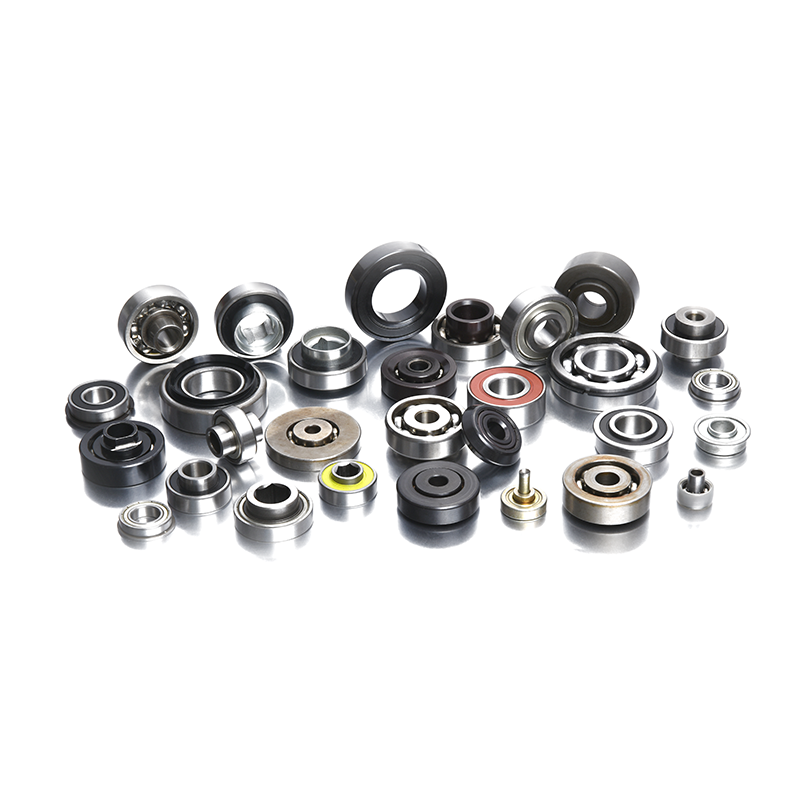
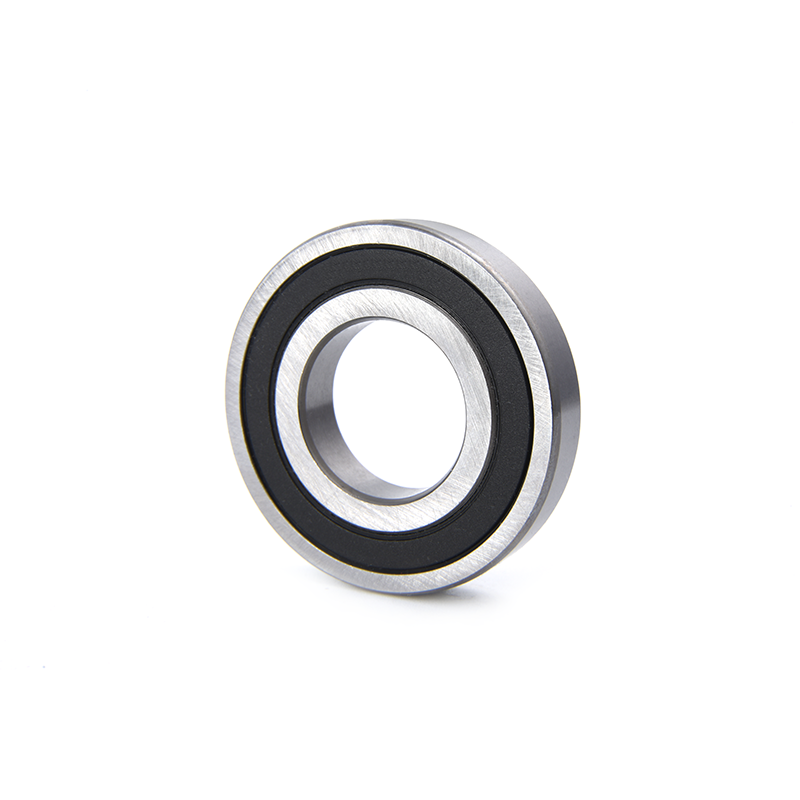
Read MoreIn modern industrial systems, the Deep Groove Ball Bearing is one of the most widely used bearing types thanks to its simple structure, low friction, and ability to handle both radial and axial loads. From electric motors and pumps to conveyors and household appliances, its performance directly affects equipment efficiency, service life, and maintenance costs. Among all influencing factors, lubrication plays a decisive role in ensuring reliable operation.
Improper lubrication can lead to premature wear, overheating, noise, corrosion, or even sudden bearing failure. Understanding lubrication requirements, selecting the right lubricant, and applying correct lubrication methods are essential for achieving stable and long-term performance. The following sections explore lubrication issues related to Deep Groove Ball Bearings in detail, with comparisons, practical tips, and frequently asked questions.
Content
Lubrication creates a protective film between rolling elements and raceways, preventing direct metal-to-metal contact. For a Deep Groove Ball Bearing, this lubrication film serves several essential functions:
Without adequate lubrication, even high-quality bearings made from premium steel may fail far earlier than expected.
Grease lubrication is the most common choice for Deep Groove Ball Bearings, especially in applications where simplicity and low maintenance are priorities.
Advantages of grease lubrication:
Limitations:
Oil lubrication is commonly used in high-speed, high-temperature, or heavy-load applications where heat dissipation is critical.
Advantages of oil lubrication:
Limitations:
| Factor | Grease Lubrication | Oil Lubrication |
|---|---|---|
| Speed Capability | Medium | High |
| Heat Dissipation | Moderate | Excellent |
| Maintenance | Low | Higher |
| System Complexity | Simple | Complex |
| Typical Applications | Motors, fans, household equipment | Turbines, high-speed spindles |
The choice between grease and oil should always be based on operating conditions rather than convenience alone.
High rotational speed increases centrifugal forces, which can cause grease to migrate away from raceways. For high-speed Deep Groove Ball Bearings, low-viscosity grease or oil lubrication is usually preferred.
Heavier loads require lubricants with stronger film strength. Greases containing extreme pressure (EP) additives help protect bearings operating under shock loads or fluctuating forces.
Temperature directly affects lubricant viscosity and stability:
For high-temperature environments, synthetic lubricants or high-temperature greases are often used with Deep Groove Ball Bearings.
Dust, moisture, chemicals, and corrosive atmospheres demand special lubricant formulations. Water-resistant greases and corrosion inhibitors significantly improve bearing reliability in harsh environments.
One of the most common lubrication mistakes is over-greasing. Excess grease can cause churning, increased friction, and excessive heat generation.
General guidelines for grease filling:
Proper grease quantity ensures smooth rolling without unnecessary energy loss.
Even the best lubricant degrades over time. Establishing appropriate relubrication intervals is essential for Deep Groove Ball Bearing reliability.
Factors affecting relubrication intervals:
Condition monitoring techniques such as vibration analysis and temperature tracking help optimize relubrication schedules.
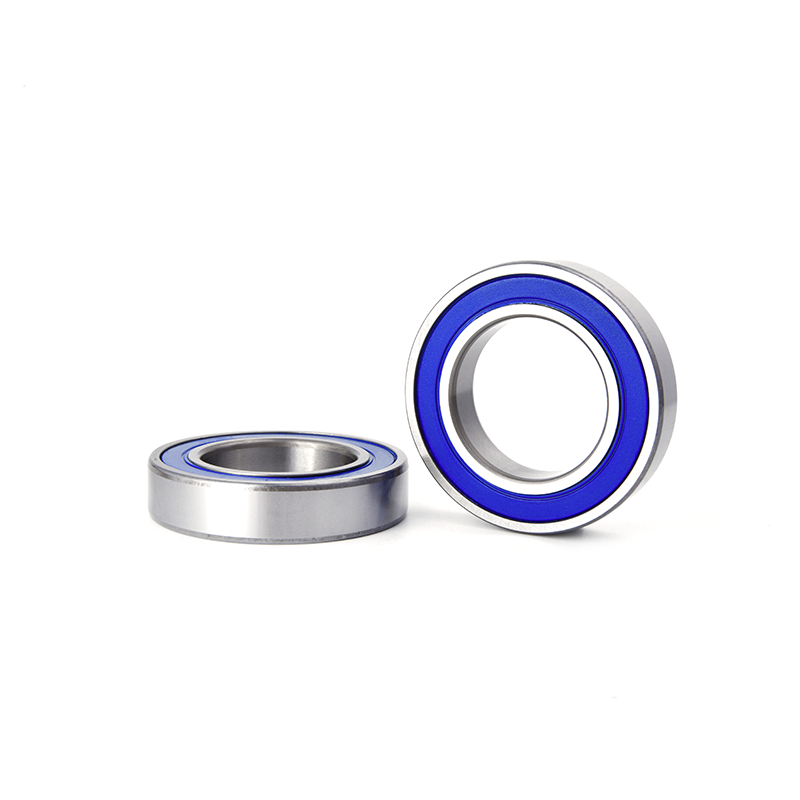
Sealed Deep Groove Ball Bearings are factory-filled with grease and designed for maintenance-free operation over a defined service life.
Benefits:
Limitations:
Open bearings allow flexibility in lubricant choice and relubrication but require proper sealing in the application.
Identifying these issues early prevents costly downtime.
Relubrication frequency depends on speed, load, temperature, and environment. High-speed or high-temperature applications require more frequent lubrication.
Mixing incompatible greases can cause oil separation or hardening. Compatibility should always be verified before changing lubricant types.
Sealed bearings are maintenance-free within their designed service life, but they may not be suitable for extreme temperatures or heavy loads.
Common indicators include abnormal noise, increased vibration, rising operating temperature, and visible grease leakage or discoloration.
Performance depends more on lubricant specifications and suitability than brand name. Consistent quality and correct formulation are key.
Lubrication is not a secondary consideration but a core factor in the performance of any Deep Groove Ball Bearing. Correct lubricant selection, accurate quantity control, and disciplined maintenance practices ensure stable operation across diverse applications. By addressing lubrication challenges proactively, industries can achieve longer bearing life, lower energy consumption, and reduced downtime.

0086-574-62812860
0086-574-62811929


West of Zhangting Industrial Zone, Yuyao, Ningbo City, Zhejiang Province, 315411, China
On weekdays, we will reply to you or call us within 12 hours of receiving the inquiry.

Contact Us