

 English
 中文简体
中文简体 Español
Call us
0086-574-62812860
0086-574-62811929

Our team is proud to offer on time guarantee and product guarantee to customer satisfaction.
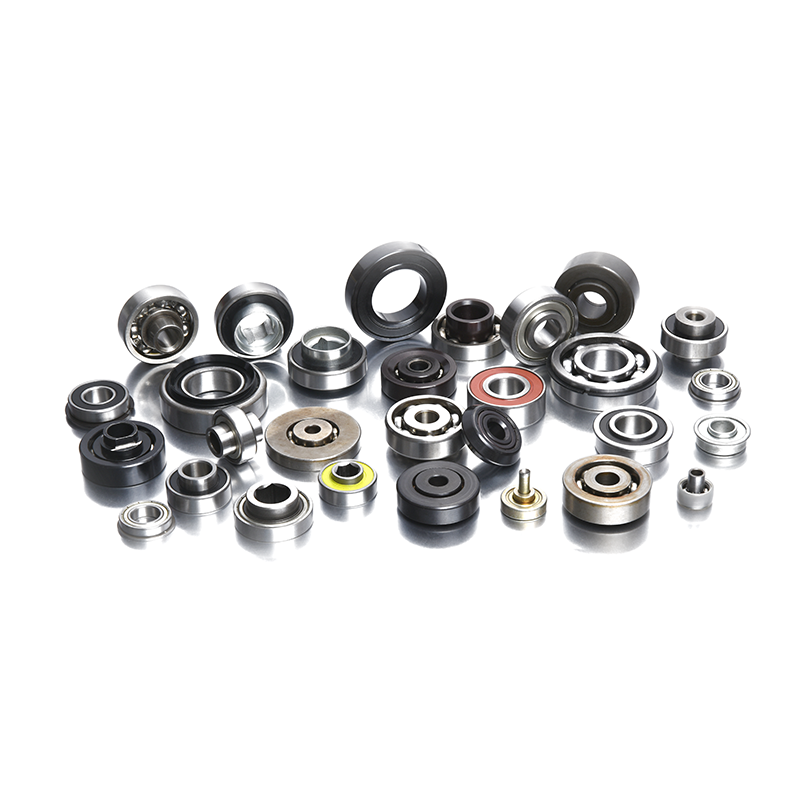
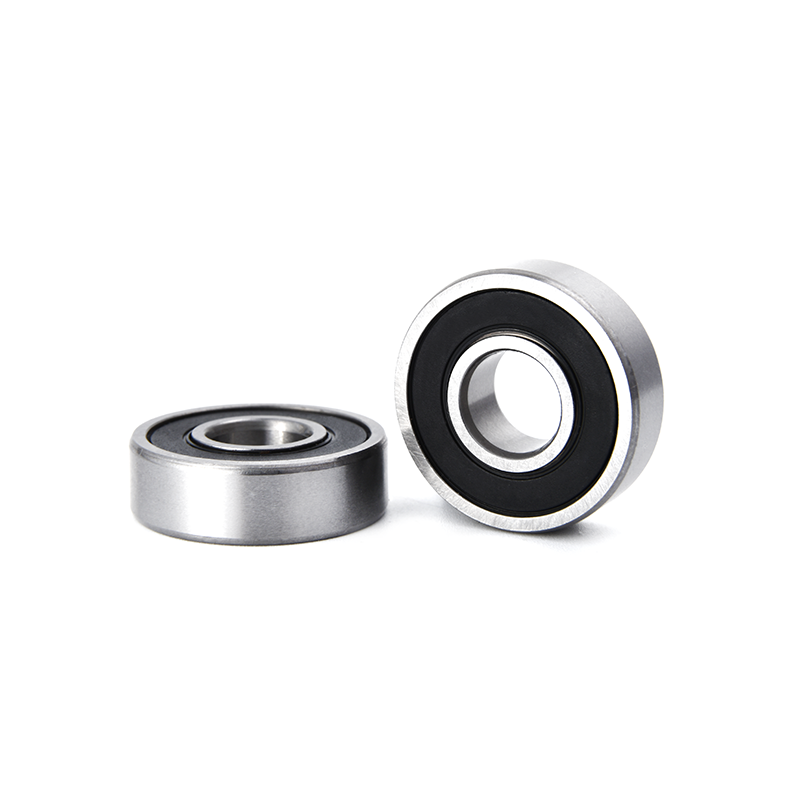
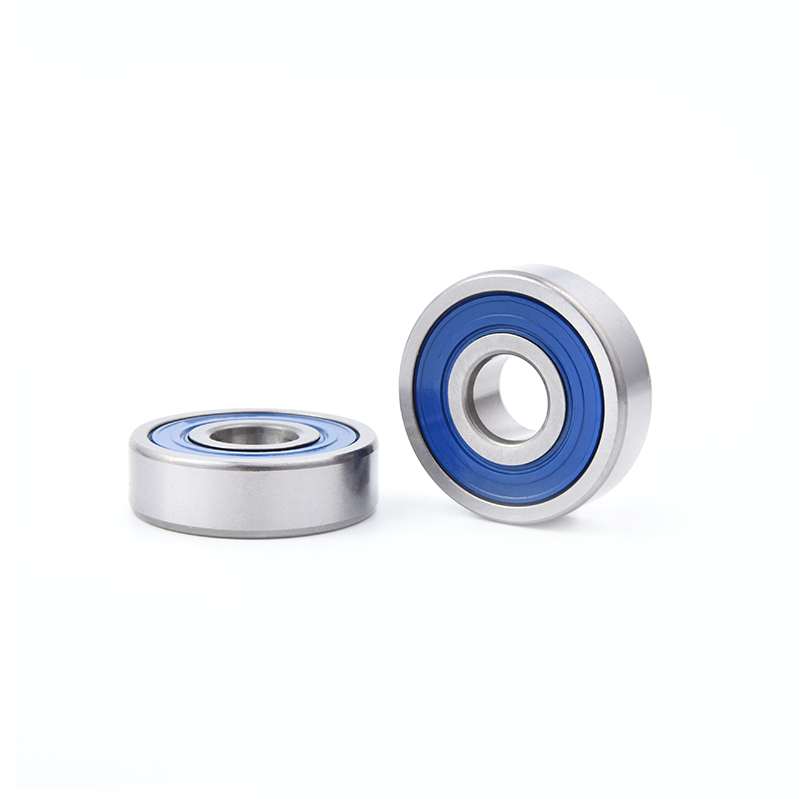
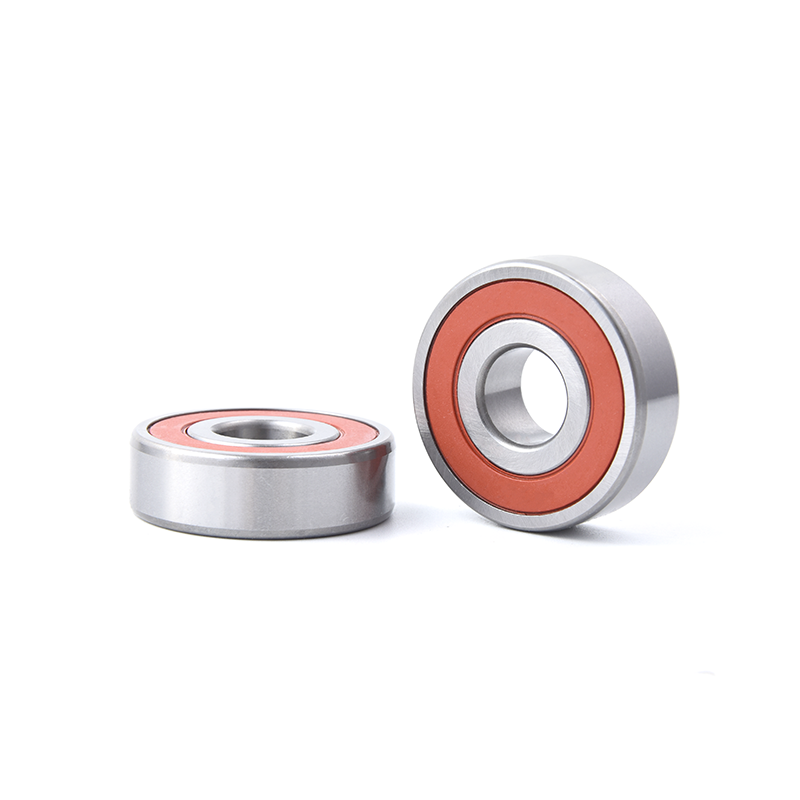
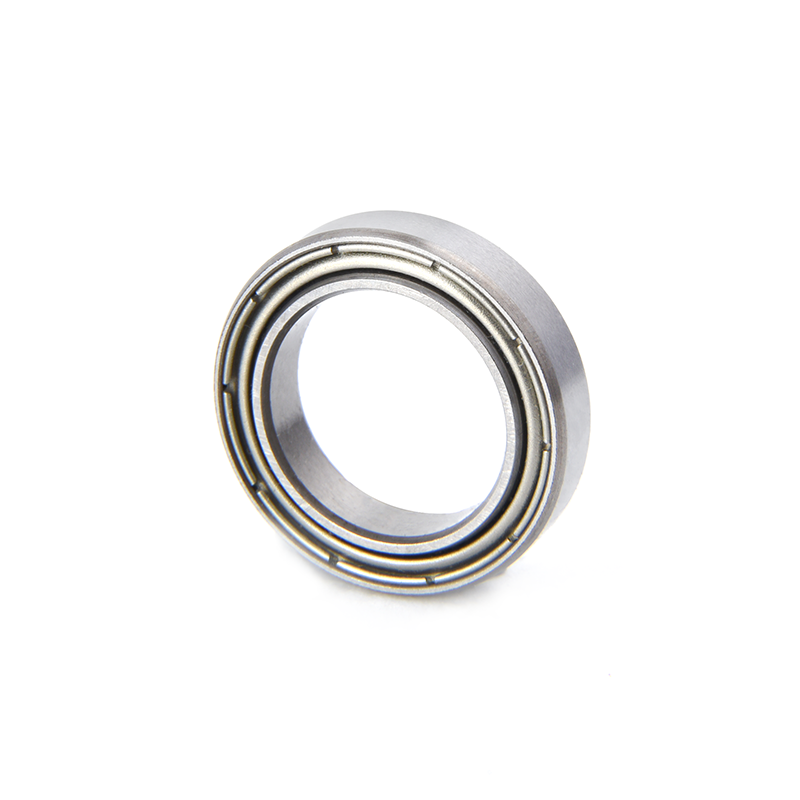
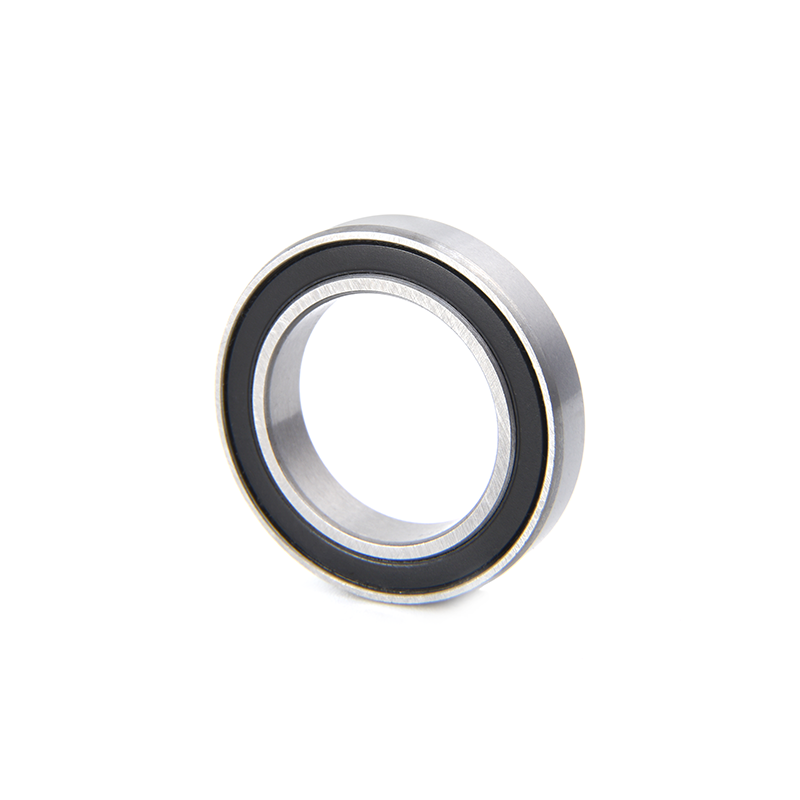
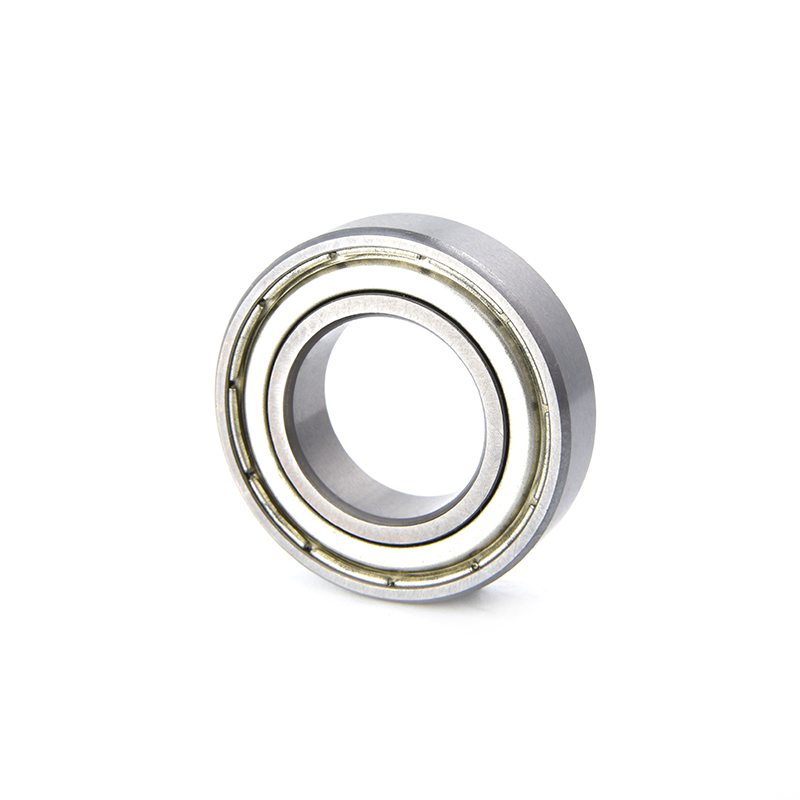
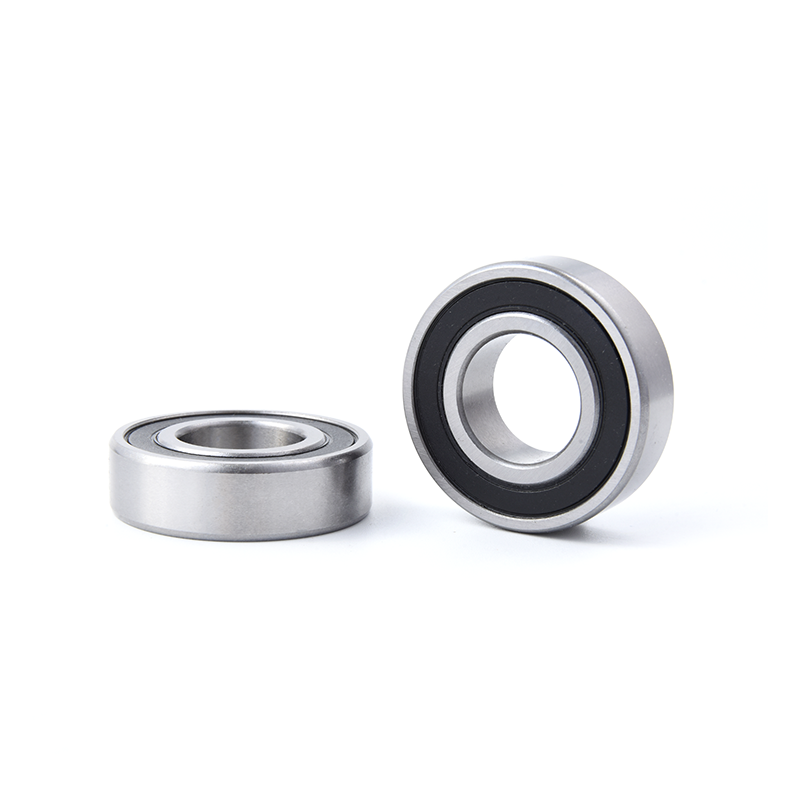
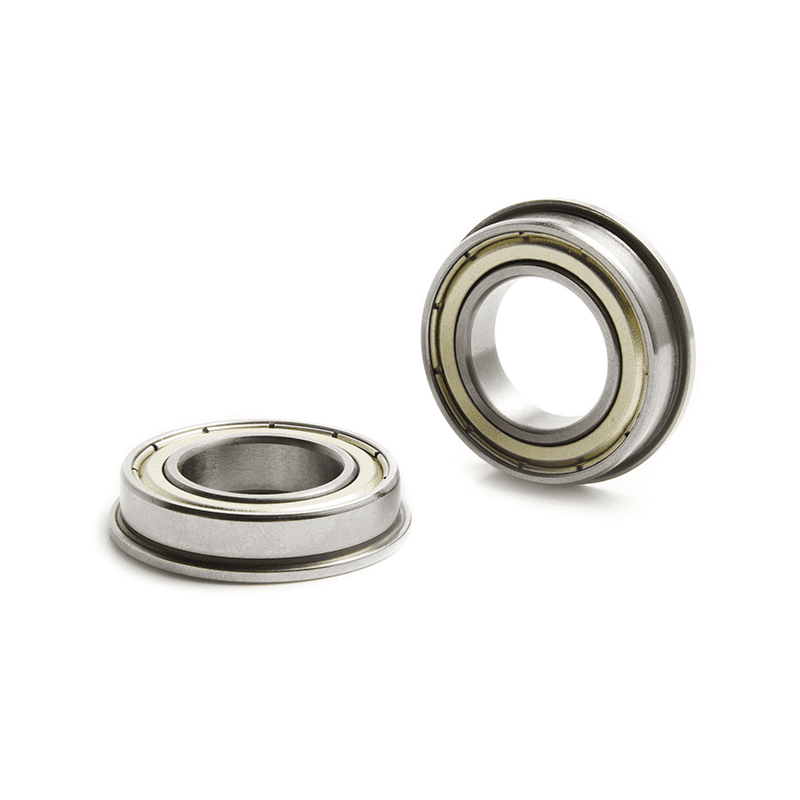
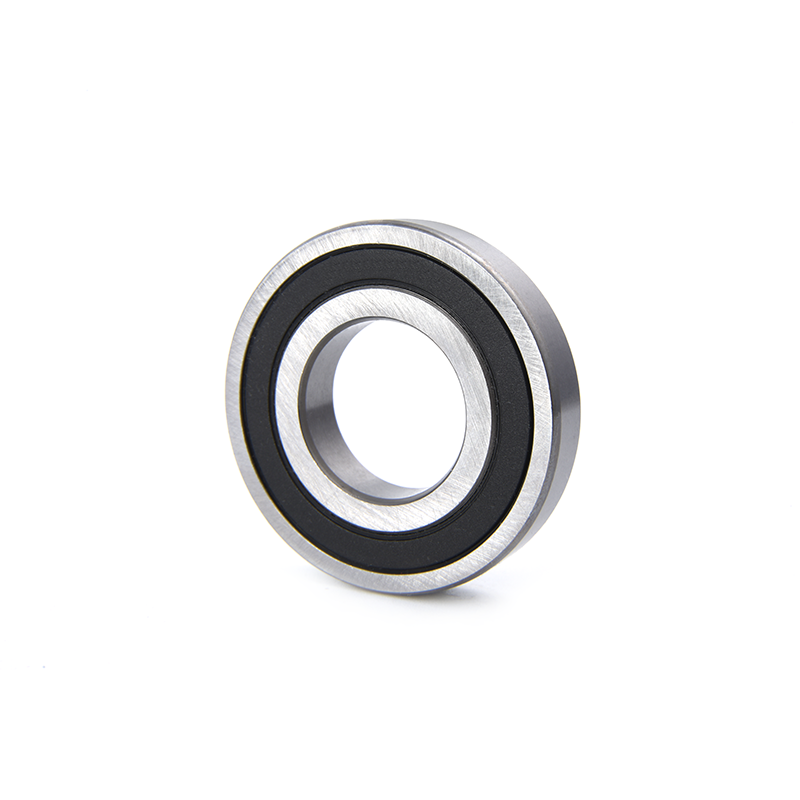
Read MoreThe Deep Groove Ball Bearing 60 Series stands as one of the most widely adopted bearing families in mechanical engineering. Renowned for its versatility, durability, and ability to handle both radial and axial loads, this series has become a cornerstone component across a broad spectrum of industries—from high-speed electric motors to heavy agricultural equipment.
Content
The 60 Series refers to a standardized dimension series defined by ISO and JIS standards, characterized by a light cross-section and compact design. Bearings in this series—such as the 6000, 6001, 6002, 6003, 6004, 6005, 6006, 6007, 6008, 6009, 6010, and beyond—share a consistent relationship between bore diameter, outer diameter, and width. Their deep raceway grooves enable them to accommodate radial loads, bidirectional axial loads, and combined loads with excellent precision and minimal friction.
Key design attributes include:
The automotive sector relies heavily on the Deep Groove Ball Bearing 60 Series for its ability to operate at high speeds while maintaining reliability under varying load conditions. Common automotive applications include:
Perhaps the single largest market for the 60 Series deep groove ball bearing is electric motors. Whether in industrial drives, household appliances, or renewable energy systems, these bearings are favored for:
In factory automation and general industrial machinery, the Deep Groove Ball Bearing 60 Series appears in virtually every rotating assembly. Applications span:
Consumer electronics and home appliances represent a major volume market. The compact dimensions and quiet operation of 60 Series bearings make them ideal for:
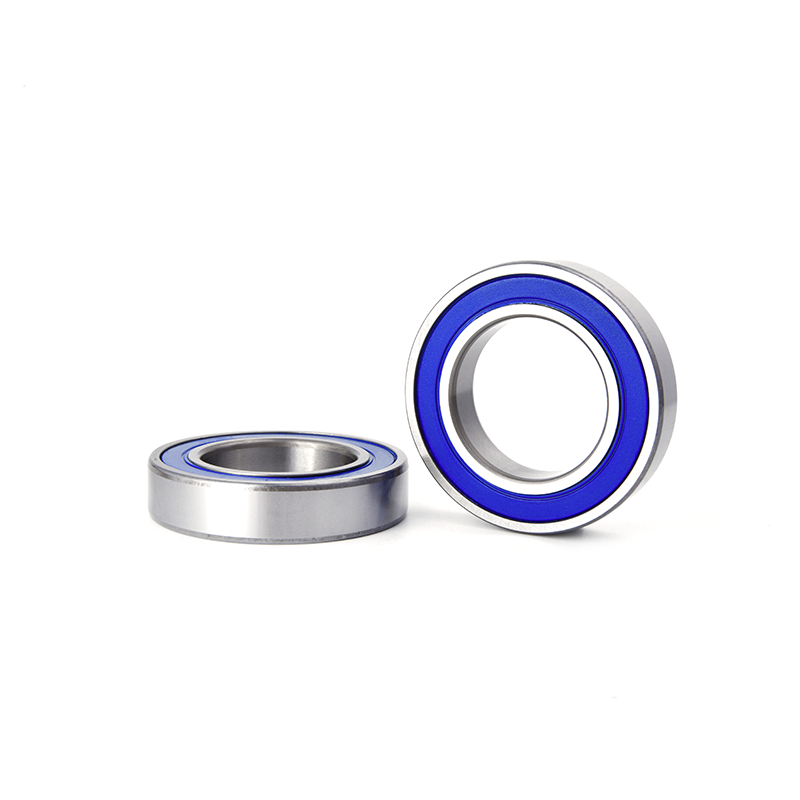
Agricultural machinery operates under demanding outdoor conditions—dust, moisture, vibration, and shock loads. The Deep Groove Ball Bearing 60 Series, especially in sealed (2RS) configurations, provides:
While heavy aerospace often requires specialty bearings, the 60 Series finds use in auxiliary systems and light aerospace applications:
Precision and cleanliness are paramount in medical device manufacturing. High-grade Deep Groove Ball Bearings in the 60 Series are used in:
The global push toward clean energy has expanded demand for reliable rotating components. 60 Series deep groove ball bearings contribute to:
| Industry | Typical Applications | Preferred Variant | Key Requirement |
| Automotive | Alternators, steering, AC compressors | 2RS (sealed) | High speed, low noise |
| Electric Motors | Rotor shaft support, servo drives | ZZ / Open | Precision, low friction |
| Industrial Machinery | Conveyors, pumps, gearboxes | Open / ZZ | Load capacity, longevity |
| Household Appliances | Washing machines, fans, compressors | 2RS (sealed) | Quiet operation, compact |
| Agriculture | Harvesters, tractors, irrigation | 2RS (sealed) | Contamination resistance |
| Medical Equipment | Dental drills, CT scanners, centrifuges | High-precision grade | Ultra precision, cleanliness |
| Renewable Energy | Wind turbines, solar trackers | 2RS / Open | Long service life, reliability |
Selecting the correct Deep Groove Ball Bearing 60 Series variant requires consideration of multiple factors:
Standard P0/ABEC-1 grade suits most general applications, while P6, P5, and P4 grades deliver progressively higher rotational accuracy for machine tools, medical devices, and precision instruments.
Decades of engineering refinement have made the Deep Groove Ball Bearing 60 Series the default choice for engineers globally. Its success stems from a combination of factors that no other single bearing series matches comprehensively:
From powering the motors inside electric vehicles to enabling life-saving medical imaging, the Deep Groove Ball Bearing 60 Series continues to serve as the mechanical backbone of modern industry. Its unmatched combination of simplicity, reliability, and adaptability ensures it will remain a critical engineering component for generations to come. Engineers specifying bearings for new designs are well advised to begin their evaluation with the 60 Series—and the data consistently confirms it is the right starting point.

0086-574-62812860
0086-574-62811929


West of Zhangting Industrial Zone, Yuyao, Ningbo City, Zhejiang Province, 315411, China
On weekdays, we will reply to you or call us within 12 hours of receiving the inquiry.

Contact Us