


 English
 中文简体
中文简体 Español
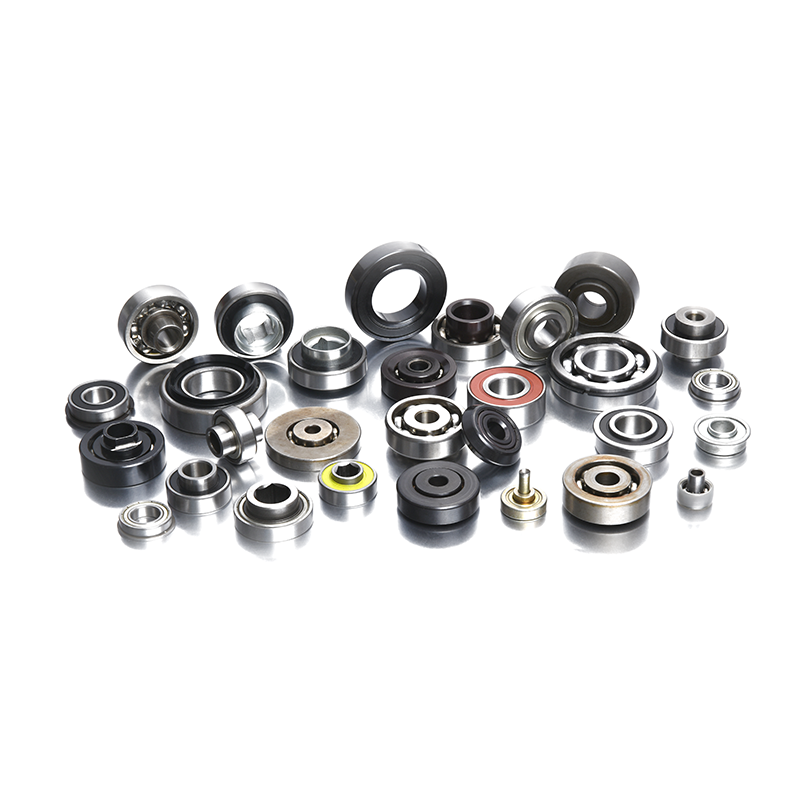
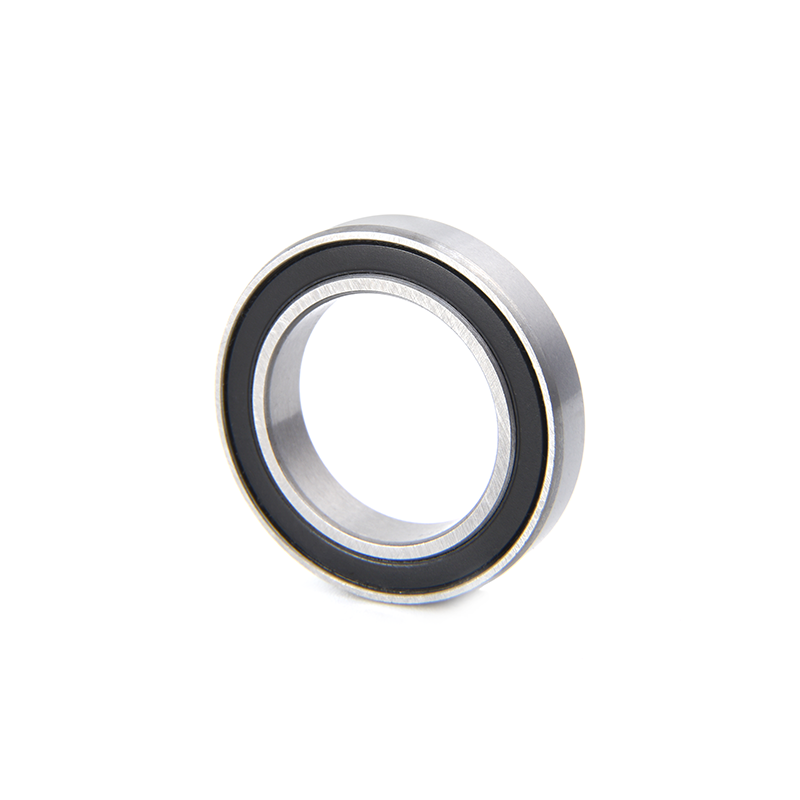
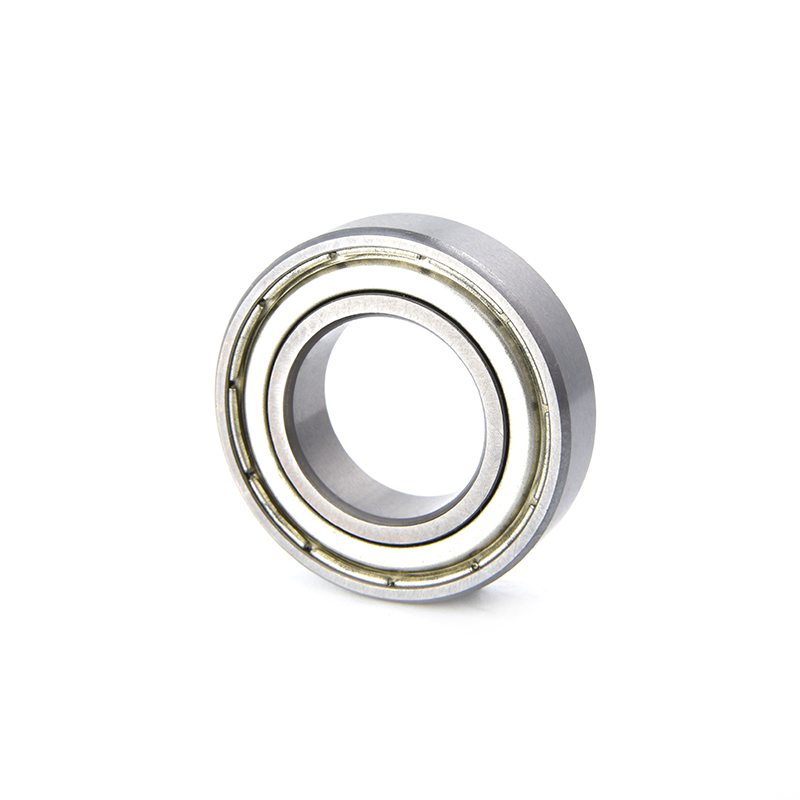
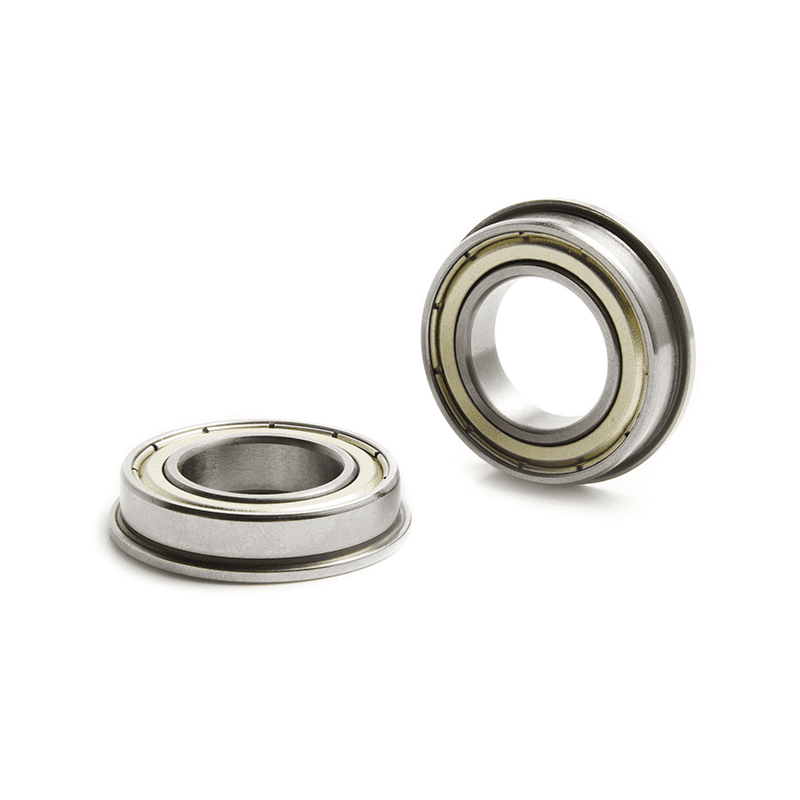
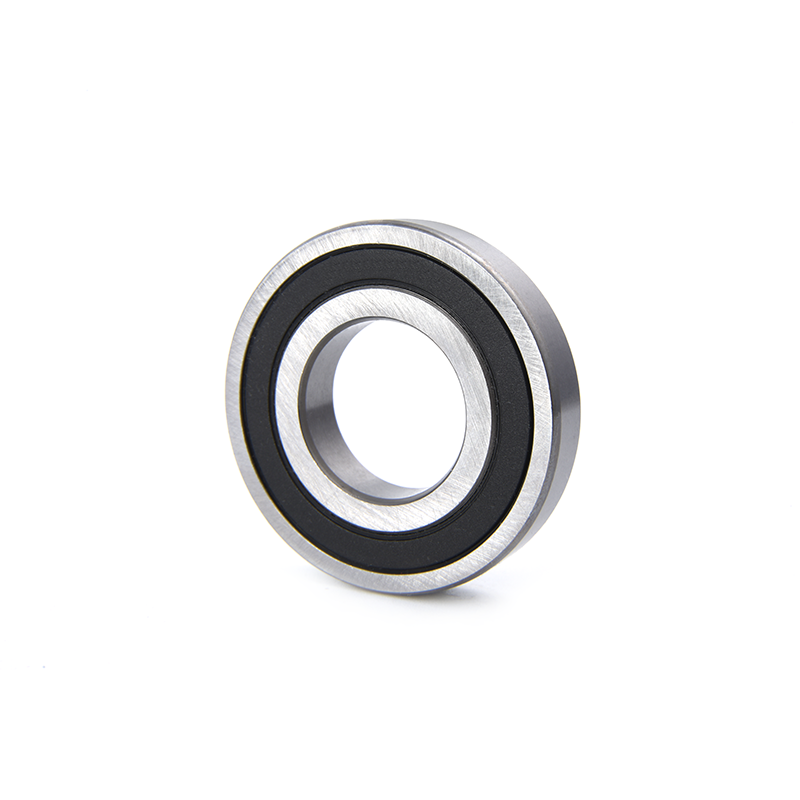
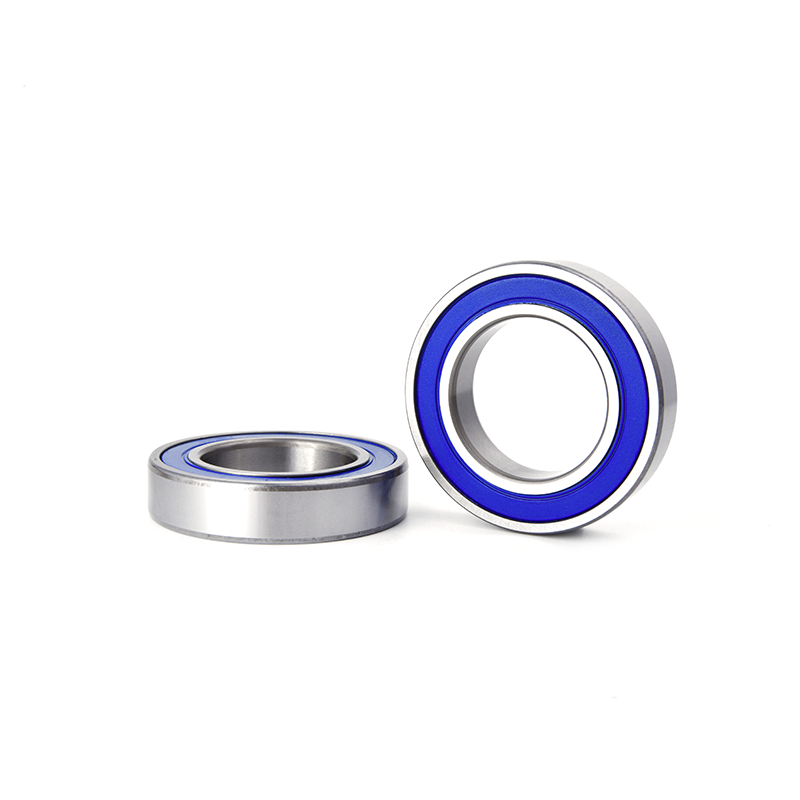
Ball bearings are mechanical components used wherever rotational or linear motion needs to be supported with minimal friction and precise alignment, and their primary purpose is to carry radial and axial loads while allowing shafts, axles, or spindles to spin freely within their housings. From the tiny deep-groove bearings inside an electric toothbrush to massive angular-contact pairs supporting a high-speed train axle, ball bearings serve as the fundamental interface between stationary structures and rotating parts across virtually every mechanical system. According to the American Bearing Manufacturers Association (ABMA), over 10 billion ball bearings are manufactured globally each year, and their performance directly determines the energy efficiency, noise level, and service life of the machines they are built into. Understanding exactly what ball bearings are used for reveals why these compact, highly engineered components are among the most critical inventions in the history of mechanical design.
Content
- The Fundamental Purpose of a Ball Bearing
- What Ball Bearings Are Used For in Automotive Applications
- Ball Bearings in Industrial Machinery and Manufacturing
- Ball Bearings in Aerospace and Defense
- Ball Bearings in Medical Devices and Precision Instruments
- Ball Bearings in Consumer Products and Everyday Objects
- Frequently Asked Questions About Ball Bearings
The Fundamental Purpose of a Ball Bearing
At its core, a ball bearing is used to constrain relative motion between two or more parts while simultaneously reducing the friction that would otherwise be generated by sliding contact, replacing it with the rolling motion of hardened steel or ceramic spheres captured between two precisely ground raceways. The coefficient of rolling friction for a well-lubricated ball bearing is approximately 0.001 to 0.002, which is roughly 50 to 100 times lower than the coefficient of sliding friction between two steel surfaces in direct contact. This dramatic reduction in frictional resistance means that a motor driving a shaft through ball bearings consumes far less energy, generates less heat, and experiences far slower wear than if the shaft were supported by plain bushings or journal bearings. The International Organization for Standardization (ISO) classifies rolling bearings under ISO 15 and ISO 492, which specify dimensional tolerances and running accuracy grades. A precision ABEC-7 or ABEC-9 bearing, used in machine tool spindles, has a radial runout of less than 2.5 microns (0.0001 inch), which is necessary for producing parts with sub-thousandth-of-an-inch tolerances. Whether in a skateboard wheel, an aircraft turbine, or a hard disk drive spindle motor, the ball bearing enables smooth, controlled motion that can be maintained for billions of revolutions without failure.
What Ball Bearings Are Used For in Automotive Applications
Ball bearings are used extensively throughout every modern vehicle, from the engine and transmission to the wheels and accessory drives, where they support rotating shafts, reduce parasitic power loss, and maintain precise alignment under high temperatures and heavy loads. The specific automotive applications include the following:
- Wheel hub assemblies: Modern passenger vehicles use sealed double-row angular-contact ball bearing units in the front and rear hubs. These bearings must support the entire corner weight of the vehicle—typically 800 to 1,200 pounds per corner on a mid-size sedan—while allowing the wheel to rotate at speeds up to 1,000 rpm at highway speeds. The sealed design keeps grease in and contaminants out for a service life often exceeding 150,000 miles.
- Alternator, water pump, and air conditioning compressor pulleys: These accessory drive components spin at speeds proportional to engine rpm and are supported by deep-groove ball bearings that can tolerate the belt tension load and the heat radiated from the engine block.
- Manual transmission shafts: The input shaft, output shaft, and countershaft in a manual transmission ride on ball bearings that are sized to handle the high torque loads generated during acceleration. A typical passenger car transmission bearing must support radial loads exceeding 2,000 newtons.
- Turbocharger shafts: High-performance turbochargers operating at speeds above 150,000 rpm require hybrid ceramic ball bearings with silicon nitride rolling elements that are lighter, harder, and more heat-resistant than steel, enabling faster spool-up and longer service intervals.
Ball Bearings in Industrial Machinery and Manufacturing
Ball bearings are used in electric motors, pumps, gearboxes, conveyors, and machine tools across every industrial sector, where they provide the precise shaft positioning and low-friction operation that modern automated production lines depend on. The most common industrial applications of ball bearings are outlined below:
- Electric motors: The rotor shaft of every industrial electric motor, from a fractional-horsepower fan motor to a 500-horsepower pump drive, is supported by two ball bearings. The U.S. Department of Energy reports that electric motor-driven systems account for roughly 45% of global electricity consumption, and the friction in the motor bearings represents a measurable fraction of that energy use. Premium-efficiency motors use low-friction sealed bearings with specialized grease to maximize the power delivered to the load.
- CNC machine tool spindles: The spindle that holds and rotates a cutting tool in a milling machine or lathe must maintain positioning accuracy within microns while resisting cutting forces that can exceed several hundred newtons. Precision angular-contact ball bearings arranged in tandem or back-to-back pairs provide the stiffness, accuracy, and speed capability that allow these machines to produce parts with dimensional tolerances of ±0.0005 inch or better.
- Centrifugal pumps: The impeller shaft in a centrifugal pump is supported by ball bearings that must withstand the radial load from the rotating assembly and the axial thrust generated by the pressure differential across the impeller. Pump bearings are often paired with a labyrinth seal or mechanical face seal to prevent the pumped fluid from entering the bearing housing.
- Conveyor rollers: Bulk material handling conveyors in mining, agriculture, and logistics rely on sealed ball bearings inside each roller that can operate for tens of thousands of hours in dusty, wet, or corrosive environments without relubrication.
Ball Bearings in Aerospace and Defense
In aerospace applications, ball bearings are used in jet engine mainshafts, helicopter transmissions, flight control actuators, and satellite mechanisms, where failure is not an option and each bearing must be manufactured to the most stringent material and inspection standards in existence. The demands placed on aerospace ball bearings are extreme. The mainshaft bearings in a commercial turbofan engine support a rotor that weighs several hundred pounds and spins at over 10,000 rpm, while operating in an environment where the oil temperature can exceed 400°F (204°C). These bearings are made from vacuum-arc-remelted tool steel such as M50 or from advanced ceramic hybrids to resist rolling contact fatigue under these brutal conditions. Military aircraft flight control bearings are often manufactured from corrosion-resistant stainless steel and are qualified to military specification MIL-B-81793 for precision and reliability. Spacecraft reaction wheels and solar array deployment mechanisms use ball bearings lubricated with ultra-low-volatility perfluoropolyether greases that will not outgas and contaminate sensitive optics in the vacuum of space. The precision and cleanliness requirements for aerospace bearings are orders of magnitude tighter than for industrial bearings, with each rolling element individually inspected for surface defects using automated eddy-current and optical scanning equipment.
Ball Bearings in Medical Devices and Precision Instruments
Ball bearings are used in medical handpieces, surgical robots, laboratory centrifuges, and diagnostic imaging equipment, where their smooth, quiet, and vibration-free operation is essential for patient safety and procedure accuracy. A dental turbine handpiece spins a carbide bur at speeds approaching 400,000 rpm, supported by miniature precision ball bearings with ceramic rolling elements that can withstand the centrifugal forces and sterilization cycles required in a clinical environment. Magnetic resonance imaging (MRI) machines use ball bearings in the patient table transport mechanism that must operate silently and without any magnetic signature that could interfere with the imaging field. Surgical robots such as those used for knee and hip arthroplasty rely on ultra-precise, sterilizable ball bearings in their articulated arms to position cutting guides within fractions of a millimeter relative to the patient's bone structure. The medical ball bearing market is one of the fastest-growing segments, driven by an aging population and the increasing sophistication of powered medical tools.
Ball Bearings in Consumer Products and Everyday Objects
Beyond heavy industry and transportation, ball bearings are used inside hundreds of consumer products, from computer cooling fans and gaming console disc drives to skateboards, fishing reels, and kitchen appliances. The following everyday items depend on ball bearings for their function:
- Computer hard disk drives and cooling fans: The spindle motor of a traditional mechanical hard drive spins the platters at 5,400 to 15,000 rpm on a pair of fluid-dynamic or ball bearings. The cooling fans in a desktop computer use sleeve bearings or small ball bearings to achieve a quiet operating life of over 50,000 hours.
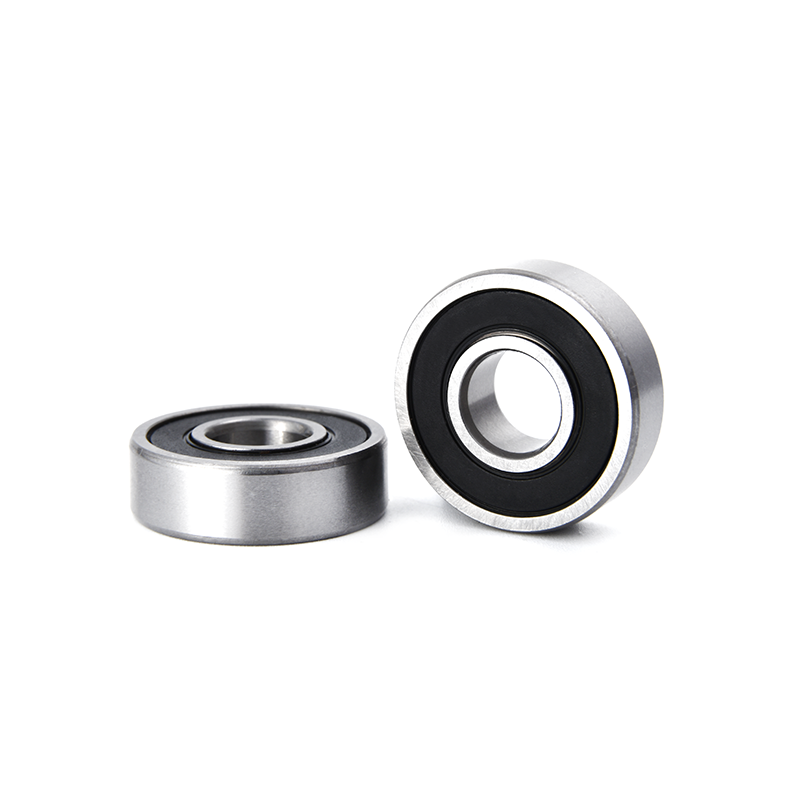
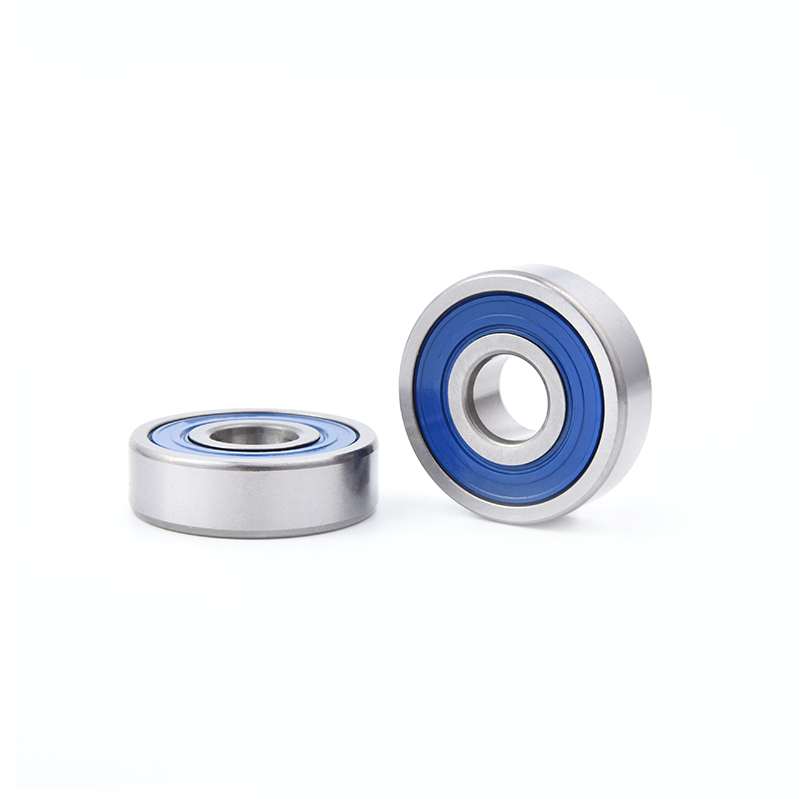
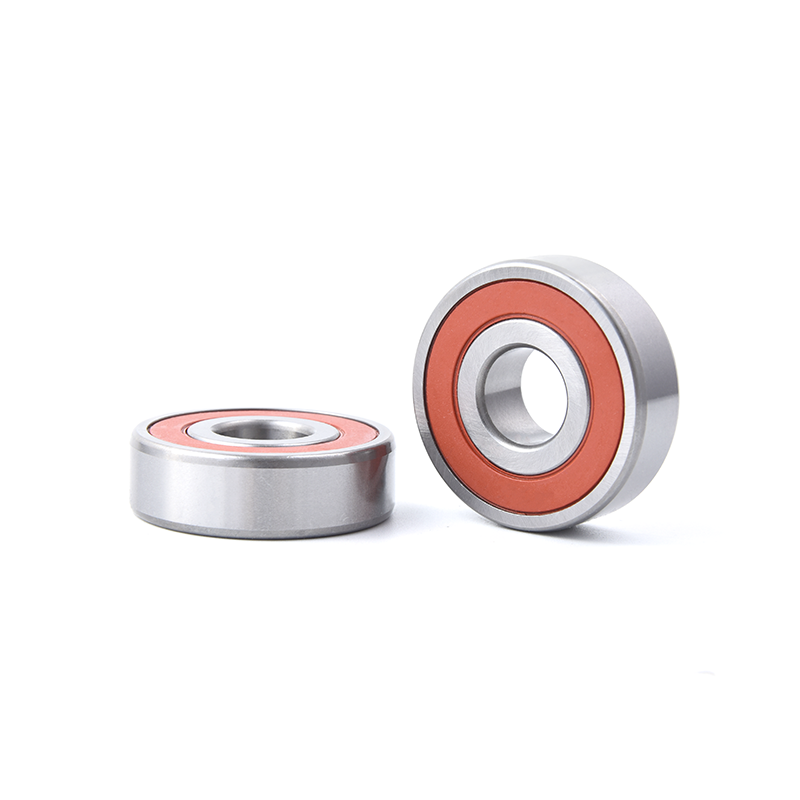
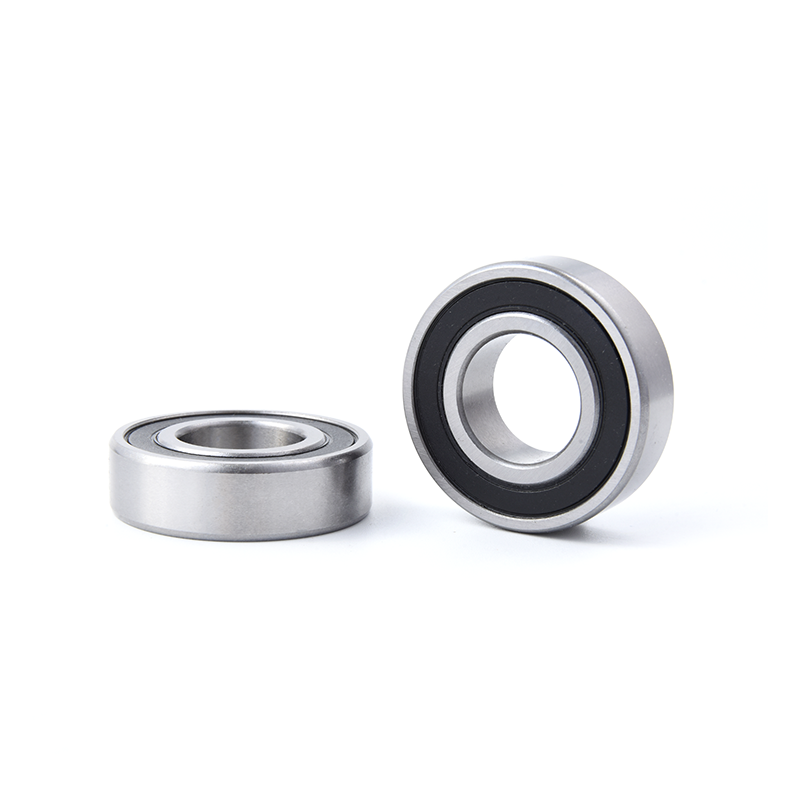
- Skateboards and inline skates: Each wheel contains two small deep-groove ball bearings, typically of the 608 size with an 8 mm bore, 22 mm outer diameter, and 7 mm width. These bearings are subject to impact loading and contamination and are rated on the ABEC scale for their precision, though real-world skateboarding performance depends more on the lubricant and seal quality than on the ABEC number alone.
- Home appliances: Washing machine drums, dryer rollers, ceiling fans, and food processor blades all ride on ball bearings that must withstand moisture, vibration, and frequent start-stop cycles over a service life that can span 15 to 20 years.
| Industry | Typical Application | Bearing Type Used | Key Requirement |
|---|---|---|---|
| Automotive | Wheel hubs | Double-row angular contact | Long life, sealed, maintenance-free |
| Industrial | Electric motor shafts | Deep-groove ball bearing | Low friction, quiet operation |
| Aerospace | Jet engine mainshaft | Angular-contact, ceramic hybrid | High temperature, high speed, ultra-reliable |
| Medical | Dental handpiece turbine | Miniature radial, ceramic | 400,000 rpm, sterilization-resistant |
| Consumer Products | Skateboard wheel | 608 deep-groove, shielded | Impact-resistant, dust protection |
Frequently Asked Questions About Ball Bearings
What is the difference between a ball bearing and a roller bearing?
Ball bearings use spherical rolling elements that make point contact with the raceways, which minimizes friction at high speeds but limits the total load capacity. Roller bearings use cylindrical, tapered, or spherical rollers that make line contact with the raceways, enabling them to carry much heavier loads but at the cost of slightly higher friction and a lower maximum speed. Ball bearings are generally selected for small-to-medium shaft sizes operating at high speeds, while roller bearings are used where load capacity is the dominant concern.
Why are ceramic ball bearings used instead of steel in some applications?
Ceramic rolling elements, typically made from silicon nitride, offer three advantages over steel: they are approximately 40% less dense, which reduces centrifugal loading at high speeds; they are harder and more wear-resistant, which extends bearing life under marginal lubrication; and they are electrically insulating, which prevents arcing damage in motor bearings subjected to stray shaft currents from variable-frequency drives. The trade-off is that ceramic bearings are more expensive and more brittle than steel, making them unsuitable for applications involving heavy shock loads.
How long do ball bearings last?
The rated fatigue life of a ball bearing is expressed using the L10 life calculation standardized in ISO 281, which defines the number of revolutions that 90% of a population of identical bearings will survive under a given load without showing signs of rolling contact fatigue. In a clean, properly lubricated application where the bearing is not overloaded, an L10 life of 20,000 to 100,000 hours is typical for industrial electric motor bearings. However, real-world bearing life is often limited by contamination, inadequate lubrication, or misalignment rather than by fatigue of the steel.
Can a ball bearing support both radial and axial loads?
Yes, the most common type—the deep-groove ball bearing—is designed to carry radial loads, axial loads, or a combination of both, because the deep raceway grooves provide a contact angle that can react to thrust forces in either direction. Angular-contact ball bearings are optimized for higher axial loads in one direction and are often installed in pairs so that the set can handle thrust in both directions simultaneously.
The question of what ball bearings are used for touches nearly every mechanical system in existence. From the tiny, whisper-quiet bearings in a laptop cooling fan to the massive, super-precision pairs in a jet engine, ball bearings provide the low-friction, high-accuracy rotational support that enables machines to operate efficiently, reliably, and for longer periods than would otherwise be possible. Their pervasive presence is a testament to the elegance and effectiveness of a simple concept: replacing sliding friction with rolling motion, perfected through more than a century of metallurgy, tribology, and precision manufacturing.



Contact Us