

 English
 中文简体
中文简体 Español
Call us
0086-574-62812860
0086-574-62811929

Our team is proud to offer on time guarantee and product guarantee to customer satisfaction.
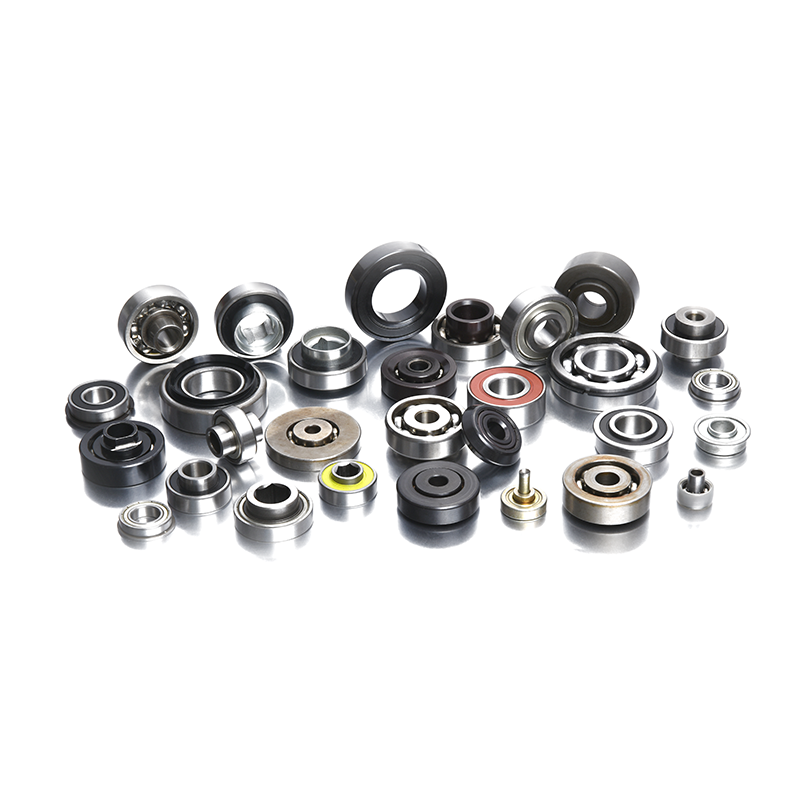
Read MoreThe Deep Groove Ball Bearing 60 Series enhances automotive performance by delivering exceptional radial and axial load handling, minimizing friction losses, extending component service life, and ensuring reliable operation across a wide range of speeds and temperatures — making it the industry's preferred bearing solution for drivetrains, electric motors, wheel hubs, and auxiliary systems.
Content
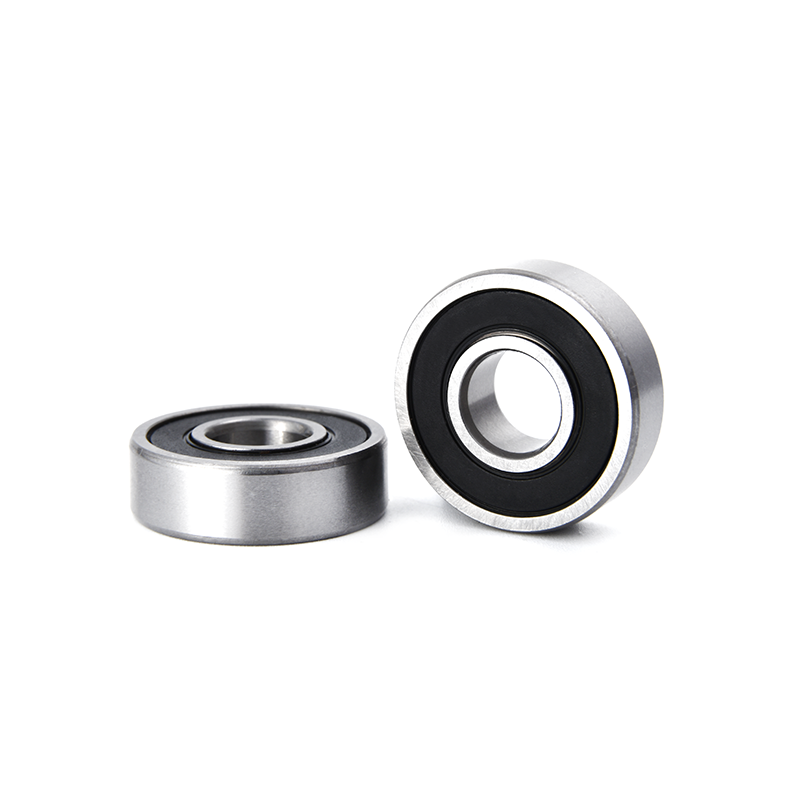
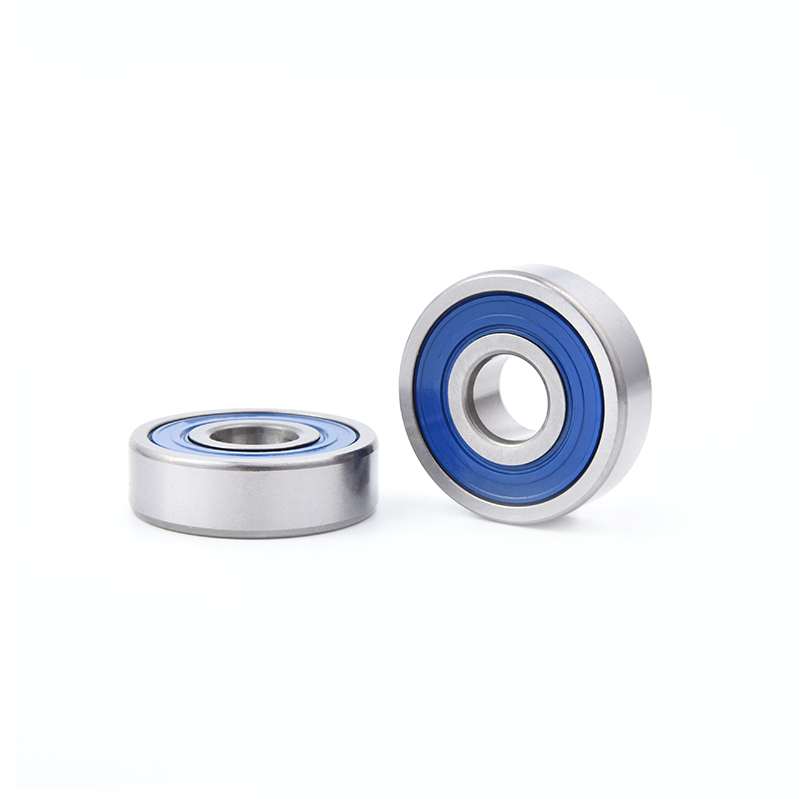
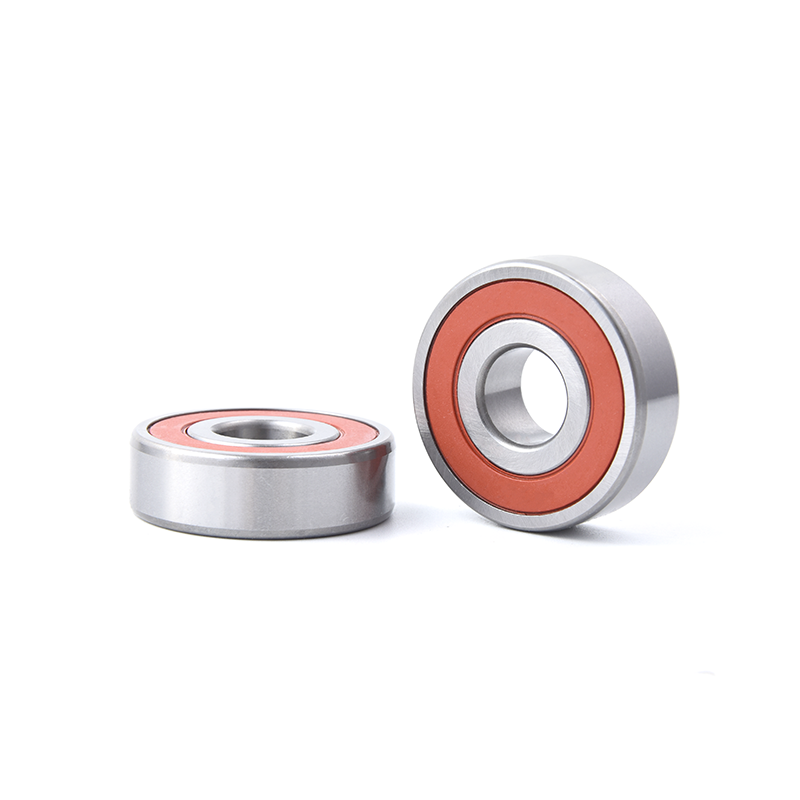
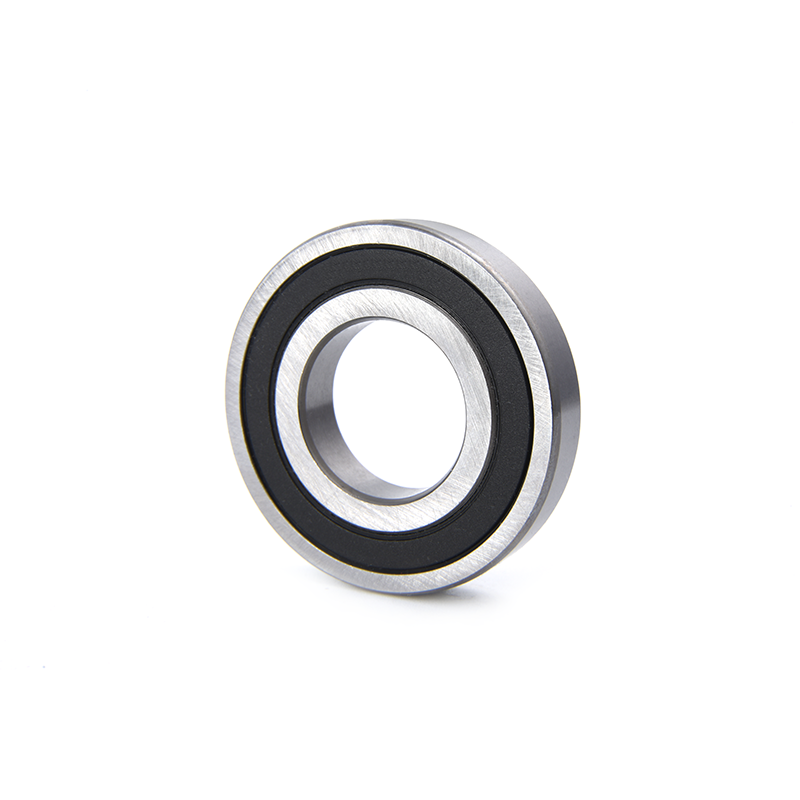
The Deep Groove Ball Bearing 60 Series is one of the most widely used bearing types in mechanical engineering, particularly in the automotive industry. Defined by their distinctive deep raceway grooves on both inner and outer rings, these bearings are designed to support both radial and axial loads in both directions simultaneously.
The "60 Series" designation refers to the bearing's dimensional series — specifically a light series with a medium bore diameter range (typically 10mm to 150mm). The most common designations in this series include 6000, 6001, 6002 through 6030, where the last two digits indicate the bore diameter code.
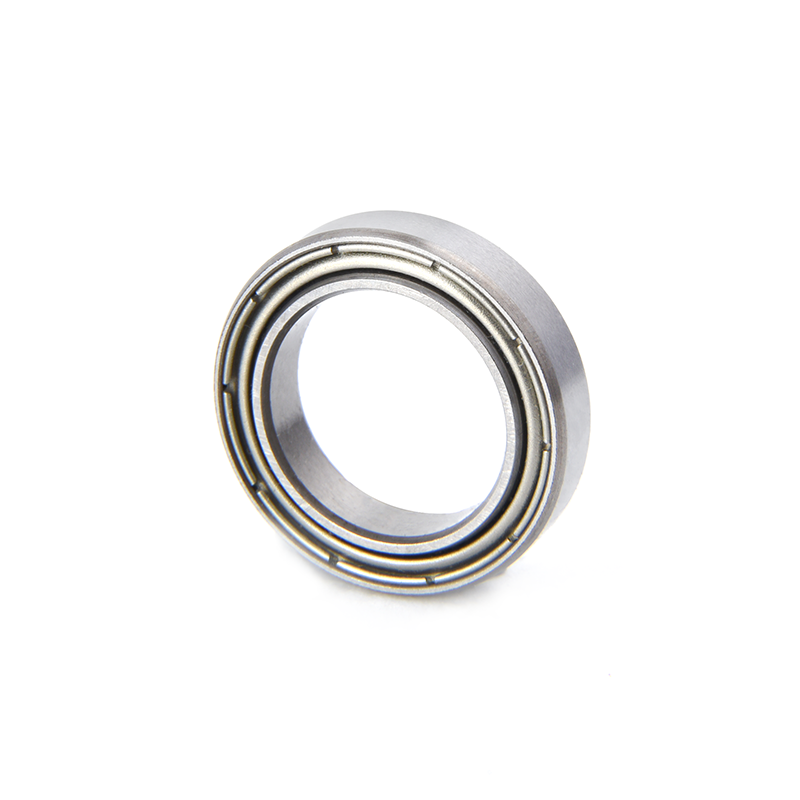
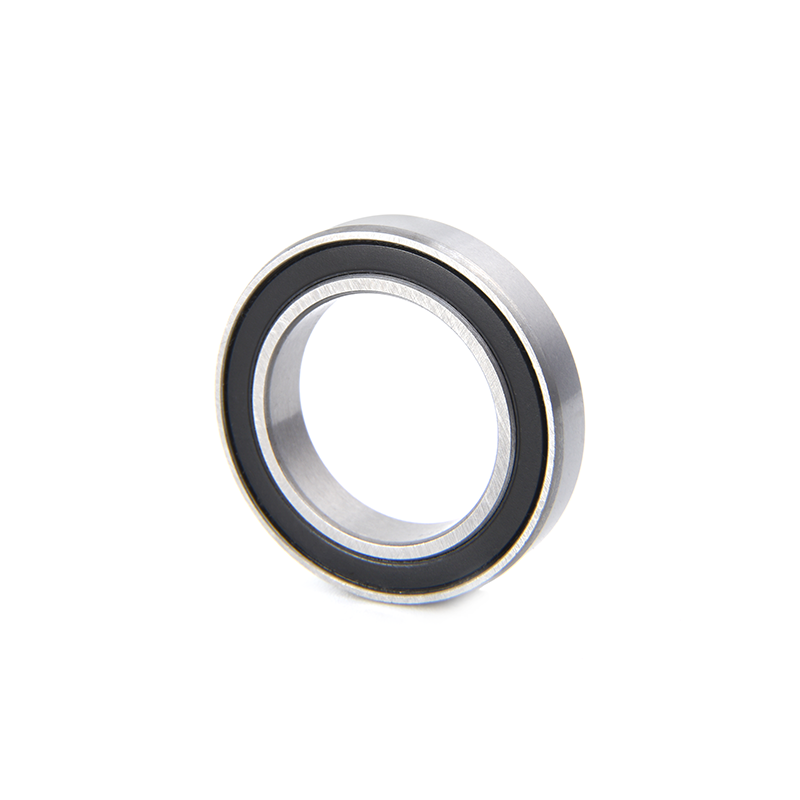
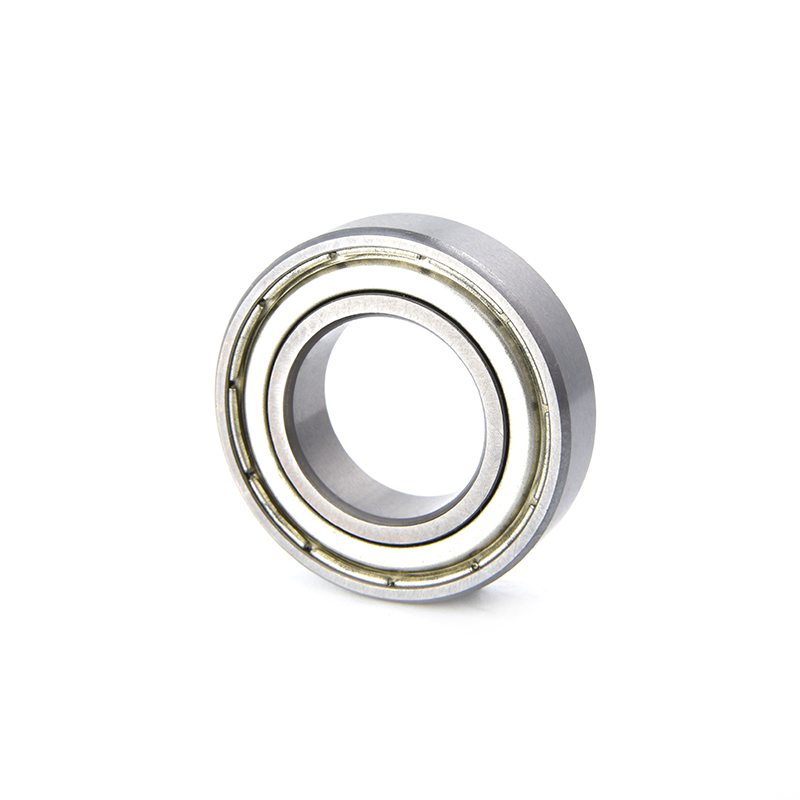
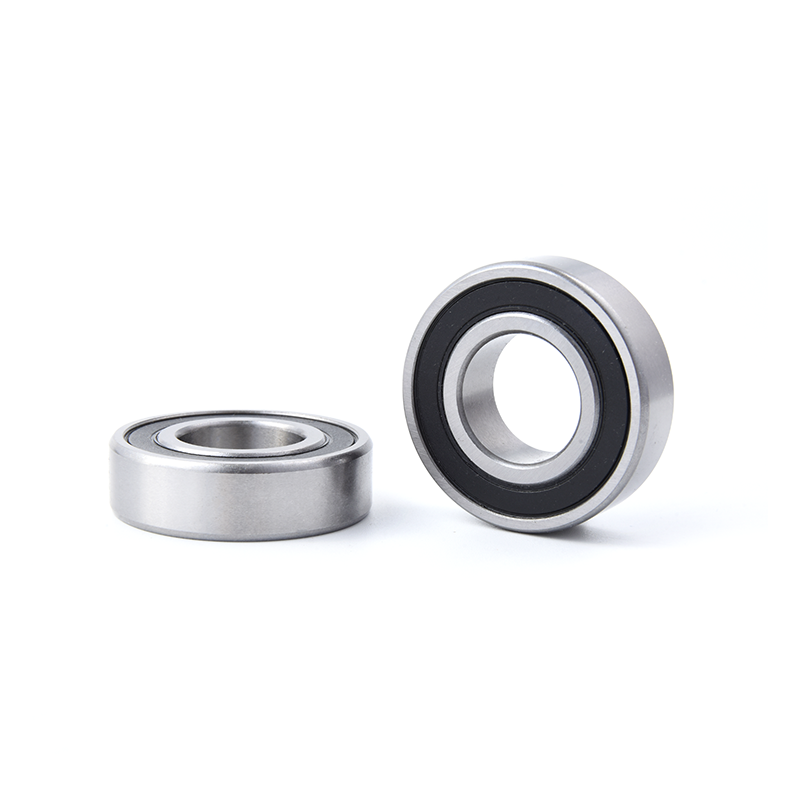
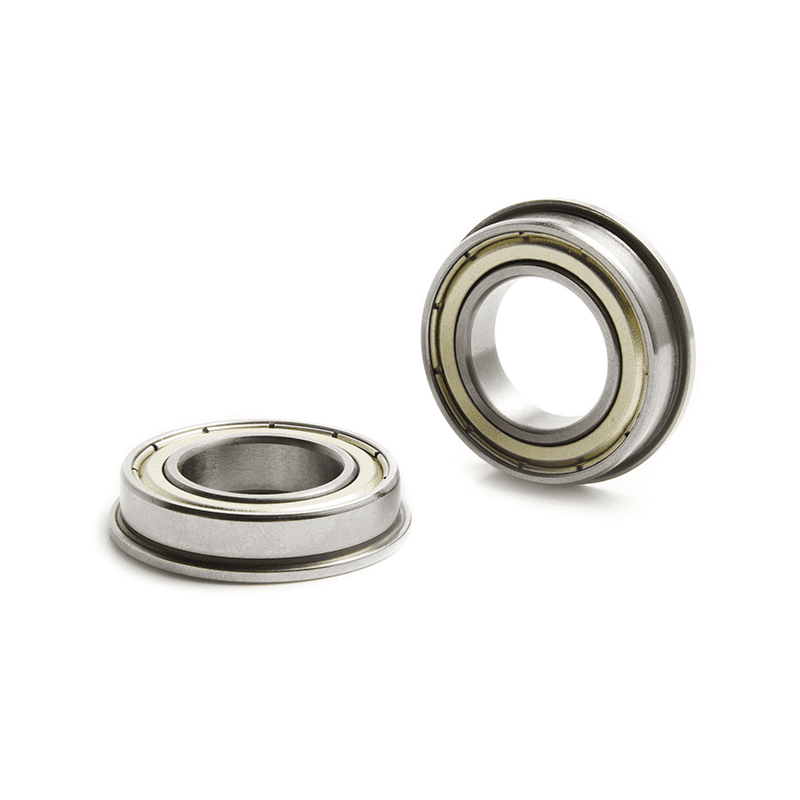
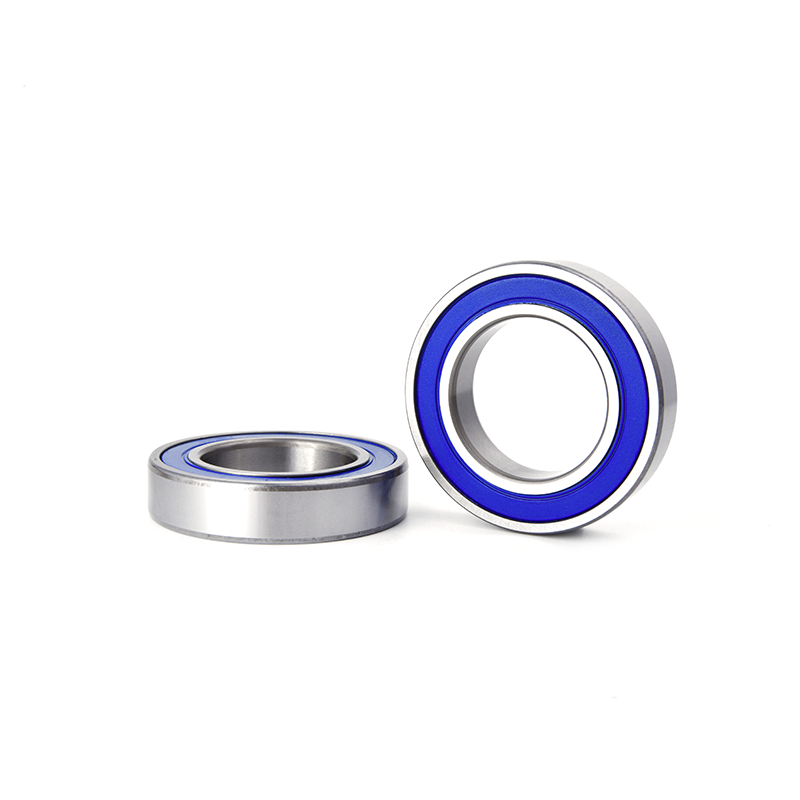
These bearings are precision-engineered components, manufactured to strict international tolerances (ISO, ABEC standards), and available in various configurations including open, shielded (ZZ), and sealed (2RS) variants to suit different automotive environments.
Understanding the technical profile of the Deep Groove Ball Bearing 60 Series helps clarify why it is so dominant in automotive applications.
| Material | Type | Application | Advantage |
| GCr15 / SUJ2 Chrome Steel | Standard | General automotive use | High hardness, cost-effective |
| 440C Stainless Steel | Corrosion-resistant | Underbody, wet environments | Rust and chemical resistance |
| Silicon Nitride (Si₃N₄) | Ceramic hybrid | EV motors, high-speed systems | Lighter, electrically insulating |
| Case-hardened steel | Heavy-duty | Gearboxes, differentials | High impact resistance |
One of the most critical contributions of the Deep Groove Ball Bearing 60 Series to automotive performance is its exceptionally low friction coefficient. The rolling-element design, combined with precision raceway geometry and advanced lubrication (typically NLGI Grade 2 or 3 lithium-based grease in sealed variants), results in a starting friction torque significantly lower than sleeve or needle-roller alternatives.
In fuel-driven vehicles, reduced bearing friction directly translates to improved fuel economy. In electric vehicles (EVs), lower friction losses extend driving range per charge cycle — a critical competitive metric. Engineering studies indicate that optimized rolling bearings in drivetrain systems can contribute to a 1–3% improvement in overall powertrain efficiency.
Modern internal combustion engines operate between 600 and 7,000+ RPM, while EV motors can exceed 20,000 RPM. The 60 Series deep groove ball bearing is rated for high limiting speeds — for example, a 6004-2RS bearing (20mm bore) can achieve limiting speeds of up to 12,000 RPM in grease-lubricated applications and over 17,000 RPM with oil lubrication.
This makes them ideal for alternators, electric power steering motors, turbocharger assemblies, and EV drive units where rotational speed is a primary design challenge.
Unlike pure radial bearings, the Deep Groove Ball Bearing 60 Series is engineered to simultaneously accommodate:
This versatility simplifies automotive design by reducing the need for separate thrust bearing arrangements, decreasing component count, saving space and weight, and reducing assembly complexity and cost.
NVH (Noise, Vibration, Harshness) is a key quality indicator in modern automotive engineering. The 60 Series deep groove ball bearing achieves low vibration levels due to:
In EV applications where engine noise is absent, bearing noise becomes even more noticeable — making high-precision 60 Series bearings critical to cabin quietness.
The table below compares the Deep Groove Ball Bearing 60 Series against other bearing types commonly found in automotive systems:
| Feature | 60 Series DGBB | Tapered Roller Bearing | Needle Roller Bearing | Angular Contact Ball Bearing |
| Radial Load Capacity | High | Very High | Very High | High |
| Axial Load Capacity | Moderate (both directions) | High (one direction) | Low | High (one direction) |
| Maximum Speed | Very High | Medium | High | Very High |
| Friction Level | Very Low | Medium | Low | Low |
| Noise Level | Very Low | Medium | Medium | Low |
| Compact Design | Excellent | Moderate | Excellent (radial space) | Good |
| Mounting Simplicity | Simple | Complex (preload required) | Moderate | Moderate |
| Cost | Low to Medium | Medium to High | Low to Medium | Medium to High |
Perhaps the fastest-growing application segment, EV traction motors demand bearings that excel at high rotational speeds (10,000–20,000+ RPM), operate quietly in the absence of engine masking noise, resist electrical fluting (current-induced pitting of raceways), and maintain dimensional stability across a wide temperature range (-40°C to +150°C). The 60 Series deep groove ball bearing — especially in hybrid ceramic variants (steel rings + Si₃N₄ balls) — meets all of these demands. Ceramic balls are electrically non-conductive, directly preventing electrical discharge damage that plagues all-steel bearings in EV applications.
Automotive alternators rely on 60 Series bearings (commonly 6203 or 6204 sizes) at both the drive and slip ring ends. These bearings must withstand belt tension radial loads, axial forces from belt misalignment, and thermal cycling from near-engine temperatures. Sealed 2RS variants with factory-filled, high-temperature grease are standard for this maintenance-free application.
Within automatic and manual transmissions, Deep Groove Ball Bearings 60 Series support gear shafts, synchronizer hubs, and intermediate shaft positions. Their ability to handle combined loading without complex preload adjustment makes them particularly valuable in these precision assemblies. Open variants lubricated by transmission fluid are common in this application.
Modern EPS systems require bearings with very low starting torque (for steering feel), minimal noise generation (audible in quiet EV cabins), and high reliability over 150,000+ km service life. Precision-class 60 Series bearings (P5 or P4 tolerance) are used in EPS motor and gear assemblies worldwide.
Cabin HVAC blowers, coolant pumps, fuel pumps, and power window motors all employ small 60 Series deep groove ball bearings (typically 6000, 6001, 6002). Their combination of low noise, self-contained sealed lubrication, and resistance to moisture ingress makes them ideal for these often-overlooked but reliability-critical components.
Selecting the right variant of the Deep Groove Ball Bearing 60 Series for a specific automotive use requires understanding suffix codes:
| Suffix | Meaning | Best Automotive Use |
| Open (no suffix) | No seals or shields | Oil-bath gearboxes, transmissions |
| ZZ / 2Z | Metal shields both sides | Moderate temperature, dust protection |
| 2RS / RS2 | Rubber contact seals both sides | Greased-for-life, wet/contaminated environments |
| C3 | Greater internal clearance | High-temperature applications (near engine) |
| P5 / P4 | High precision tolerance class | EPS motors, EV drives, precision gearboxes |
| VL0241 | Electrically insulated outer ring | EV motor shaft current protection |
The calculated service life of a Deep Groove Ball Bearing 60 Series in automotive use is expressed as L10 life — the number of operating hours at which 90% of identical bearings will still be functioning. For typical automotive conditions, L10 life of quality 60 Series bearings ranges from 50,000 to 200,000+ hours, depending on load, speed, lubrication quality, and contamination control.
Q: What is the difference between the 60 Series and the 62 Series deep groove ball bearings?
A: The 60 Series (also called the "Extra Light" series) has a smaller outer diameter and narrower width for a given bore diameter compared to the 62 Series (Medium series). The 62 Series offers higher radial load capacity but is heavier and takes more space. For applications where weight and space are at a premium (such as EV motors), the 60 Series is preferred, while the 62 Series may be chosen for higher-load applications like gearboxes.
Q: Can Deep Groove Ball Bearing 60 Series be used in both ICE and EV vehicles?
A: Yes. Standard chrome steel 60 Series bearings are used extensively in internal combustion engine (ICE) vehicles. For EV applications, hybrid ceramic variants (steel rings + ceramic balls) or electrically insulated versions are recommended to prevent current-induced raceway damage from inverter-generated shaft voltages.
Q: How do I identify if a 60 Series bearing needs replacement in a vehicle?
Replacement is indicated by: abnormal noise (grinding or humming) during operation, measurable increase in shaft runout, visible grease contamination or seal damage, discoloration of the outer ring indicating overheating, or bearing damage discovered during scheduled maintenance inspections.
Q: What grease should be used with 60 Series bearings in automotive applications?
For most automotive applications, NLGI Grade 2 or 3 lithium-complex grease with a temperature rating of -30°C to +150°C is standard. High-temperature locations (near exhaust or turbocharger) may require polyurea or perfluoropolyether (PFPE)-based greases for service above 150°C. For EV motor applications, electrically non-conductive greases are available and recommended.
Q: What precision class is recommended for electric vehicle drive motor bearings?
For EV traction motors operating above 10,000 RPM, ABEC-5 (P5) or ABEC-7 (P4) precision-class 60 Series deep groove ball bearings are recommended. These feature tighter dimensional tolerances, better form accuracy, and lower vibration levels compared to standard ABEC-3 (P6) bearings, directly contributing to quieter operation and longer motor service life.
Q: Are 60 Series bearings interchangeable across different manufacturers?
Dimensionally, yes — the 60 Series deep groove ball bearing is produced to ISO 15 (dimensions) and ISO 492 (tolerances) standards, ensuring interchangeability of boundary dimensions worldwide. However, internal design details (raceway geometry, ball complement, cage design, grease type) vary by manufacturer and affect performance characteristics. For critical automotive applications, it is advisable to qualify replacement bearings through testing rather than assuming equivalence.
The Deep Groove Ball Bearing 60 Series represents the optimal convergence of compact design, high-speed capability, combined load handling, and manufacturing cost efficiency that the automotive industry demands. From the alternator on a conventional gasoline engine to the high-speed traction motor of a next-generation EV, these bearings are present at virtually every rotating interface in modern vehicle design.
As vehicle powertrains continue to evolve — with electrification, higher power densities, and more stringent NVH requirements — the 60 Series deep groove ball bearing continues to evolve alongside them through advances in materials (ceramic hybrids, advanced polymer cages), surface engineering (coatings for corrosion and current resistance), and precision manufacturing (tighter tolerances, lower noise floors).
For automotive engineers, procurement specialists, and maintenance professionals, understanding the performance characteristics, variants, and application considerations of the Deep Groove Ball Bearing 60 Series is essential knowledge for designing, building, and maintaining vehicles that are efficient, reliable, and refined.

0086-574-62812860
0086-574-62811929


West of Zhangting Industrial Zone, Yuyao, Ningbo City, Zhejiang Province, 315411, China
On weekdays, we will reply to you or call us within 12 hours of receiving the inquiry.

Contact Us