


 English
 中文简体
中文简体 Español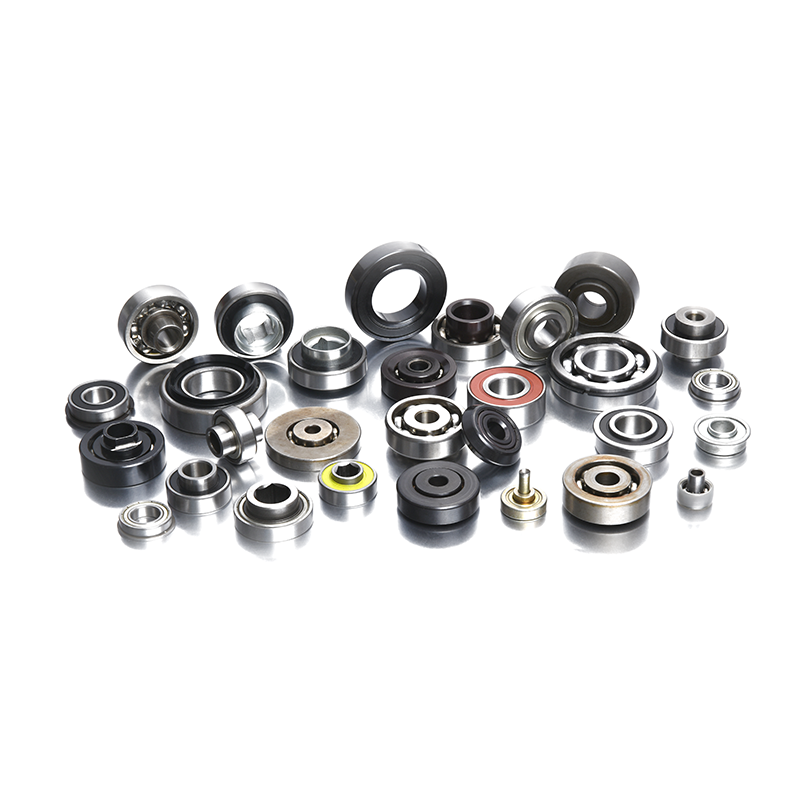
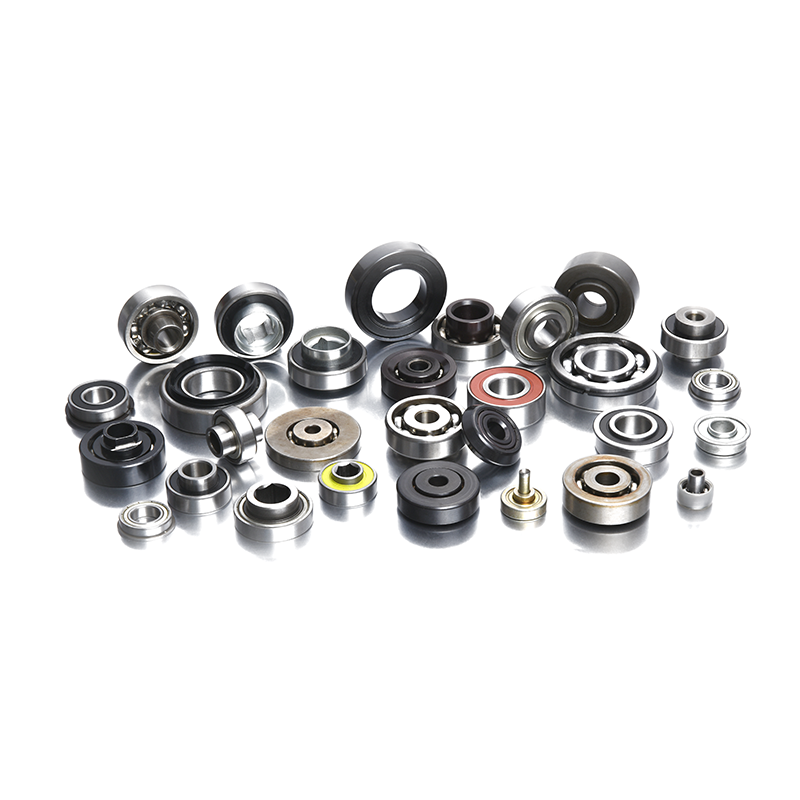
The 608 bearing has a standardized inner diameter of 8 mm, an outer diameter of 22 mm, and a width of 7 mm — making it one of the most widely used miniature deep groove ball bearings in the world. From inline skate wheels and fidget spinners to precision CNC equipment and electric motors, the 608 bearing's compact dimensions and high radial load capacity make it a universal component across industries. This guide covers every dimension, tolerance class, variant, and application consideration you need to know before specifying or sourcing a 608 bearing.
Content
- 608 Bearing Dimensions: The Core Specifications
- 608 Bearing Tolerance Classes Explained
- 608 Bearing Variants: Seals, Shields, and Suffix Codes
- Load Ratings and Speed Limits for 608 Bearings
- 608 vs. Similar Bearing Sizes: How Does It Compare?
- 608 Bearing Applications Across Industries
- Shaft and Housing Fit Recommendations for 608 Bearings
- Frequently Asked Questions About 608 Bearing Dimensions
- Q1: What are the exact 608 bearing dimensions?
- Q2: Is a 608 bearing the same as an 8×22×7 bearing?
- Q3: What is the difference between 608Z and 608ZZ?
- Q4: Can I replace a 608 bearing with a 6000 bearing?
- Q5: How do I know if a 608 bearing is worn out?
- Q6: What lubricant should I use in an open 608 bearing?
- Summary: Key Takeaways on 608 Bearing Dimensions and Selection
608 Bearing Dimensions: The Core Specifications
The 608 bearing conforms to ISO 15 standards and its three defining dimensions — 8 mm bore, 22 mm outer diameter, and 7 mm width — are consistent across all manufacturers worldwide. These standardized 608 bearing dimensions ensure interchangeability between suppliers, which is one reason this bearing has become so prevalent in both consumer and industrial products.
The designation "608" follows the standard deep groove ball bearing numbering system: the "6" indicates the bearing series (single-row deep groove), "0" indicates the width series, and "8" indicates the bore code, which corresponds to an 8 mm inner diameter. Understanding this designation system helps engineers quickly decode the dimensions of any 6xx-series bearing without consulting a catalog.
| Dimension Parameter | Value | ISO Symbol | Notes |
| Inner Diameter (Bore) | 8 mm | d | Shaft fit surface |
| Outer Diameter | 22 mm | D | Housing fit surface |
| Width | 7 mm | B | Axial span |
| Corner Radius (max) | 0.3 mm | rs min | Shaft/housing chamfer |
| Ball Diameter (typical) | ~3.969 mm | Dw | 7 balls standard |
| Pitch Circle Diameter | ~15.0 mm | Dpw | Ball center circle |
Table 1: Standard 608 bearing dimensions and geometry parameters per ISO 15 / DIN 625 specifications.
608 Bearing Tolerance Classes Explained
While all 608 bearings share the same nominal dimensions, tolerance classes determine the actual precision of each bearing — and choosing the wrong class can result in excess vibration, premature wear, or failed assemblies. The ISO system defines six tolerance classes for radial ball bearings, designated from Normal (the standard grade) through P6, P5, P4, P2, and SP/UP for ultra-precision spindle applications.
For most consumer and light industrial applications — inline skates, scooters, 3D printers, power tools — the Normal (PN) tolerance class is entirely sufficient. High-speed motors, precision instruments, and CNC spindles typically require P5 or P4 class, which have tighter bore and outer diameter tolerances (typically ±2–3 µm versus ±8 µm for Normal class).
| Tolerance Class | ISO Designation | Bore Tolerance (d) | OD Tolerance (D) | Typical Application |
| Normal (PN) | ISO Class 0 | 0 / –8 µm | 0 / –8 µm | Skates, general machinery |
| P6 | ISO Class 6 | 0 / –7 µm | 0 / –7 µm | Power tools, pumps |
| P5 | ISO Class 5 | 0 / –5 µm | 0 / –5 µm | Electric motors, CNC |
| P4 | ISO Class 4 | 0 / –4 µm | 0 / –4 µm | Precision instruments |
| P2 | ISO Class 2 | 0 / –2.5 µm | 0 / –2.5 µm | Spindles, gyroscopes |
Table 2: ISO tolerance classes for 608 bearings and their dimensional accuracy ranges for bore and outer diameter.
608 Bearing Variants: Seals, Shields, and Suffix Codes
The 608 bearing is available in open, shielded, and sealed variants — and understanding the suffix code printed on each bearing is essential for selecting the correct lubrication and contamination protection for your application.
The base designation 608 refers to the open (unshielded) version with no seals or shields on either side. Additional letters appended to the designation describe the closure type:
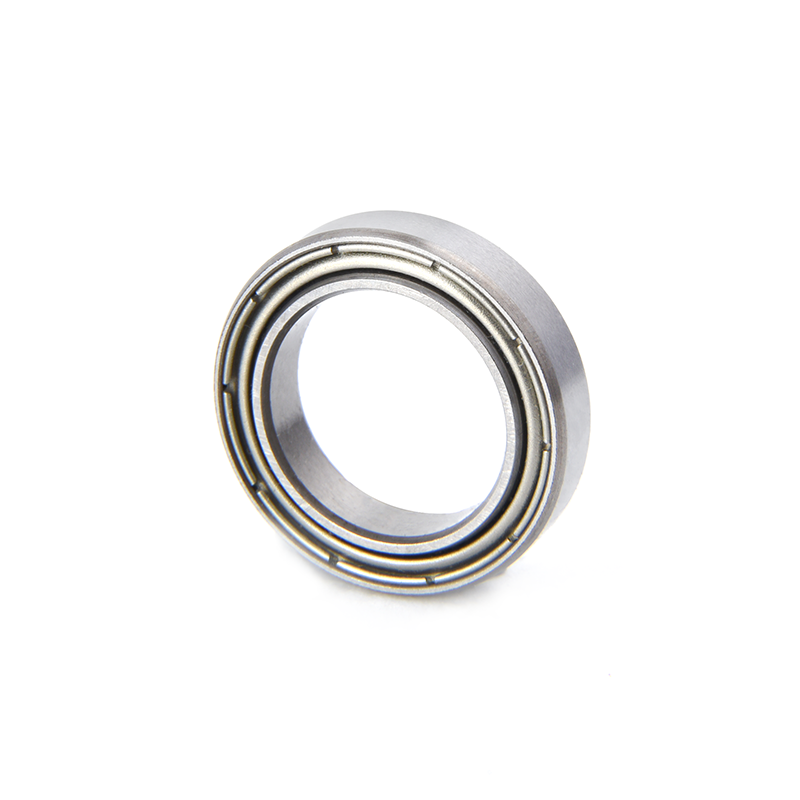
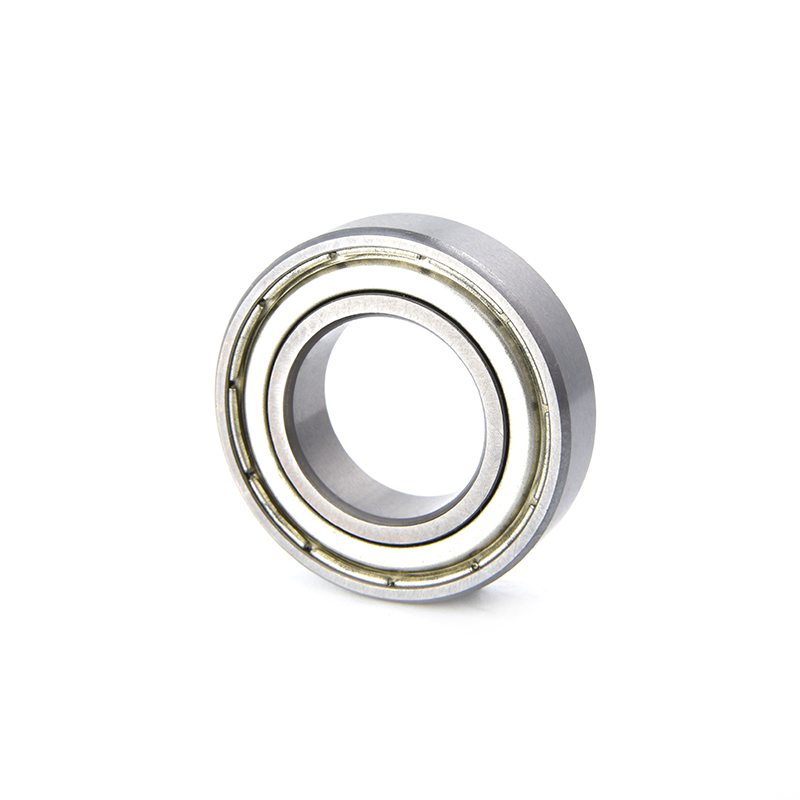
- 608-Z / 608ZZ: One or both sides fitted with a metal shield. The shield is pressed into a groove on the outer ring and does not contact the inner ring, creating a non-contact labyrinth gap. This provides basic protection against coarse contamination without adding significant friction. Suitable for dry, moderately clean environments.
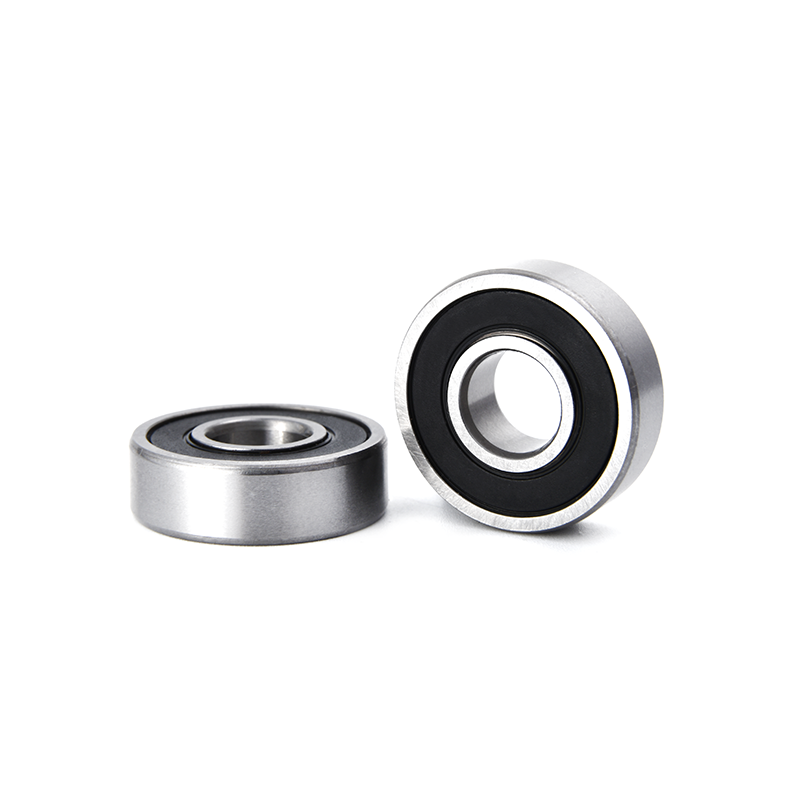
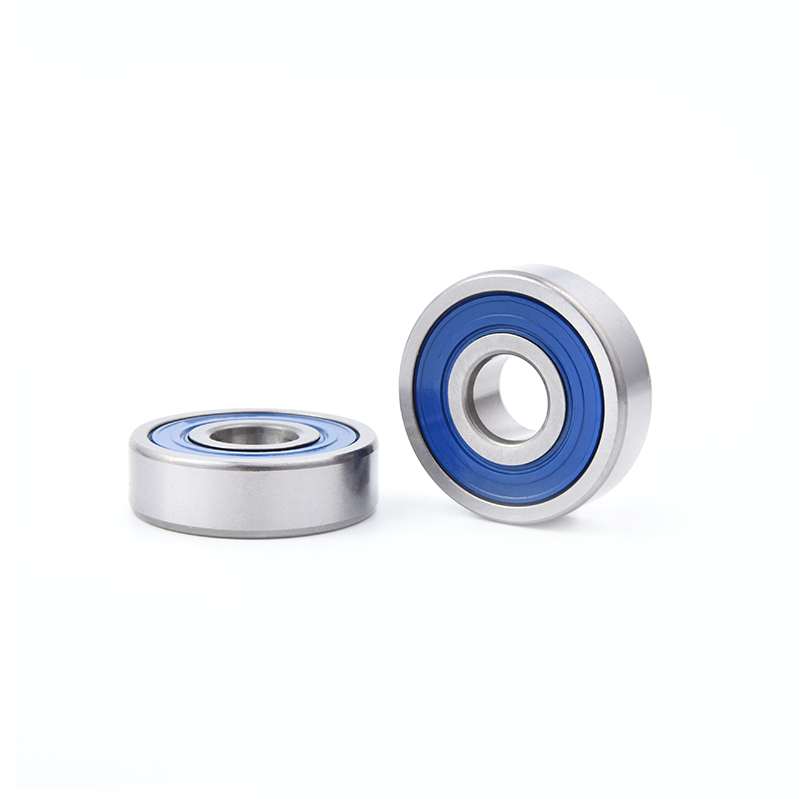
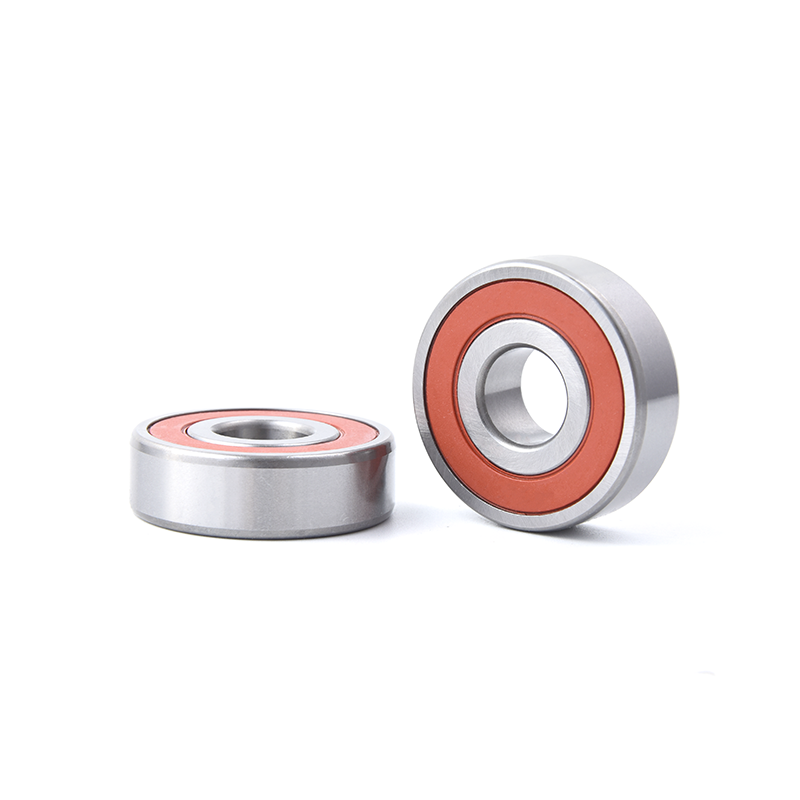
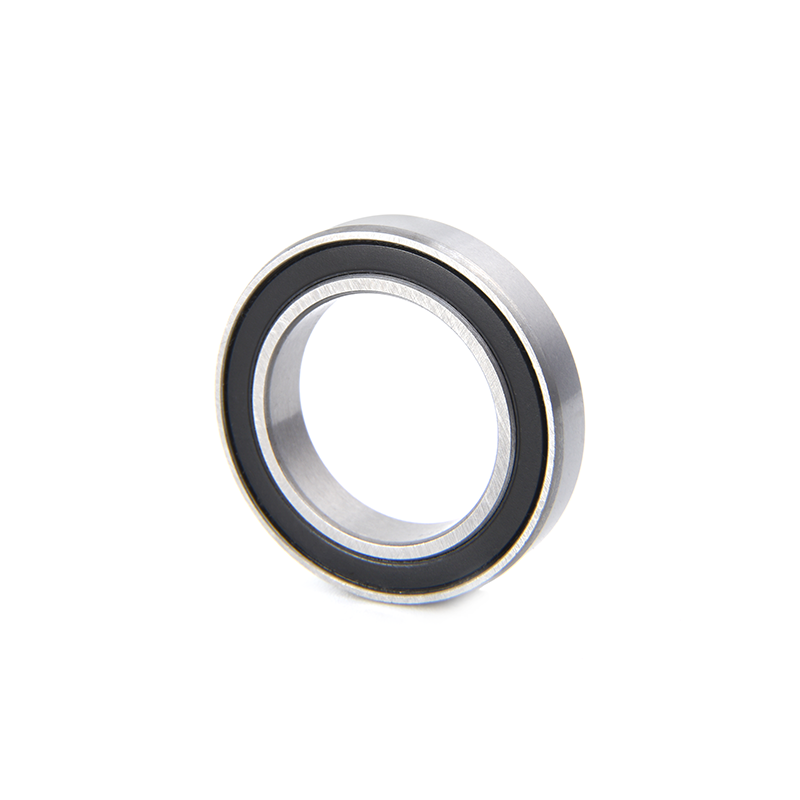
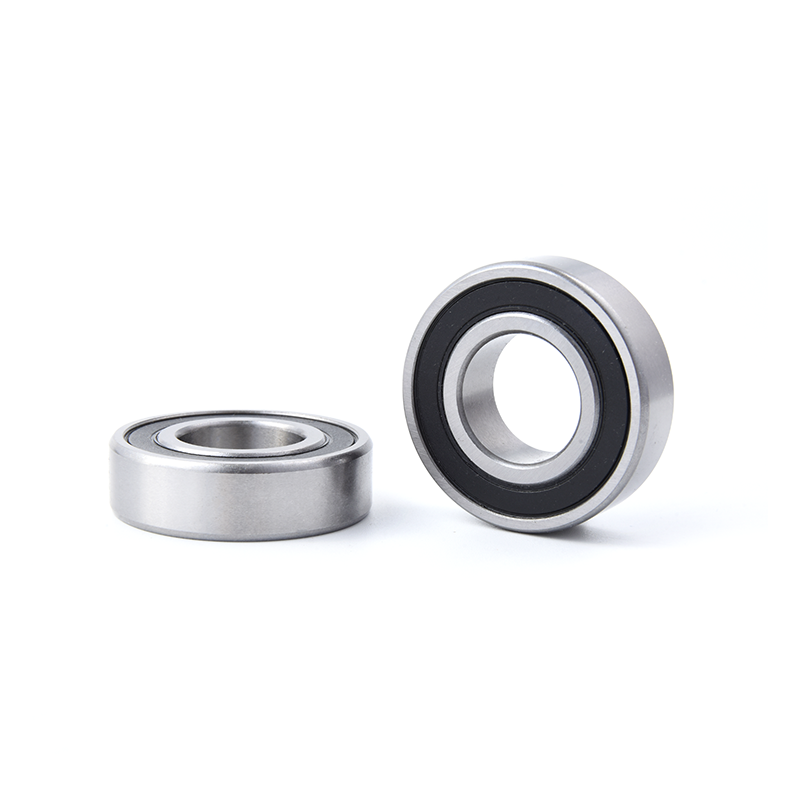
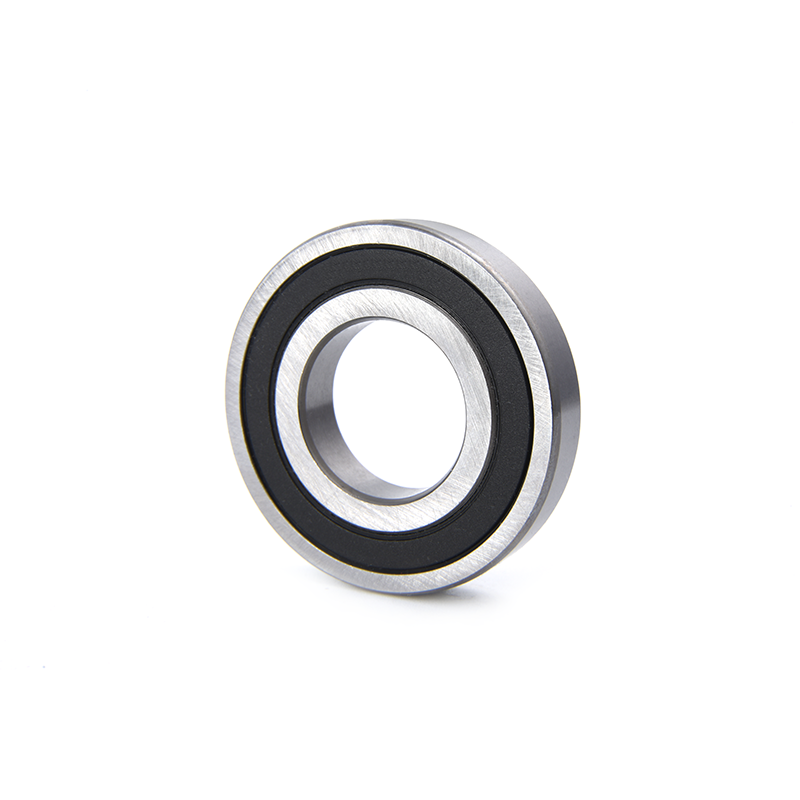
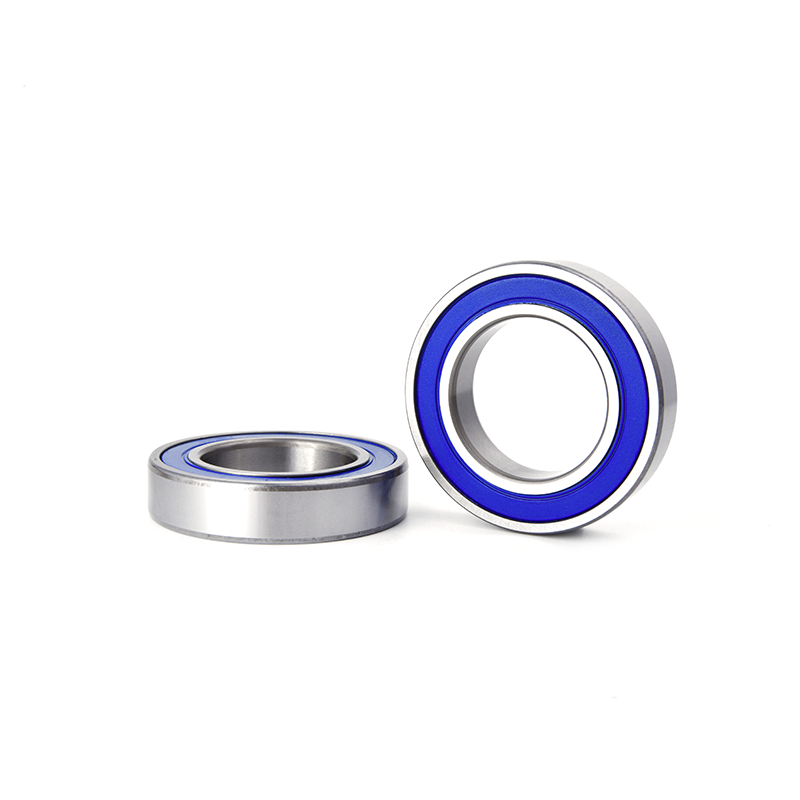
- 608-RS / 608-2RS: One or both sides fitted with a rubber contact seal. The seal lip contacts the inner ring, providing superior protection against dust, moisture, and contamination. Slightly higher friction than shielded versions due to contact. Ideal for outdoor, humid, or dusty environments such as skateboard wheels, conveyor systems, and garden equipment.
- 608-RZ / 608-2RZ: One or both sides fitted with a non-contact rubber seal. Combines the low friction advantage of a shield with better contamination exclusion than a metal shield alone. Used in applications requiring low torque and moderate sealing.
- 608-VV / 608-2VV: Variant designation used by some manufacturers for non-contact rubber shields. Functionally equivalent to RZ in most cases — always verify with the specific manufacturer's catalog.
Lubrication Suffix Codes
Factory lubrication is indicated by additional suffix characters and directly affects the bearing's operating temperature range and speed capability.
- No suffix (or "open"): No lubricant applied; user must lubricate before installation.
- -C3: Internal clearance greater than Normal (CN). Used when the bearing will experience significant temperature rise in operation. Common in motor applications where the inner ring heats faster than the outer ring.
- -HTF / -HT51: High-temperature grease fill; extends operating range to approximately 150°C–180°C continuous.
- -W6 / -W25: Stainless steel balls and rings. Used in corrosive or food-grade environments. Note: the 608 bearing dimensions remain identical — only the material changes.
Load Ratings and Speed Limits for 608 Bearings
Despite its small size, the 608 bearing has a dynamic load rating of approximately 3.25 kN and a static load rating of approximately 1.37 kN — figures that make it capable of handling the demands of most light-to-medium duty applications.
Load ratings are defined under ISO 281 and assume a basic rating life (L10) of one million revolutions. In real-world applications, bearing life varies significantly with speed, lubrication quality, contamination level, and installation precision. Under light loads (typical in consumer skateboard or scooter applications), a quality 608 bearing can realistically exceed 50 million revolutions before significant fatigue wear appears.
| Performance Parameter | 608 Open / Shielded | 608-2RS (Sealed) |
| Dynamic Load Rating (C) | 3.25 kN | 3.25 kN |
| Static Load Rating (C₀) | 1.37 kN | 1.37 kN |
| Reference Speed (grease) | 32,000 rpm | 26,000 rpm |
| Reference Speed (oil) | 40,000 rpm | N/A (sealed) |
| Operating Temp. (std. grease) | –20°C to +120°C | –20°C to +110°C |
| Mass (approx.) | ~13 g | ~14 g |
Table 3: Load ratings, speed limits, and operating parameters for standard 608 open/shielded and 608-2RS sealed bearings.
608 vs. Similar Bearing Sizes: How Does It Compare?
The 608 bearing is frequently compared to neighboring sizes in the 6-series — particularly the 606, 607, 609, and 6000 — and understanding the dimensional differences helps avoid costly specification errors.
| Bearing No. | Bore (d) | OD (D) | Width (B) | Dynamic C (kN) |
| 606 | 6 mm | 17 mm | 6 mm | 1.68 |
| 607 | 7 mm | 19 mm | 6 mm | 2.31 |
| 608 | 8 mm | 22 mm | 7 mm | 3.25 |
| 609 | 9 mm | 24 mm | 7 mm | 3.45 |
| 6000 | 10 mm | 26 mm | 8 mm | 4.62 |
| 6001 | 12 mm | 28 mm | 8 mm | 5.10 |
Table 4: Dimensional comparison of 608 bearing against neighboring 6-series miniature ball bearings. The 608 row is highlighted for reference.
A common mistake when replacing bearings is confusing the 608 (8×22×7 mm) with the 6000 (10×26×8 mm). While both are widely stocked and look similar to the naked eye, they are not interchangeable — a 6000 bearing will not fit an 8 mm shaft. Always measure the shaft diameter with a micrometer before ordering replacements.
608 Bearing Applications Across Industries
The 608 bearing's compact 8×22×7 mm profile and high radial load capacity for its size make it one of the most versatile miniature bearings in current production, used across at least a dozen major industry segments.
Consumer and Sporting Goods
The 608-2RS and 608-ZZ are the standard bearing specification for inline skate wheels, standard skateboards, and kick scooters worldwide. The Inline Skate industry alone consumes hundreds of millions of 608 bearings annually. Most inline skate wheels use the 608-2RS (rubber sealed) variant because the sealed design retains lubricant under outdoor conditions and resists water and debris intrusion. Fidget spinners, though no longer at peak popularity, also drove an enormous surge in 608 bearing consumption between 2016 and 2018.
3D Printing and Maker Applications
The 608 bearing is one of the most specified components in desktop FDM 3D printers, appearing in extruder idler pulleys, belt tensioners, and axis rod supports. Its 8 mm bore fits standard M8 hardware and smooth 8 mm steel rods, which are common in cartesian printer frames. Open 608 bearings are often preferred in printer applications because users can re-lubricate them with low-viscosity oils for smoother filament feeding.
Power Tools and Hand Tools
Small electric drills, sanders, grinders, and rotary tools frequently use 608-Z or 608-ZZ bearings in their motor shaft and gearhead assemblies. The shielded (rather than sealed) variant is common in power tools because the metal shield tolerates the higher temperatures generated by motor operation better than rubber seals, which can deform above approximately 110°C sustained temperatures.
Robotics and Automation
In small servo-driven joints, gripper mechanisms, and stepper motor-driven lead screw assemblies, the 608 bearing is frequently specified due to its precise dimensions and wide availability of high-tolerance variants. P5-class 608 bearings are used in applications requiring repeatable positioning, where runout and bore tolerance must be held within ±5 µm to ensure consistent performance across multiple actuation cycles.
Medical Devices and Instruments
Stainless steel 608 variants (608-2RS-W6 or equivalent) are used in medical-grade pumps, centrifuges, and laboratory instruments where corrosion resistance and cleanability are essential. These variants maintain identical 608 bearing dimensions but use AISI 440C stainless steel rings and balls, which resist attack from cleaning agents, saline solutions, and sterilization processes.
Shaft and Housing Fit Recommendations for 608 Bearings
Correct shaft and housing fit is critical for achieving the rated life of a 608 bearing — an improperly fitted bearing can fail in as little as 10% of its theoretical service life.
For the 608's 8 mm bore, a j5 or k5 shaft fit (light interference to transition fit) is recommended for rotating inner ring applications such as wheels and pulleys. This prevents inner ring creep — a failure mode where the ring rotates on the shaft, causing rapid fretting wear. For the 22 mm outer diameter, a H7 housing fit (close running/transition) is standard for rotating shaft applications where the housing is stationary.
In applications where the bearing must be easily removed for maintenance (such as skateboard wheels, where users regularly clean and re-lubricate bearings), a slightly looser h6 shaft fit is sometimes used to allow hand-press installation and removal. However, this should only be done in low-speed, low-load applications where creep risk is minimal.
Frequently Asked Questions About 608 Bearing Dimensions
Q1: What are the exact 608 bearing dimensions?
The standard 608 bearing measures 8 mm inner diameter × 22 mm outer diameter × 7 mm width. These dimensions are governed by ISO 15 and are consistent across all manufacturers. The corner radius is 0.3 mm minimum, and the standard ball complement is 7 balls of approximately 3.969 mm diameter.
Q2: Is a 608 bearing the same as an 8×22×7 bearing?
Yes — "8×22×7 bearing" is the dimensional description of the 608 and is used interchangeably in many supplier catalogs and aftermarket parts listings. However, when sourcing, always confirm both the dimension and the ISO series designation (608) to ensure you receive a deep groove ball bearing, not a different bearing type that happens to share the same envelope dimensions.
Q3: What is the difference between 608Z and 608ZZ?
608Z has a metal shield on one side only, while 608ZZ (also written 608-2Z) has metal shields on both sides. The ZZ variant provides protection on both faces of the bearing, making it more suitable for environments with contamination risk from both axial directions. In most consumer applications, 608ZZ is the standard shielded variant. The 608 bearing dimensions are identical for both — the shield adds no measurable dimension to the width.
Q4: Can I replace a 608 bearing with a 6000 bearing?
No — a 6000 bearing has a 10 mm bore versus the 608's 8 mm bore, and an outer diameter of 26 mm versus 22 mm, making them mechanically incompatible. Attempting to install a 6000 in a 608 application will either leave a 2 mm gap on the shaft (causing misalignment and vibration) or fail to seat in the housing entirely. Always verify the three key dimensions — bore, OD, and width — before substituting bearing sizes.
Q5: How do I know if a 608 bearing is worn out?
A worn 608 bearing typically exhibits audible grinding, clicking, or roughness when spun by hand, visible radial play exceeding 0.02–0.05 mm, or visible rust, pitting, or spalling on the race surfaces. For precision applications, a dial indicator test measuring radial runout is more reliable than tactile inspection. If runout exceeds 0.01 mm in a P5-class application, the bearing should be replaced regardless of visible condition.
Q6: What lubricant should I use in an open 608 bearing?
For most applications, a NLGI Grade 2 lithium-complex grease applied sparingly (filling approximately 25–35% of the bearing's free volume) is the recommended lubricant for open 608 bearings. For high-speed applications above 15,000 rpm, a low-viscosity oil lubricant (ISO VG 22–46) reduces churning losses and heat generation. For skateboard and scooter applications where users want maximum speed with clean bearings, a light machine oil or dedicated bearing oil applied as 1–2 drops per bearing is common practice.
Summary: Key Takeaways on 608 Bearing Dimensions and Selection
The 608 bearing's standardized 8×22×7 mm dimensions, combined with its high availability, broad variant range, and proven performance across dozens of applications, make it the most practical choice whenever an 8 mm bore deep groove ball bearing is required.
- Always specify the full suffix code (e.g., 608-2RS, 608-ZZ, 608-C3) — the base dimensions are the same, but seal type, clearance, and material can vary significantly.
- Match tolerance class to application precision: Normal (PN) for general use; P5 or P4 for precision motors and CNC spindles.
- Verify shaft and housing fit before installation — a k5 shaft fit for rotating inner ring applications prevents costly inner ring creep failures.
- Do not confuse 608 with 6000 — they differ in bore (8 mm vs. 10 mm), OD (22 mm vs. 26 mm), and width (7 mm vs. 8 mm) and are not interchangeable.
- For corrosive environments, specify stainless steel variants (608-2RS-W6 or equivalent) to maintain the same 608 bearing dimensions while gaining superior chemical resistance.
Whether you are designing a new product, replacing a failed component, or sourcing bearings for high-volume production, understanding the full specification landscape of 608 bearing dimensions ensures you select the right variant, achieve the expected service life, and avoid costly misapplication errors.



Contact Us