

 English
 中文简体
中文简体 Español
Call us
0086-574-62812860
0086-574-62811929

Our team is proud to offer on time guarantee and product guarantee to customer satisfaction.
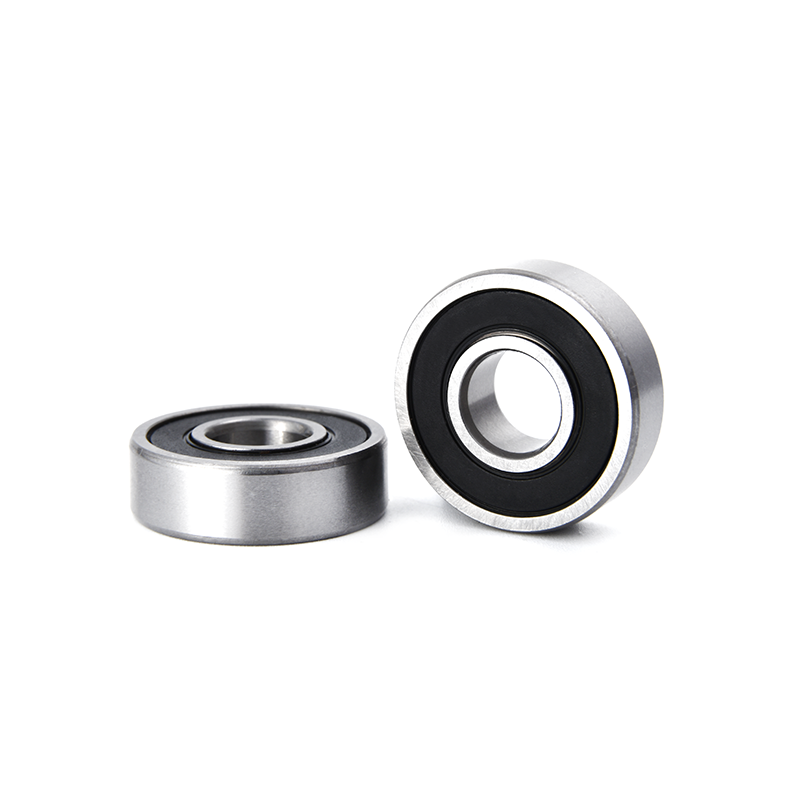
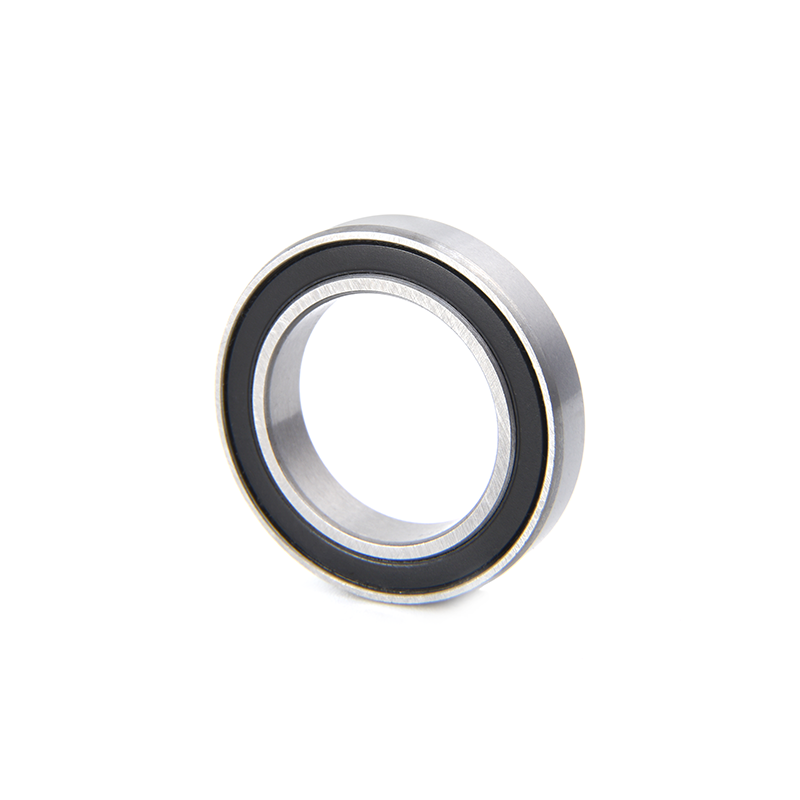
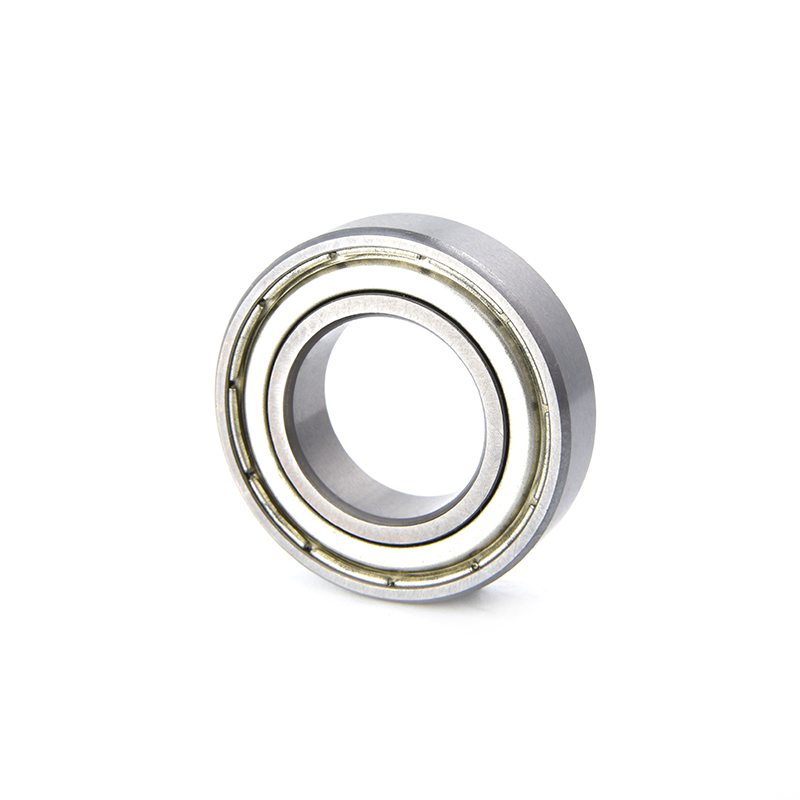
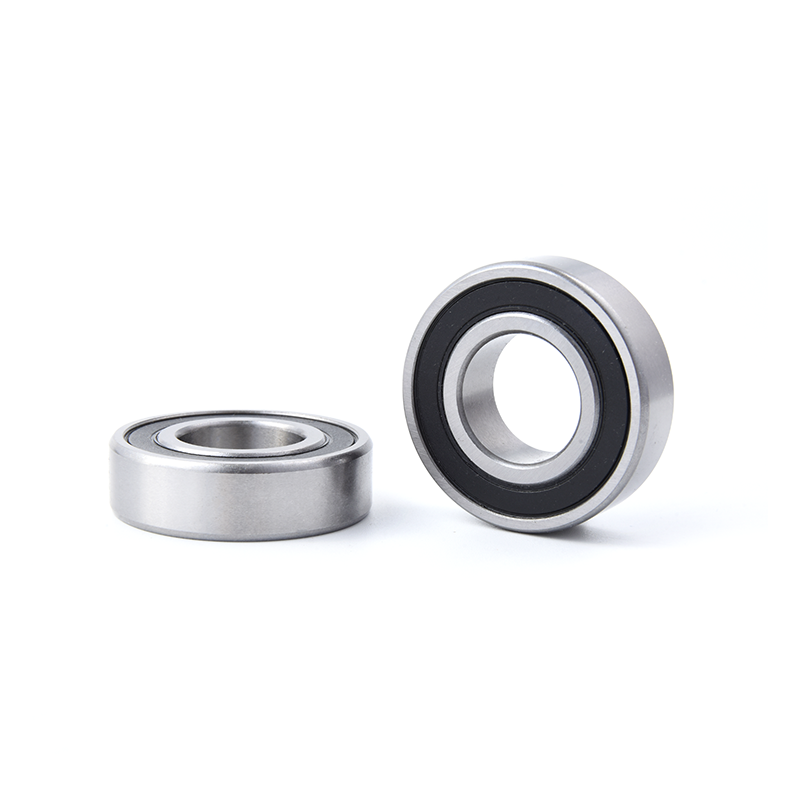
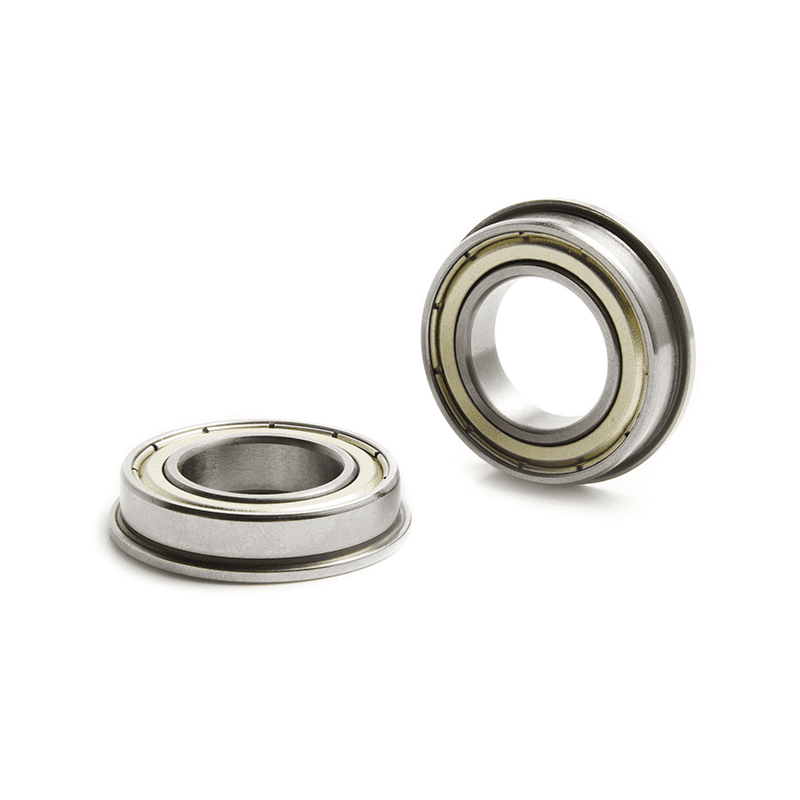
Read MoreThe 6202 bearing is the primary choice for high-speed, low-friction applications because it offers an optimal balance between a compact 15mm bore size and a robust dynamic load rating of approximately 7.8 kN. As a member of the deep groove ball bearing family, its ability to handle both radial and axial loads makes it indispensable in everything from household appliances to automotive alternators. Its standardized dimensions ensure global interchangeability, reducing maintenance downtime across various industries.
Content
The fundamental dimensions of a standard 6202 bearing are a 15mm bore, a 35mm outer diameter, and an 11mm width. These precise measurements are governed by ISO standards, ensuring that any 6202 bearing produced globally will fit the same housing and shaft requirements. The "62" series designation indicates it is a light-series bearing, which provides a larger ball size than the 60 series, offering higher load capacities without the excessive bulk of the 63 series.
| Feature | Metric Measurement |
| Bore Diameter (d) | 15 mm |
| Outer Diameter (D) | 35 mm |
| Width (B) | 11 mm |
| Dynamic Load Rating (Cr) | 7.8 kN (approx.) |
| Static Load Rating (Cor) | 3.75 kN (approx.) |
| Reference Speed (Grease) | 15,000 - 17,000 RPM |
Table 1: Technical dimensional profile and load characteristics of a standard 6202 bearing.
The deep groove geometry of the 6202 bearing allows it to support significant radial loads while simultaneously accommodating moderate axial loads in both directions. This versatility stems from the raceway's curvature, which is designed to be slightly larger than the radius of the balls. This design minimizes friction, which in turn reduces heat generation during high-speed operation, extending the overall lifespan of the 6202 bearing and the machinery it supports.
Low torque and high-speed capability are the direct results of the refined internal clearance and surface finish of the 6202 bearing. Because the balls have a single point of contact with the raceway under light loads, the rolling resistance is remarkably low. For instance, in electric motors where efficiency is measured by power loss, using a high-quality 6202 bearing can reduce energy consumption by up to 5% compared to lower-grade alternatives with inferior raceway polishing.
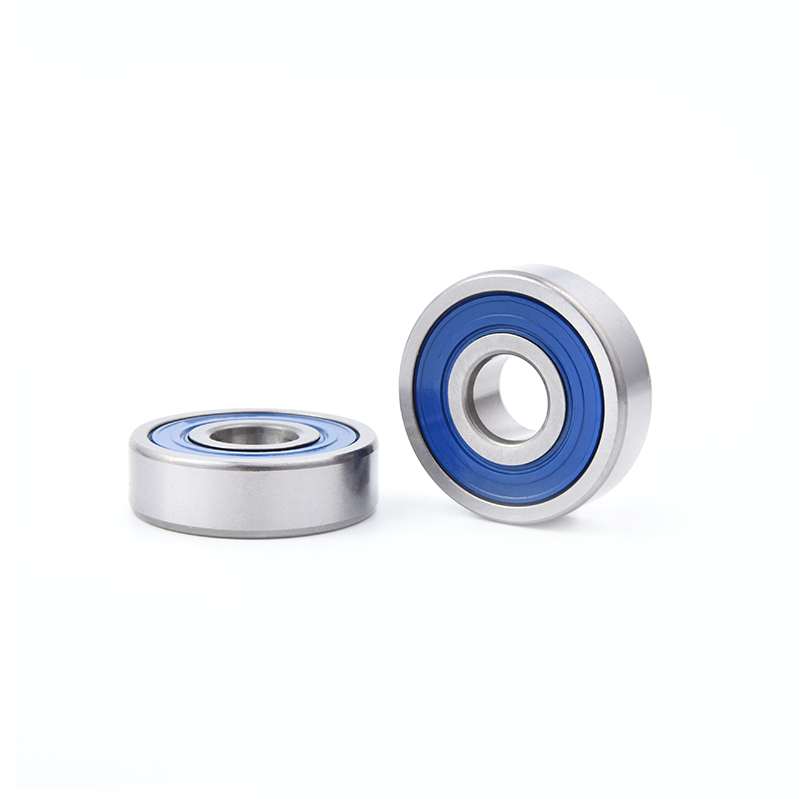
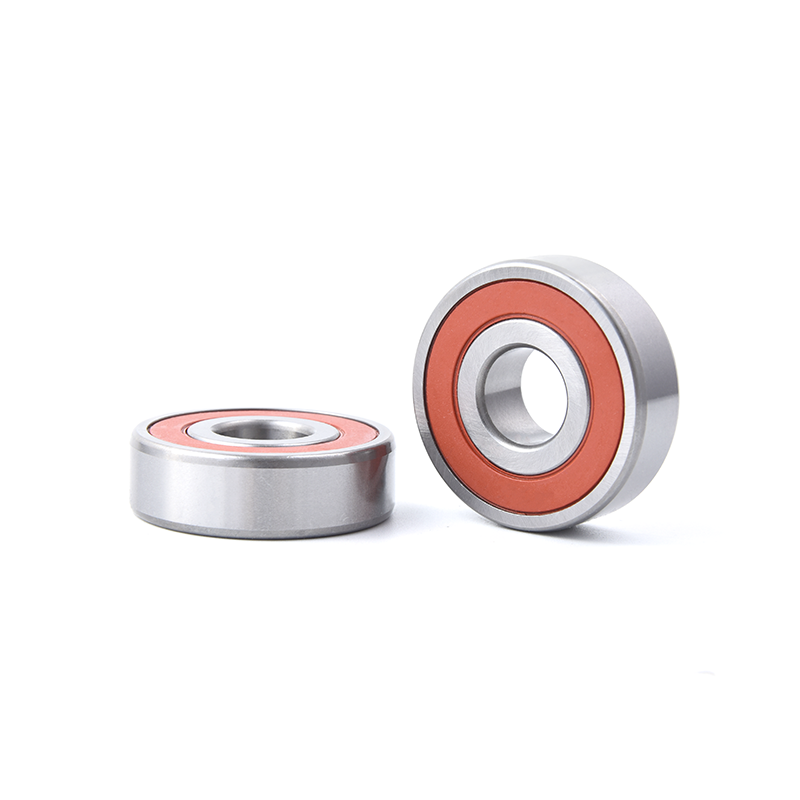
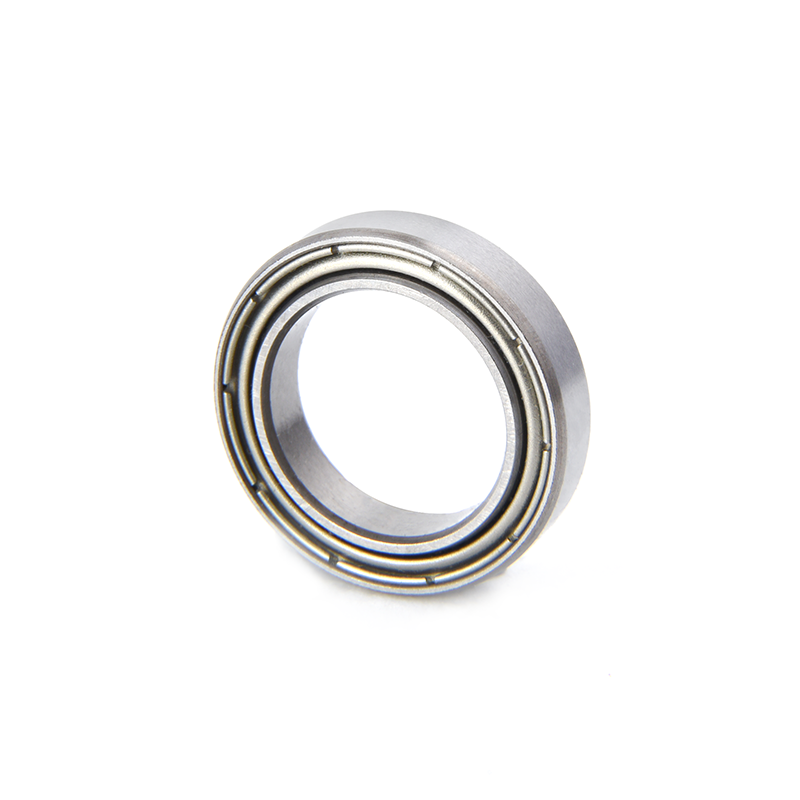
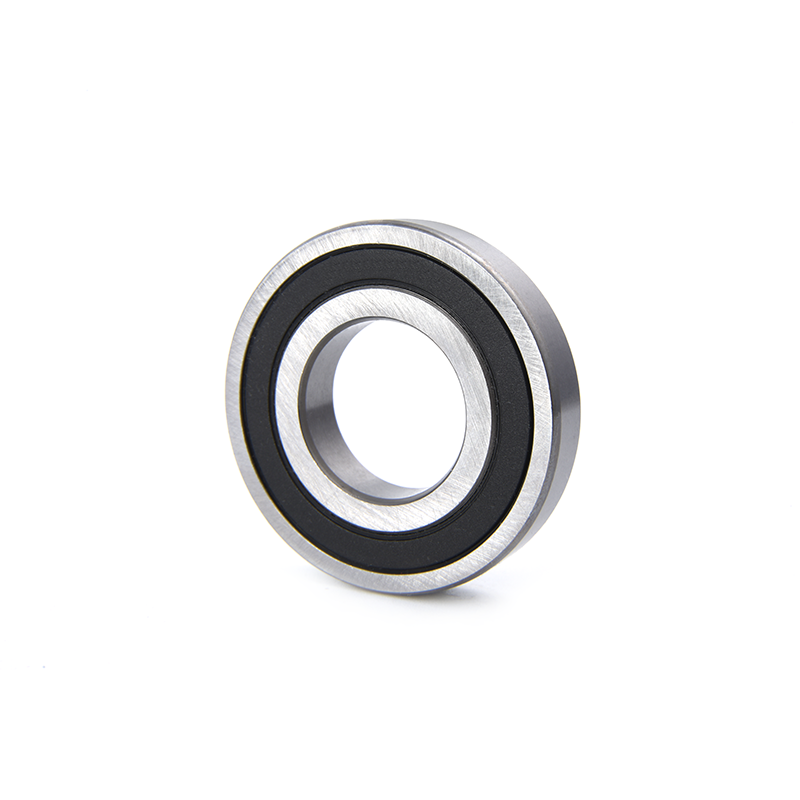
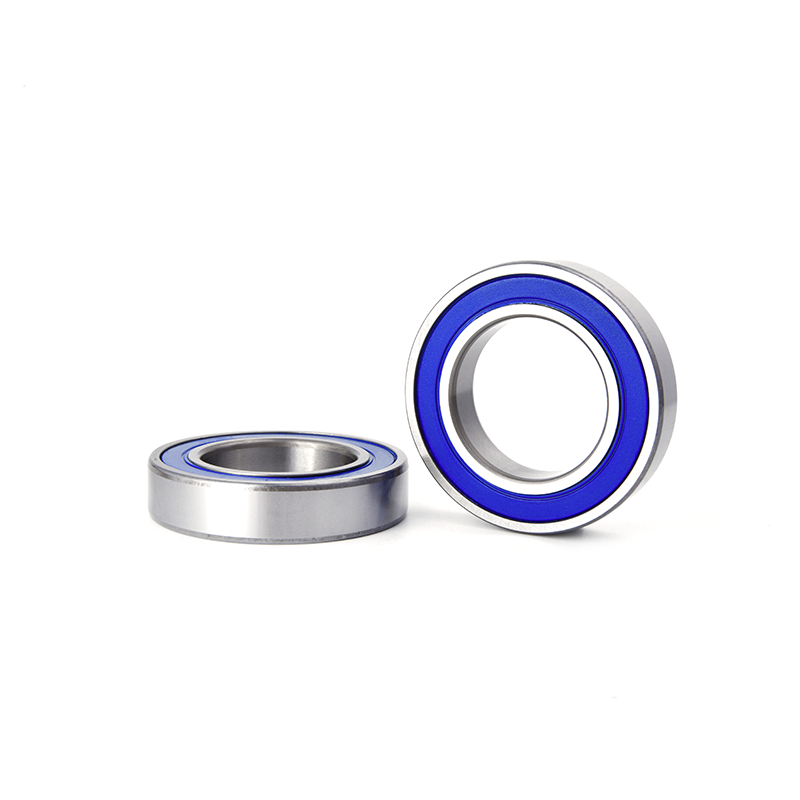
Selecting the correct closure type for a 6202 bearing determines its protection against contaminants and its lubrication retention capabilities. While the internal dimensions remain the same, the suffix of the bearing (such as Z, ZZ, or 2RS) indicates the type of shielding or sealing applied. Choosing the wrong variant can lead to premature failure, especially in environments where dust, water, or chemical vapors are present.
| Type | Suffix | Best For | Friction Level |
| Open | None | Oil-bath environments | Lowest |
| Metal Shield | ZZ / 2Z | High-speed, clean dust protection | Low |
| Rubber Seal | 2RS / 2RSH | Moisture and heavy dirt | Moderate |
Table 2: Comparison of 6202 bearing closure types and their operational impact.
The 6202 bearing is predominantly found in electric motors, automotive pulleys, and power tools due to its high-speed stability and compact footprint. In an automotive context, for example, it is frequently used in alternators where it must withstand continuous vibrations and high temperatures reaching up to 120°C. In the consumer electronics sector, the 6202 bearing is a staple in washing machine motors and ceiling fans, where silent operation is a critical performance metric.
High-carbon chromium steel (GCr15) is the standard material for the 6202 bearing, providing excellent hardness and wear resistance. However, for specialized environments, manufacturers may utilize stainless steel (AISI 440C) for corrosion resistance or ceramic balls (Silicon Nitride) for extreme speed and electrical insulation. A stainless steel 6202 bearing might only have 80% of the load capacity of a chrome steel version, but it can last ten times longer in a saltwater environment.
Hybrid 6202 bearings, which use ceramic balls with steel races, are gaining popularity in high-end electric vehicle (EV) motors. These bearings are lighter, non-conductive (preventing electrical pitting), and can operate at speeds 20-30% higher than standard steel units. While the initial cost of a ceramic hybrid 6202 bearing is significantly higher, the reduction in maintenance frequency and the increase in energy efficiency often justify the investment in precision-critical sectors.
Improper lubrication and contamination account for nearly 70% of all premature 6202 bearing failures in industrial settings. Without a consistent film of oil or grease, the rolling elements experience metal-to-metal contact, leading to spalling and eventual seizure. Monitoring the vibration signatures of a 6202 bearing can help identify early signs of wear, such as flaking on the raceway surface, before a catastrophic failure occurs.
Q1: What is the difference between a 6002 and a 6202 bearing?
While both have the same 15mm bore, the 6202 bearing has a larger outer diameter (35mm vs 32mm) and a higher load rating than the 6002. This makes the 6202 more suitable for heavy-duty applications.
Q2: Can a 6202 bearing handle axial thrust?
Yes, the 6202 bearing is designed to handle axial loads up to approximately 50% of its static radial load rating. However, if axial loads are dominant, an angular contact bearing may be more appropriate.
Q3: How often should I lubricate a 2RS 6202 bearing?
A 2RS 6202 bearing is "lubricated for life," meaning the grease inside is intended to last the duration of the bearing's service life. If the seal is compromised, the entire bearing should be replaced.
Q4: What is the C3 clearance in a 6202 bearing?
C3 indicates an internal clearance that is greater than "Normal." This is used for a 6202 bearing that will experience significant heat, as the extra space allows for thermal expansion of the components without binding.
The 6202 bearing remains a cornerstone of mechanical engineering because it provides a reliable, cost-effective solution for motion control in thousands of devices. From its standardized metric dimensions to its various material and seal configurations, it offers engineers a predictable and high-performance component. By understanding the nuances of its load ratings, speed limits, and environmental protections, users can maximize the efficiency and lifespan of any system utilizing a 6202 bearing.

0086-574-62812860
0086-574-62811929


West of Zhangting Industrial Zone, Yuyao, Ningbo City, Zhejiang Province, 315411, China
On weekdays, we will reply to you or call us within 12 hours of receiving the inquiry.

Contact Us