


 English
 中文简体
中文简体 Español
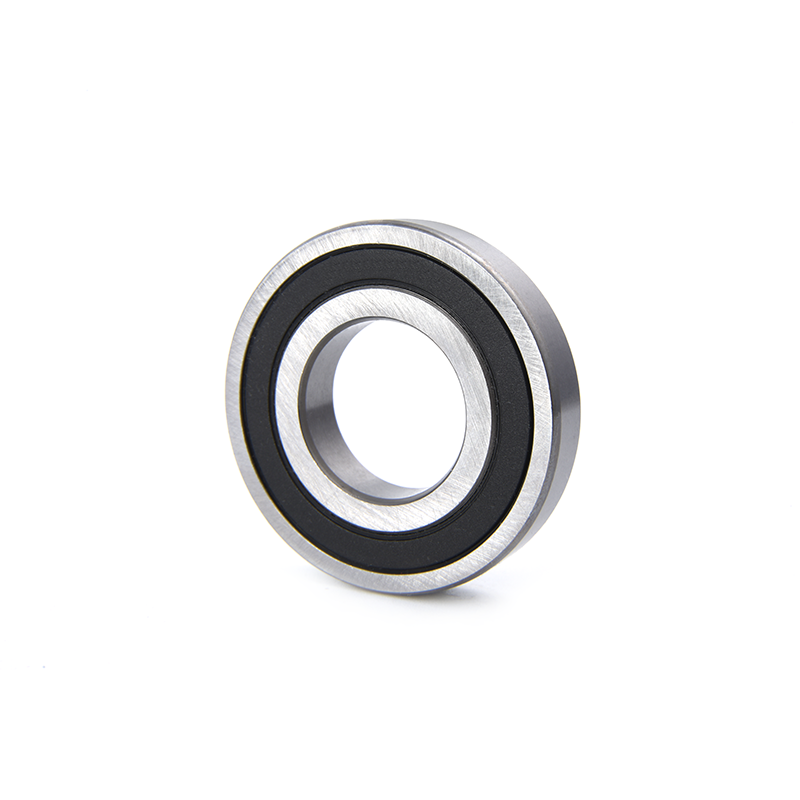
The 6307 bearing is a single-row deep groove ball bearing with a 35 mm bore, 80 mm outer diameter, and 21 mm width, widely used across electric motors, pumps, gearboxes, and agricultural equipment worldwide. It is one of the most standardized and cost-effective bearings available in the 6300 series, making it the first choice for engineers seeking reliable radial and moderate axial load support in medium-duty applications.
Whether you are a maintenance engineer replacing a worn component, a design engineer specifying a new drivetrain, or a purchasing manager evaluating suppliers, understanding the full profile of the 6307 deep groove ball bearing — its dimensions, load capacity, variants, lubrication, and installation requirements — is essential for maximizing uptime and reducing lifecycle costs.
Content
- 6307 Bearing Dimensions and ISO Standards
- 6307 Bearing Variants: What Do the Suffixes Mean?
- Materials and Construction of the 6307 Ball Bearing
- 6307 Bearing Applications: Where Is It Used?
- 6307 Bearing vs. Comparable Bearings: How Does It Compare?
- 6307 Bearing Lubrication: Grease vs. Oil
- How to Install a 6307 Bearing Correctly
- 6307 Bearing Life Expectancy: What L10 Life Means in Practice
- Frequently Asked Questions About the 6307 Bearing
- What is the difference between a 6307 and a 6307-2RS bearing?
- Is the 6307 bearing interchangeable across different manufacturers?
- When should I specify a 6307 C3 bearing instead of the standard CN clearance?
- Can the 6307 bearing handle axial loads?
- What causes abnormal noise in a 6307 bearing?
- What is the standard operating temperature range of the 6307 bearing?
- Conclusion: Is the 6307 Bearing the Right Choice for Your Application?
6307 Bearing Dimensions and ISO Standards
The 6307 bearing dimensions are globally standardized under ISO 15:2017 and ABMA Std 20, meaning a bearing produced in one country is dimensionally interchangeable with one produced anywhere else. The core measurements are fixed:
- Bore diameter (d): 35 mm
- Outer diameter (D): 80 mm
- Width (B): 21 mm
- Corner radius (r min): 1.5 mm
- Mass (approx.): 0.38 kg
| Parameter | Value | Unit |
| Bore diameter (d) | 35 | mm |
| Outer diameter (D) | 80 | mm |
| Width (B) | 21 | mm |
| Dynamic load rating (C) | 33,200 | N |
| Static load rating (C₀) | 19,000 | N |
| Limiting speed (grease) | 8,500 | rpm |
| Limiting speed (oil) | 11,000 | rpm |
| Table 1 — Standard dimensional specifications of the 6307 bearing per ISO 15:2017 | ||
These figures make the 6307 bearing load rating suitable for the majority of industrial motors in the 1.5–15 kW power range, where shaft diameters of 35 mm are extremely common.
6307 Bearing Variants: What Do the Suffixes Mean?
The most important decision when ordering a 6307 bearing is selecting the correct suffix, which defines sealing, lubrication, and cage material. The open (no-suffix) version suits clean, oil-lubricated environments, while sealed and shielded variants are preferred in contaminated or maintenance-restricted applications.
| Designation | Seal / Shield Type | Lubrication | Typical Use |
| 6307 | Open (no seal) | Oil bath / external | Gearboxes, clean environments |
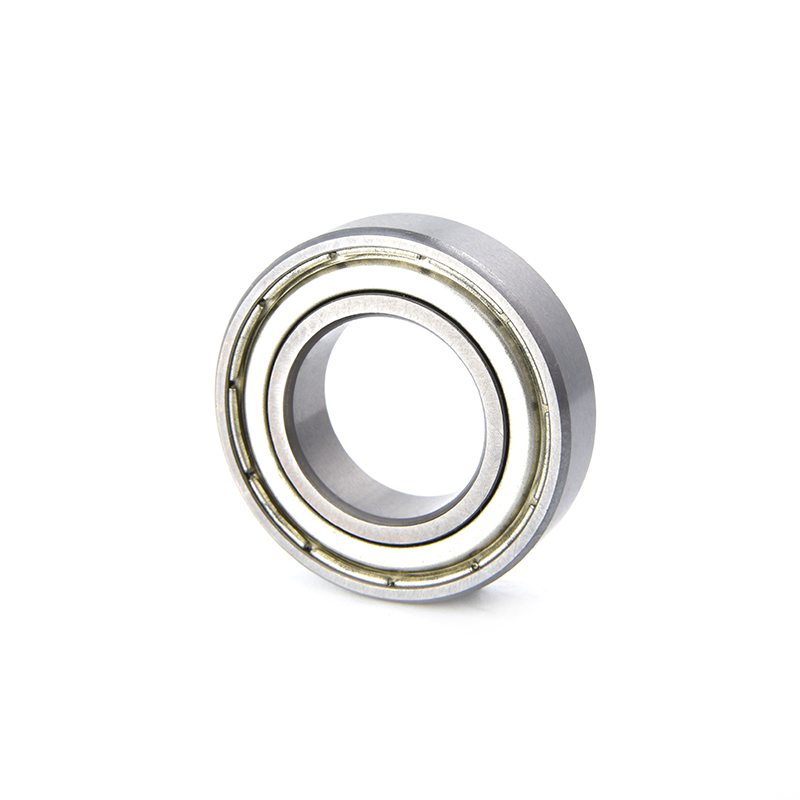
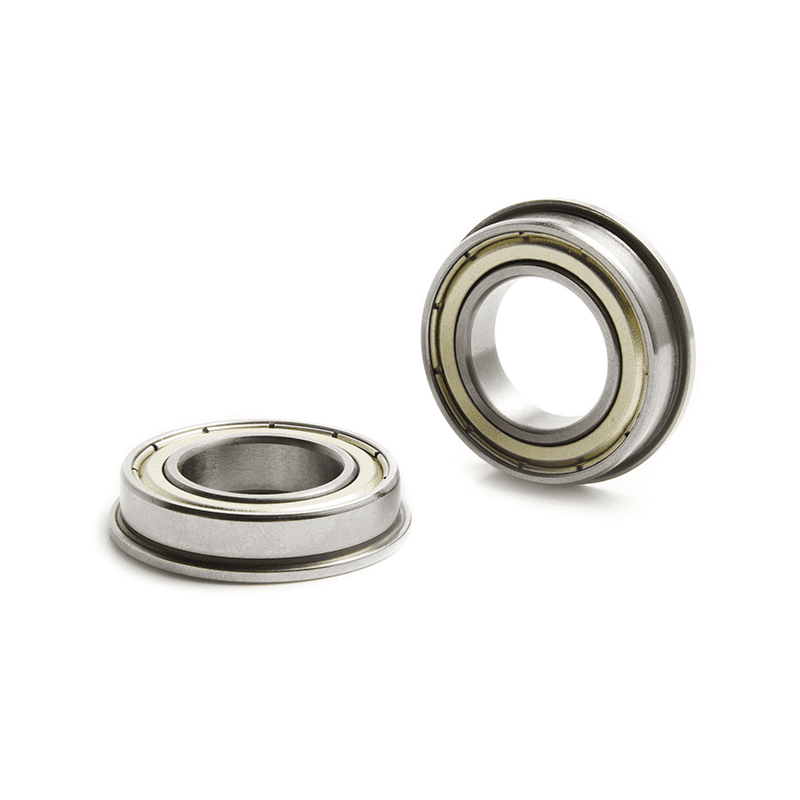
| 6307-Z | Single metal shield | Grease pre-filled | Light dust environments |
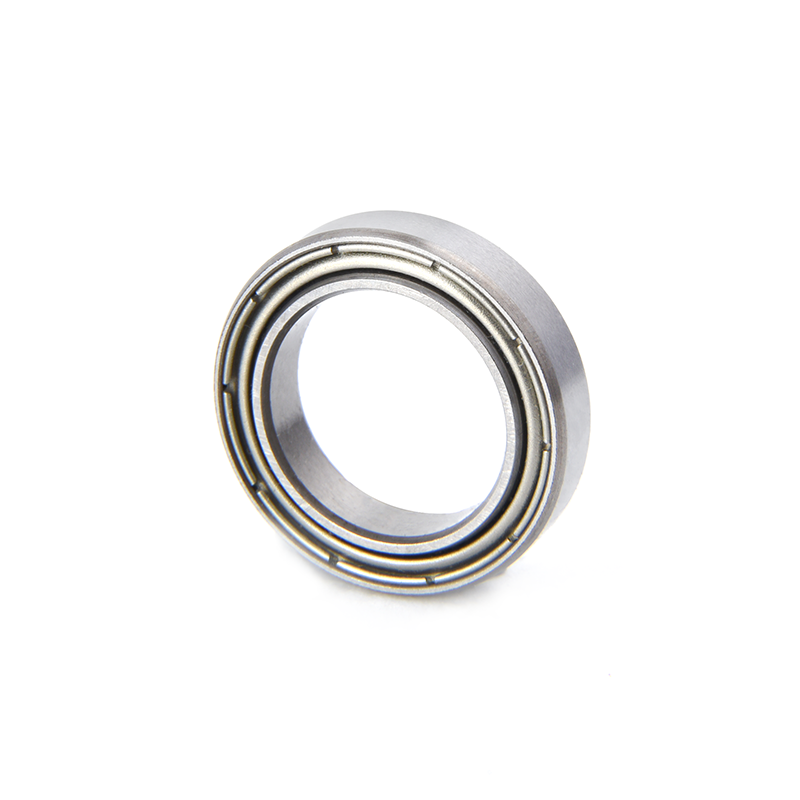
| 6307-ZZ | Double metal shield | Grease pre-filled | Electric motors, fans |
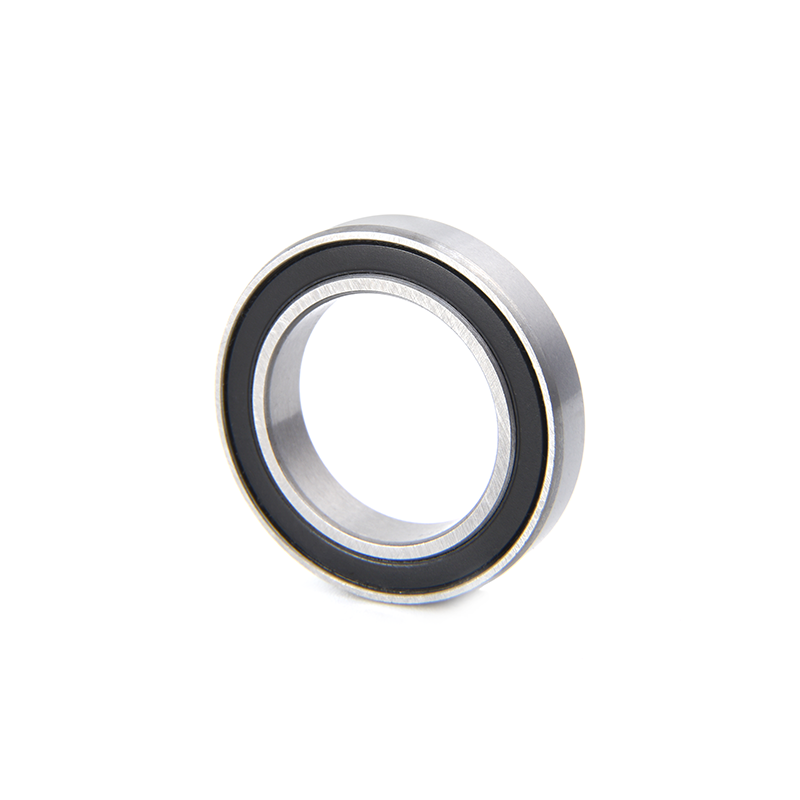
| 6307-RS | Single rubber seal | Grease pre-filled | Pumps, food machinery |
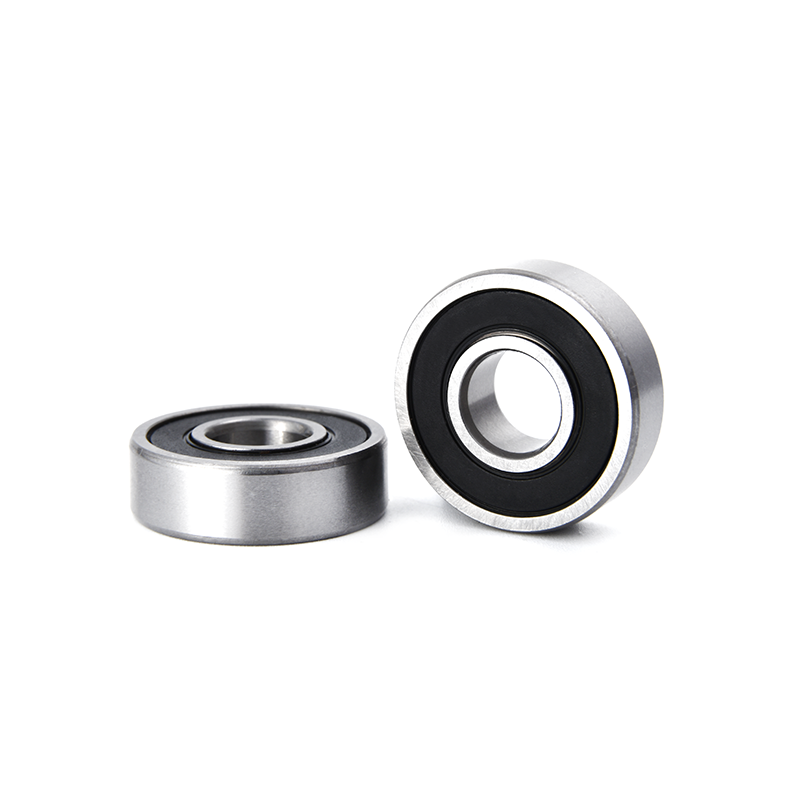
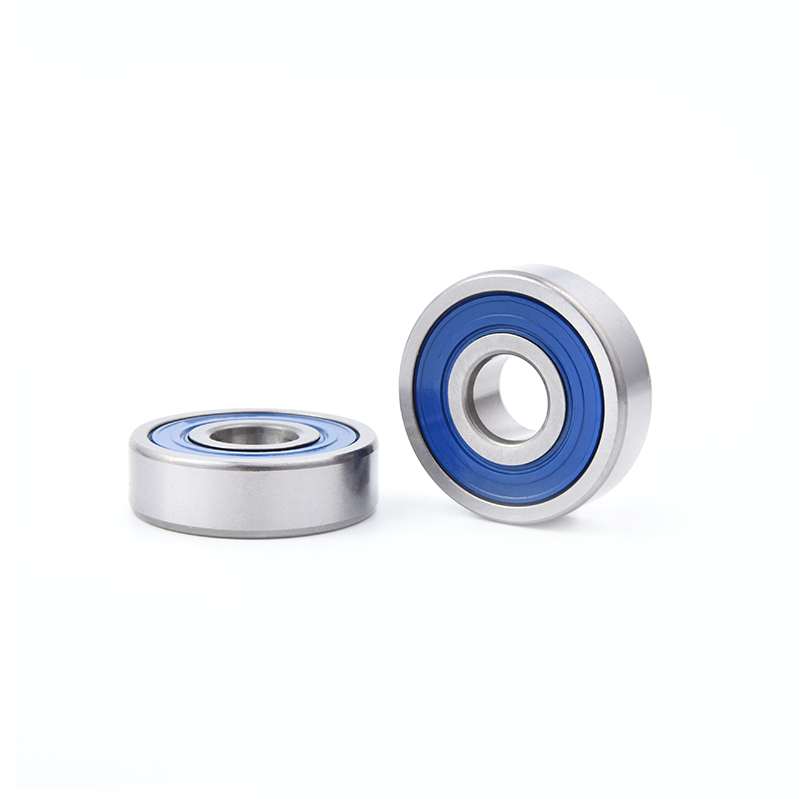
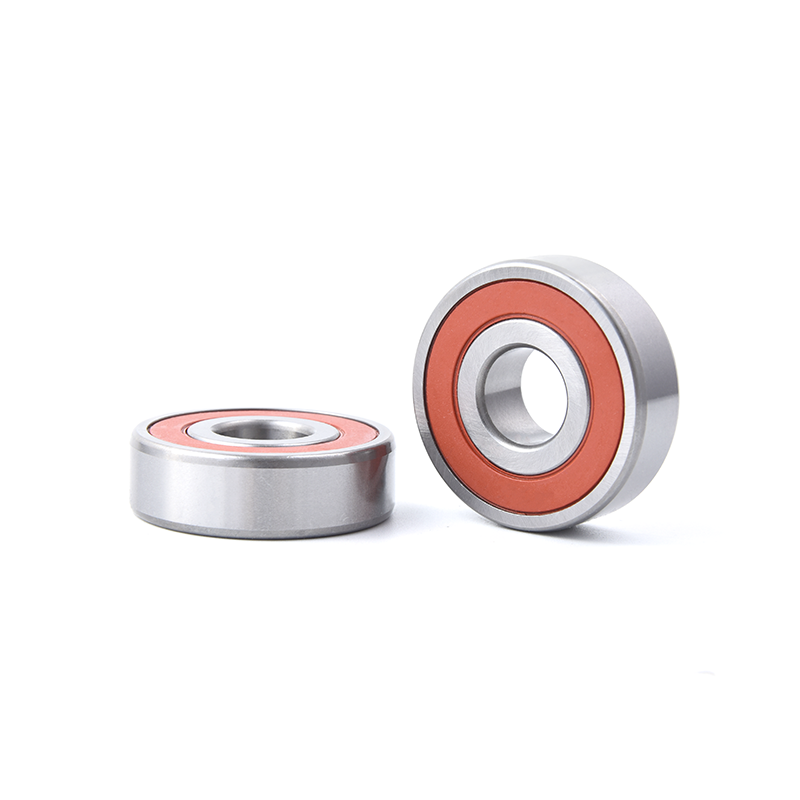
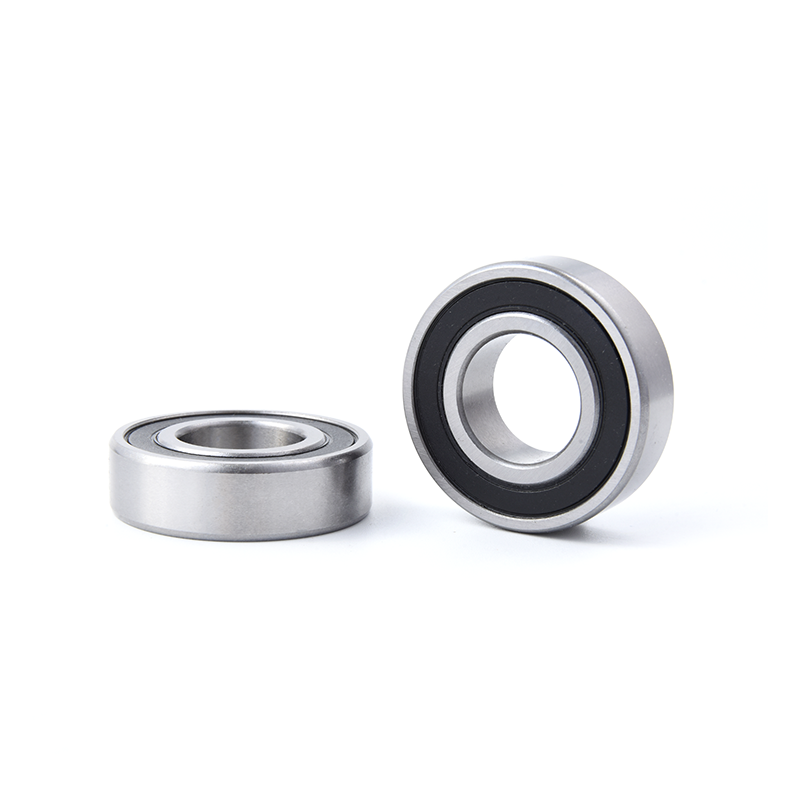
| 6307-2RS | Double rubber seal | Grease pre-filled | Agriculture, construction |
| 6307-C3 | Open with C3 clearance | Oil / grease | High-temperature motors |
| Table 2 — Common 6307 bearing suffix variants and their application context | |||
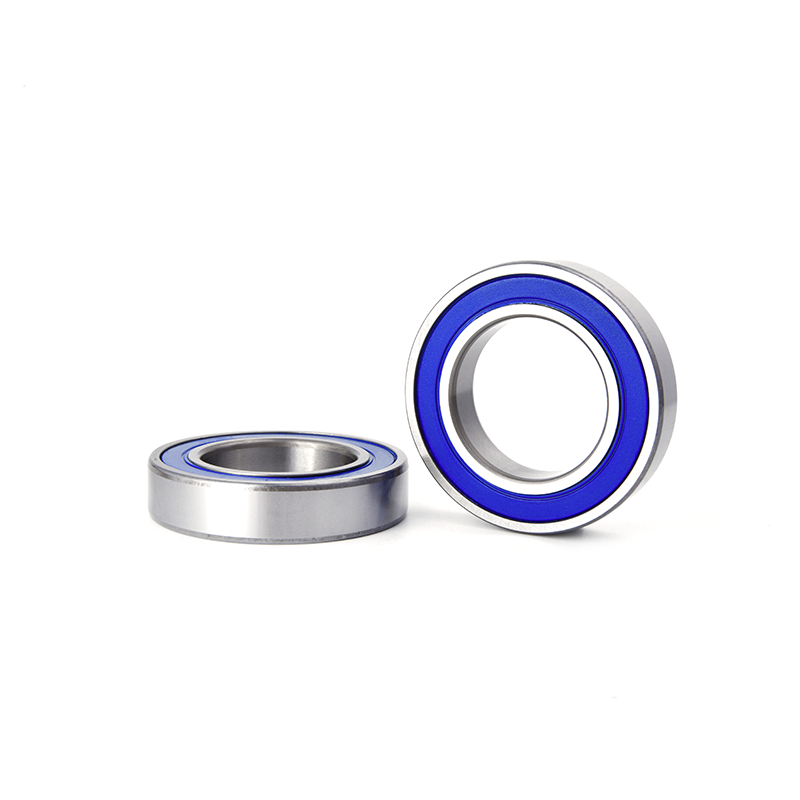
The 6307-2RS bearing is arguably the most widely purchased variant globally due to its sealed-for-life design, which eliminates the need for on-site relubrication — a critical advantage in hard-to-access installations. The 6307-ZZ is preferred where higher operating speeds are required, as metal shields generate less seal friction than rubber lip seals.
The 6307 C3 bearing designation indicates an internal radial clearance greater than the standard CN class. This wider clearance — typically 11–25 µm greater than CN — is specified for applications where the shaft and housing experience significant thermal expansion, preventing the preloading that can cause premature fatigue failure.
Materials and Construction of the 6307 Ball Bearing
The standard 6307 ball bearing uses through-hardened AISI 52100 high-carbon chromium steel for both rings and balls, delivering a surface hardness of HRC 60–64 and a fatigue life that can exceed 10⁸ stress cycles under rated loads.
Cage Materials and Their Impact on Performance
Cage material significantly affects noise, speed capability, and chemical resistance. The three most common cage types for the 6307 bearing are:
- Steel pressed cage (suffix M or no suffix): Most common, suitable for general industrial use up to 8,500 rpm (grease).
- Polyamide cage (suffix TN9 or J): Lighter weight, lower noise, good for higher speeds and wet environments; temperature limit approximately 120 °C continuous.
- Brass cage (suffix M): Used in high-temperature or high-speed applications; chemically resistant; compatible with most lubricants including synthetic esters.
Stainless Steel 6307 Bearings
For corrosive environments — coastal installations, chemical processing, food and beverage production — a stainless steel variant (designated SS6307 or 6307-SS) is available using AISI 440C martensitic stainless steel. The trade-off is a dynamic load rating approximately 20–25% lower than the standard chromium steel version due to differences in material fatigue properties. For most corrosion-resistance applications, the reduction in load capacity is acceptable given the vastly extended service life compared to a standard bearing in a wet or chemical environment.
6307 Bearing Applications: Where Is It Used?
The 6307 bearing application range is exceptionally broad due to the universal 35 mm shaft size standard. This bearing appears in virtually every sector of industrial production.
| Industry | Equipment | Typical Variant |
| Electric motor manufacturing | Induction motors, servo drives | 6307-ZZ / 6307-C3 |
| Agriculture | Combine harvesters, seed drills | 6307-2RS |
| Pump and compressor | Centrifugal pumps, air compressors | 6307-RS / 6307-C3 |
| Gearbox and transmission | Helical and bevel gearboxes | 6307 (open) |
| Food and beverage | Conveyor lines, mixers | SS6307-2RS |
| HVAC and ventilation | Fans, air handling units | 6307-ZZ |
| Table 3 — Industries and equipment commonly using the 6307 deep groove ball bearing | ||
In electric motor applications, the 6307 bearing is frequently used as the drive-end or non-drive-end bearing in IEC frame 132 motors (the most produced motor frame size globally). A single IEC 132 motor may consume 1–2 units per year in high-duty-cycle applications, making the 6307 one of the highest-volume bearings traded in the aftermarket maintenance sector.
6307 Bearing vs. Comparable Bearings: How Does It Compare?
Understanding how the 6307 bearing compares to neighboring sizes helps engineers make the optimal selection. The 6307 sits in the medium segment of the 6300 series — lighter than the 6308 and 6309, but substantially more capable than the 6305 and 6306.
| Bearing | Bore (mm) | OD (mm) | Width (mm) | Dyn. Load C (N) | Mass (kg) |
| 6305 | 25 | 62 | 17 | 17,800 | 0.17 |
| 6306 | 30 | 72 | 19 | 22,000 | 0.26 |
| 6307 | 35 | 80 | 21 | 33,200 | 0.38 |
| 6308 | 40 | 90 | 23 | 42,300 | 0.55 |
| 6309 | 45 | 100 | 25 | 52,700 | 0.80 |
| Table 4 — Comparison of 6307 bearing with adjacent 6300-series deep groove ball bearings | |||||
The data above illustrates that moving from the 6307 to the 6308 gains approximately 27% more dynamic load capacity (33,200 N → 42,300 N) at the cost of a heavier, larger bearing that may not fit existing housing designs. In practice, if a 6307 is failing prematurely due to overloading rather than contamination or lubrication issues, the correct engineering response is often to re-evaluate the application loads rather than simply upsizing to a 6308.
6307 Bearing Lubrication: Grease vs. Oil
Correct lubrication is the single most important maintenance factor for 6307 bearing life. Studies across multiple industries consistently show that 36–40% of all premature bearing failures are attributable to lubrication errors — using too much grease, too little grease, the wrong grease type, or mixed greases.
Grease Lubrication Guidelines
- Initial fill volume: Fill bearing and housing cavity to 30–50% capacity. Overfilling causes churning, heat generation, and seal damage.
- Grease type: Lithium-complex NLGI Grade 2 greases with a base oil viscosity of 100–160 cSt at 40 °C are suitable for most 6307 applications up to 80 °C continuous operating temperature.
- Regreasing interval: For a motor running at 3,000 rpm at 70 °C, a typical regreasing interval for an open 6307 is 3,000–5,000 operating hours. Sealed-for-life 6307-2RS variants require no regreasing.
- High-temperature grease: Above 120 °C, switch to polyurea or PFPE-based greases. Standard mineral lithium grease oxidizes rapidly above this threshold.
Oil Lubrication for High-Speed Applications
When operating the open 6307 bearing at speeds exceeding 7,000 rpm, oil bath or oil-mist lubrication is recommended. ISO VG 46 or ISO VG 68 mineral oil provides adequate film thickness at these speeds while minimizing viscous drag. Oil circulation systems also serve as effective heat removal mechanisms, reducing bearing operating temperature by 10–20 °C compared to grease lubrication at the same speed.
How to Install a 6307 Bearing Correctly
Correct installation is as important as correct bearing selection: improper installation causes approximately 16% of premature bearing failures, according to industry failure analysis data.
Shaft and Housing Tolerances
For a typical 6307 bearing installation in an electric motor with a rotating inner ring and stationary outer ring:
- Shaft tolerance: k5 or m5 (interference fit) — this prevents creep rotation of the inner ring on the shaft.
- Housing tolerance: H7 (clearance fit) — allows thermal expansion and simplifies removal without damaging the bearing outer ring.
Mounting Methods
- Cold pressing: Use a bearing fitting tool or sleeve to apply force only to the ring being press-fitted (inner ring for shaft mounting). Never drive through the balls — this damages raceways.
- Thermal mounting: Heating the bearing to 80–100 °C (using an induction heater — never an open flame) expands the inner ring sufficiently for slip-on shaft installation. Allow to cool naturally; do not quench.
- Hydraulic fitting: For large interference fits, hydraulic nut methods minimize installation stress and provide precise control.
After installation, always verify that the 6307 bearing rotates freely with no roughness or tight spots, and that axial play is within specification. A vibration baseline measurement at commissioning helps detect early deviation from normal operating condition.
6307 Bearing Life Expectancy: What L10 Life Means in Practice
The L10 basic rating life of the 6307 bearing represents the number of operating hours that 90% of a large group of identical bearings will exceed under given load and speed conditions. At its full dynamic load rating of 33,200 N and 3,000 rpm, the L10 life is approximately 740 hours — a design baseline, not an expected service life under real operating conditions.
In practice, most 6307 bearings in well-maintained industrial motors operate at 20–40% of their rated dynamic load, dramatically extending service life. A bearing carrying 10,000 N radial load at 1,450 rpm can achieve an L10 life exceeding 40,000 hours — equivalent to over 27 years of single-shift operation. Key factors that reduce actual service life below calculated values include:
- Contamination: Even ISO cleanliness level 16/14/11 (typical industrial environment) reduces L10 by a factor of 0.2–0.5 compared to clean laboratory conditions.
- Misalignment: Angular misalignment of 0.1° generates significant edge stress on ball tracks; misalignment of 0.5° can halve bearing life.
- Electrical erosion: In variable-frequency drive (VFD) motor applications, bearing currents can create fluting damage within hundreds of hours unless insulated bearings or shaft grounding rings are used.
- Vibration: External vibration from adjacent equipment causes false brinelling during standstill periods, creating micro-pitting at ball contact intervals.
Frequently Asked Questions About the 6307 Bearing
What is the difference between a 6307 and a 6307-2RS bearing?
The 6307 is an open bearing requiring external lubrication and maintenance. The 6307-2RS has rubber contact seals on both sides, is pre-filled with grease for life, and requires no maintenance. The sealed version has a lower limiting speed (approximately 7,000 rpm vs. 8,500 rpm for grease) due to seal friction, but offers superior contamination resistance.
Is the 6307 bearing interchangeable across different manufacturers?
Yes — dimensional interchangeability is guaranteed by ISO 15:2017 for all standard open and shielded/sealed variants. A 6307-ZZ produced by any ISO-compliant manufacturer will fit identically. However, internal geometry (ball complement, radius of curvature, cage design) varies and affects load capacity, noise, and speed ratings, so it is advisable to confirm performance specifications with the supplier datasheet rather than assuming identical performance.
When should I specify a 6307 C3 bearing instead of the standard CN clearance?
Specify the 6307-C3 when the bearing operating temperature will significantly exceed ambient — typically when the bore temperature is expected to be more than 10–15 °C higher than the housing temperature. Common scenarios include motors with shaft temperatures above 80 °C, applications with tight housing fits, and VFD-driven motors that run at elevated temperatures due to harmonic losses.
Can the 6307 bearing handle axial loads?
Yes — as a deep groove ball bearing, the 6307 can support axial loads in both directions, though it is primarily designed for radial loads. The maximum permissible axial load is approximately 25–30% of the static radial load capacity (C₀ = 19,000 N), meaning axial loads up to approximately 4,750–5,700 N are acceptable. For applications where axial loads exceed 30% of C₀, a dedicated thrust bearing or angular contact bearing should be specified instead.
What causes abnormal noise in a 6307 bearing?
Abnormal noise from a 6307 bearing typically indicates one of five conditions: (1) contamination of the raceway, (2) inadequate or degraded lubrication, (3) early fatigue spalling detected as irregular clicking or rumbling, (4) false brinelling from vibration during standstill, visible as periodic roughness at ball-pass intervals, or (5) cage damage producing a rattling or irregular tone. Vibration analysis — particularly envelope spectrum analysis — can distinguish between these failure modes before catastrophic damage occurs.
What is the standard operating temperature range of the 6307 bearing?
The standard 6307 bearing (through-hardened AISI 52100 rings, steel cage, mineral grease) is rated for continuous operation between −20 °C and +120 °C. Below −20 °C, standard grease becomes too viscous; specialized low-temperature greases extend the lower limit to −40 °C. Above 120 °C, ring hardness begins to decrease (dimensional stability loss becomes significant above 150 °C), and standard mineral grease oxidizes. For sustained operation above 120 °C, stabilized rings (suffix S1, S2) and synthetic lubricants are required.
Conclusion: Is the 6307 Bearing the Right Choice for Your Application?
The 6307 bearing remains one of the most versatile and accessible deep groove ball bearings in global industrial use. Its standardized 35 × 80 × 21 mm envelope, dynamic load rating of 33,200 N, and broad availability in open, shielded, sealed, and stainless steel variants make it an excellent default selection for 35 mm shaft applications in electric motors, pumps, fans, gearboxes, and agricultural machinery.
To maximize service life, match the variant suffix to the operating environment (sealed 6307-2RS for contaminated environments, 6307-C3 for elevated temperatures), specify correct shaft and housing tolerances (k5 shaft, H7 housing for rotating inner ring applications), and maintain proper lubrication with high-quality lithium-complex grease filled to 30–50% of available cavity volume.
When the application demands higher capacity, consider the 6308 or 6309. When space or weight is the priority, evaluate the 6306. In the majority of general industrial cases, however, the 6307 bearing delivers the optimal balance of load capacity, speed rating, dimensional compactness, and procurement cost — which is precisely why it has remained a foundational component in mechanical engineering for over a century.



Contact Us