

 English
 中文简体
中文简体 Español
Call us
0086-574-62812860
0086-574-62811929

Our team is proud to offer on time guarantee and product guarantee to customer satisfaction.
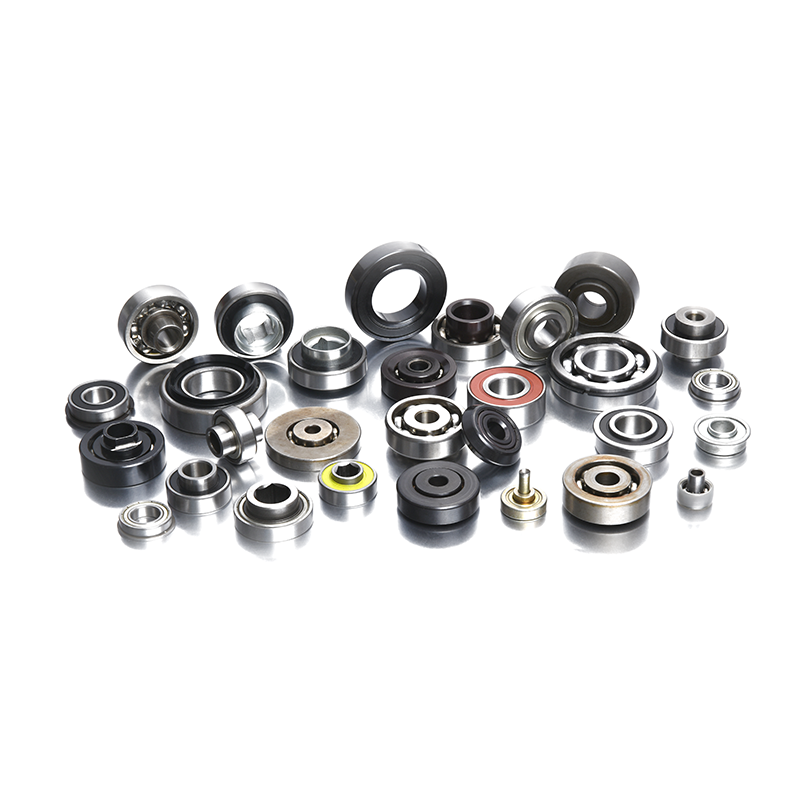
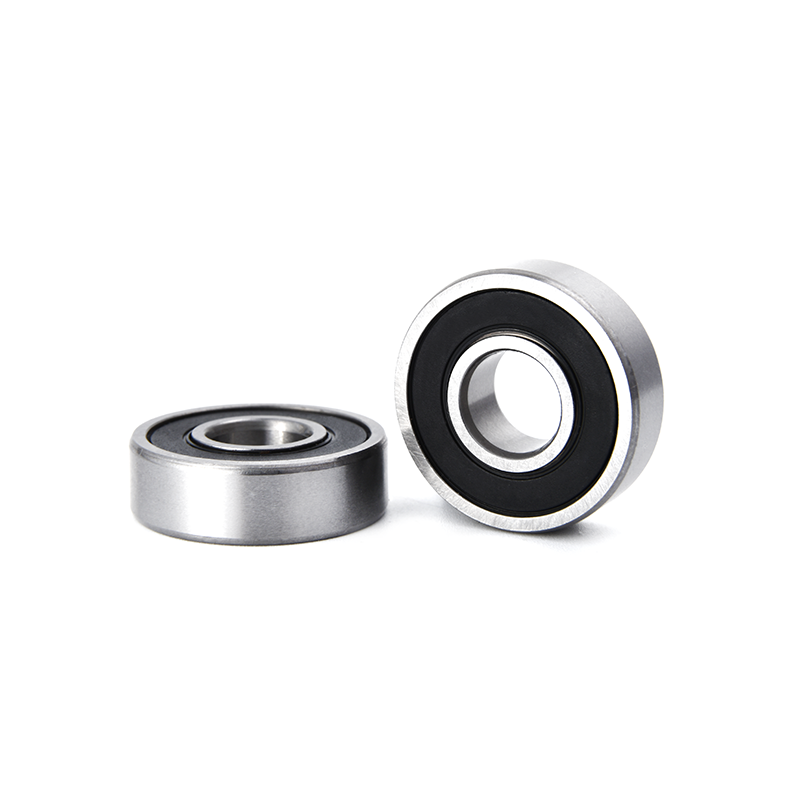
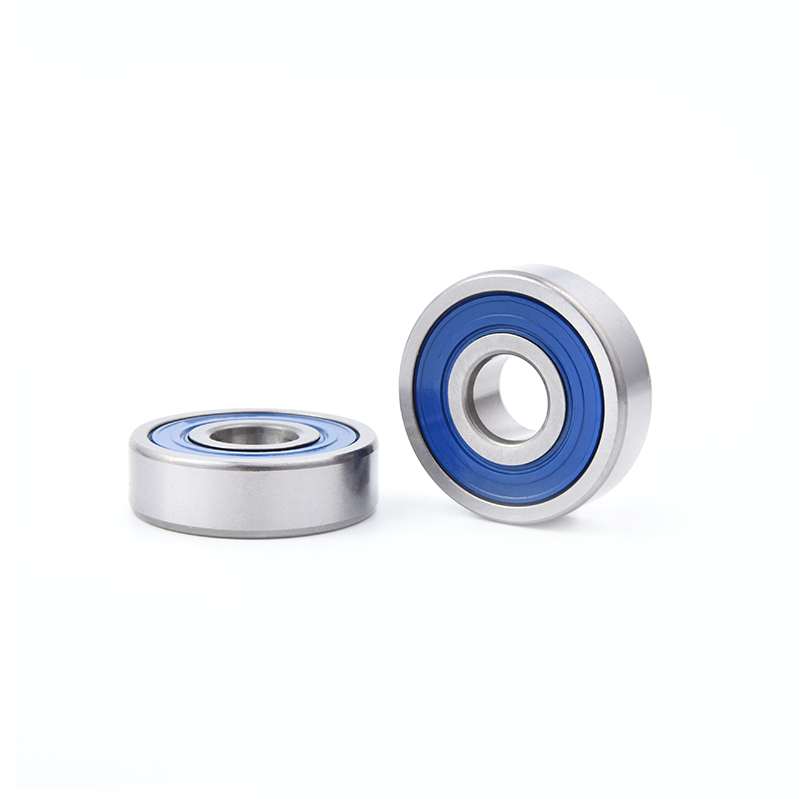
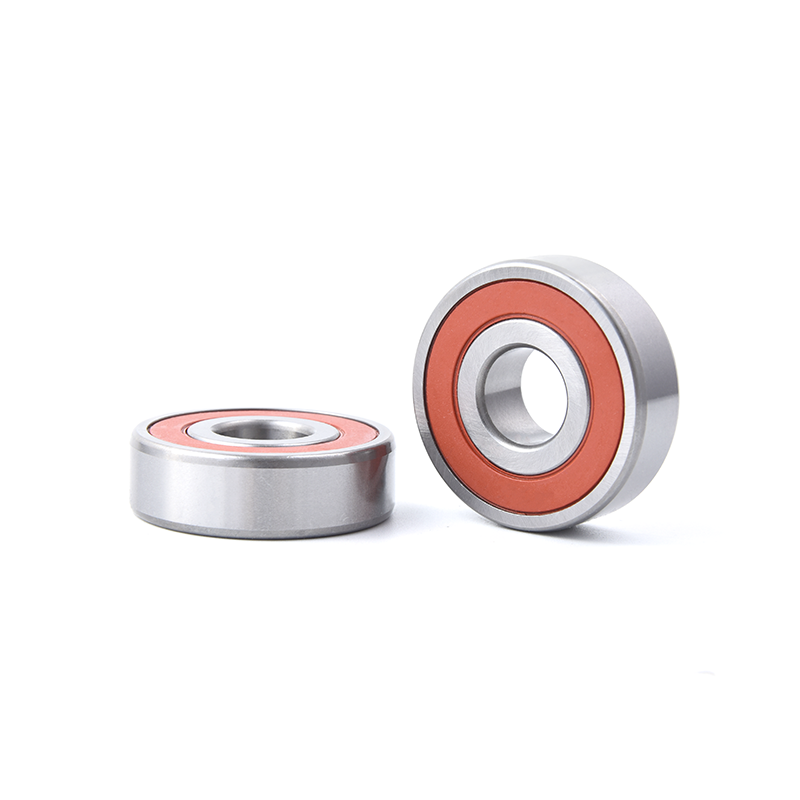
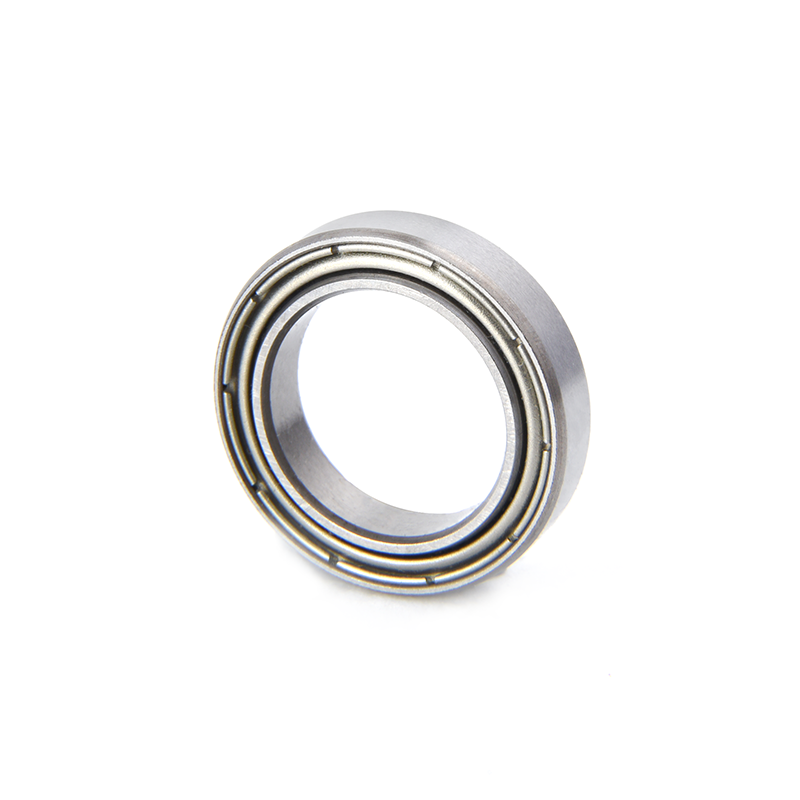
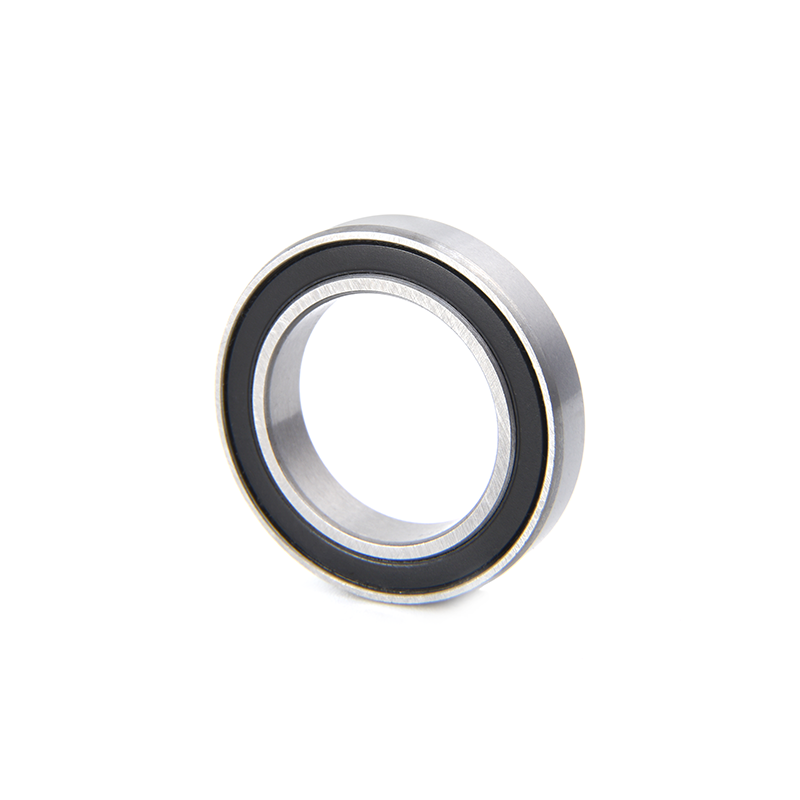
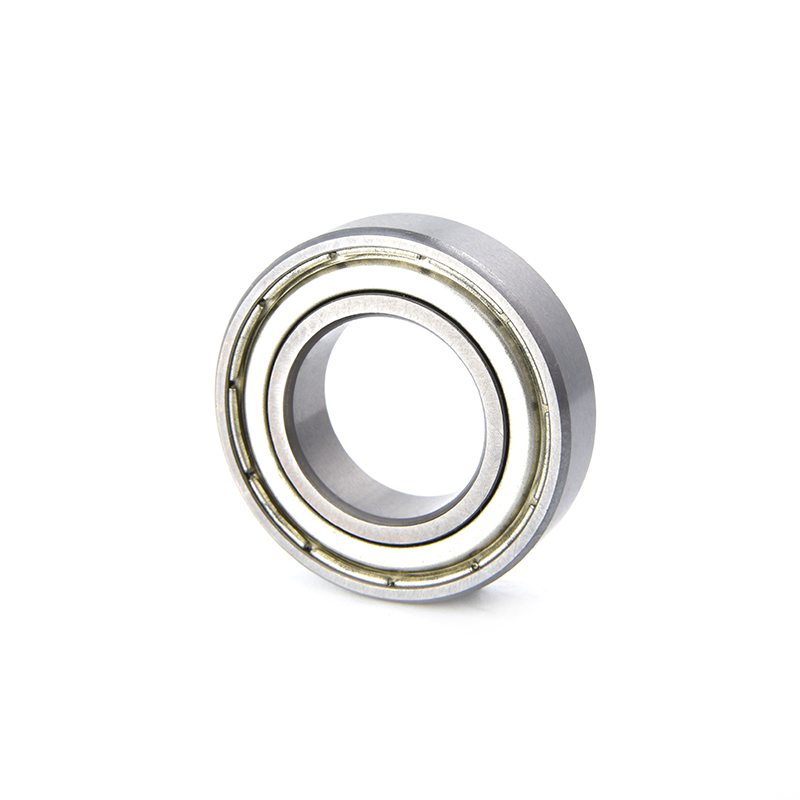
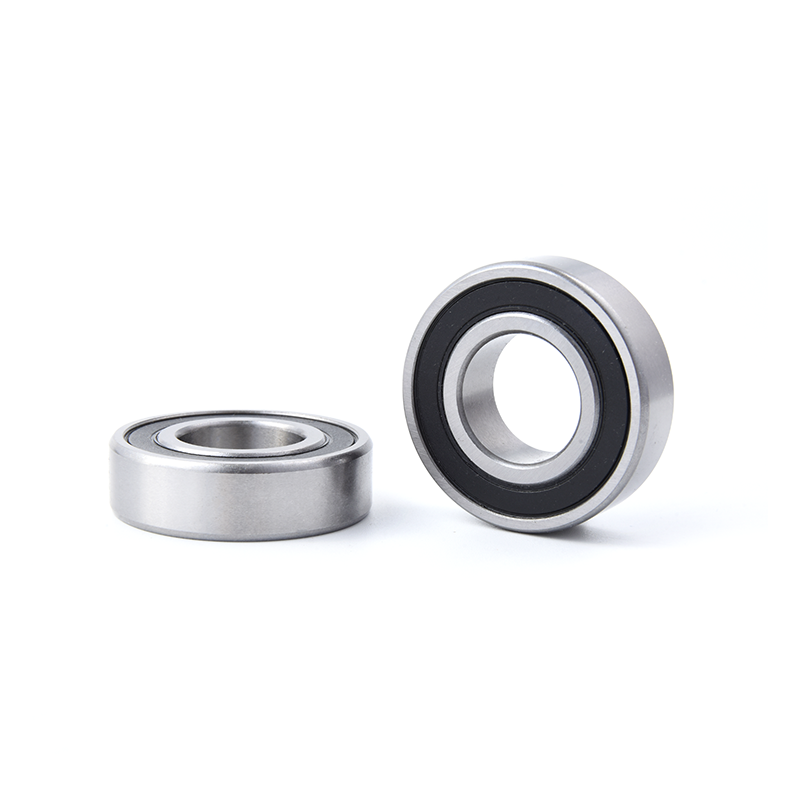
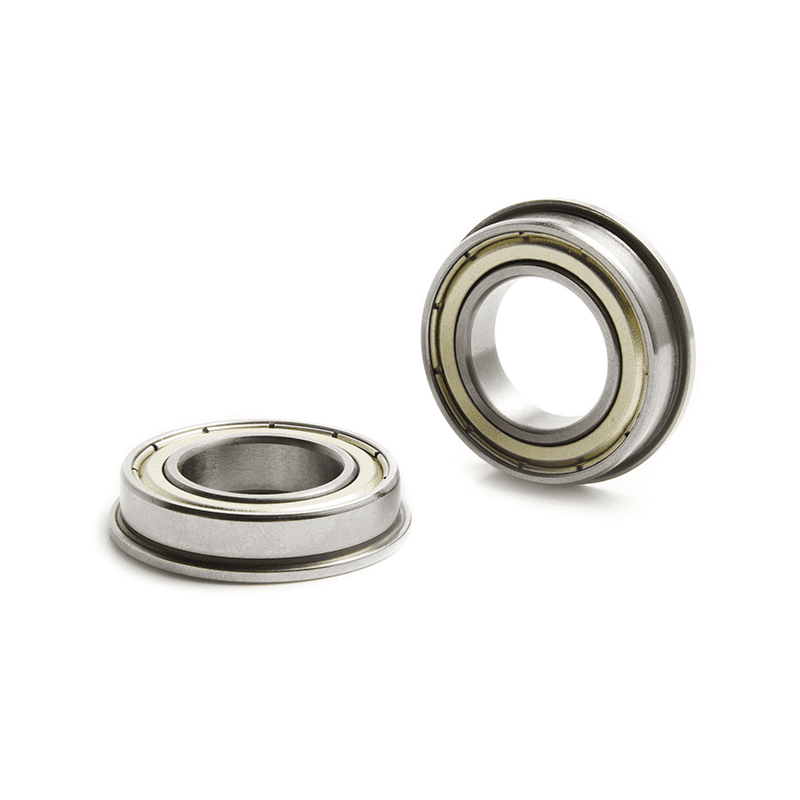
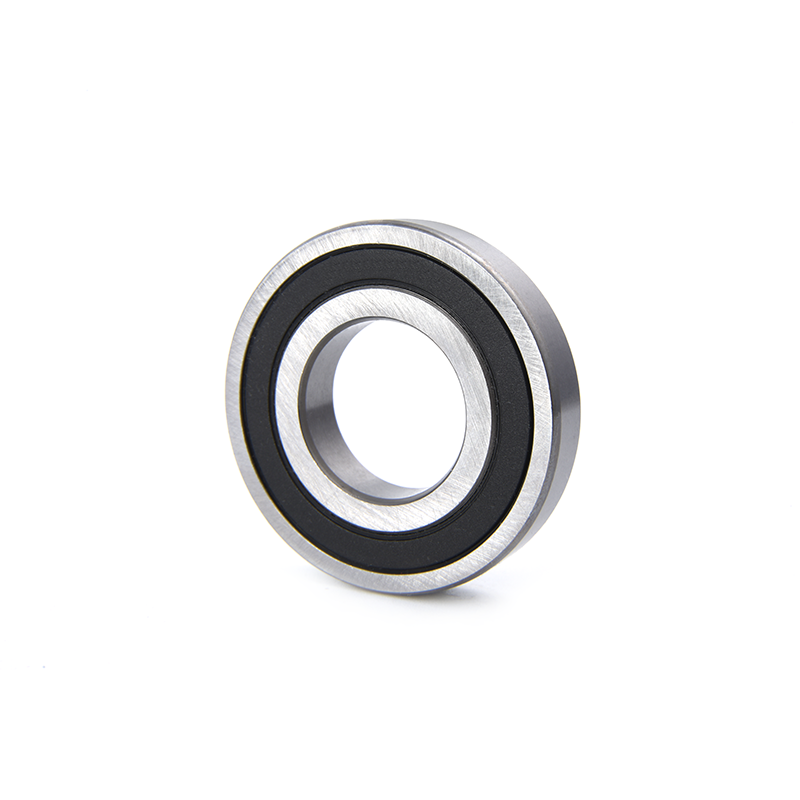
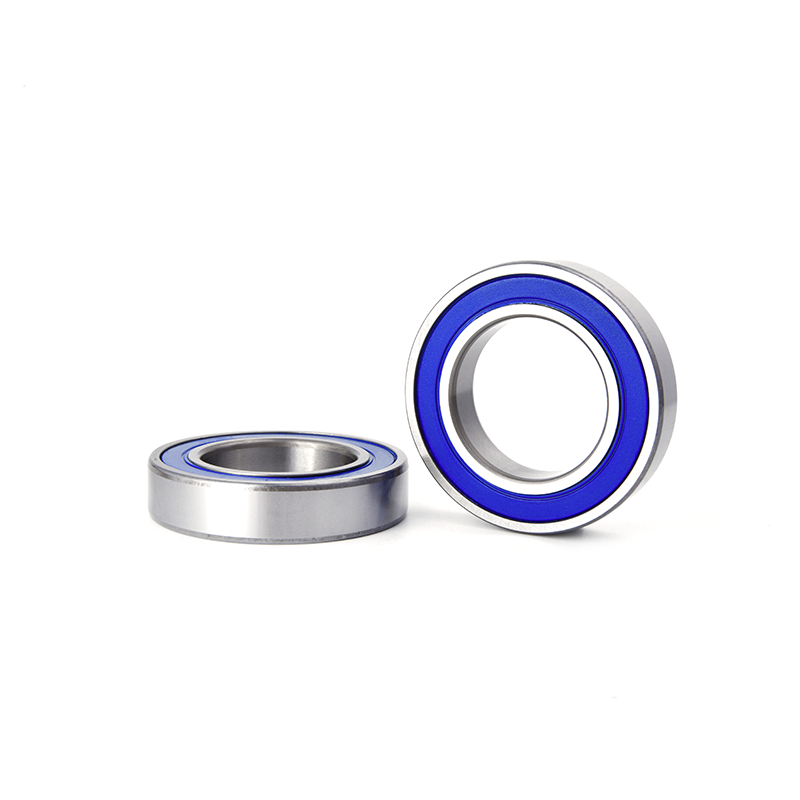
Read MoreThe Deep Groove Ball Bearing is one of the most widely used bearings across industries due to its versatility, durability, and ability to handle both radial and axial loads. Understanding its common size standards is essential for engineers, machinery designers, and maintenance professionals to ensure optimal performance and compatibility in mechanical systems.
Content
Deep groove ball bearings are defined by several key dimensions, which directly impact their performance, load capacity, and suitability for specific applications. The main size parameters include:
The sizing of Deep Groove Ball Bearing is standardized by several international systems, which ensures interchangeability and global compatibility:
Deep groove ball bearings come in a wide variety of standard sizes. Here are examples of common series and their dimensions:
| Series | Inner Diameter (mm) | Outer Diameter (mm) | Width (mm) | Typical Application |
|---|---|---|---|---|
| 6000 Series | 10-50 | 26-90 | 8-18 | Electric motors, pumps |
| 6200 Series | 10-75 | 30-100 | 9-25 | Automotive, industrial machinery |
| 6300 Series | 10-100 | 35-120 | 11-28 | Heavy equipment, conveyors |
When choosing the correct Deep Groove Ball Bearing, several factors should be considered beyond just size:
The 6000 and 6200 series are widely used due to their balance of size, load capacity, and versatility across applications.
Yes, they can handle moderate axial loads in addition to radial loads, making them suitable for many industrial applications.
Check the inner diameter, outer diameter, and width of the existing bearing, and ensure compatibility with ISO or DIN standards for precise replacement.
Yes, bearings conforming to ISO dimensions are generally interchangeable with DIN or JIS bearings, but always verify tolerance classes and load ratings.
The Deep Groove Ball Bearing is a cornerstone component in mechanical engineering, and understanding its size standards ensures proper selection, enhanced performance, and longer service life. By adhering to standardized dimensions and considering key application factors, industries can optimize efficiency and reliability across diverse machinery and equipment.

0086-574-62812860
0086-574-62811929


West of Zhangting Industrial Zone, Yuyao, Ningbo City, Zhejiang Province, 315411, China
On weekdays, we will reply to you or call us within 12 hours of receiving the inquiry.

Contact Us