

 English
 中文简体
中文简体 Español
Call us
0086-574-62812860
0086-574-62811929

Our team is proud to offer on time guarantee and product guarantee to customer satisfaction.
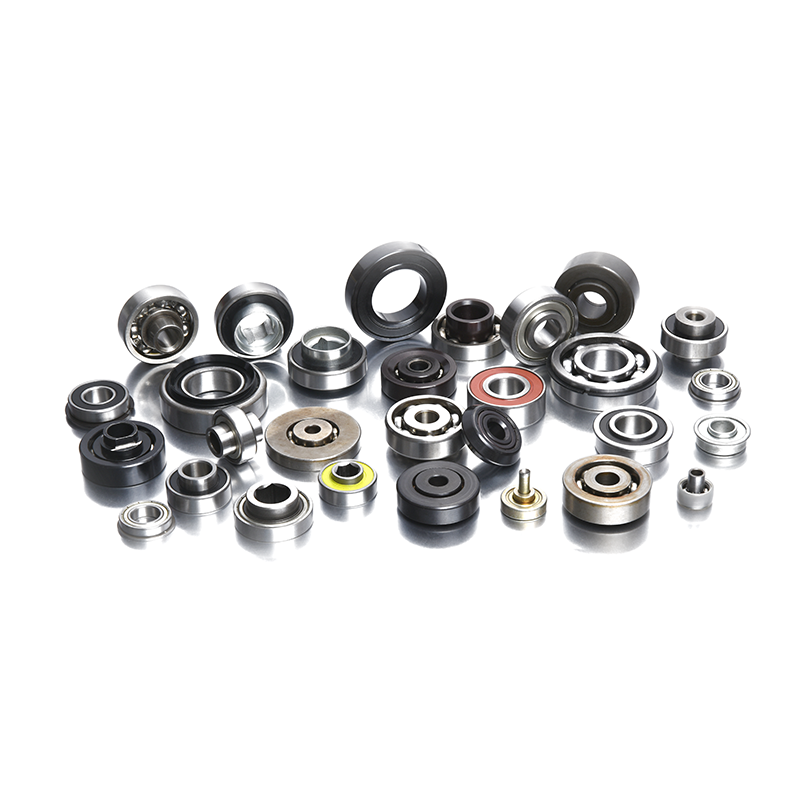
Read MoreShort answer: The Deep Groove Ball Bearing 60 Series delivers an unmatched combination of high-speed performance, low noise, long service life, and dimensional versatility — making it the industry benchmark for precision equipment worldwide.
In the world of mechanical engineering, the bearing is one of the most critical yet often overlooked components. Choose the wrong bearing and you face vibration, overheating, premature failure, and costly downtime. Choose the right one — specifically the Deep Groove Ball Bearing 60 Series — and your precision equipment runs smoother, longer, and more efficiently.
This article explores in depth why engineers, procurement specialists, and maintenance teams consistently select the 60 Series deep groove ball bearing for demanding applications, from electric motors and CNC machines to medical devices and robotics.
Content
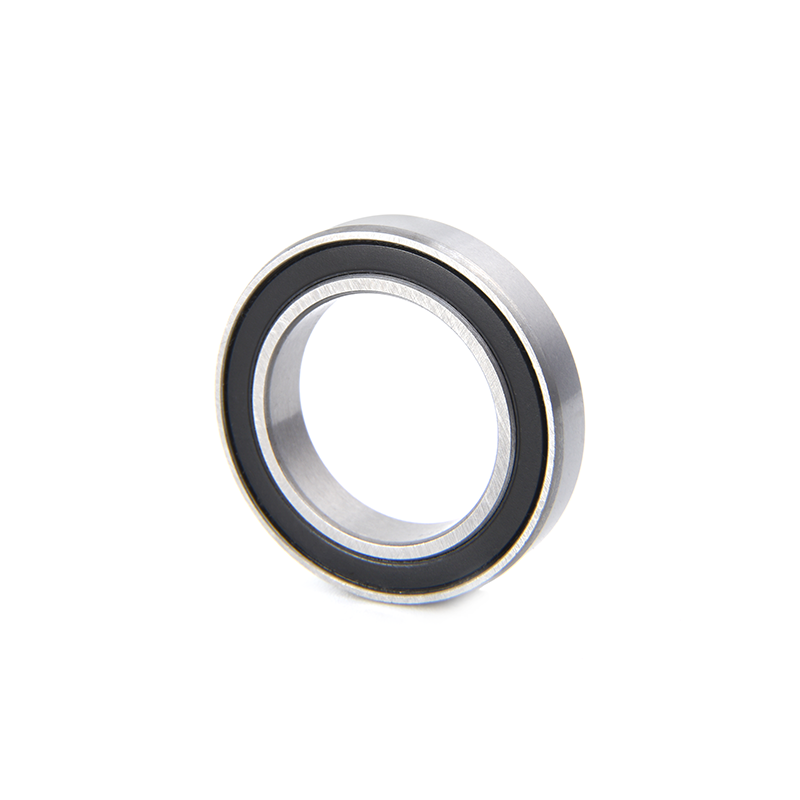
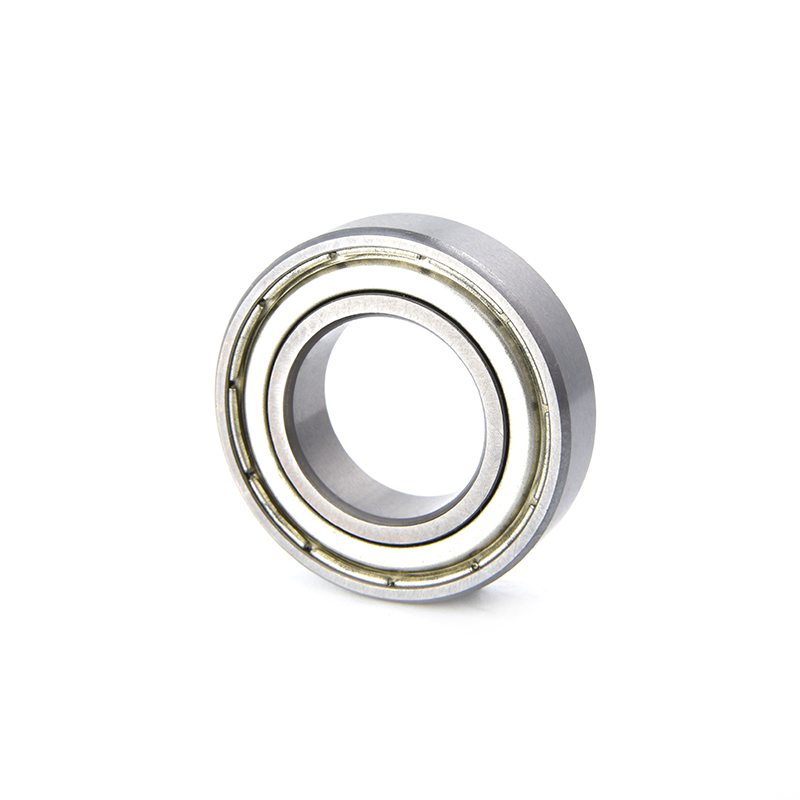
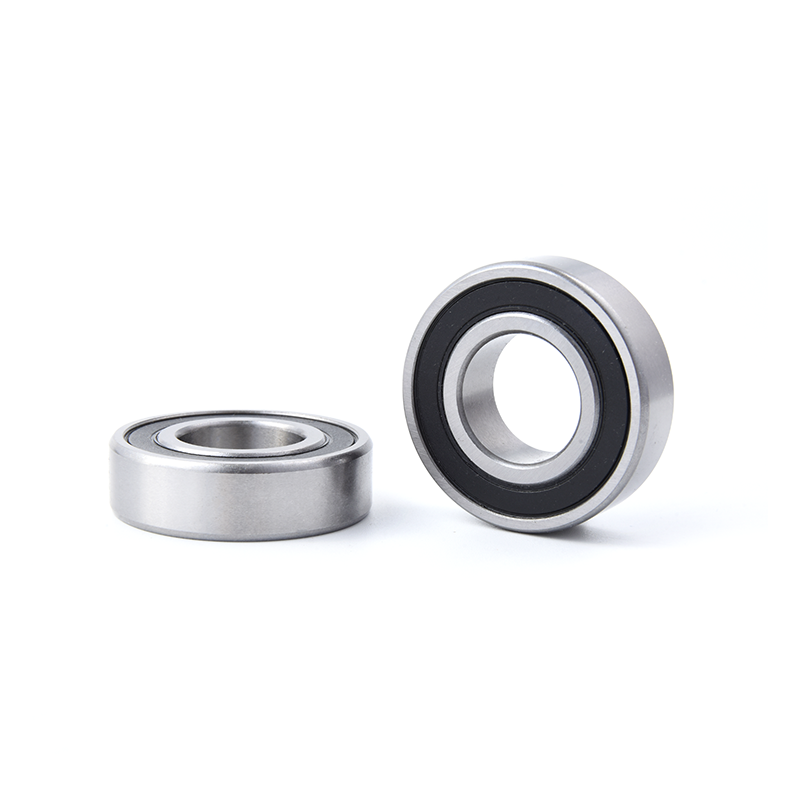
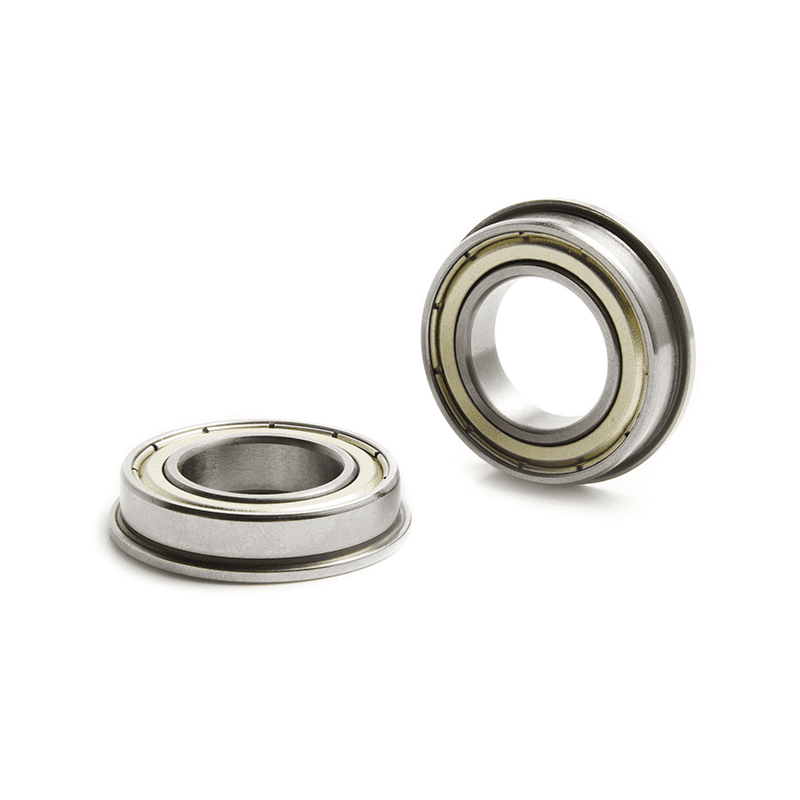
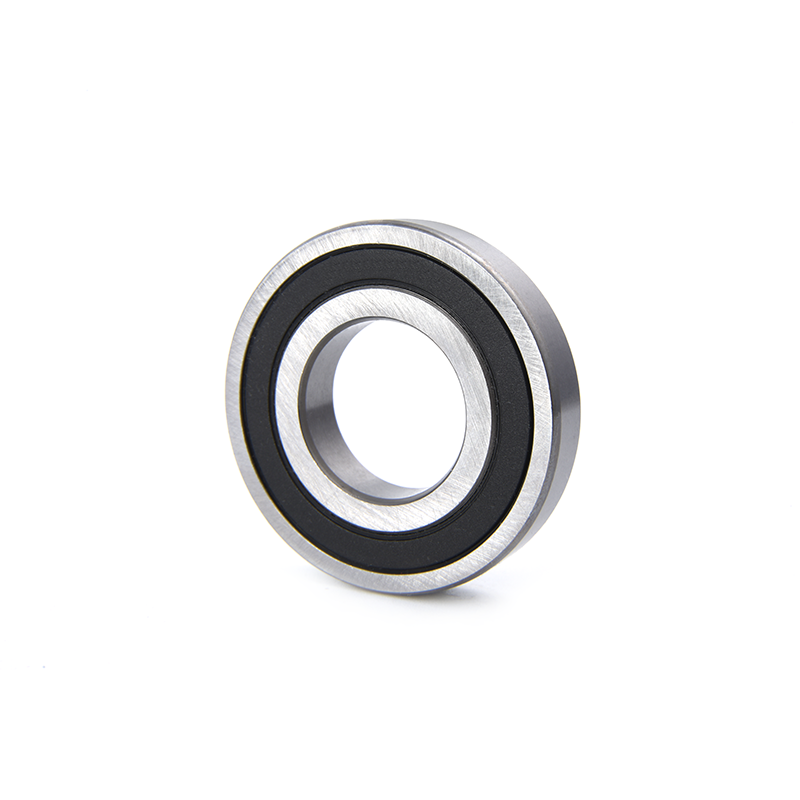
The Deep Groove Ball Bearing 60 Series refers to a standardized family of single-row radial ball bearings with a relatively small cross-section and deep raceway grooves. Governed by ISO 15 standards, the 60 series covers bore diameters from 10 mm (6200) up to 150 mm (6230) and beyond, providing a consistent interface across global supply chains.
Unlike angular contact bearings or tapered roller bearings, the deep groove design enables the bearing to accommodate both radial and moderate axial loads simultaneously in either direction — without the need for complex mounting arrangements.
Precision equipment — think spindle motors, dental drills, turbomolecular pumps — demands bearings that maintain stability at extreme rotational speeds. The Deep Groove Ball Bearing 60 Series achieves limiting speeds up to 36,000 RPM (for smaller sizes with polyamide cages and grease lubrication), far exceeding what roller or needle bearings can sustain. The geometry reduces centrifugal ball loading and cage wear, making it ideal for long continuous high-speed operation.
In precision instruments, electric motors, and audio equipment, noise and vibration levels directly impact product quality. The 60 Series deep groove ball bearings are manufactured to tight tolerances with superior surface finish on raceways and balls, achieving low vibration levels. Noise grades such as V1, V2, and V3 designations ensure specific vibration thresholds are met for the most demanding applications.
Many precision devices impose both radial forces (shaft weight, belt tension) and axial forces (thrust from helical gears, fan pressure). The deep groove design of the 60 Series accommodates axial loads up to approximately 25–30% of the dynamic radial load capacity — in both directions — without the need for additional bearing arrangements. This simplifies design and reduces component count.
Calculated bearing life (L10) for the 60 Series routinely reaches tens of thousands of operating hours under normal conditions. Double-sealed variants pre-filled with premium grease (e.g., 6205-2RS) require zero maintenance for extended intervals, reducing total cost of ownership in field-deployed equipment.
The table below lists the most widely used sizes in the 60 Series with their principal dimensions and load ratings:
| Bearing No. | Bore d (mm) | OD D (mm) | Width B (mm) | Dyn. Load Cr (kN) | Static Load C0r (kN) | Speed Limit (rpm) |
| 6200 | 10 | 30 | 9 | 5.10 | 2.36 | 36,000 |
| 6201 | 12 | 32 | 10 | 6.82 | 3.10 | 32,000 |
| 6202 | 15 | 35 | 11 | 7.65 | 3.55 | 28,000 |
| 6203 | 17 | 40 | 12 | 9.55 | 4.75 | 24,000 |
| 6204 | 20 | 47 | 14 | 12.80 | 6.55 | 20,000 |
| 6205 | 25 | 52 | 15 | 14.00 | 7.80 | 18,000 |
| 6206 | 30 | 62 | 16 | 19.50 | 11.20 | 16,000 |
| 6208 | 40 | 80 | 18 | 29.00 | 17.80 | 12,000 |
| 6210 | 50 | 90 | 20 | 35.00 | 23.20 | 9,500 |
| 6212 | 60 | 110 | 22 | 52.70 | 38.00 | 8,000 |
How does the Deep Groove Ball Bearing 60 Series stack up against other common bearing families? The table below provides a clear side-by-side analysis:
| Criterion | 60 Series DGBB | 62 Series DGBB | Angular Contact (7000) | Tapered Roller | Needle Roller |
| Cross-section | Narrow / compact | Medium | Narrow | Large | Very narrow |
| Radial Load Capacity | Good | Higher | Good | Excellent | Very High |
| Axial Load (both directions) | Yes |
Yes |
One direction only | One direction only | No |
| Speed Performance | Excellent |
Good | Excellent | Moderate | Limited |
| Noise Level | Low |
Low | Low | Moderate-High | Moderate |
| Mounting Simplicity | Simple |
Simple | Moderate | Complex | Simple |
| Cost | Low |
Low | Medium-High | Medium | Low-Medium |
| Best For | Precision, high-speed, compact | General industrial | Thrust-dominant | Heavy radial + thrust | Very tight radial space |
As the comparison shows, the 60 Series deep groove ball bearing delivers the most balanced performance profile. Where the 62 Series offers higher radial capacity with a larger cross section, the 60 Series excels in compactness and speed — the decisive factors for most precision equipment.
Selecting the correct protection variant is critical to achieving the stated service life. The following comparison explains each option:
| Variant | Example | Protection Level | Relubrication | Typical Use Case |
| Open | 6205 | None | Required | Oil bath / mist lubricated gearboxes |
| Single Shield (Z) | 6205-Z | Partial | Possible one side | Semi-clean environments |
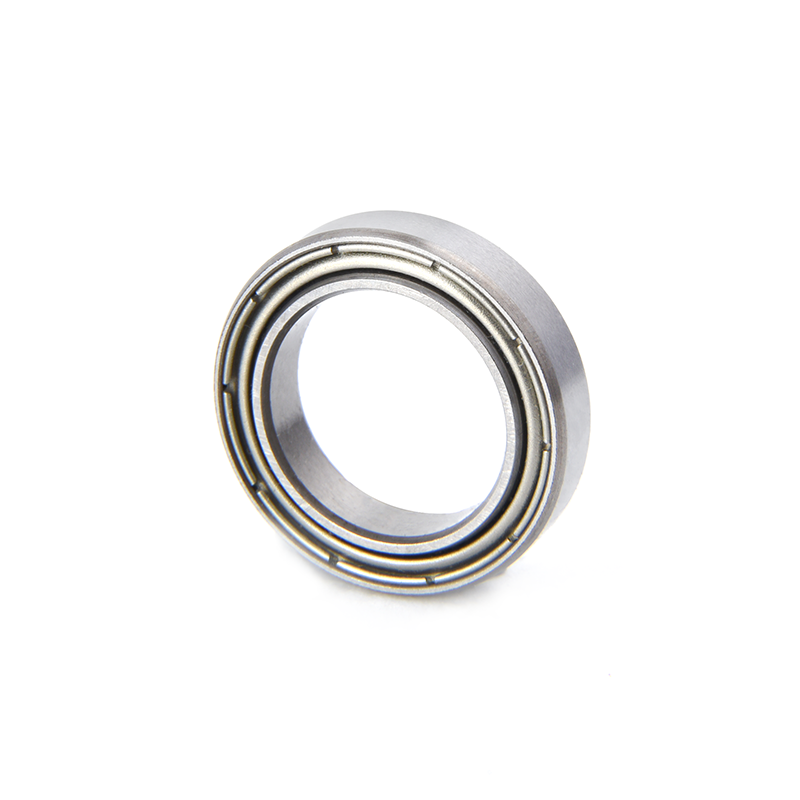
| Double Shield (2Z) | 6205-2Z | Good | Sealed for life | Electric motors, industrial fans |
| Single Seal (RS) | 6205-RS | Very Good | Sealed one side | Pumps, moderate contamination |
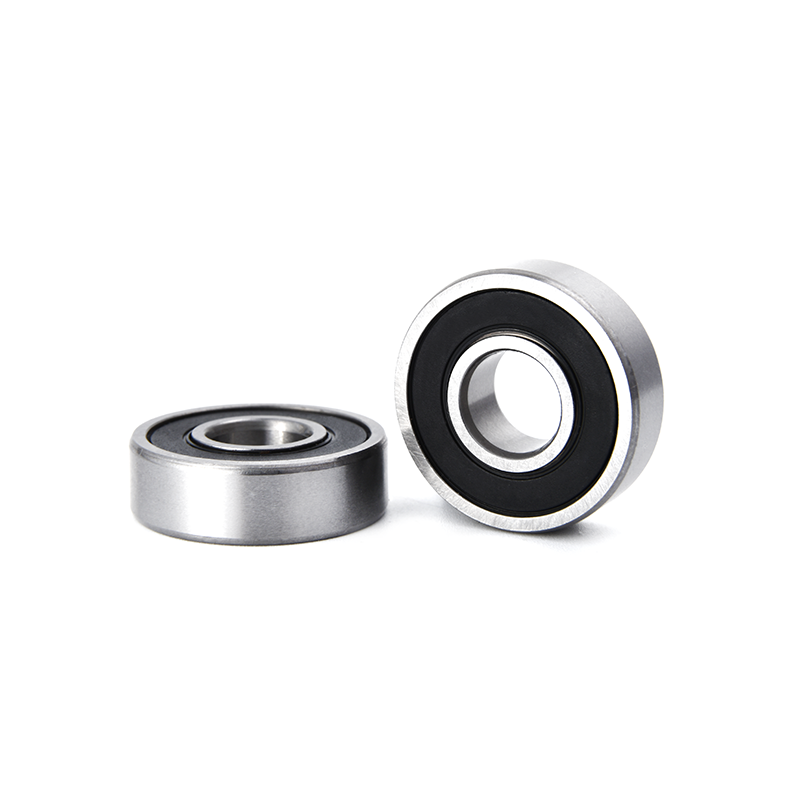
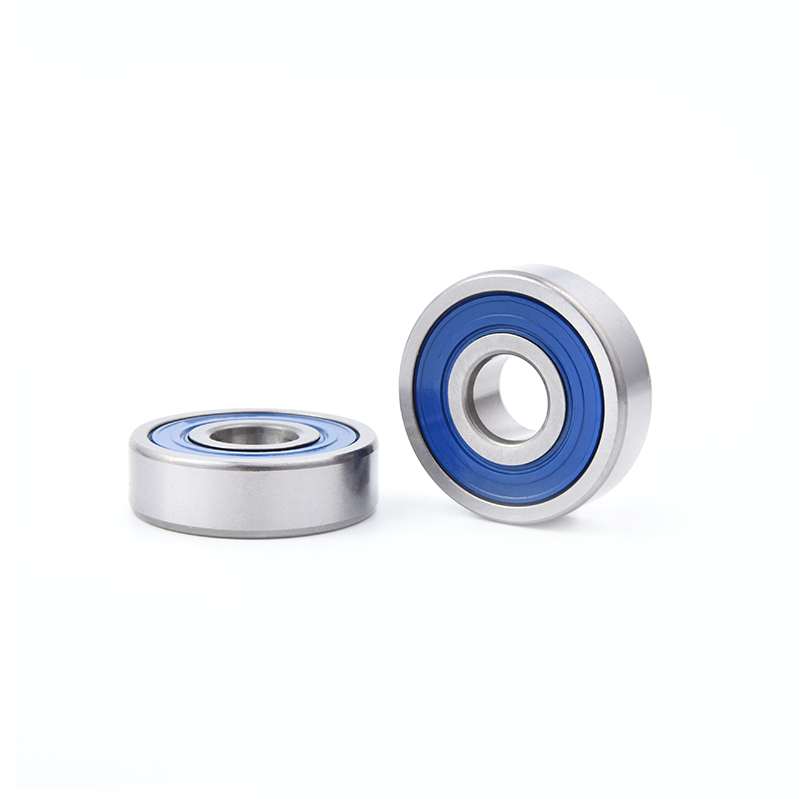
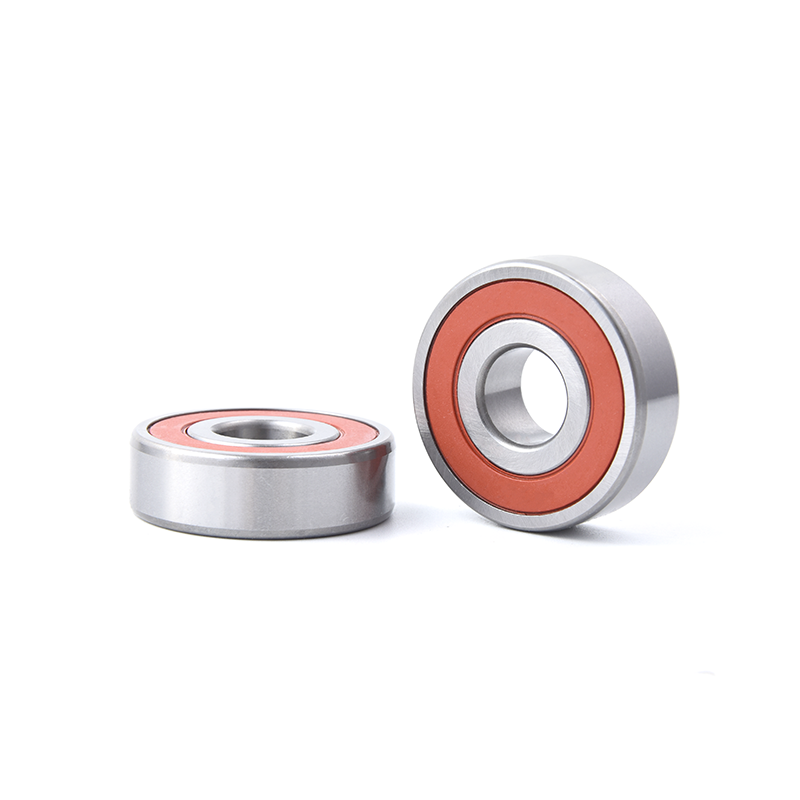
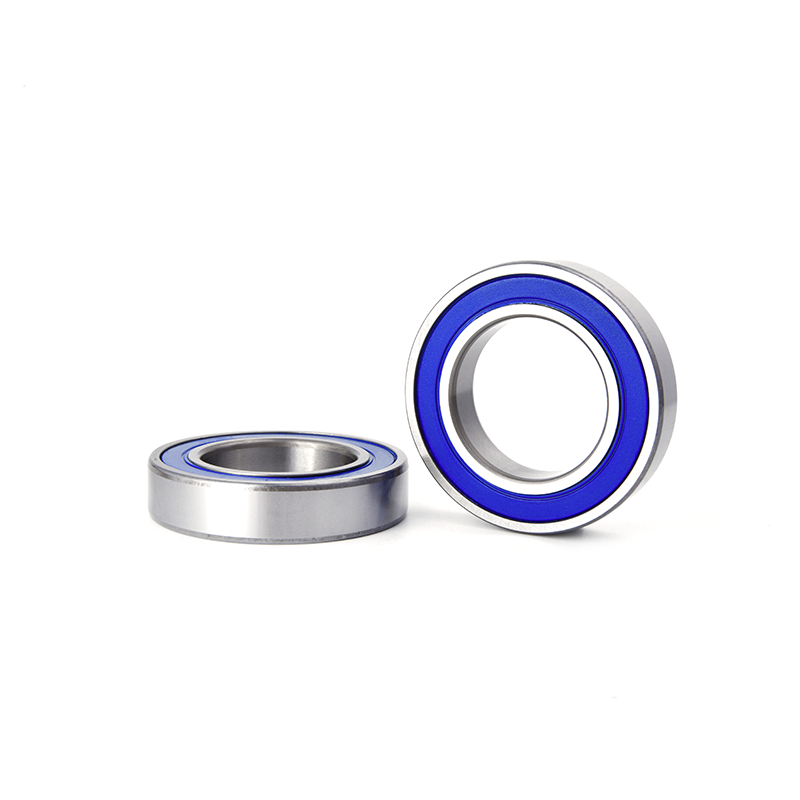
| Double Seal (2RS) | 6205-2RS | Excellent | Sealed for life | Agriculture, construction, food processing |
The versatility of the 60 Series means it is found across virtually every sector of modern manufacturing:
Correct lubrication is the single most important factor in achieving rated bearing life for the 60 Series:
Incorrect mounting is the primary cause of premature bearing failure. Follow these guidelines to maximize the service life of your 60 Series bearings:
The "60" designation in the 60 Series refers to the ISO dimension series code, which specifies both the width series (0 = narrow) and diameter series (6 = medium outer diameter for a given bore). This standardized coding system allows engineers worldwide to specify interchangeable bearings regardless of manufacturer.
The 60 Series has a narrower cross-section (width series 0) compared to the 62 Series (width series 2), which results in a larger OD and wider width for the same bore diameter. The 62 Series therefore carries higher radial loads but is less suitable for space-constrained precision equipment where the 60 Series' compact profile is decisive.
Yes. The 60 Series can handle axial (thrust) loads in both directions simultaneously, up to roughly 25–30% of its dynamic radial load rating. For pure thrust applications or very high thrust-to-radial ratios, angular contact or thrust bearings would be the correct choice, but for mixed-load precision equipment, the 60 Series is highly capable.
For CNC machine tool spindles, select P4 grade (equivalent to ABEC-7) or P2 grade (ABEC-9) Deep Groove Ball Bearing 60 Series bearings. These provide runout values below 2.5 µm and 1.5 µm respectively — essential for achieving tight machining tolerances and superior surface finishes.
Internal clearance is indicated by a suffix: C2 (tighter than normal), CN (normal, no suffix needed), C3 (larger than normal), C4 (larger than C3). For precision equipment with interference shaft fits or elevated operating temperatures, C3 clearance prevents preloading during thermal expansion and is the most common choice in electric motors.
Yes — within the same precision grade and suffix designation. The ISO 15 standard governs the boundary dimensions (bore, OD, width, and chamfer) of all 60 Series bearings, ensuring dimensional interchangeability. However, internal geometry, cage design, and grease formulation may differ between manufacturers, which can affect performance in demanding applications. Always qualify replacements against your original specification.
The five most common causes are: (1) incorrect lubrication (wrong grease type, quantity, or relubrication interval), (2) contamination (dirt, water, or metal particles entering the bearing), (3) improper mounting (force applied through rolling elements or misalignment), (4) overloading (loads exceeding the bearing's dynamic or static rating), and (5) electrical fluting (stray currents from VFD-driven motors pitting the raceways). Addressing these systematically extends service life by multiples.
Few bearing families offer the breadth of capability that the Deep Groove Ball Bearing 60 Series delivers. Its compact cross-section makes it the default choice wherever space and weight are constrained. Its deep groove geometry manages both radial and axial forces without complex arrangements. Its high-speed capability is unmatched among comparably sized bearings. And its global standardization under ISO 15 ensures design continuity and supply chain resilience across the product lifecycle.
For design engineers specifying precision equipment, the decision calculus is often straightforward: start with the 60 Series, optimize the suffix (open, 2Z, or 2RS), select the appropriate precision grade (P0 to P4), match the internal clearance to the thermal and mounting conditions, and specify the correct material for the environment. This systematic approach delivers maximum reliability at minimum total cost of ownership.
Whether you are designing a new medical instrument, upgrading an aging CNC machine, or specifying bearings for a next-generation robot, the Deep Groove Ball Bearing 60 Series remains the most proven, most versatile, and most cost-effective solution available — a fundamental component that continues to define the standard for precision engineering worldwide.

0086-574-62812860
0086-574-62811929


West of Zhangting Industrial Zone, Yuyao, Ningbo City, Zhejiang Province, 315411, China
On weekdays, we will reply to you or call us within 12 hours of receiving the inquiry.

Contact Us