

 English
 中文简体
中文简体 Español
Call us
0086-574-62812860
0086-574-62811929

Our team is proud to offer on time guarantee and product guarantee to customer satisfaction.
Read MoreThe Deep Groove Ball Bearing 60 Series improves performance and efficiency through its precision-engineered raceway geometry, optimized internal clearances, and low-friction design — enabling higher speeds, longer service life, and reliable load handling in both radial and axial directions. Its standardized dimensional series makes it one of the most widely adopted bearing types across industries worldwide.
Content
The 60 Series deep groove ball bearing belongs to the ISO-standardized bearing dimension series defined by a specific ratio of outer diameter, bore, and width. Compared to other series such as the 62 or 63 series, the 60 series features a narrower cross-section — making it ideal for applications where space is constrained but rotational precision is critical.
This series is characterized by:
The defining characteristic of the deep groove ball bearing is its raceway profile. Unlike shallow-groove designs, the deep groove allows the balls to sit deeper within the race, increasing the contact angle and distributing load more evenly. This geometry allows the bearing to handle not only radial loads but also moderate axial (thrust) loads in both directions — without requiring a separate thrust bearing in many applications.
The result is a more compact drivetrain, fewer components, and reduced assembly cost — all without sacrificing load capacity or operational precision.
Internal clearance defines the total movement possible between the inner and outer ring before load is applied. The 60 Series deep groove ball bearing is available in multiple clearance classes — C2 (tight), CN (standard), and C3 (loose) — allowing engineers to precisely match bearing behavior to operating conditions such as temperature fluctuations, press-fit installations, or high-speed rotation.
Selecting the correct clearance class directly impacts noise, vibration, heat generation, and fatigue life. This tunability is a key design advantage of the 60 series.
The cage (retainer) separates and guides the rolling elements uniformly around the raceway. In the 60 Series, cages are available in stamped steel, polyamide (PA66), brass, and glass-fibre-reinforced polymer — each suited to different speed, temperature, and chemical environment requirements.
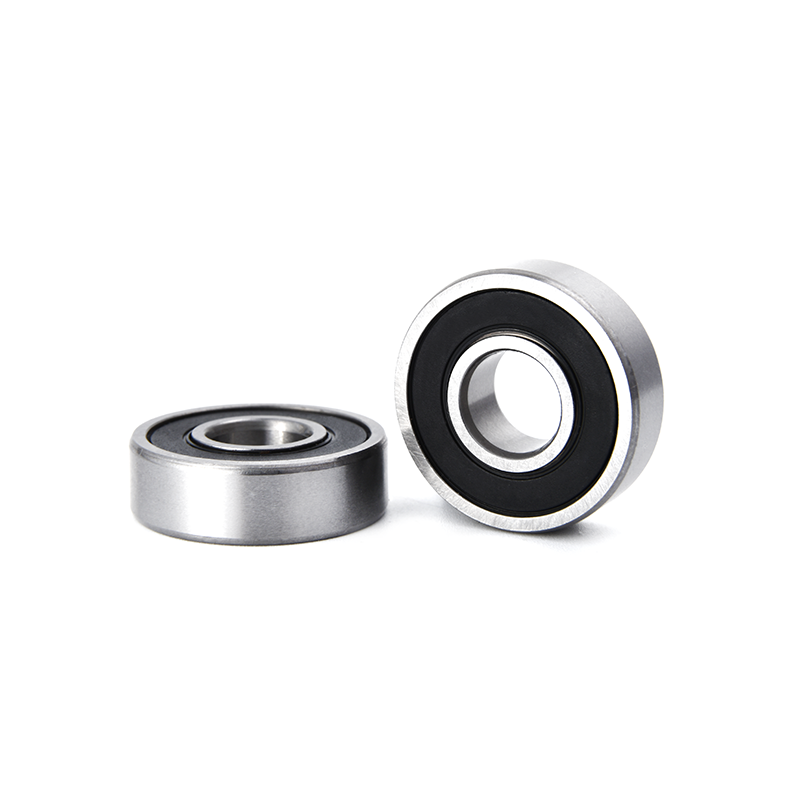
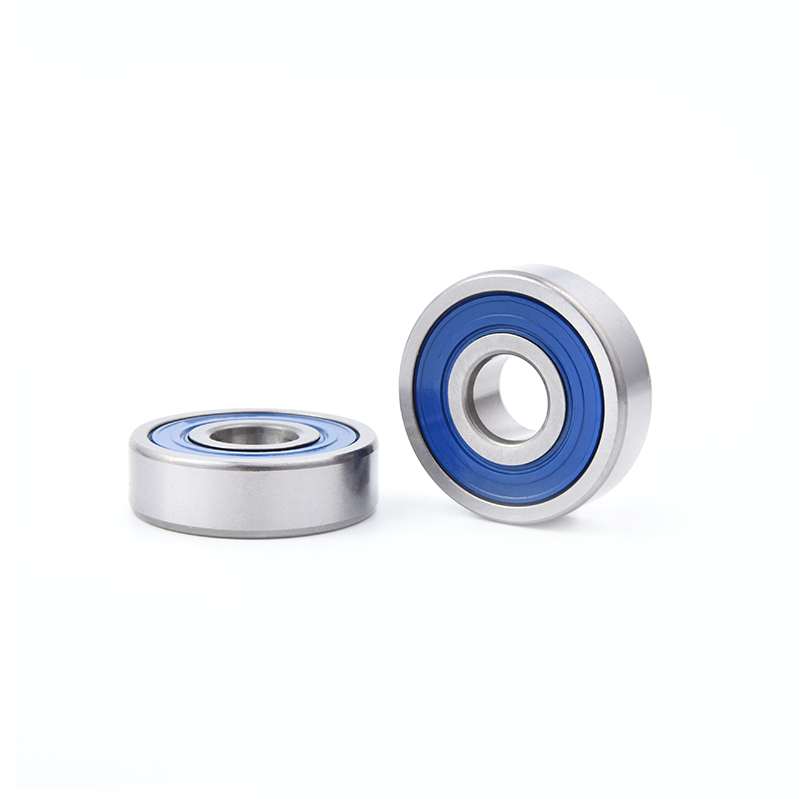
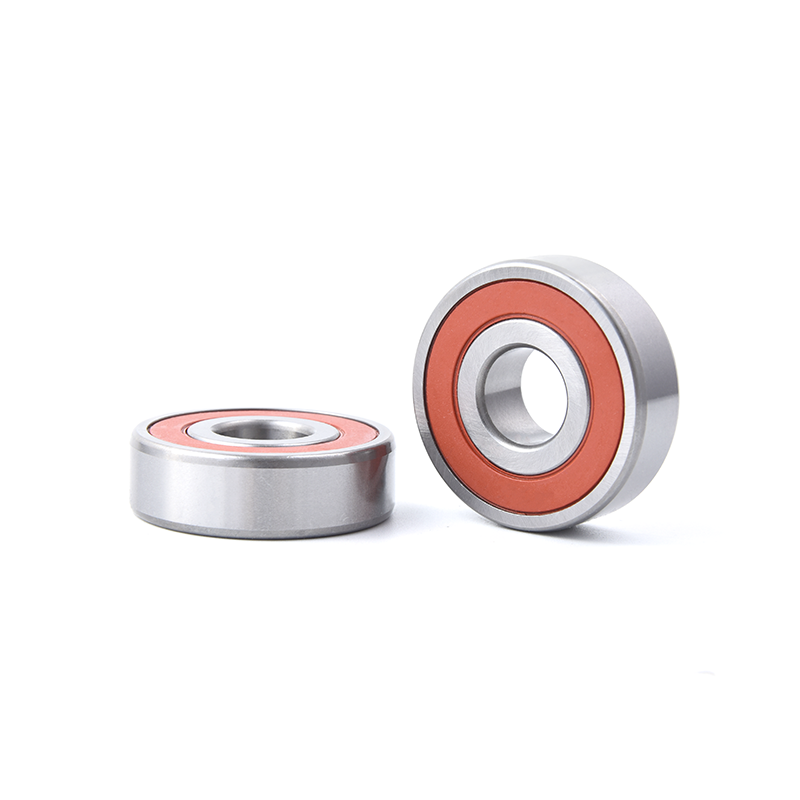
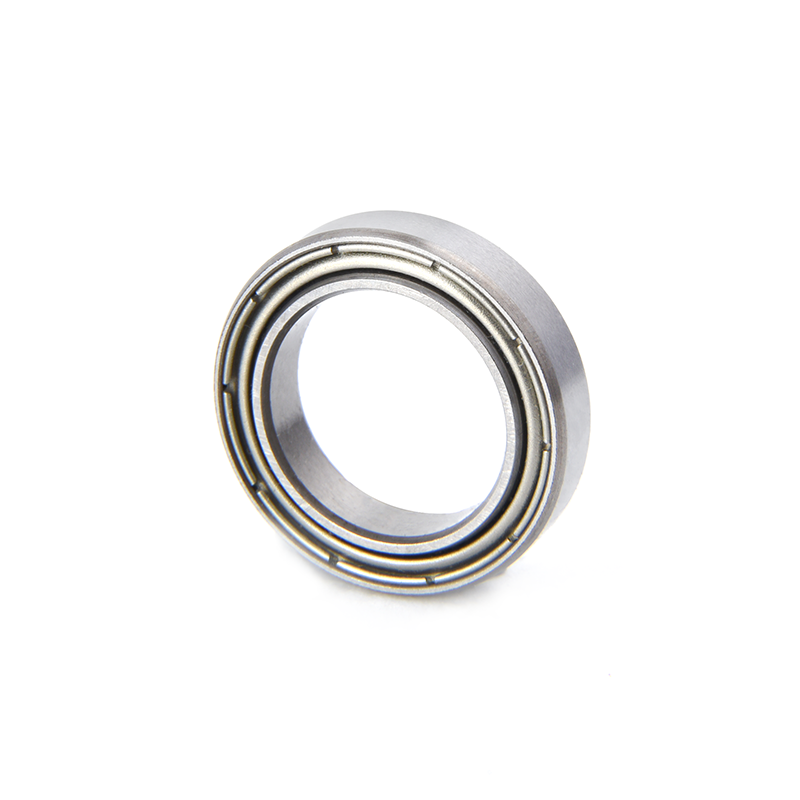
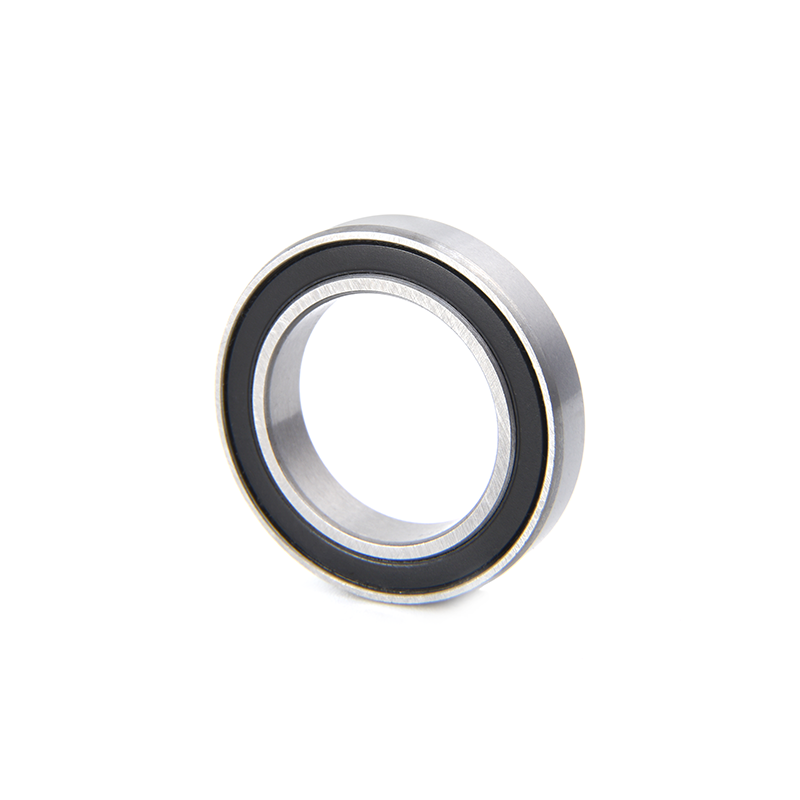
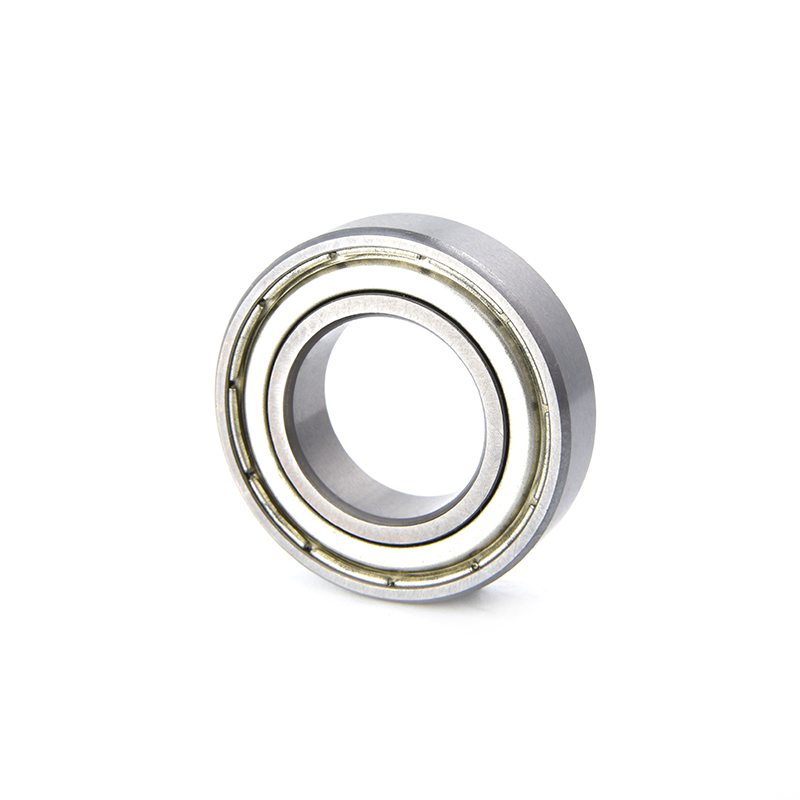
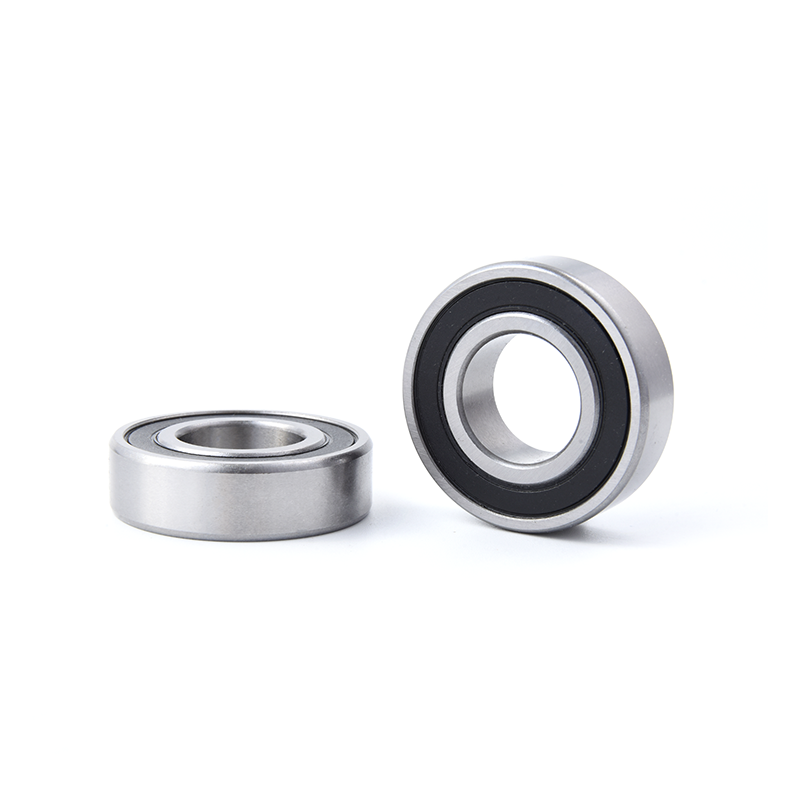
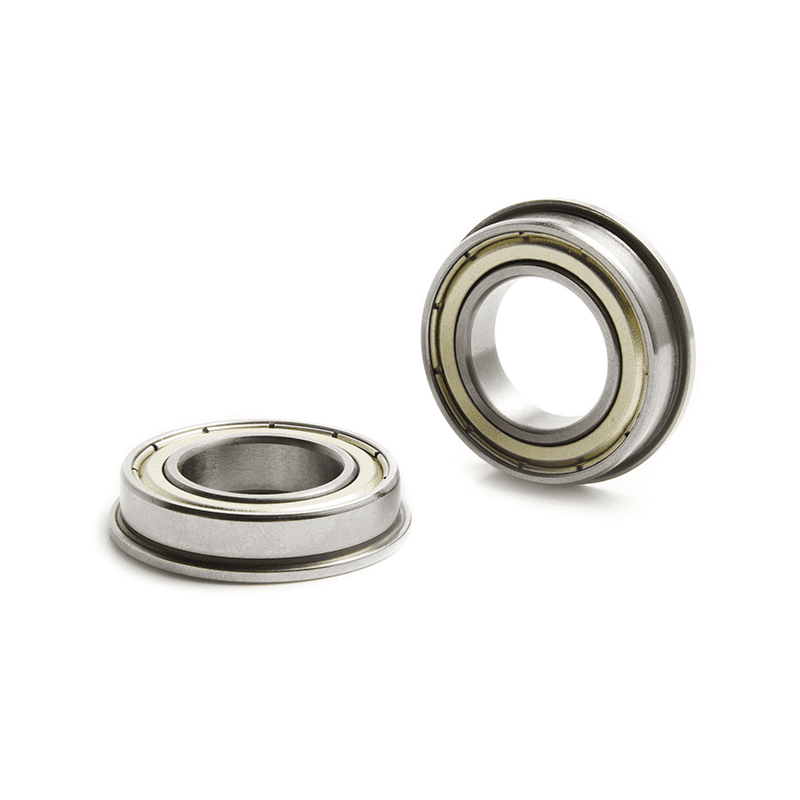
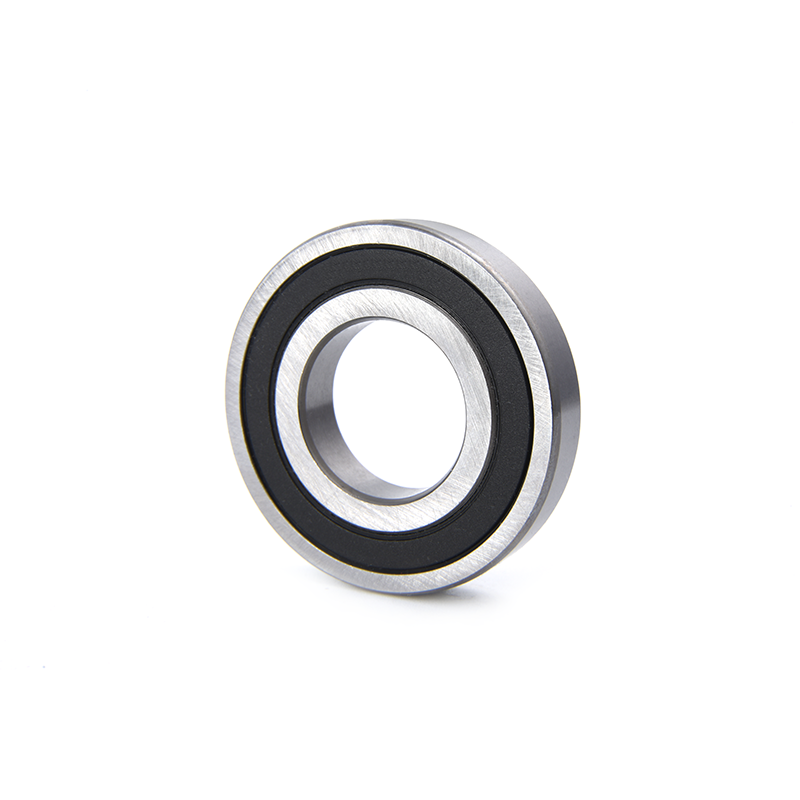
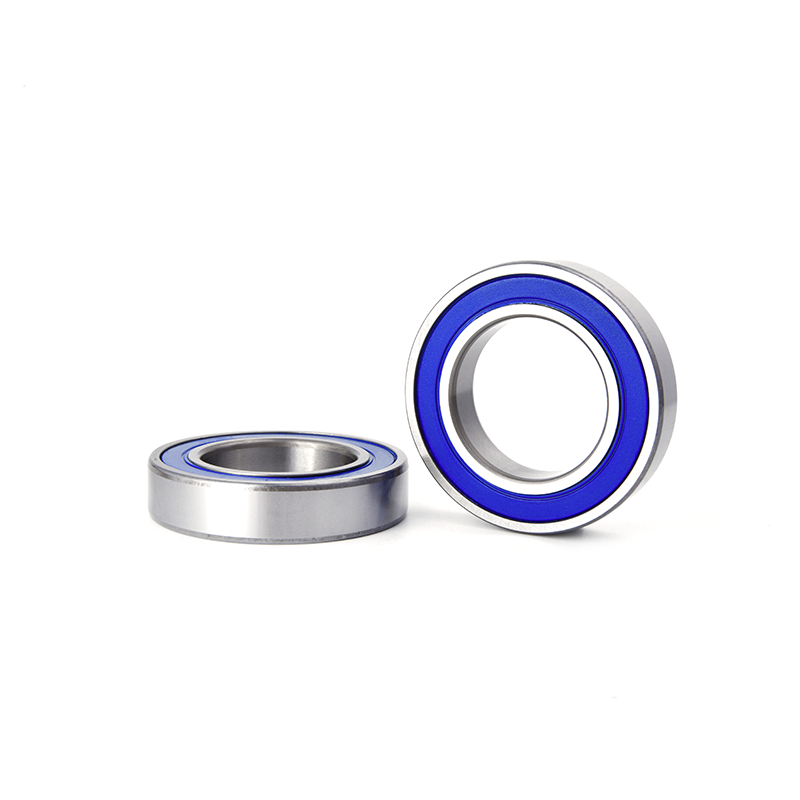
The deep groove ball bearing 60 series is offered in open, single-shielded (Z), double-shielded (ZZ), single-sealed (RS), and double-sealed (2RS) configurations. Sealed and shielded variants retain grease lubrication and prevent contamination ingress — extending maintenance intervals significantly.
Non-contact rubber seals (RZ or LLB type) add minimal friction drag while providing excellent protection, making them preferred in energy-sensitive applications such as electric motors and HVAC fans.
Understanding how the 60 series positions against other series helps engineers select the right bearing for their application:
| Feature | 60 Series | 62 Series | 63 Series |
| Cross-section width | Narrow | Medium | Wide |
| Radial load capacity | Moderate | High | Very High |
| Speed rating | High | Medium-High | Medium |
| Space requirement | Compact | Standard | Large |
| Typical application | Motors, instruments, fans | Pumps, gearboxes | Heavy machinery |
| Weight | Light | Medium | Heavy |
Energy efficiency in rotating machinery is directly tied to bearing friction losses. The deep groove ball bearing 60 series contributes to efficiency improvement in several measurable ways:
The point-contact geometry between balls and raceways produces minimal friction compared to sliding-contact bearing types. In applications like electric motors, this translates directly into lower input power requirements and reduced operating temperatures — extending insulation life and reducing cooling demands.
Modern 60 series bearings with low-friction seals (non-contact or light-contact designs) generate friction torque values comparable to open bearings while maintaining contamination protection. This is critical in appliances, fans, and pumps where continuous operation demands minimal energy waste.
Excess grease is a hidden source of energy loss. Pre-lubricated 60 series sealed bearings are factory-filled with precisely calculated grease volumes — typically 25–35% of free space — to minimize churning losses while ensuring adequate film thickness throughout the service life.
The versatility of the deep groove ball bearing 60 series makes it the preferred choice across a wide range of industries:
| Industry | Typical Application | Key Requirement |
| Electric Motors | Rotor shaft support | High speed, low noise |
| Household Appliances | Washing machines, fans, blenders | Long life, quiet operation |
| Automotive | Alternators, water pumps, power steering | Durability under vibration |
| Industrial Machinery | Conveyors, pumps, compressors | Load capacity, contamination resistance |
| Agricultural Equipment | Tractors, combine harvesters | Shock load resistance, reliability |
| Medical Devices | Dental tools, diagnostic equipment | Extreme precision, low vibration |
Advances in materials and surface treatments have significantly extended the performance envelope of the 60 series deep groove ball bearing:
Even the highest-quality 60 series bearing will underperform if incorrectly installed. Key guidelines include:
Q: What is the difference between a 60 series and a 62 series deep groove ball bearing?
The 60 series has a narrower cross-section and smaller outer diameter for a given bore size compared to the 62 series. The 62 series offers higher radial load capacity but occupies more space. Choose the 60 series when compactness and high speed are priorities; choose the 62 series when higher load capacity is needed.
Q: Can the deep groove ball bearing 60 series handle axial loads?
Yes. Thanks to its deep raceway geometry, the 60 series can accommodate moderate axial loads in both directions simultaneously with radial loading. For predominantly axial applications, a dedicated thrust bearing may be more appropriate.
Q: What lubrication is recommended for 60 series bearings?
Grease lubrication (lithium-based or polyurea-based) is standard for most applications. Oil lubrication is preferred for very high speeds or where heat dissipation is critical. Pre-sealed (2RS, ZZ) variants are factory-lubricated and maintenance-free for their design life.
Q: How do I select the correct internal clearance (C2, CN, C3) for my application?
C2 (tighter clearance) is used when bearings are press-fitted or where reduced play is needed. CN (standard) suits most general applications. C3 (larger clearance) is selected for high-temperature operation or when the shaft/housing fits cause significant ring expansion. Consult the operating temperature range and fit conditions when selecting.
Q: What is the typical service life of a 60 series deep groove ball bearing?
Service life depends on load, speed, lubrication quality, and mounting accuracy. Under standard operating conditions, basic rating life (L10) is calculated using ISO 281 formulas. With proper installation and lubrication, high-quality 60 series bearings in typical industrial applications commonly achieve tens of thousands of operating hours.
Q: Are ceramic hybrid 60 series bearings worth the extra cost?
For high-speed applications (above ndm 1,000,000), electrically charged environments (VFD motors, EV drivetrains), or extreme cleanliness requirements, ceramic hybrid bearings provide measurably longer life, lower heat, and electrical isolation. The cost premium is typically justified by reduced downtime and energy savings.
The Deep Groove Ball Bearing 60 Series represents a carefully engineered balance between compactness, speed capability, and versatile load handling. Its deep raceway geometry, availability in multiple clearance classes, advanced cage and sealing options, and compatibility with modern materials and coatings make it an enduring standard in precision engineering.
Whether the goal is to reduce energy consumption in an electric motor, extend service intervals in an industrial pump, or achieve silent operation in a household appliance, the 60 series deep groove ball bearing delivers proven, measurable improvements in both performance and efficiency. Proper selection — considering clearance, sealing, lubrication, and material — is the key to unlocking the full potential of this remarkable component.

0086-574-62812860
0086-574-62811929


West of Zhangting Industrial Zone, Yuyao, Ningbo City, Zhejiang Province, 315411, China
On weekdays, we will reply to you or call us within 12 hours of receiving the inquiry.

Contact Us