


 English
 中文简体
中文简体 Español
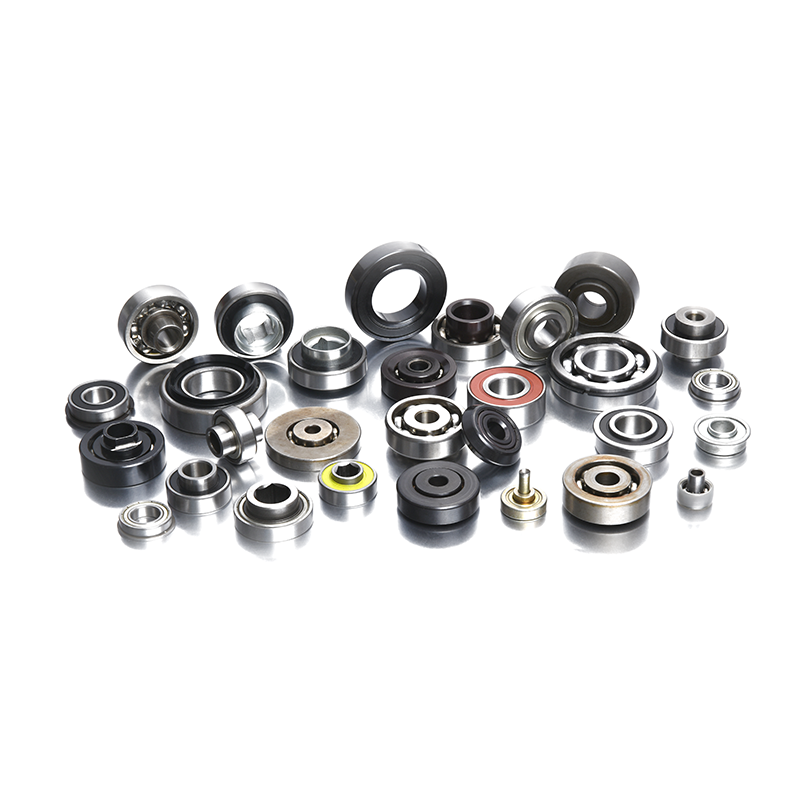
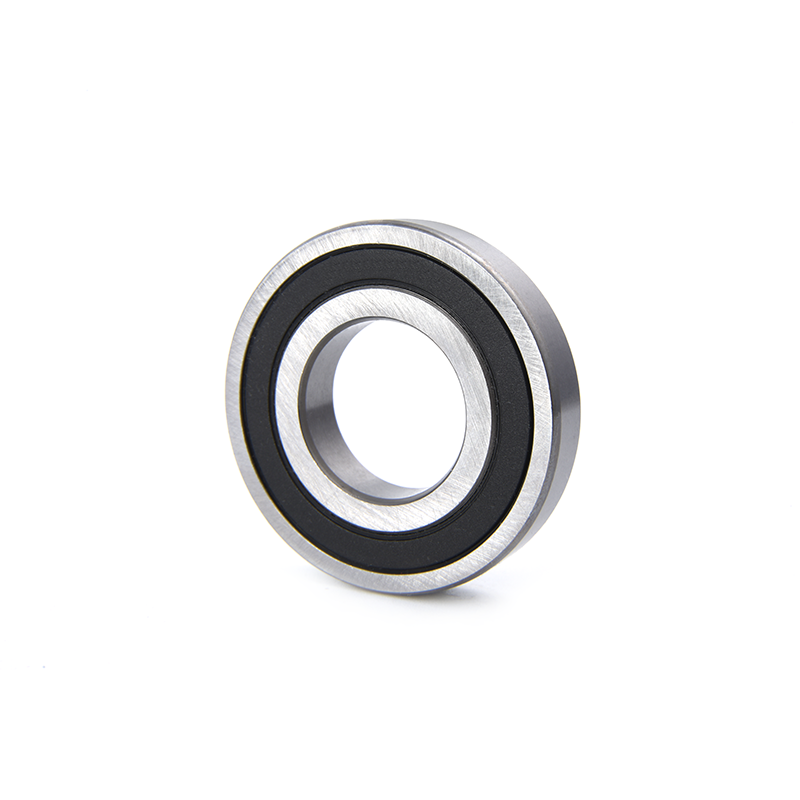
A fan motor starts growling, the maintenance team pulls the bearing, and the number on the seal reads 6205-2RS. That part is a single row ball bearing, and in most industrial machines it is exactly the right answer. One row of balls runs between the inner and outer rings, spaced by a cage, so friction stays low, speed capability stays high and the price stays sensible.
What a single row ball bearing is not is a universal answer. It carries radial load well and axial load only moderately, so heavy thrust, shaft deflection or very heavy radial duty usually calls for a different type or a double row design. The sections below cover what "single row" actually changes, how to read the part number, and the specification decisions that decide whether the bearing runs quietly for years or fails in months.
Content
- What "Single Row" Means in a Ball Bearing
- The Single Row Bearing Types You Will Actually Be Quoted
- Reading the Part Number: 60, 62, 63, 67, 68, 69, MR and Inch Series
- How to Specify a Single Row Bearing Before You Order
- Fitting, Lubrication and the Failure Signs Worth Reading Early
- Where Single Row Bearings Fit Best, and When Custom Pays
- Frequently Asked Questions
What "Single Row" Means in a Ball Bearing
Single row means exactly one row of balls between the rings, and that single contact path is the whole story: low friction, low heat and a high limiting speed, but less load capacity than a double row bearing of the same bore.
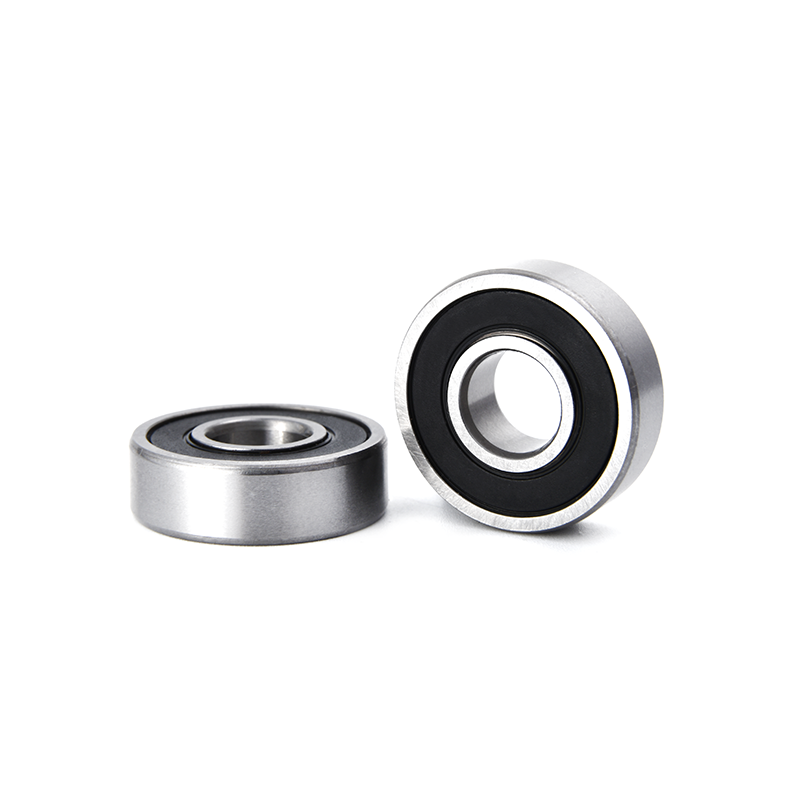
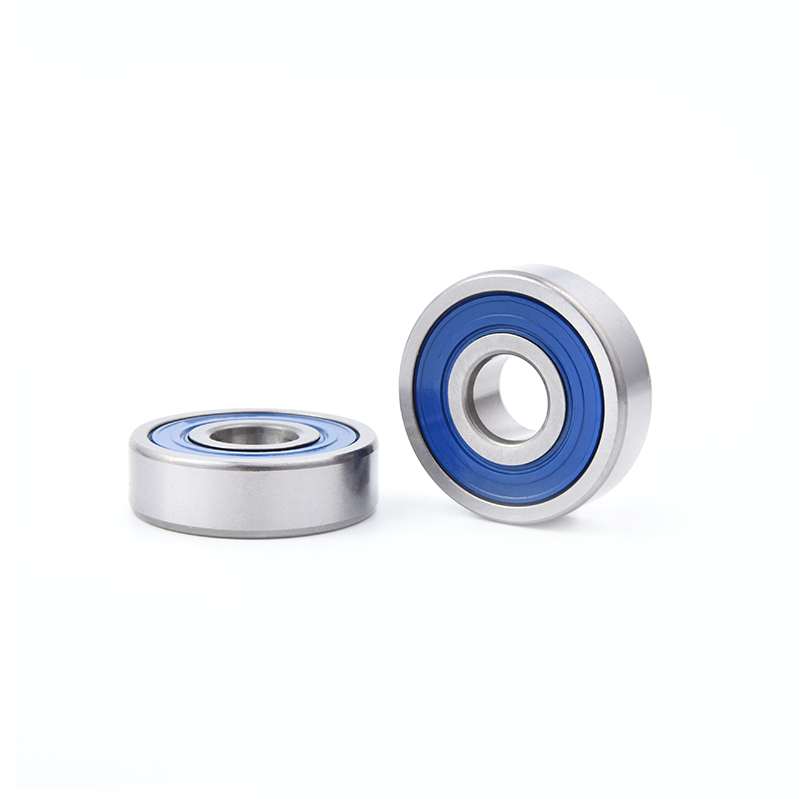
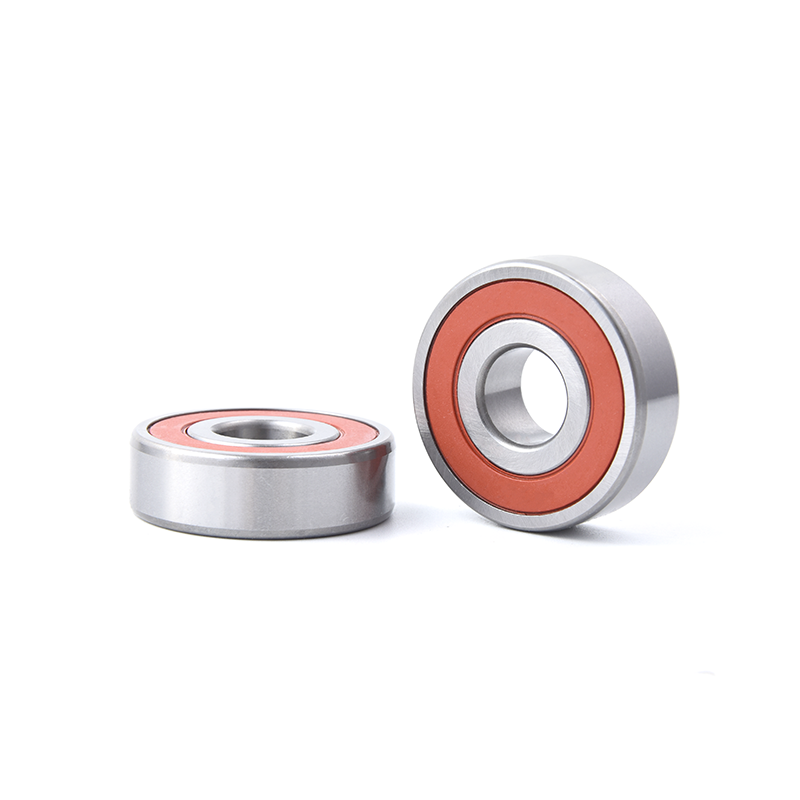
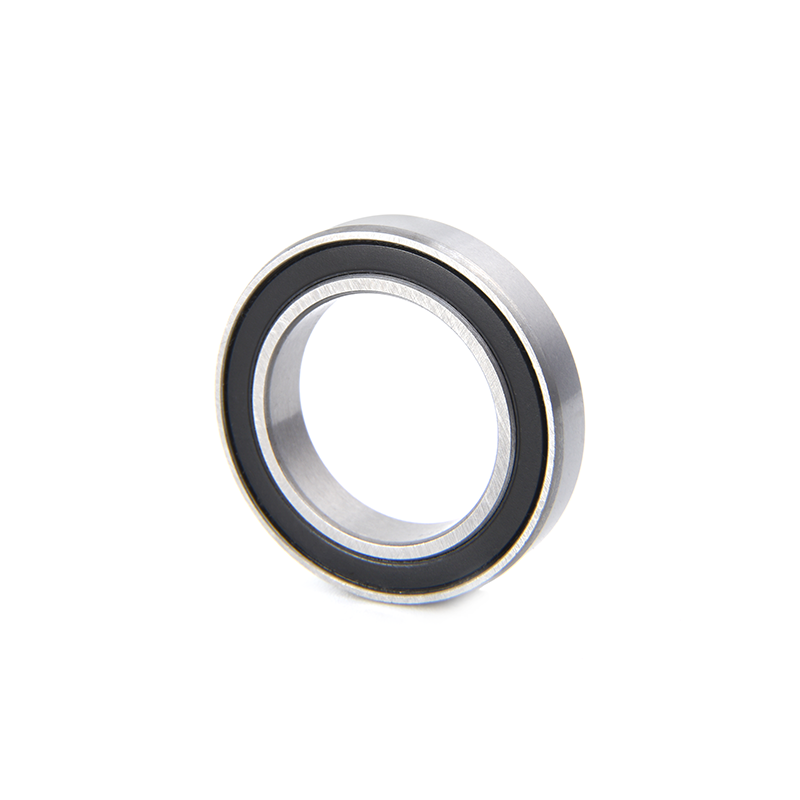
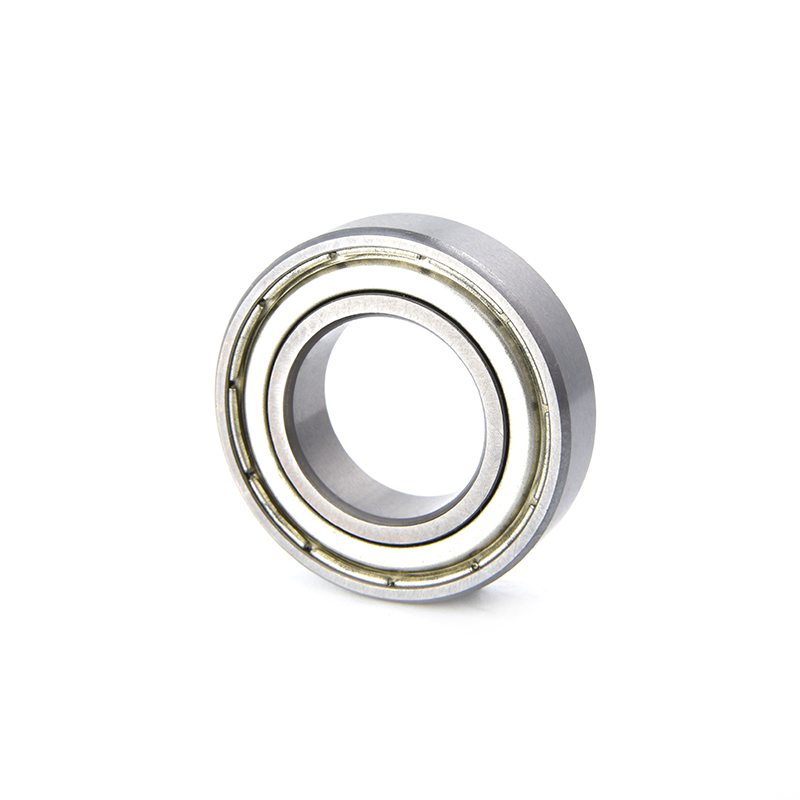
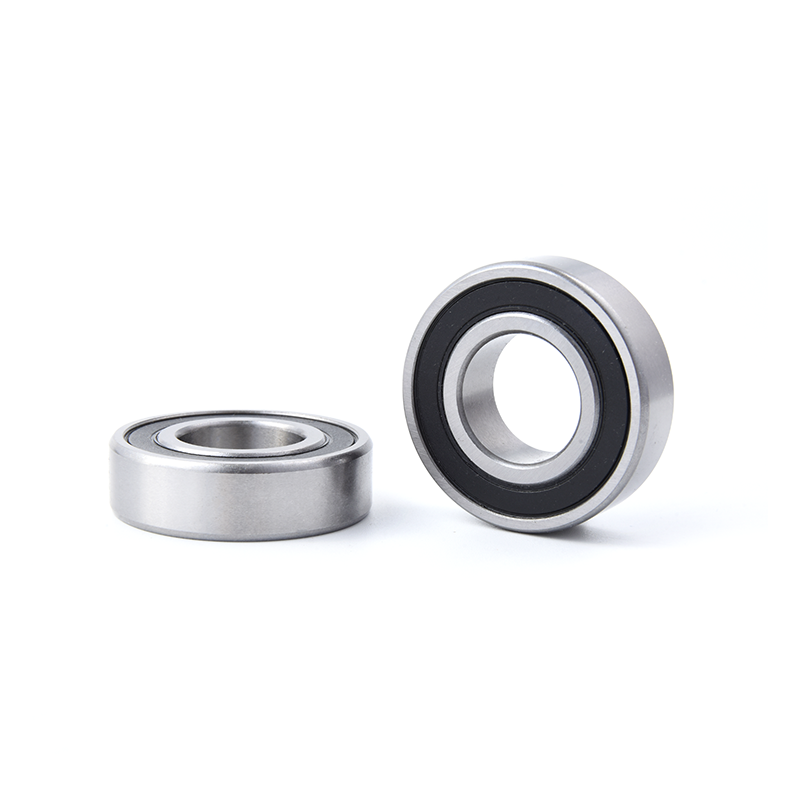
Every design shares the same basic parts: an inner ring with the inner raceway, an outer ring with the matching raceway, one row of balls sized and counted for the planned load, a cage of steel, polyamide or brass that keeps the balls evenly spaced, and optional shields or seals with a measured quantity of grease or oil.
In a deep groove design the raceways are continuous and slightly deeper than the ball radius, which creates a small contact angle. That is why a single row deep groove bearing accepts radial load plus a moderate axial load in both directions. The axial figure is a fraction of the radial rating and depends on internal clearance and preload, so it should be checked rather than assumed.
| Point of comparison | Single row | Double row |
|---|---|---|
| Rows of balls | One | Two |
| Radial load capacity | Lower for a given bore | Higher, up to roughly twice |
| Axial load capacity | Moderate, both directions | Moderate, split across two rows |
| Speed limit | High | Lower, more balls and more friction |
| Width at the same bore | Narrow | Wider |
| Friction and running heat | Lower | Higher |
| Relative cost | Lower | Higher |
| Typical duty | Motors, fans, pumps, appliances, wheels | Heavy radial loads in tight radial space |
The Single Row Bearing Types You Will Actually Be Quoted
Nine out of ten quotations for a single row ball bearing are for a deep groove bearing; the other designs exist for duties a deep groove bearing cannot handle.
Single row deep groove ball bearing
This is the workhorse. It takes radial load and moderate axial load in both directions, runs at high speed, and comes open, shielded or sealed. It covers the 60, 62, 63, 67, 68, 69, MR, flange, inch and nonstandard series described below.
Single row angular contact ball bearing
Here the contact line sits at an angle to the radial plane, usually 15 to 40 degrees, which raises axial capacity sharply. The trade-off is direction: one bearing takes thrust one way only, so these are mounted in pairs, back to back or face to face, with preload or clearance set by shims. Pump shafts, spindles and gearbox pinions are classic duties.
Single row thrust ball bearing
Built for axial load only, one direction per bearing, and it takes no useful radial load. Where the load reverses, a deep groove bearing or a matched angular contact pair is the practical choice.
A note on self-aligning bearings
Self-aligning ball bearings are two-row by design and should not be ordered as a single row substitute when housing misalignment is the problem. The single row response to misalignment is usually a wider clearance, a corrected housing fit, or a deliberate switch of type after checking the geometry.
 Custom Deep Groove Ball Bearing Series and SpecificationsBrowse standard and custom deep groove ball bearing series with model tables for bore, OD, load, speed, seals, clearance, and accuracy choices.View Product →
Reading the Part Number: 60, 62, 63, 67, 68, 69, MR and Inch Series
A bearing number is a specification in shorthand: in 6205-2RS/C3 the 62 sets the section and outer diameter, the 05 sets the bore, and the suffix sets sealing and internal clearance.
The bore rule is easy to remember. Codes 00, 01, 02 and 03 mean 10, 12, 15 and 17 mm; from 04 upward, multiply the code by five, so 05 is 25 mm and 08 is 40 mm. Codes written with a slash, such as /28, state the bore in millimetres directly. The series digit does the rest: a larger series number means thicker rings, a larger ball set and higher capacity at the same bore, paid for in outer diameter and weight.
| Series | Character | Typical bore | Where it fits |
|---|---|---|---|
| 60 | Light section, narrow rings | 10-100 mm | Space-limited drives, small gearboxes |
| 62 | Medium section, general purpose | 10-100 mm and above | Motors, pumps, fans, conveyors |
| 63 | Heavy section, thick rings | 10-100 mm and above | Higher radial loads at the same bore |
| 67 (617) | Extra thin section | 3-20 mm | Very tight radial space, instruments |
| 68 (618) | Thin section | 5-40 mm | Weight-sensitive assemblies |
| 69 (619) | Thin to medium section | 6-50 mm | Compact drives needing more than a 68 |
| MR | Miniature | 1-10 mm | Small motors, instruments, lab equipment |
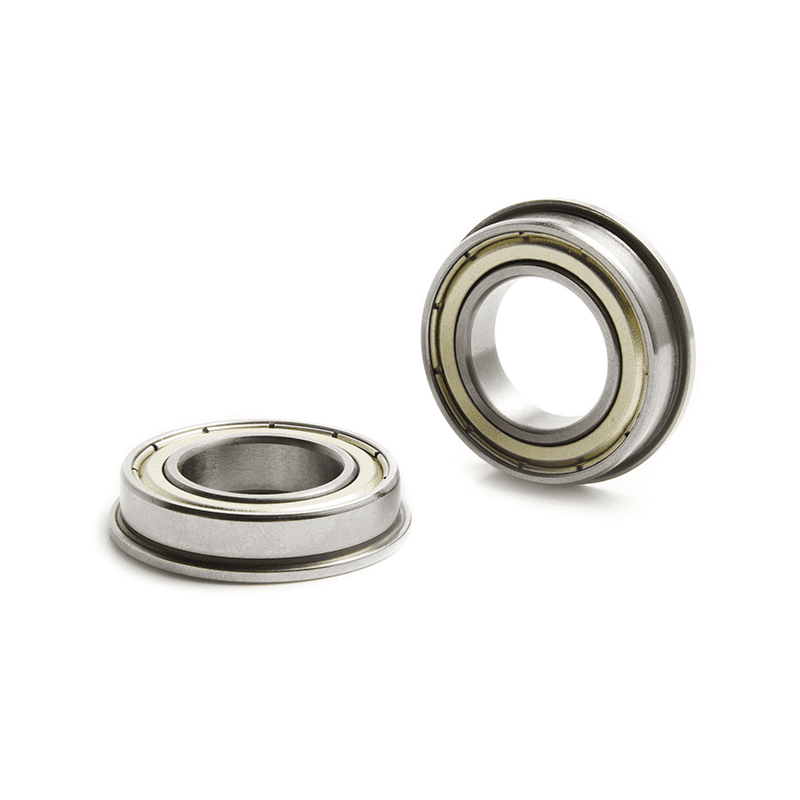
| Flange series | Outer ring with locating flange | 3-30 mm | Thin sheet-metal housings, automation modules |
| Inch R and 16 series | Imperial bores | 1/8 to 1 in | Replacing imported imperial equipment |
| Nonstandard | Custom bore, width, groove or chamfer | Built to drawing | Special machines and retrofit projects |
Suffixes matter as much as the series. Z and 2Z are steel shields, RS and 2RS are contact seals, C2 through C4 set internal clearance, N or NR adds a snap ring groove, and grade codes such as P6 or P5 set running accuracy. Ratings, tolerances and limiting speeds for specific combinations are published on our technical data page.
OEM Deep Groove Ball Bearing 62 Series ModelsView 62-series models 623–6210 with bore, OD, load ratings, speed limits, shield, seal, clearance, and accuracy options.View Product →How to Specify a Single Row Bearing Before You Order
Five decisions decide whether a single row bearing reaches its calculated life: envelope and fit, internal clearance, closure, lubricant, and accuracy grade.
- Confirm the envelope from the drawing: bore, outer diameter and width, plus the shoulder diameters that locate each ring.
- Estimate the load. Compare combined radial and axial load with the dynamic rating C and keep a working safety factor for shock or reversing duty.
- Set clearance. CN suits normal fits and normal temperature rise; C3 is common where the inner ring is a tight fit on a hot shaft; C2 belongs with preloaded precision assemblies.
- Choose the closure, from open bearings in oil-lubricated gearboxes to 2RS seals in dusty plants.
- Choose lubricant and grade together, because grease quantity and accuracy grade both drive noise and heat.
| Designation | Construction | Speed | Protection | Best for |
|---|---|---|---|---|
| Open | No closure | Highest | None | Oil-lubricated, clean enclosed gearboxes |
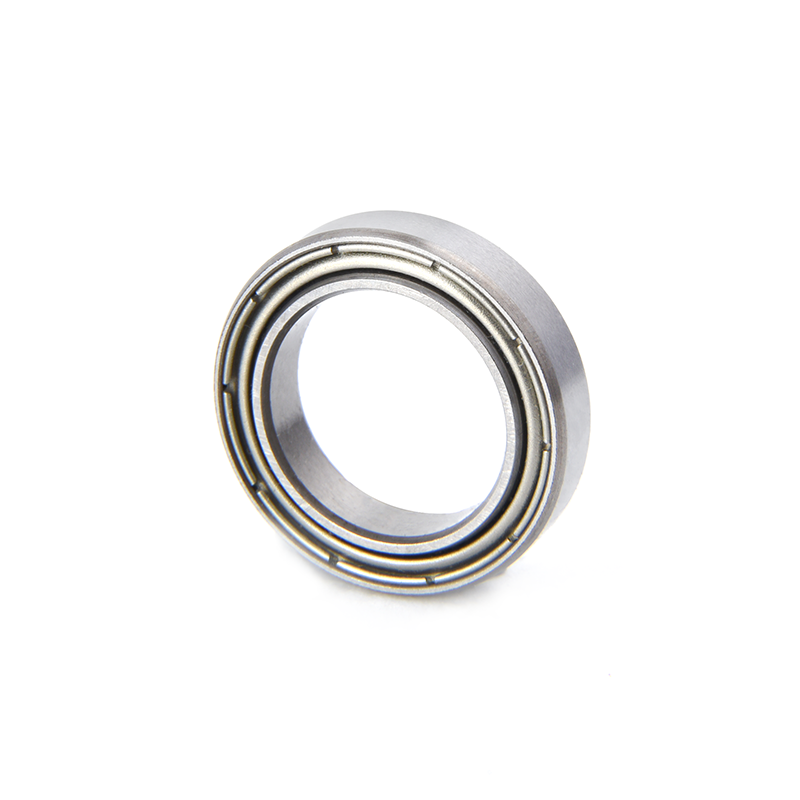
| Z / 2Z | Steel shield, one or both sides | High | Dust, non-contact | Motors with light dust, low torque needs |
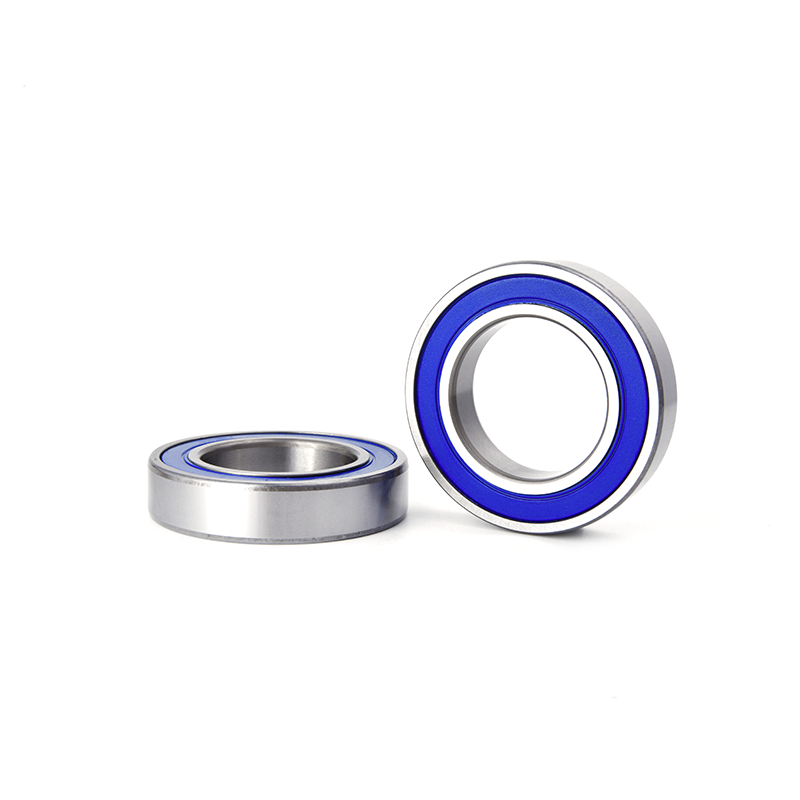
| RS / 2RS | Rubber lip seal, one or both sides | Lower | Dust and moisture | Pumps, fans, appliances, dusty workshops |
| Low-torque seal | Light contact lip | Moderate | Good | Appliances with noise and starting torque limits |
| Non-contact seal | Labyrinth or gap design | High | Moderate | High-speed spindles needing low drag |
For a worked view of how these choices interact, this guide on choosing the right deep groove ball bearing walks through load, speed and environment in sequence.
Fitting, Lubrication and the Failure Signs Worth Reading Early
Most single row bearings that fail young were damaged during fitting or starved of lubricant, not manufactured badly, so the first hour matters more than the last thousand.
- Put the interference on the rotating ring: a rotating inner ring normally wants a k5 or m5 shaft with the housing at H7 or J7.
- Press on the ring being fitted, never through the balls, and if an induction heater is used, keep the bearing between 80 and 100 degrees Celsius.
- Match grease to temperature: grease life roughly halves for every 15 degrees of extra running temperature above 70 degrees Celsius.
- Treat a rising whine as a symptom. It usually points to lubricant starvation or the wrong clearance, not to the balls.
- Read colour after a failure. Blue or brown rings mean overheating, red fretting on the outer ring seat means a loose housing, and a one-sided wear track means the housings are not aligned.
- Replace bearings and seals together and keep the failed bearing until the new one has run for an hour.
Where Single Row Bearings Fit Best, and When Custom Pays
Catalogue single row deep groove bearings cover the overwhelming majority of rotating duties; custom design pays back when the housing, the environment or the load profile falls outside the catalogue.
Current duties include motor and gearmotor shafts, pumps, fans and blowers, conveyor idlers, appliance motors where noise is a purchase criterion, and automotive or motorcycle parts such as wheel hubs, alternators and starter motors. In automation, flanged single row bearings let a module be located in a thin aluminium plate without a machined shoulder. On dusty sites, a 2RS bearing with the correct grease normally outlasts an open bearing with a separate seal.
Custom work becomes worthwhile when the bore, width or flange has to match an existing casting, when a snap ring groove or special chamfer replaces a machined shoulder, when the bearing must be sealed for life, or when running temperature demands a different steel, cage or grease. The practical route is to send a drawing with load, speed, temperature and expected life, and let the manufacturer confirm whether a standard series will do or a custom ring is cheaper than redesigning the housing.
OEM Non-Standard Series Deep Groove Ball BearingsExplore custom and non-standard deep groove bearings made to drawings, with tables for dimensions, flanged variants, seals, loads, and speeds.View Product →Frequently Asked Questions
Is a single row ball bearing the same as a deep groove ball bearing?
No. Deep groove is the most common single row design, but the single row family also includes angular contact, thrust and miniature ball bearings. If a quotation says "single row" without a series, ask which design it is.
Can a single row bearing take axial load?
A single row deep groove bearing takes a moderate axial load in both directions, and that capacity grows with internal clearance. A single row angular contact bearing handles far more thrust, but only one way, so it must be used in pairs.
Which is quieter, 2Z or 2RS?
At the same grease and grade, 2Z shields usually show slightly less drag and noise. In dusty or humid plants, though, the 2RS bearing is quieter across a full service interval because its lubricant stays clean.
When is a double row bearing the better buy?
When radial load is too high for a single row bearing of the permitted bore and there is no room to step up to a larger 63 series, a double row design packs more rolling elements into the same envelope.
Single row ball bearings are simple parts, but they are specified rather than picked, and the specification is where cost, noise and service life are settled. Buyers who can read a series number, name a clearance class and describe the environment usually receive quotations that match the application on the first attempt.
Yuyao Kangtian Bearing Co., Ltd. has manufactured bearings in Yuyao, Ningbo, since 1993, running two wholly owned plants of 31,000 square metres with an annual capacity of roughly 30 million bearing sets. Production follows ISO 9001 and ISO 14001 based quality and environmental management, and the TTBC and Hemudu HMD brands are supplied to customers in more than 20 countries. The range covers 60, 62, 63, 67, 68, 69, MR, flange, inch and nonstandard deep groove ball bearings, together with thin wall and special designs for automotive, motorcycle and industrial customers, backed by on-time delivery and product guarantees. Send the drawing, the load and the running conditions, and the right single row bearing can be confirmed before the order is placed.



Contact Us