


 English
 中文简体
 Español

On a busy assembly line, a maintenance technician reaches for a hammer to tap a bearing onto a shaft. That single move can brinell the raceway, flatten the balls, and turn a precision component into a noise source. A bearing induction heater avoids that risk by heating the bearing evenly and quickly, expanding the inner ring just enough for a clean slip fit. The result is a bearing that runs quietly, reaches its expected service life, and does not fail in the first week after installation.
This article explains what a bearing induction heater does, how to set the right temperature, how to compare it with oil baths and open flames, and what to check before buying one. It also covers common mistakes and practical answers to questions that come up in workshops.
Content
What a Bearing Induction Heater Does and Why It Matters
A bearing induction heater uses an alternating magnetic field to generate eddy currents inside the bearing steel. Those currents heat the metal from within, so the bearing expands evenly. The purpose is simple: create enough clearance to slide the bearing onto a shaft without force.
That even expansion is the difference between a controlled mounting process and a damaged bearing. Hammering, pressing without support, or heating a bearing on a hotplate can distort races, damage cages, or leave the bearing at an unknown temperature. An induction heater puts the heat where it is needed and keeps the temperature measurable.
How induction heating works
Inside the heater, a copper coil carries high-frequency current. When a conductive, ring-shaped part such as a bearing inner ring is placed in the coil, the changing magnetic field induces circulating currents in the steel. The resistance of the steel converts those currents into heat. Because the heat is generated in the part itself, the process is fast and does not depend on contact with a hot surface.
What makes it safer than flame or oil bath
Open flames and oil baths can overheat a bearing before the operator notices. They also introduce contamination or uneven heating. An induction heater with a temperature probe and automatic shutoff keeps the bearing below the critical limit and reduces the chance of grease loss, seal damage, or metallurgical change.
Temperature Limits and Selection Criteria
For most mounted bearings, the target temperature is 80°C to 100°C, and the absolute maximum is usually 110°C to 120°C. Above that range, the steel can lose hardness, pre-packed grease can break down, and seals can soften or deform.
Temperature choice depends on the bearing size, the interference fit, and the shaft material. A small bearing with a light fit may need only 80°C. A large bearing with a heavier interference fit may need 100°C or slightly more, but the heater must be able to reach that temperature evenly without hot spots.
Matching heater capacity to bearing size
Heater capacity is usually rated by the maximum bearing weight or inner diameter it can handle. A 10 kg heater may be fine for small electric motor bearings, while a 100 kg or larger unit is needed for heavy industrial bearings. The coil size and shape must also accept the bearing without forcing it into place. If the bearing does not fit easily inside the coil, the heater is not the right size regardless of its power rating.
Temperature control and safety features
Look for adjustable temperature settings, a probe or thermocouple, automatic demagnetization, and a clear display. Automatic demagnetization matters because residual magnetism can attract metal particles into the bearing after installation. A timed shutoff prevents overheating if the operator is called away.
| Bearing condition | Recommended temperature | Upper limit |
|---|---|---|
| Small bearing, light fit | 80°C to 90°C | 100°C |
| Medium bearing, normal fit | 90°C to 100°C | 110°C |
| Large bearing, heavy fit | 100°C to 110°C | 120°C |
| Sealed or greased bearing | 80°C to 100°C | 110°C |
Step-by-Step Safe Mounting Procedure
Safe mounting with an induction heater follows a short, fixed sequence: prepare the parts, set the temperature, heat the bearing, install it promptly, and let it cool naturally under load. Skipping or rushing any step can undo the benefit of even heating.
- Clean the shaft, housing, and bearing. Remove burrs, dirt, and old grease.
- Measure the shaft and bearing bore to confirm the interference fit.
- Place the bearing in the induction heater coil according to the manufacturer's instructions.
- Set the target temperature. Use the lowest temperature that gives a smooth slip fit.
- Heat until the controller reaches the set point. Do not interrupt the cycle unless the display shows a fault.
- Wear heat-resistant gloves and move the bearing quickly onto the shaft in one smooth motion.
- Hold the bearing against the shoulder until it seats, then allow it to cool naturally. Do not quench it with water or compressed air.
Common mistakes and how to avoid them
The most common mistake is overheating. If the bearing smokes or the grease smells burnt, the temperature was too high. Another mistake is leaving the bearing in the heater after the cycle ends, which can continue to raise its temperature. A third is failing to demagnetize the bearing, which leaves it ready to collect ferrous debris. Check the heater's demagnetization function before every mounting job.
Comparing Induction Heaters with Other Methods
Induction heating is usually the fastest and most controllable method for mounting bearings, but it is not the only option. The right choice depends on bearing size, available power, and how often the work is done.
| Method | Heating speed | Temperature control | Contamination risk | Best use |
|---|---|---|---|---|
| Induction heater | Fast | High | Low | Frequent mounting, clean workshops |
| Oil bath | Slow | Medium | High | Occasional work with available oil tank |
| Open flame | Very fast | Low | High | Emergency work only |
| Heating oven | Slow | Medium | Low | Batch heating of small bearings |
Oil baths can heat a bearing evenly, but the oil must be clean and the temperature must be monitored. Open flames are difficult to control and can leave soot or heat one side of the bearing more than the other. Ovens are clean but slow and may heat seals and grease along with the steel. Induction heating avoids those trade-offs when the correct coil and temperature settings are used.
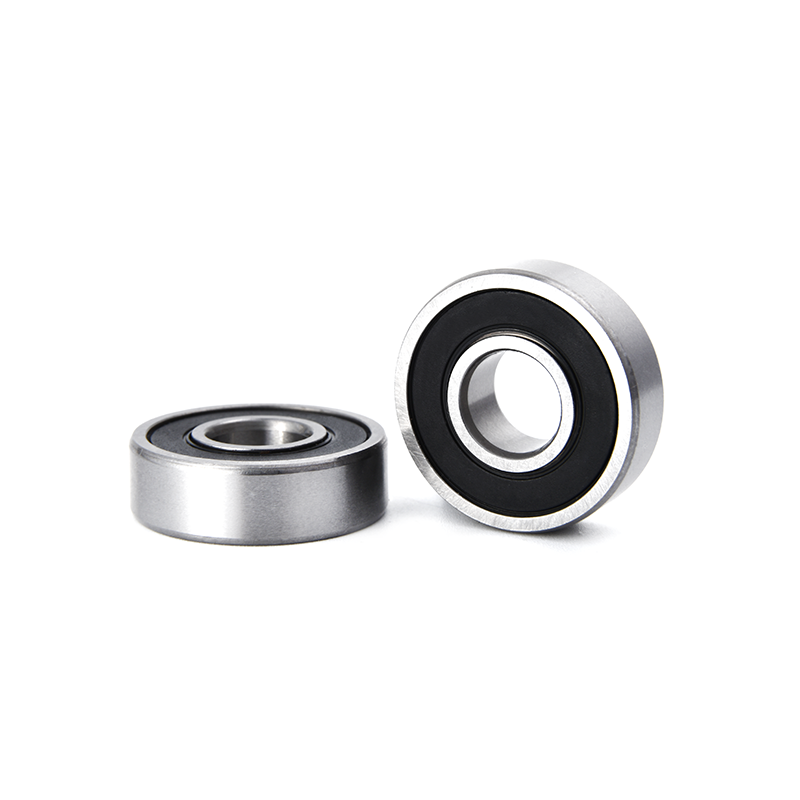
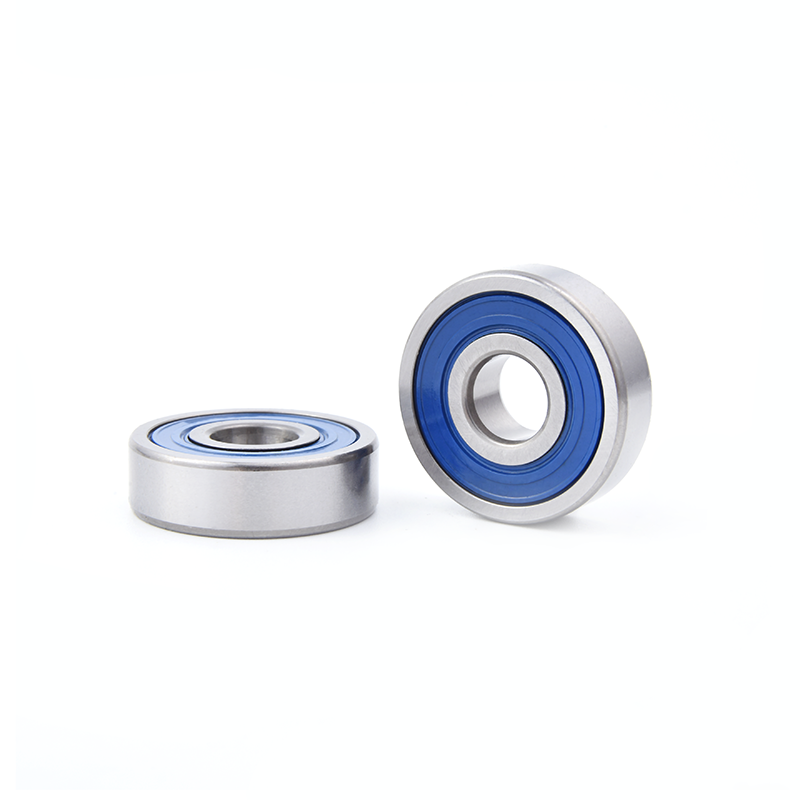
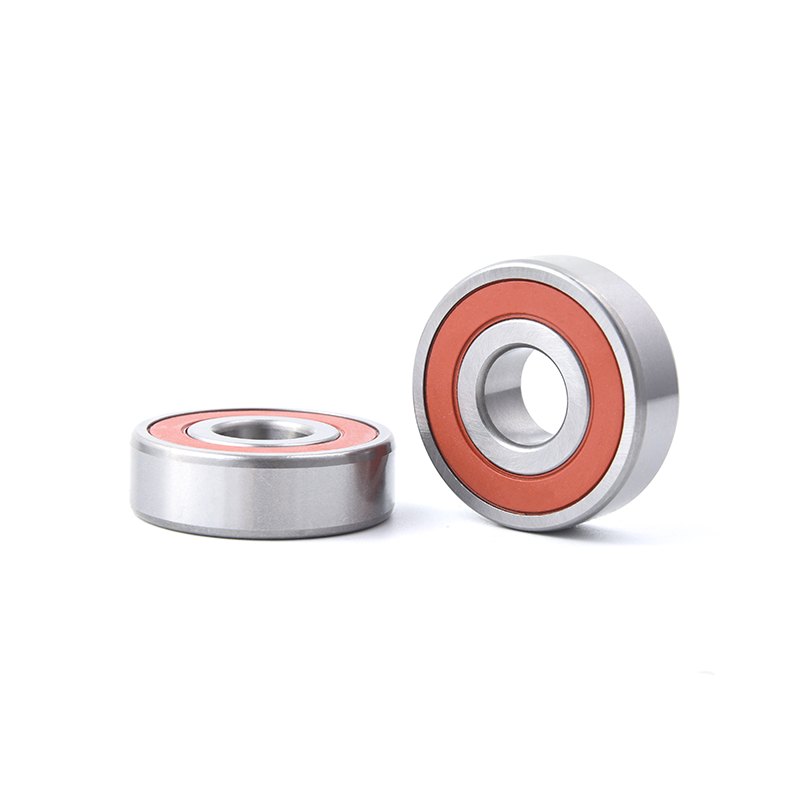
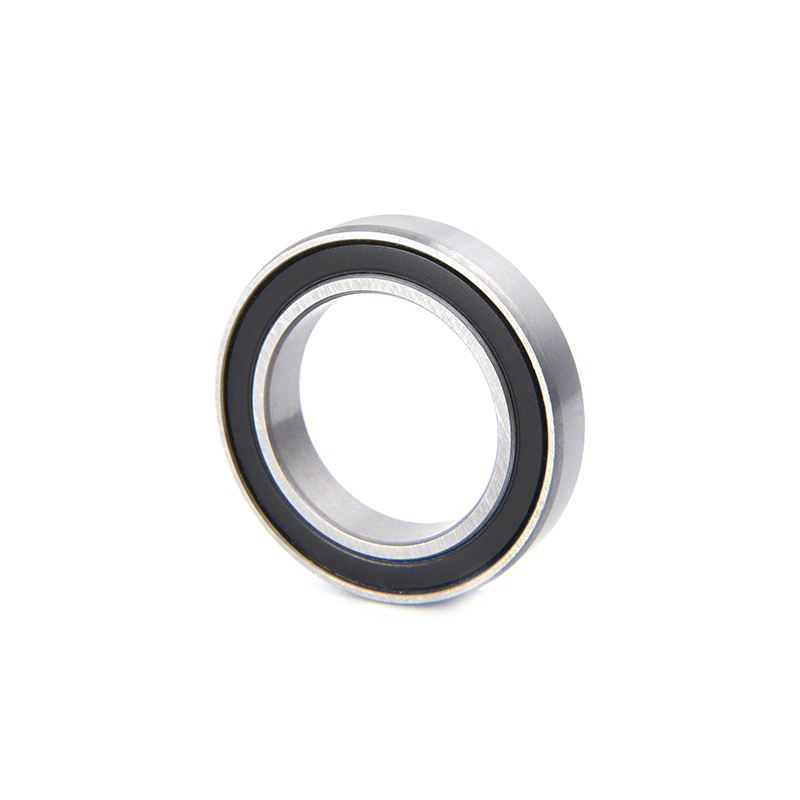
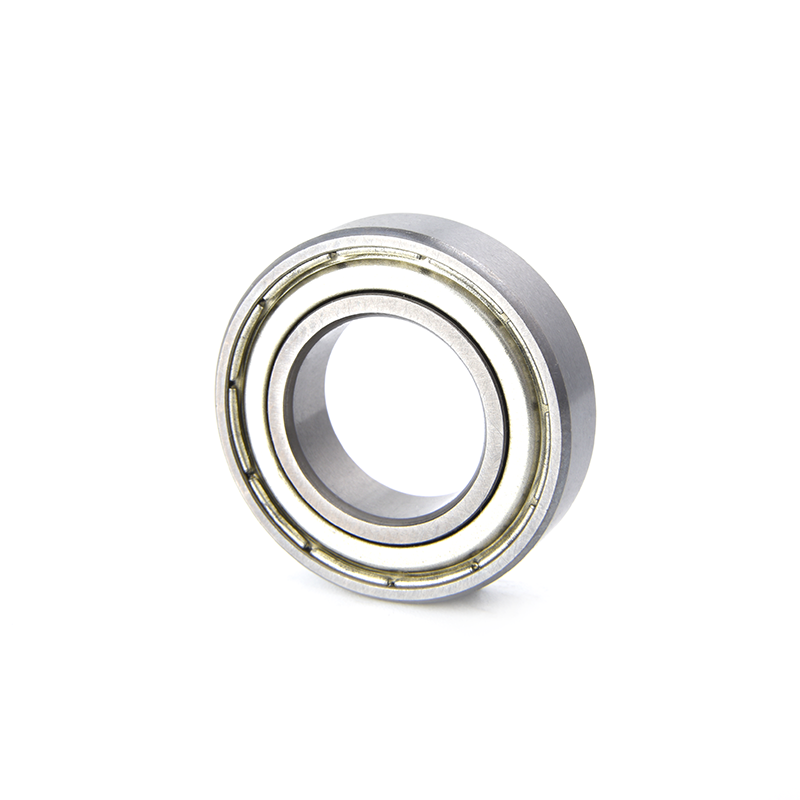
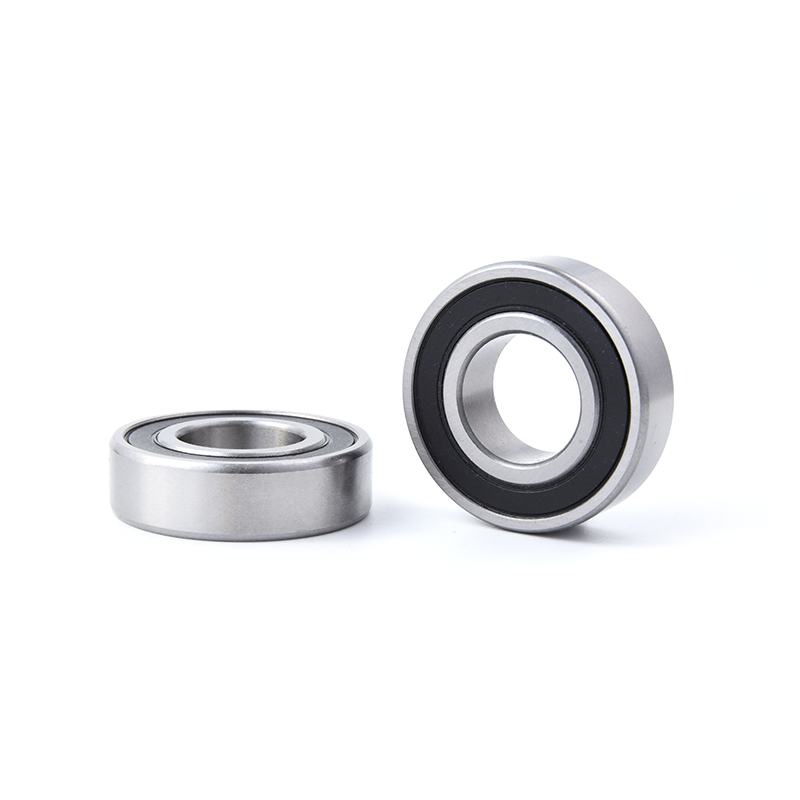
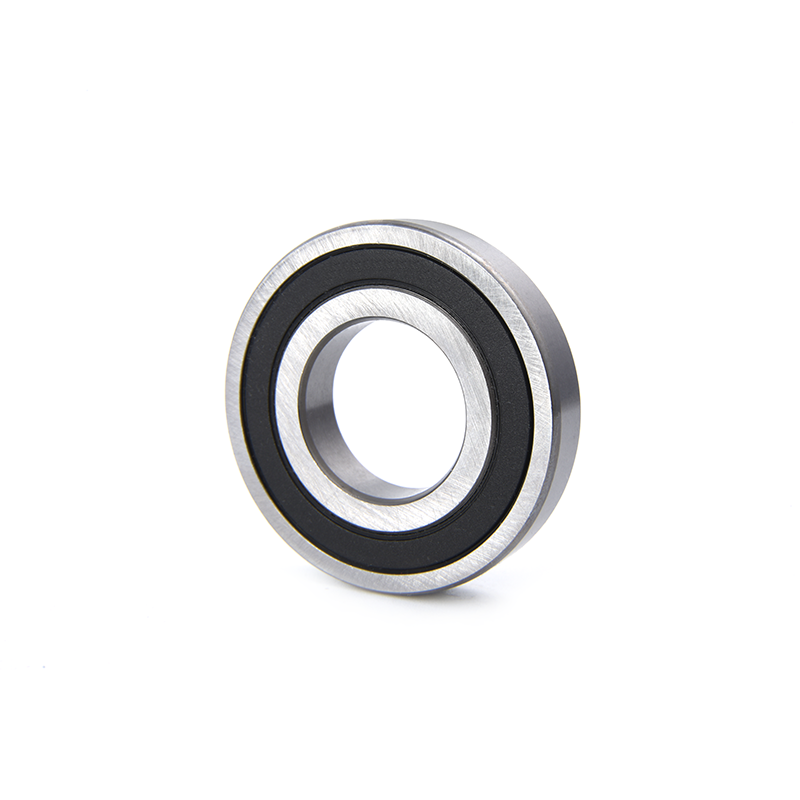
 Deep Groove Ball Bearings by TTBC and HMDExplore TTBC and HMD deep groove ball bearings with open, shielded, or sealed options, multiple clearance classes, and broad machinery applications.View Product →
Choosing the Right Bearing for Repeated Mounting
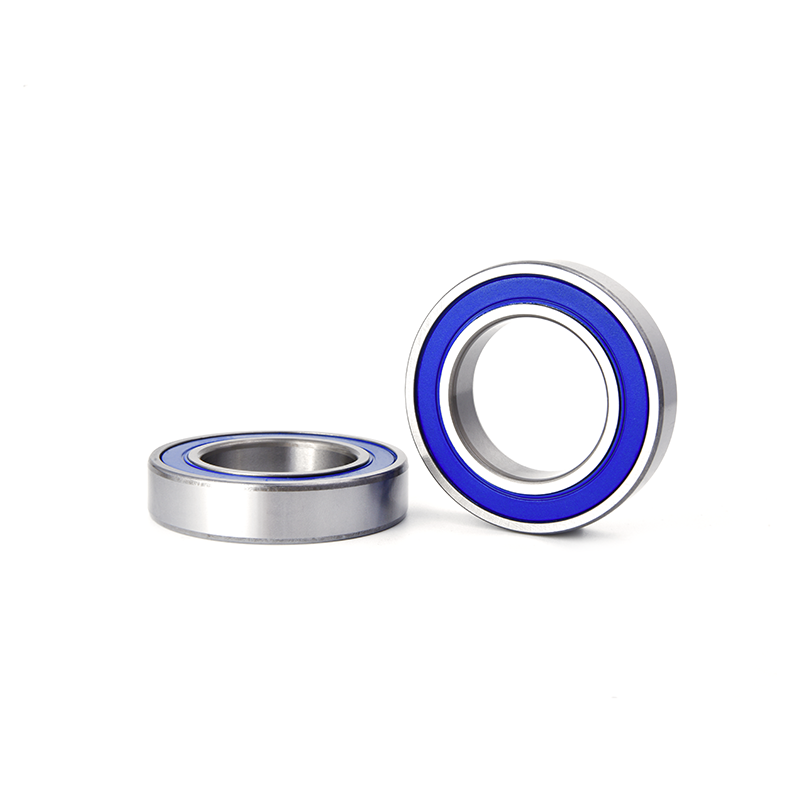
If a bearing will be mounted and removed often, choose a bearing with a suitable bore tolerance and a design that tolerates the heating cycle. Deep groove ball bearings are common in this role because they handle radial and axial loads, run at high speed, and are available in many clearance classes.
For automation equipment, flange series deep groove ball bearings can simplify housing design and positioning. For special shaft sizes, nonstandard series deep groove ball bearings allow the fit to be tailored without changing the whole assembly. The bearing and the heater must be matched: a heavy interference fit may require a higher temperature, while a light fit may need only gentle warming.
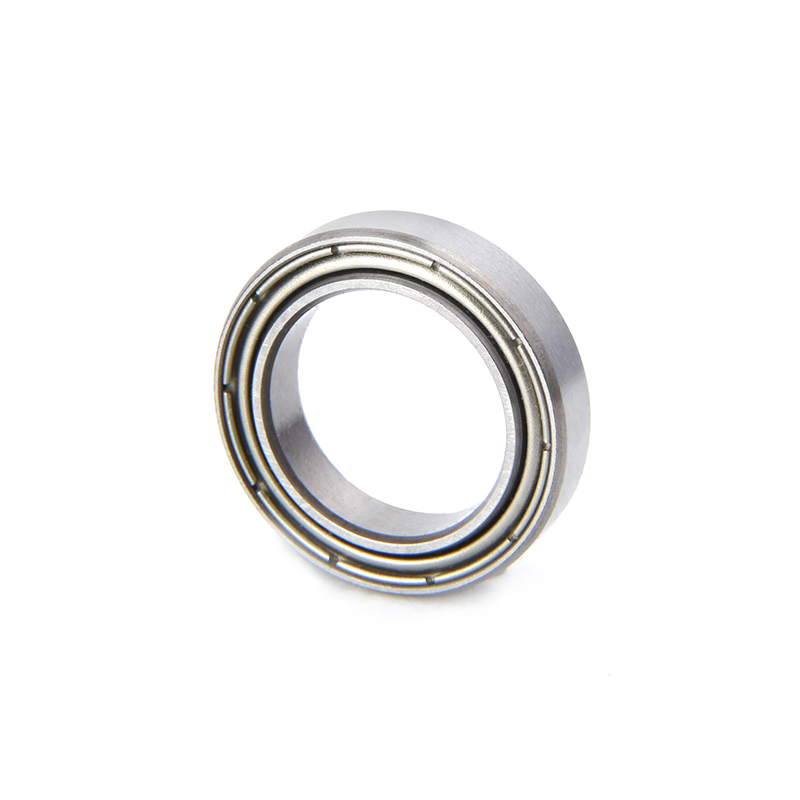
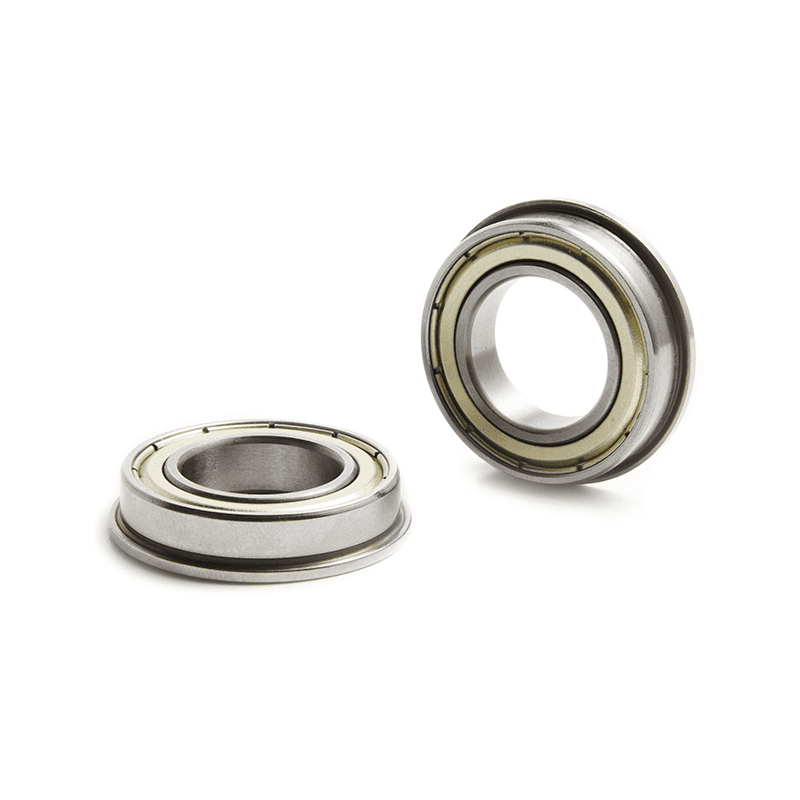
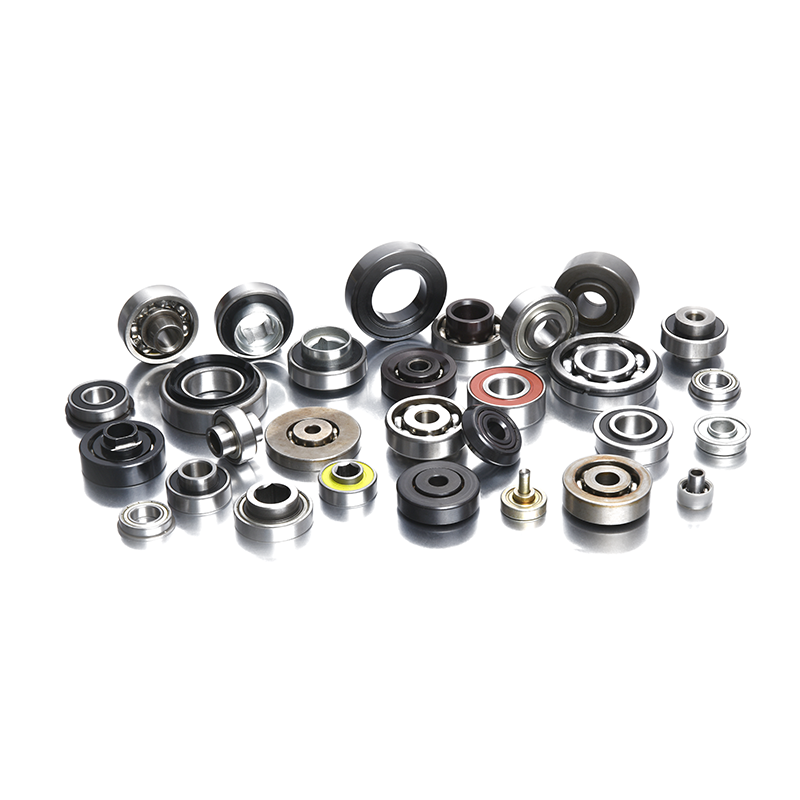
Flange Series Deep Groove Ball Bearings for Compact Housing DesignView flange-type deep groove ball bearings with open or ZZ shields, GCr15 rings and balls, and specifications for simplified positioning.View Product →
When bearings are heated repeatedly, the cage material and lubricant matter. Metal cages generally tolerate heat better than some polymer cages, and high-temperature grease should be specified if the mounting temperature is regularly above 100°C. Always confirm the bearing's temperature limit with the supplier.
Non-Standard Deep Groove Ball Bearings for OEM ApplicationsExplore custom non-standard deep groove ball bearings made to drawings or samples, with varied dimensions, seals, and special surface treatments.View Product →Procurement and Maintenance Considerations
Buying a bearing induction heater is a capacity and control decision, not just a power decision. Check the maximum bearing weight, the largest inner diameter the coil accepts, the temperature range, and whether the unit demagnetizes automatically.
For production environments, consider how quickly the heater returns to ready state between bearings. A slow cool-down or a fixed coil that only fits one bearing size can create a bottleneck. Portable units are useful for field work, while bench models often offer better temperature stability and larger coils.
Maintenance is simple but important. Keep the coil clean, inspect the power cable and plug, and check the temperature probe against a known reference. If the heater has a cooling fan, keep the air path clear. A unit that overheats or holds temperature inaccurately should be repaired before the next mounting job.
For bearing selection details, review the technical data before matching a heater to a specific series. For mounting and upkeep practices, the installation and maintenance guidance can help reduce repeat failures.
Frequently Asked Questions
Can an induction heater be used on sealed bearings?
Yes, but only within the seal and grease temperature limits. Many sealed bearings should not exceed 100°C to 110°C. If the seal is made of a temperature-sensitive material, choose a lower mounting temperature or use a bearing with a high-temperature seal.
How hot should a bearing be for mounting?
Most bearings mount smoothly at 80°C to 100°C. The correct temperature is the lowest one that allows the bearing to slide onto the shaft without force. If it does not slip on, increase the temperature slightly rather than hammering it.
Why is demagnetization necessary after heating?
Induction heating can leave residual magnetism in the bearing. A magnetized bearing attracts iron particles, which can enter the raceway and cause abrasive wear. Automatic demagnetization reduces that risk and should be part of every heating cycle.
Can a bearing induction heater heat other parts?
Yes. It can heat ring-shaped metal parts such as gears, sprockets, sleeves, and couplings, provided they fit the coil and are made of a suitable conductive material. The same temperature limits apply to any part with seals, lubricant, or heat-treated surfaces.
What size heater do I need?
Match the heater to the heaviest bearing you expect to mount and the largest inner diameter. A heater that is too small will take too long or fail to reach temperature; one that is too large may heat small bearings too quickly unless it has good low-end control.
A bearing induction heater solves a specific workshop problem: how to mount a bearing without force, contamination, or hidden damage. The key is to heat evenly, stay within the bearing's temperature limit, demagnetize before installation, and let the bearing cool in place. When the heater, bearing, and mounting procedure are matched, the bearing starts its service life in the best possible condition.


Contact Us