


 English
 中文简体
 Español
A blind bearing puller is an internal-grip extraction tool. It slides into a housing where the far side of the bearing is closed off, expands behind the inner ring, and draws the bearing out with a slide hammer or a draw bolt. One rule decides whether the job ends with a reusable housing or a scrapped casting: the jaws must bite the inner ring, never the seal, the shield or the outer ring.
That distinction matters because a blind pocket gives you nothing to push against. In a through-bore you can drift the bearing out from the opposite side with a pin punch. In a blind housing, every bit of extraction force has to be generated from inside the bore you are trying to protect, which is why tool selection, not force, determines the outcome.
Content
- Blind Hole Versus Through Hole: What Actually Changes
- How a Blind Bearing Puller Grips From the Inside
- Sizing the Puller to the Bearing
- A Removal Sequence That Protects the Housing
- Where Blind Pullers Cause Damage
- Matching the Replacement Bearing After Removal
- Reuse or Replace: A Simple Rule
- Frequently Asked Questions
Blind Hole Versus Through Hole: What Actually Changes
A blind housing turns a ten-minute bearing swap into a tooling decision, because the puller becomes the only load path between the bearing and the outside world.
Three practical differences follow from that. First, there is no reaction surface, so the puller must anchor itself on the bearing rather than brace against the housing. Second, pocket depth limits how far a slide hammer can travel, and a hammer that cannot travel delivers shock loads instead of a controlled pull. Third, damage is one-sided and permanent: a scored housing bore cannot be polished back into a press fit, whereas a damaged bearing is simply replaced.
Before you buy, borrow or improvise a puller, measure four things.
Bore diameter
The inner ring bore, measured with a caliper to 0.01 mm. This is the number that selects the collet.
Pocket depth
Distance from the housing face to the bearing face. You need roughly 20 to 30 mm of clear depth for a slide hammer to work in.
Shoulder condition
Whether the inner ring presents a sharp raceway shoulder for the jaw lip to catch, or a rounded, worn edge.
Seal type
Open, shielded or sealed. A metal shield blocks jaw access and usually has to come out first.
How a Blind Bearing Puller Grips From the Inside
Every blind puller works in the same order: insert collapsed, expand, seat the lip on the inner-ring raceway shoulder, then pull axially.
A typical set contains an expanding collet or segmented jaw, a mandrel or draw bolt that drives the expansion, and either a slide hammer or a nut for a threaded draw. Some kits add a centering cone to keep the pull square to the bore; a pull that runs off-axis is the most common cause of a jammed bearing and a scored pocket.
| Grip type | How it holds | Best suited to | Main limitation |
|---|---|---|---|
| Expanding lip collet | Hardened lip catches the inner-ring raceway shoulder | Deep pockets, bearings with a clean shoulder | Needs a sharp shoulder; slips on worn rings |
| Friction sleeve | Rubber or split-steel wedge expands by friction alone | Very small bearings, MR and miniature series | Low pull force, slips on greasy surfaces |
| Two- or three-jaw internal puller | Jaws hook the bore wall of the inner ring | Larger bearings, already-failed bearings | Can score the bore if jaws are off-centre |
| Draw bolt or welded nut | Threaded connection to a sacrificial adapter | Seized bearings you have written off | Destructive; heat risk to the housing |
Sizing the Puller to the Bearing
Bore diameter is the only dimension you must match precisely; the collet range should straddle the bore by 1 to 2 mm, no more.
For the 60, 62 and 63 series, the last two digits of the bearing code give the bore directly, so a 6202 and a 6002 share a 15 mm bore even though their outer diameters differ. That is convenient in practice: one collet covers a whole family of bearings.
| Size code | Bore (mm) | Typical collet range | Where the jaw should bite |
|---|---|---|---|
| 6000 / 6200 / 6300 | 10 | 8 to 11 mm | Inner ring raceway shoulder |
| 6001 / 6201 / 6301 | 12 | 10 to 13 mm | Inner ring raceway shoulder |
| 6002 / 6202 / 6302 | 15 | 13 to 16 mm | Inner ring raceway shoulder |
| 6003 / 6203 / 6303 | 17 | 15 to 18 mm | Inner ring raceway shoulder |
| 6004 / 6204 / 6304 | 20 | 18 to 21 mm | Inner ring raceway shoulder |
| 6005 / 6205 / 6305 | 25 | 23 to 26 mm | Inner ring raceway shoulder |
Wall thickness matters as much as diameter. Thin-section bearings, such as the 60 series, leave only a narrow shoulder for the lip to catch, so a fine-lipped collet and a slow, steady pull beat a heavy slide hammer every time. Slim bearings are also easier to distort, and a distorted inner ring will not sit square on a new shaft.
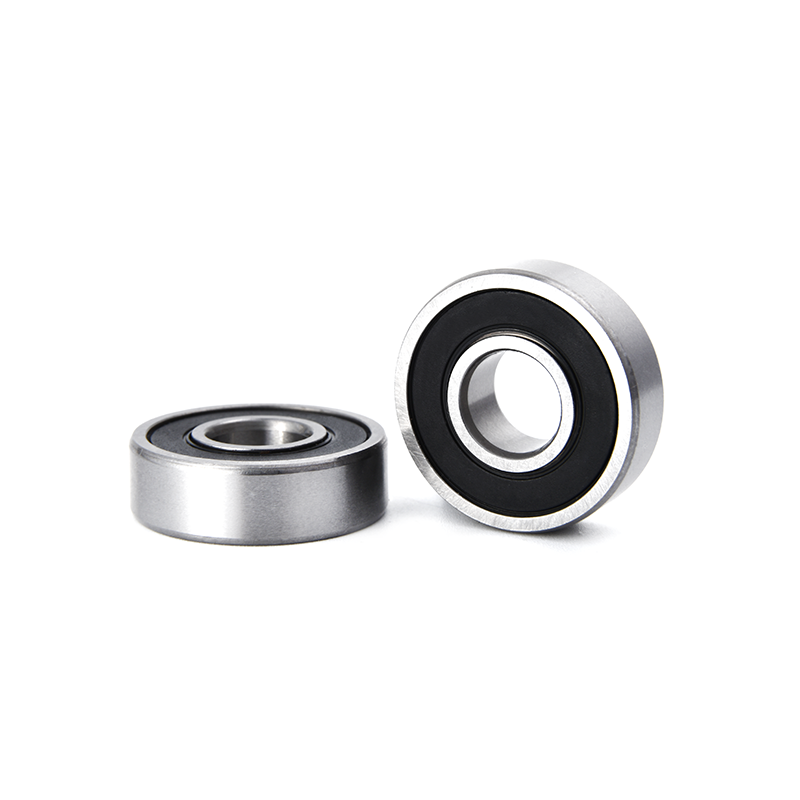
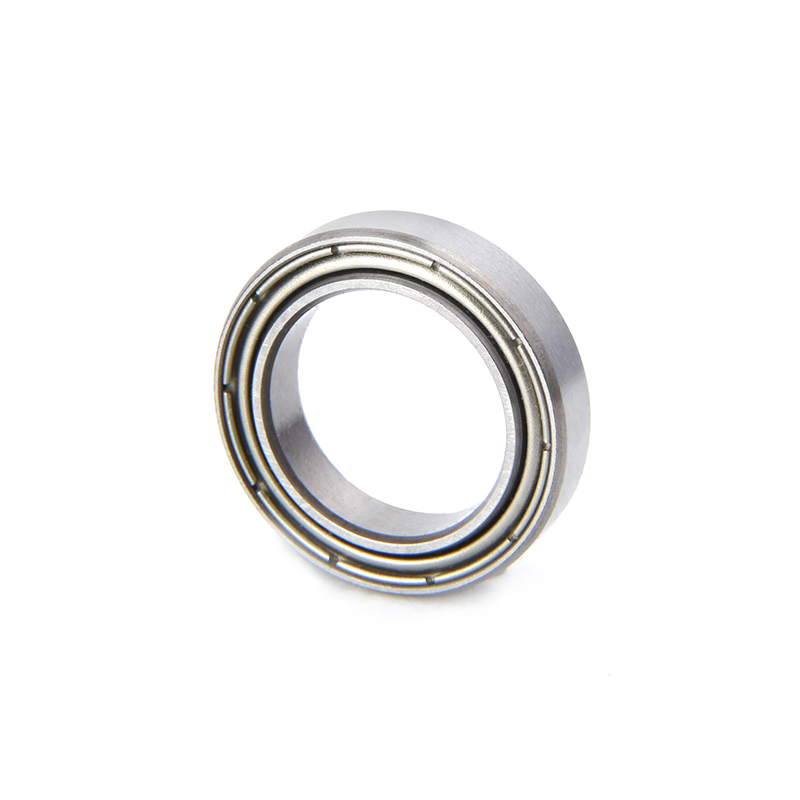
 60 Series Deep Groove Ball BearingsOEM 60-series bearings in open and ZZ variants, with GCr15 rings and balls, suit thin-section assemblies where careful removal and square seating matter.View Product →
If the bearing sits in a shallow counterbore with almost no exposed ring face, do not force the lip. Reach for a friction sleeve or remove the cage and balls first, then pull the inner ring alone; the pull force drops sharply once the rolling elements are out of the way.
A Removal Sequence That Protects the Housing
Sequence beats force: nearly every damaged housing in a workshop traces back to a puller that was seated at an angle or expanded before it was fully inserted.
- Clean the housing face and the bore with a lint-free cloth so grit cannot act as a lapping compound under the jaws.
- Remove the seal or shield if it blocks jaw access, working from the outer edge inward to avoid bending the shield into the raceway.
- Measure the bore and select a collet whose collapsed diameter is at least 1 mm smaller than the bore.
- Insert the tool fully, until the lip sits level with the inner ring raceway shoulder, not against the ball track.
- Expand the collet by hand and confirm the grip by a light pull of 20 to 30 N before applying real load.
- Pull in line with the bore axis, using steady slide-hammer strokes rather than sharp impacts.
- Stop if resistance climbs sharply and re-seat the tool; a bearing that has moved partway is nearly always off-axis.
- Wipe the pocket clean and check the housing bore with an internal micrometer before fitting the replacement.
If the housing bore has opened by even a few hundredths of a millimetre, the press fit is compromised. In that case, measure against the original drawing tolerance before deciding between a bearing retainer compound and a new housing.
Where Blind Pullers Cause Damage
Four failure modes account for almost all puller-related scrap, and each one is preventable with a check that takes seconds.
- Jaw slip on the chamfer: the lip rides up and gouges the bore wall, leaving a raised burr that prevents the new bearing from seating square.
- Pulling on the outer ring: force transfers through the balls into the raceways, producing brinelling marks that turn into noise and early failure.
- Excess heat from a torch: temperatures above roughly 120 degrees Celsius risk softening a hardened housing and distorting adjacent seals.
- Off-axis pull: the bearing cocks in the pocket and jams, and the extra force needed to free it usually scores the bore.
Matching the Replacement Bearing After Removal
Once the old bearing is out, the code on the seal or the inner ring face tells you what to order, and if the marking has worn away you can reconstruct it from three measurements.
Measure the bore, outer diameter and width with a caliper, then compare against standard dimension tables; the width usually separates two candidate series that share a bore. Do not stop at size alone. Clearance class, seal or shield configuration, and cage material all affect service life in the same pocket, and a bearing that is dimensionally correct but fitted with the wrong clearance will run hot.
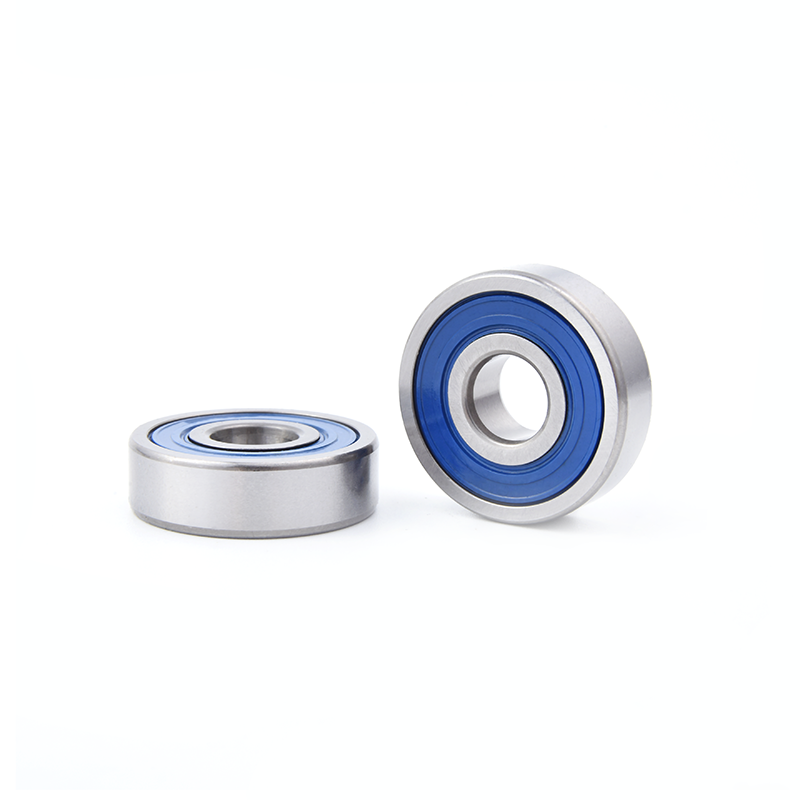
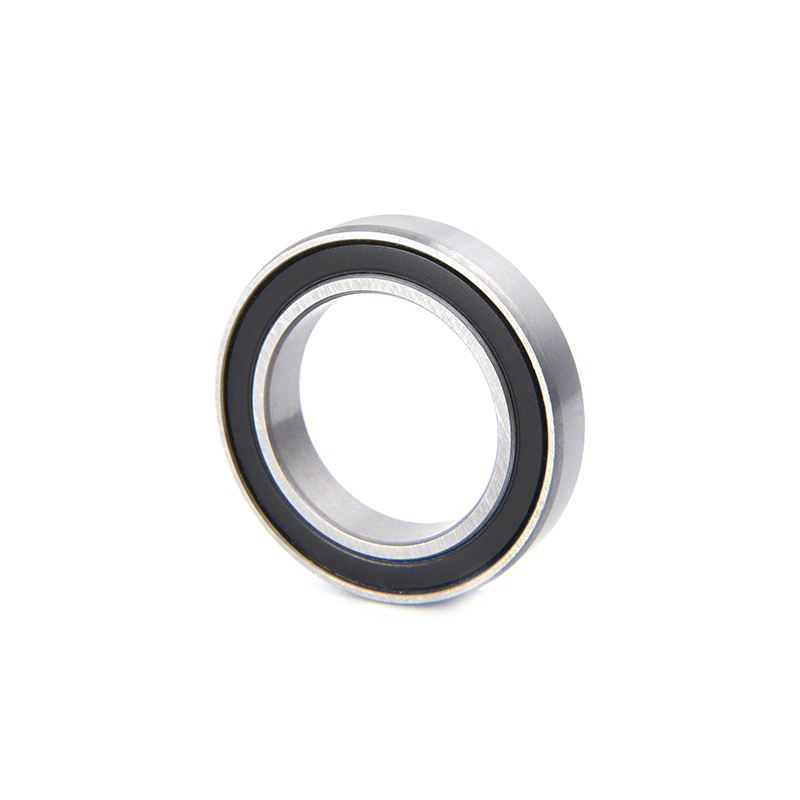
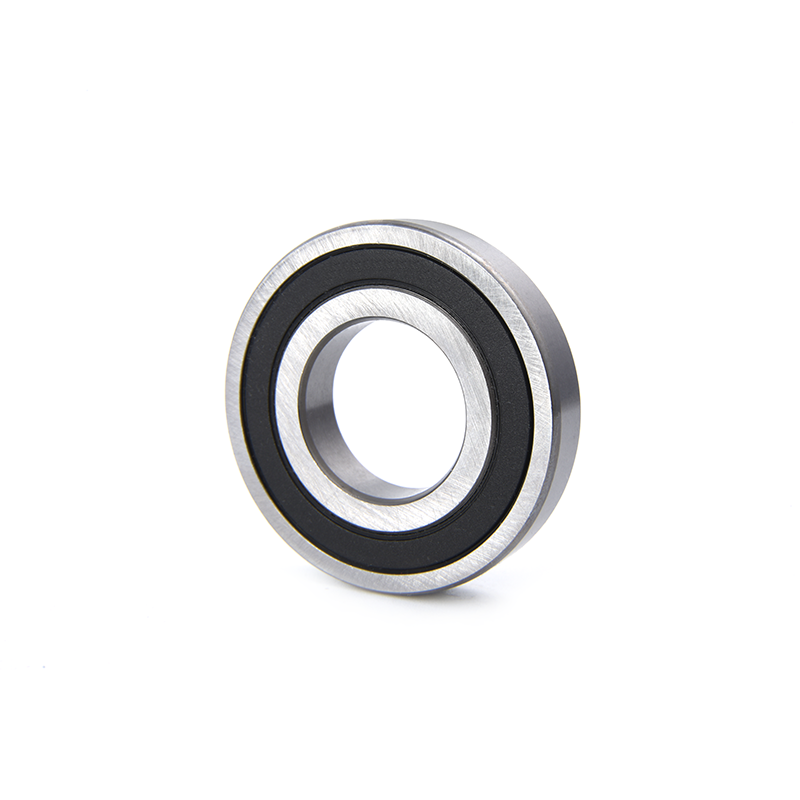
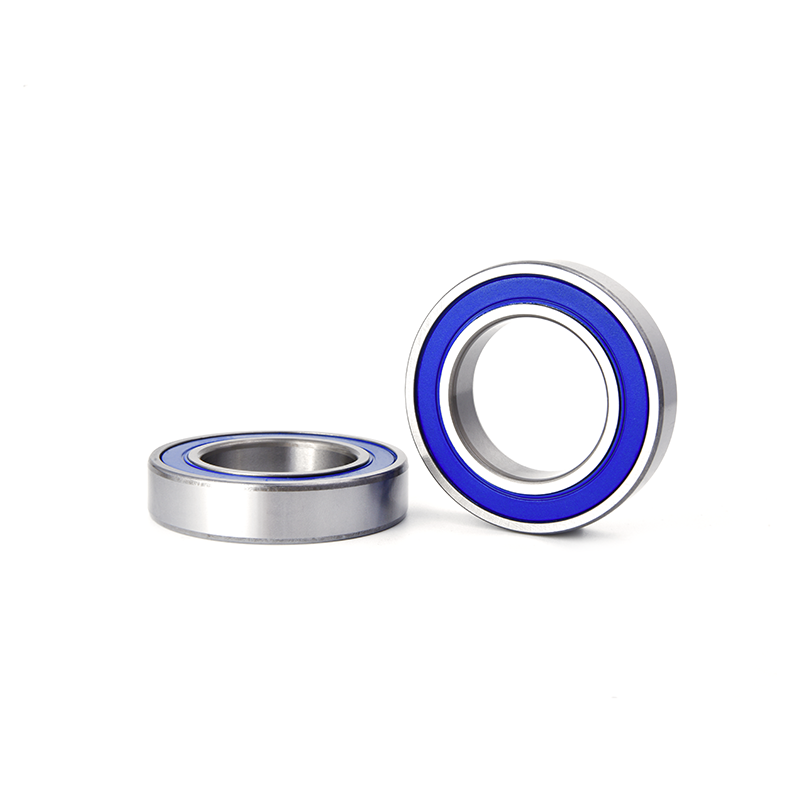
62 Series OEM Deep Groove Ball Bearings62-series OEM bearings from 623 to 6210 in open and ZZ variants, offered in GCr15 with selectable clearance, cage and sealing options for replacement matching.View Product →
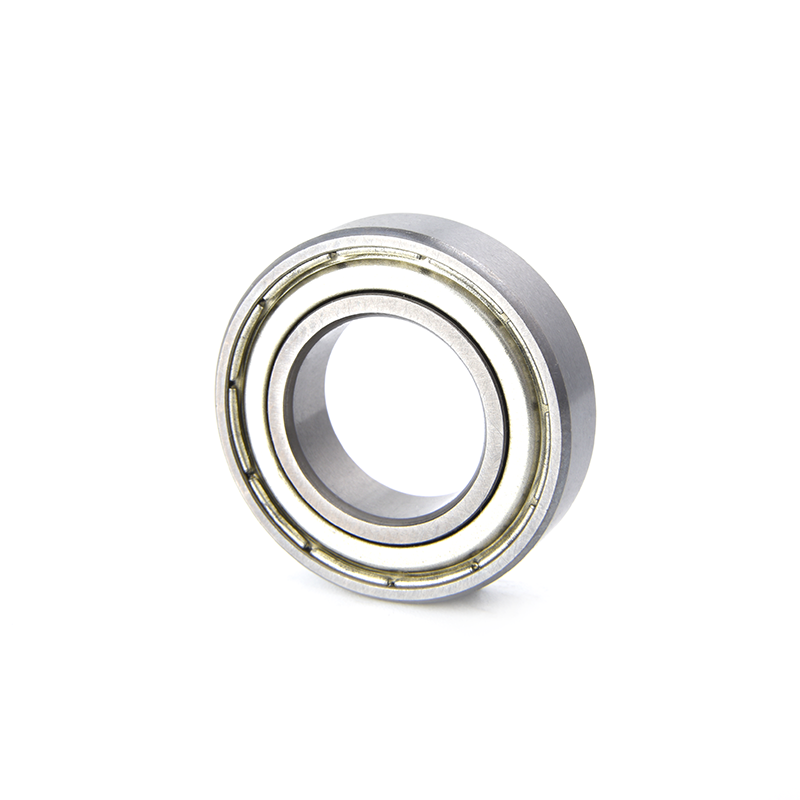
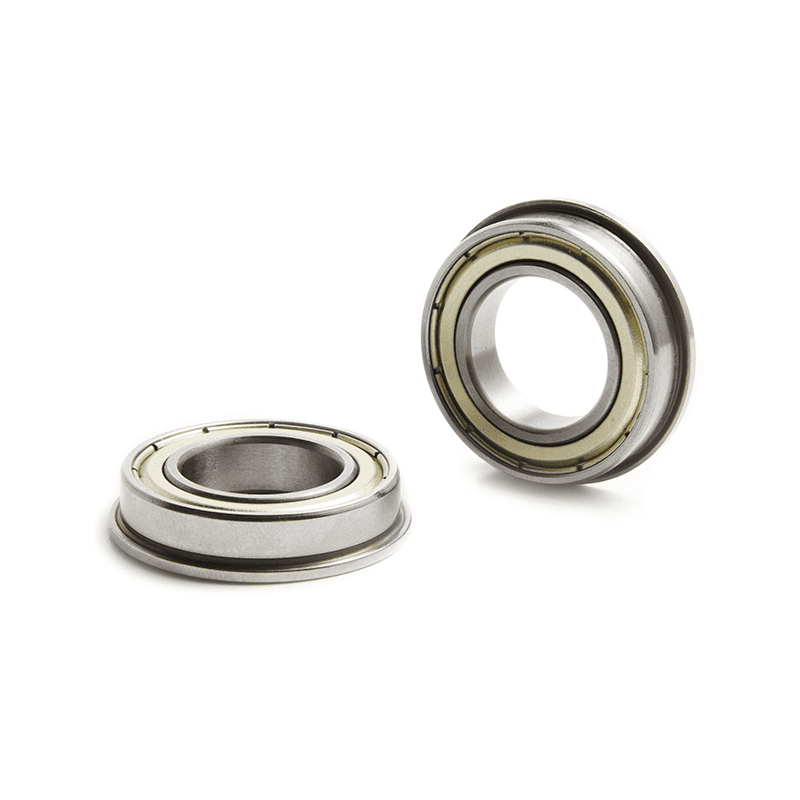
For a like-for-like replacement, the deep groove ball bearing range covers the 60, 62, 63, 67, 68, 69, MR, flange and inch series, so a bearing pulled from a blind housing can usually be matched directly rather than cross-referenced through three catalogues. Bearing dimension data is the fastest way to confirm bore, outer diameter and chamfer size before the new part goes in.
Reuse or Replace: A Simple Rule
If the puller lip touched the inner ring raceway, replace the bearing, even if it turns smoothly by hand.
The reasoning is mechanical rather than conservative. The raceway is a hardened, ground surface carrying rolling contact stress; a lip mark creates a stress riser, and a stress riser in a rotating ring becomes spalling. Sealed bearings present a second problem, because removing the seal to reach the shoulder destroys the sealing function that justified the sealed design in the first place.
Reuse is defensible in one narrow case: a lightly loaded, low-speed bearing removed with a friction sleeve that gripped only the bore wall, with no visible marks under magnification. Outside that, the cost of a small bearing is trivial next to a second teardown.
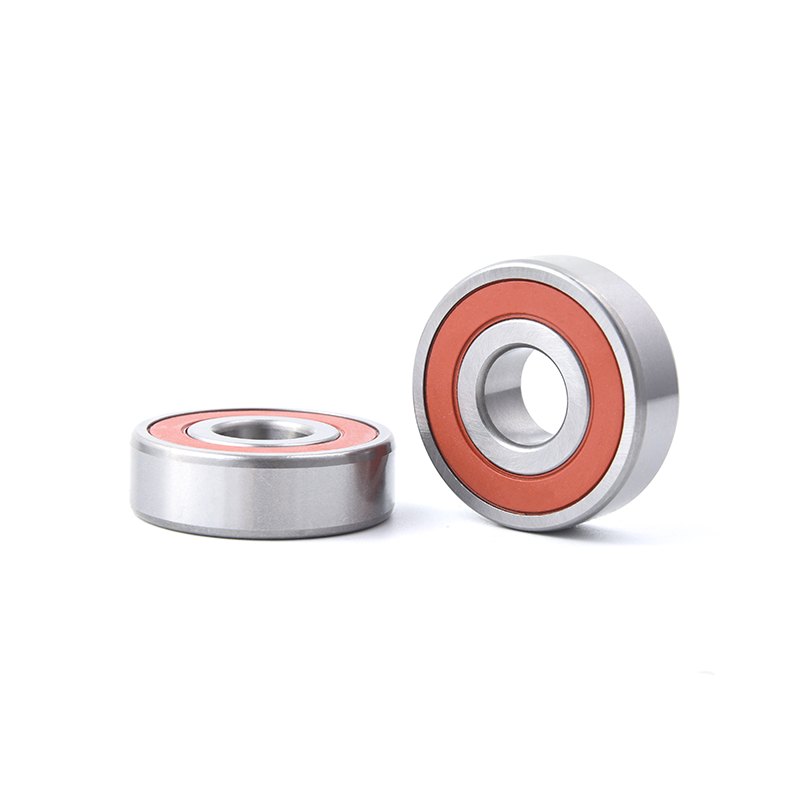
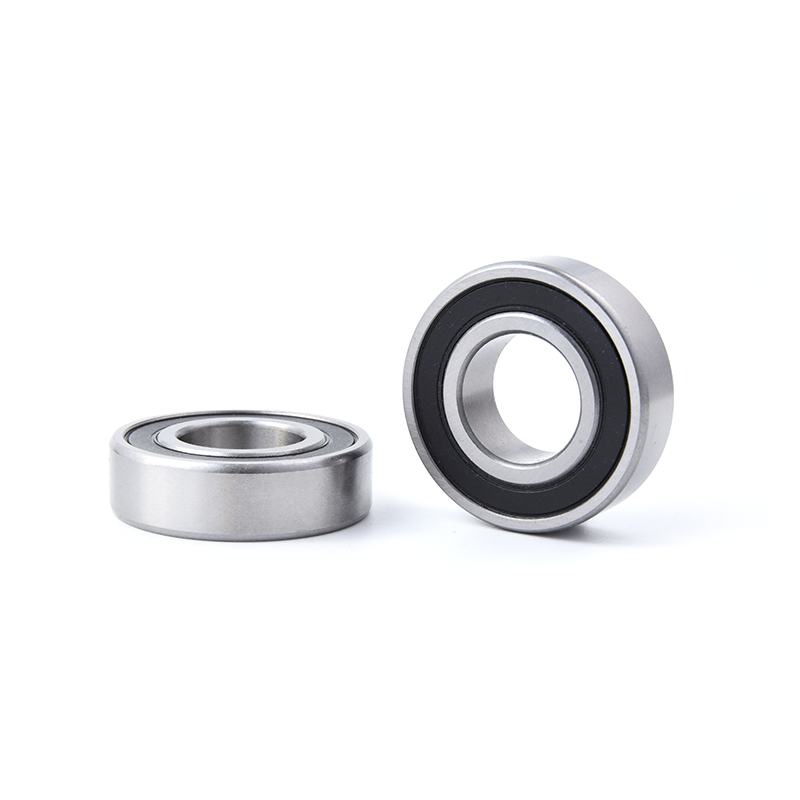
Non-Standard Series Deep Groove Ball Bearing SuppliersNon standard bearings usually refer to bearings that do not meet the specified dimensions of the standard and are usually used in special equipment and applications.View Product →
Obsolete or odd-sized pockets are the exception worth planning for. Where a bearing has a non-standard bore, width or flange configuration, having the replacement made to the original dimensions is often cheaper than machining the housing to accept a catalogue part.
Frequently Asked Questions
What size blind bearing puller do I need for a 6202 bearing?
A 6202 has a 15 mm bore, so choose a collet with a range covering roughly 13 to 16 mm and a lip thin enough to enter the inner ring without touching the ball track.
Can I use a blind bearing puller on a sealed bearing?
Yes, but remove the seal or shield first, or use a friction sleeve that grips the bore wall. Pulling on a metal shield deforms it into the raceway and turns a routine job into a destructive one.
What if the inner ring spins or the puller keeps slipping?
Stop and re-seat the tool. Persistent slip usually means the shoulder is worn, the collet is undersized, or the pull is off-axis; in that case remove the cage and balls and pull the bare inner ring, which needs far less force.
Can a three-jaw gear puller do the same job?
Only if the jaws can reach behind the outer ring. In a true blind pocket there is normally no gap behind the bearing, so an internal-grip puller is the correct tool and a gear puller will simply load the housing face.
How do I know the housing survived the pull?
Measure the bore in two directions at the top and bottom of the pocket. A round bore within its original tolerance takes the new bearing with a normal press fit; an oval or scored bore needsattention before assembly.
A blind bearing puller is a small, inexpensive tool that protects an expensive casting, and the margin between a clean extraction and a scrapped housing comes down to three habits: measure the bore before choosing a collet, seat the lip on the inner ring shoulder rather than the shield, and pull in line with the axis at a steady rate. Do those three things and the bearing comes out intact enough to read its code, which is exactly what you need to order the right replacement the first time.



Contact Us