


 English
 中文简体
 Español
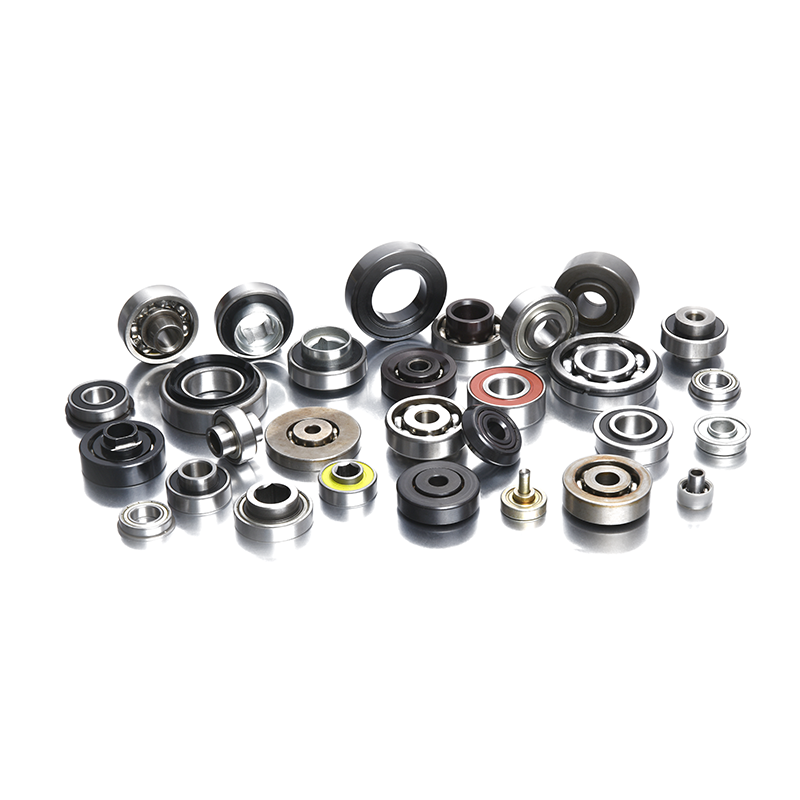
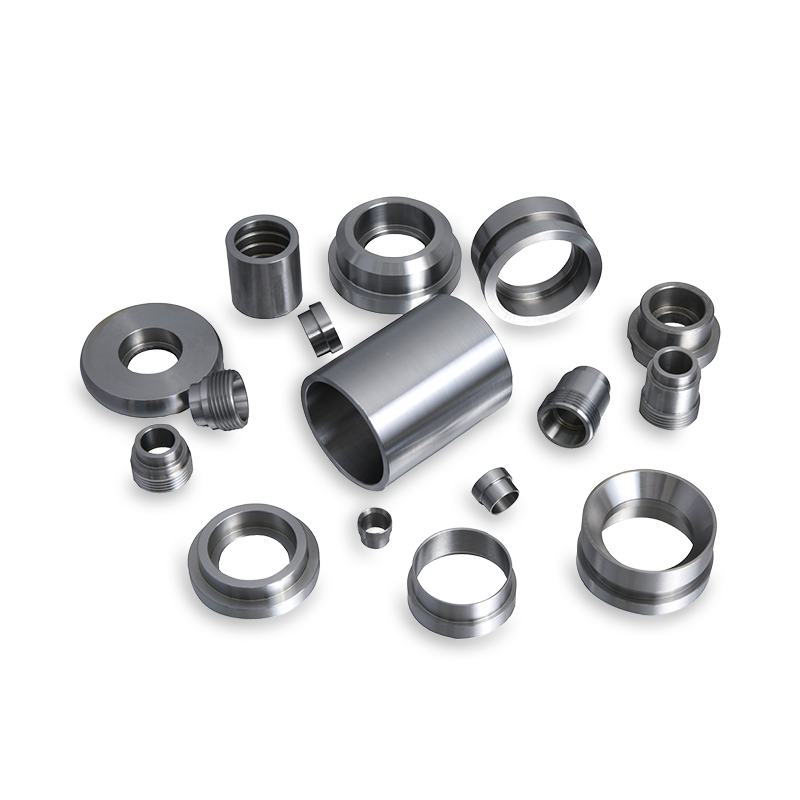
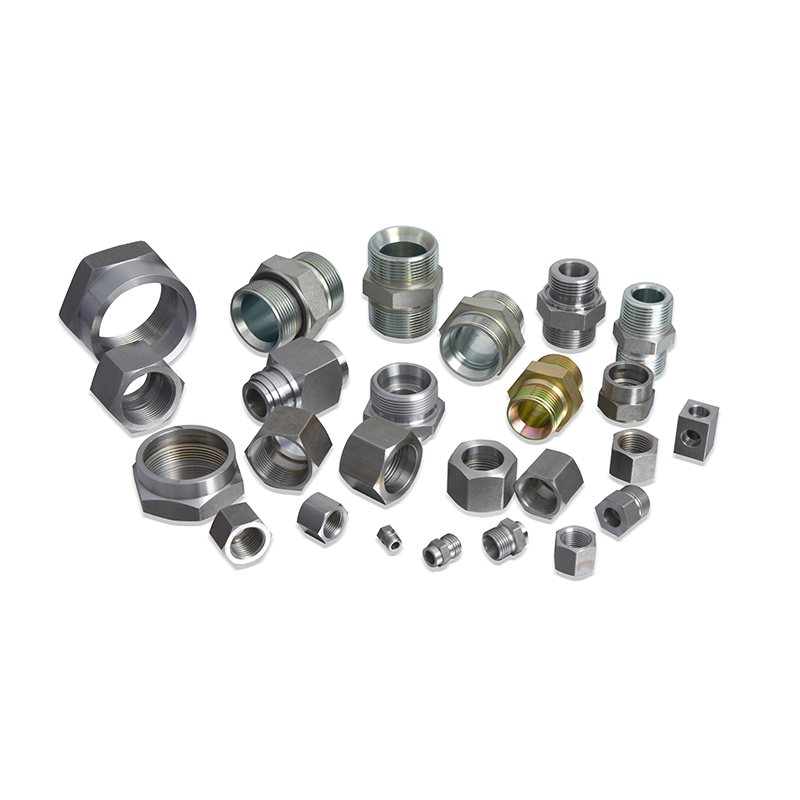

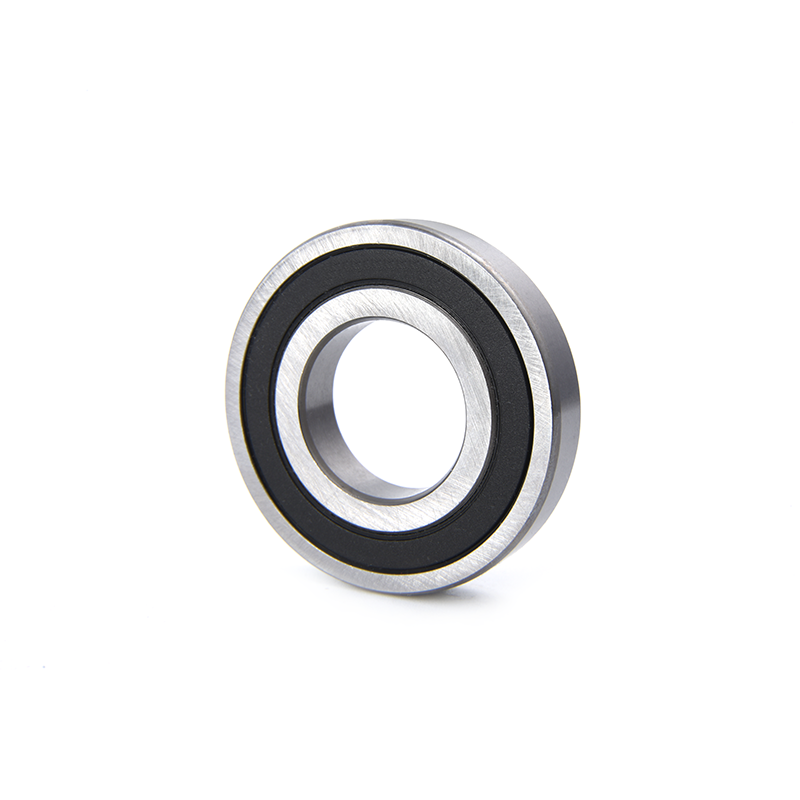
A deep groove bearing is a single-row ball bearing with deep raceway grooves in both rings. It carries radial loads and moderate axial loads in either direction, which is why it is the default choice for electric motors, pumps, fans, conveyors, household appliances and many automotive assemblies. The practical rule is simple: specify it when the load is mainly radial, the shaft runs true and the speed is moderate to high; look at another bearing type when shock, severe misalignment or heavy axial load is the main design problem.
The bearing is rarely the most expensive part in a machine, but it often sets noise, service interval and warranty cost. A correctly sized bearing with the wrong seal, fit or grease will fail earlier than its catalogue rating suggests.
Content
- What a Deep Groove Bearing Is and What It Does
- Where It Fits and Where It Does Not
- Series and Variants: Read the Code Before the Catalogue Page
- Load, Speed and Life: The Three Limits That Matter
- Tolerances, Clearance and Fits
- Purchase Checks Before You Place an Order
- When Standard Off-the-Shelf Does Not Fit
- Frequently Asked Questions
- A Practical Selection Sequence
What a Deep Groove Bearing Is and What It Does
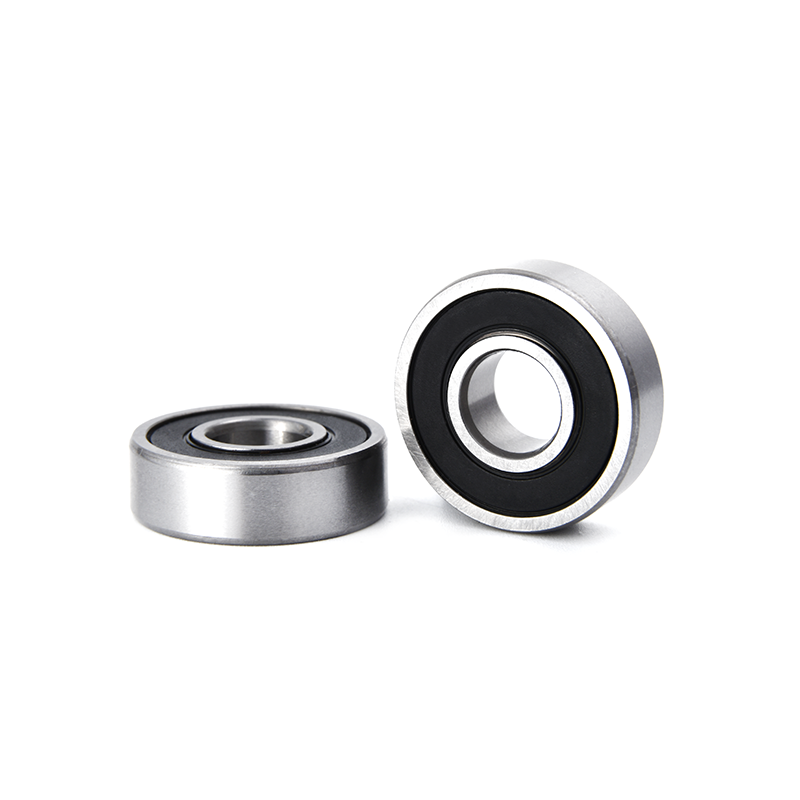
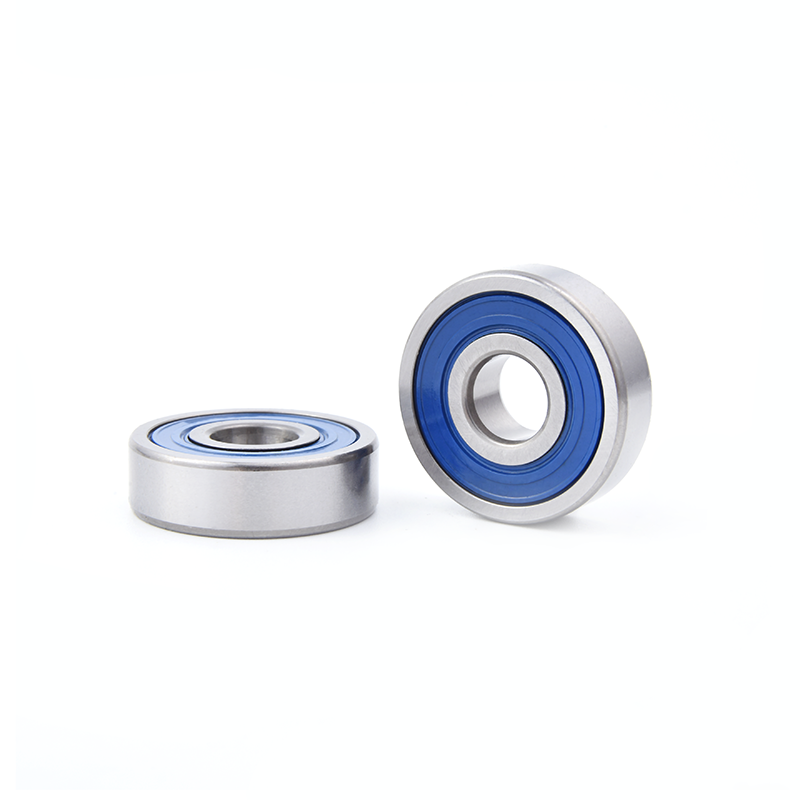
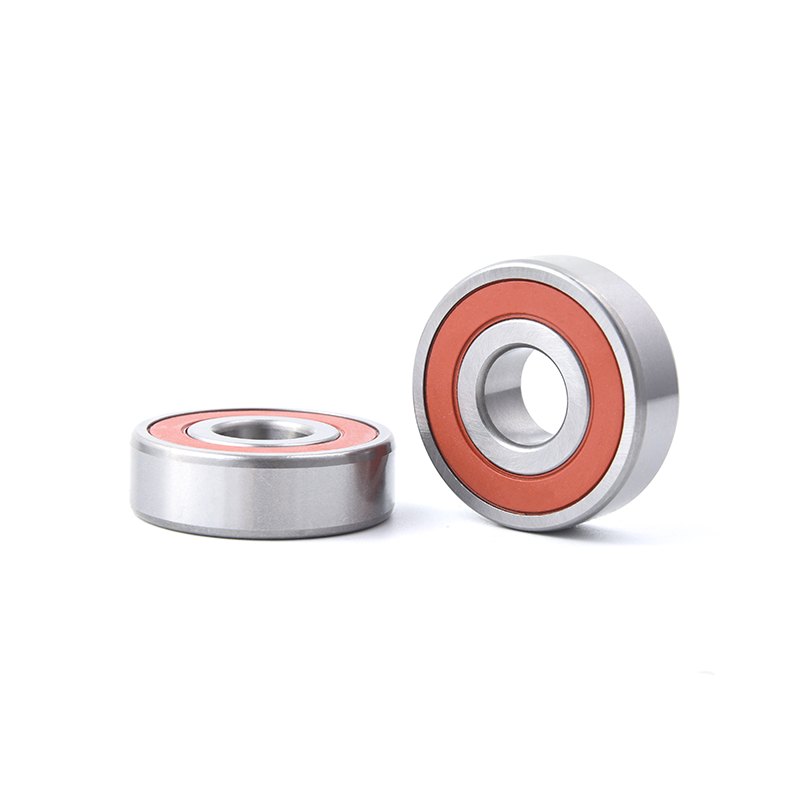
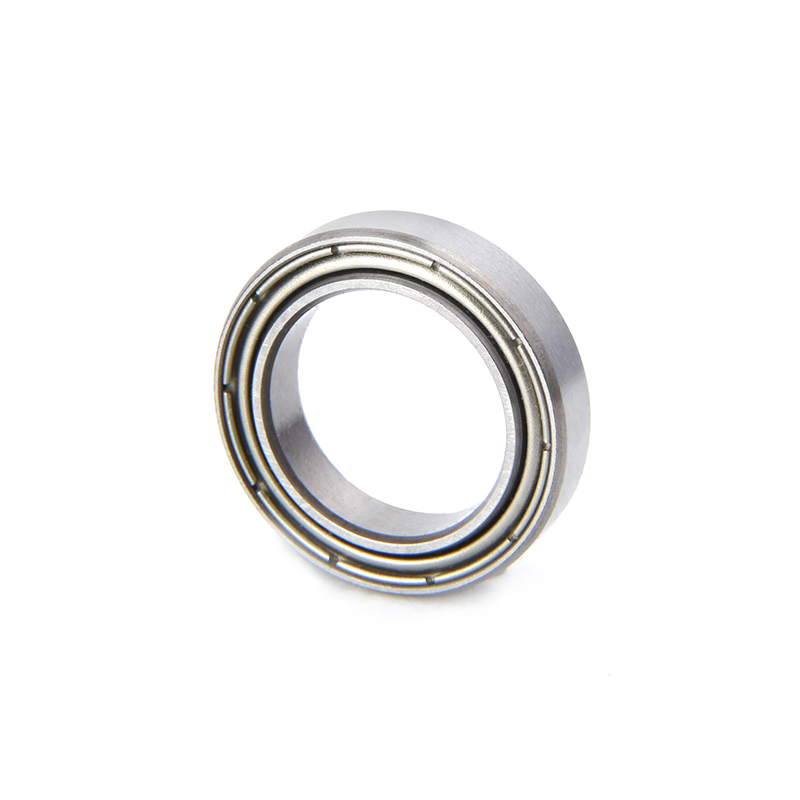
A deep groove bearing is the general-purpose rolling bearing for combined radial and light axial duty, not a special-purpose component. The inner ring, outer ring, cage and balls form a compact assembly. The deep grooves give the balls a curved contact path that supports radial load and a limited axial load in both directions. A pressed steel or polymer cage keeps the balls spaced; seals or shields keep grease in and contamination out.
The geometry explains the trade-off. The contact angle is low, so radial capacity is good and friction is low, but axial capacity is modest and depends on speed, lubrication and clearance. A deep groove bearing can run at high speed in a well-lubricated, well-aligned housing; it cannot correct shaft misalignment or absorb heavy shock like a spherical or cylindrical roller bearing. That is why the first selection question is not which brand to use, but what the load direction is and how stiff the housing is.
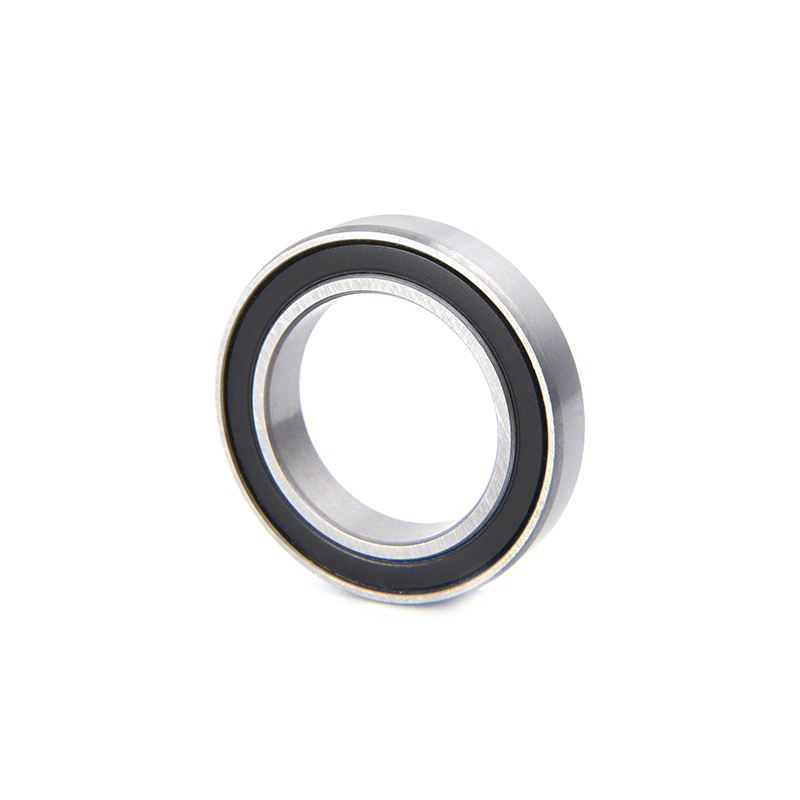
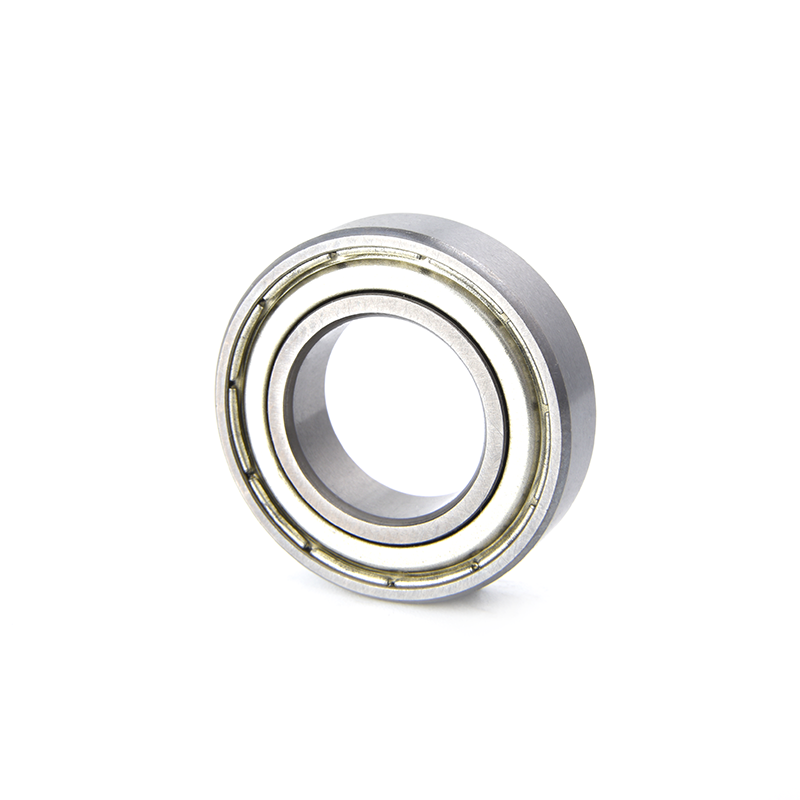
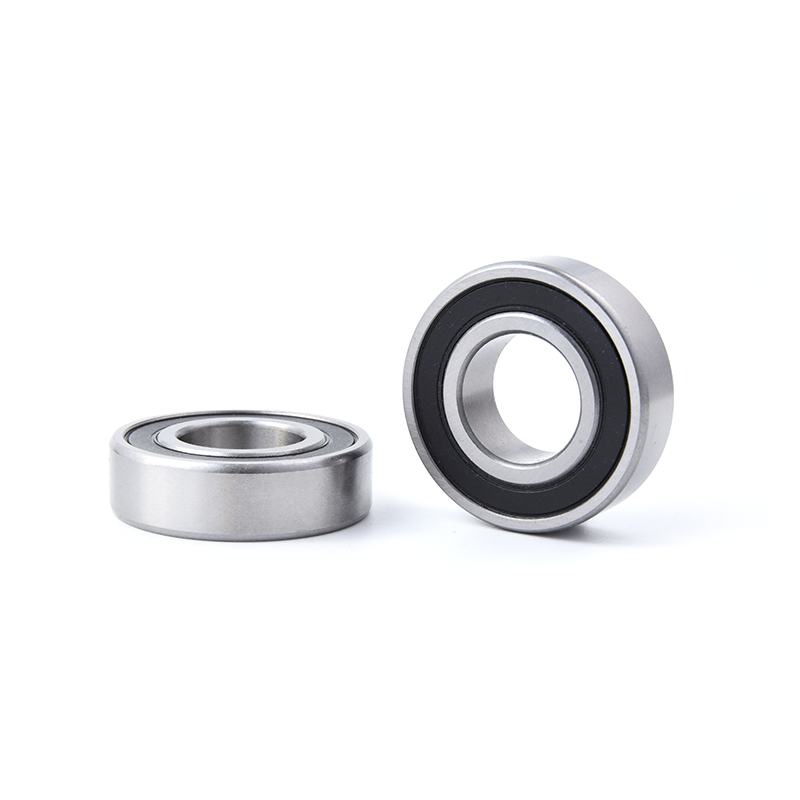
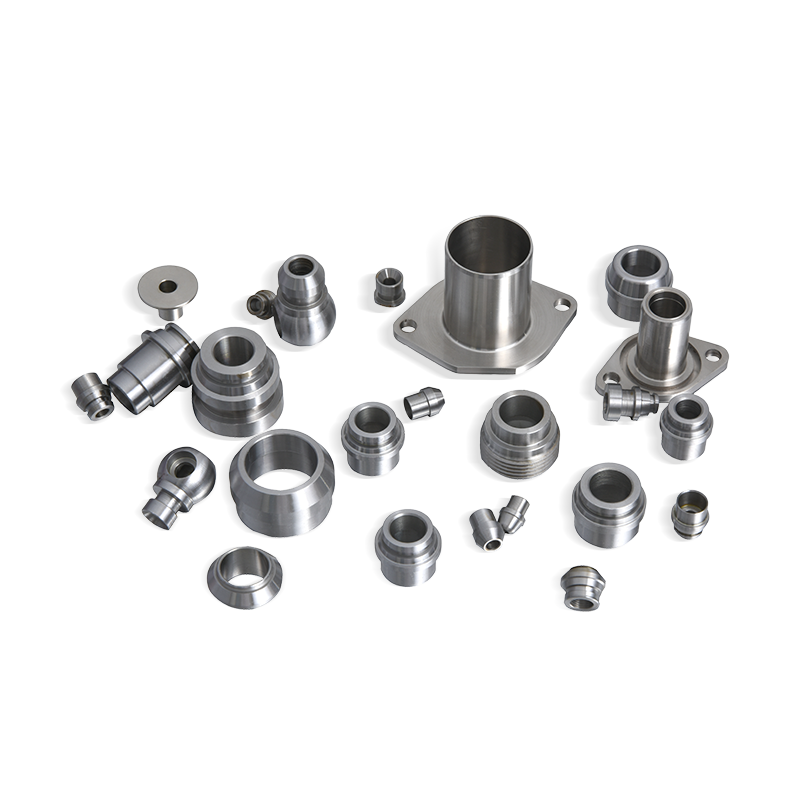 Deep Groove Ball Bearing ManufacturerTTBC and HMD brand deep groove ball bearings are a highly versatile, standardized, and serialized basic component. Rolling bearing is a precision mechanical component ...View Product →
Where It Fits and Where It Does Not
Use a deep groove bearing where the shaft runs true and the dominant load is radial; avoid it where misalignment or shock is the main design problem. Typical fits include induction motors, gearbox input and output shafts, centrifugal pumps, fans, blowers, conveyors, washing machines, power tools, automotive support positions and light automation slides.
The limits are equally practical. Heavy axial thrust, repeated impact, wide temperature swings and split housings that cannot hold alignment push the design toward angular contact, self-aligning or roller bearings. A deep groove bearing can take some axial load, but the allowable value falls quickly as speed and temperature rise. If the application combines high radial load with high axial load, check the equivalent load rather than adding the two figures together.
Series and Variants: Read the Code Before the Catalogue Page
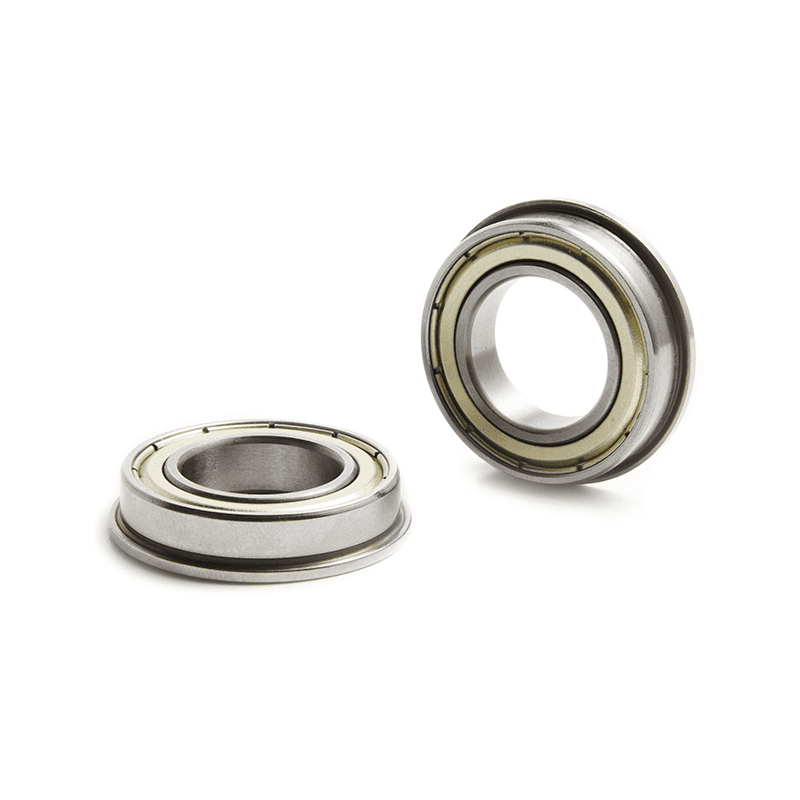
The series code tells you more about width and load capacity than the bore size alone. A 60-series bearing is slim, a 62-series is wider, and a 63-series is wider again; for the same bore, the wider series usually carries more load but takes more axial space. Thin-section 67, 68 and 69 series save space in compact assemblies, while MR series covers miniature drives. Flange series adds an outer-ring flange for location in sheet-metal or machined housings. Inch series follows inch dimensions, and nonstandard series covers drawings that do not fit a catalogue page.
| Series | Typical character | Common use | Selection note |
|---|---|---|---|
| 60 | Slim, light | Small motors, fans, pumps | Good default for moderate radial load. |
| 62 | Wider than 60 | General machinery, gearboxes | More capacity in the same bore. |
| 63 | Wider again | Heavy fans, conveyors | Higher load; check axial space. |
| 67 / 68 / 69 | Thin section | Compact assemblies, instruments | Confirm housing stiffness and fit. |
| MR | Miniature | Small appliances, precision drives | Watch torque and contamination. |
| Flange | Flanged outer ring | Automation, sheet-metal housings | Can simplify location and mounting. |
| Inch | Inch dimensions | Replacement and imported equipment | Verify inch sizes, not metric equivalents. |
| Nonstandard | Custom | Special machines | Define drawing, tolerance, grease and test. |
Flange Series Deep Groove Ball Bearing SuppliersTTBC&HMD brand bearing rings and steel balls are made of GCr15, and different materials can also be used according to customer actual needs; The cage is usually made o...View Product →Load, Speed and Life: The Three Limits That Matter
Bearing life is limited by the weakest of load, lubrication and fit, not by the catalogue rating alone. The dynamic load rating assumes a clean, correctly fitted bearing under a defined load; in a real machine, misalignment, grease starvation and contamination can reduce life by a large margin. Speed raises heat, heat thins grease, and thin grease increases wear. Axial load adds contact stress and should be checked against the allowable value for the actual speed.
The interaction between radial and axial load is covered in more detail in this note on radial and axial load behaviour. Use it as a check when the application combines belt pull, gear separation force or pump thrust with normal radial duty.
Tolerances, Clearance and Fits
Clearance is a design choice, not a quality grade; C3 is not automatically better. C2 is tight, C0 is normal, C3 is increased and C4 is extra clearance. Choose clearance from the fit, temperature difference and speed: a steel shaft in an aluminium housing, or a bearing that runs hot, may need more internal clearance than a bench-top assembly. Too much clearance can increase noise and reduce stiffness; too little can cause preload and early failure.
Fits matter as much as clearance. A rotating inner ring usually needs an interference fit on the shaft; a stationary outer ring in a split housing needs a controlled fit that still allows axial expansion. Check shaft and housing tolerance, roundness and surface finish before ordering. The technical data page is the place to confirm dimensions, load ratings and clearance options for a specific series.
Purchase Checks Before You Place an Order
A bearing order is only as good as the drawing, grease and traceability behind it. Before volume supply, confirm the bore and outside diameter, width, chamfer, clearance, cage material, seal or shield type, grease fill, operating temperature and noise limit. Ask for the inspection record and the grease batch, not just a catalogue number. For a custom part, approve the drawing and the first-article report before production.
- Shaft and housing fits, roundness and surface finish
- Clearance and preload for the actual temperature rise
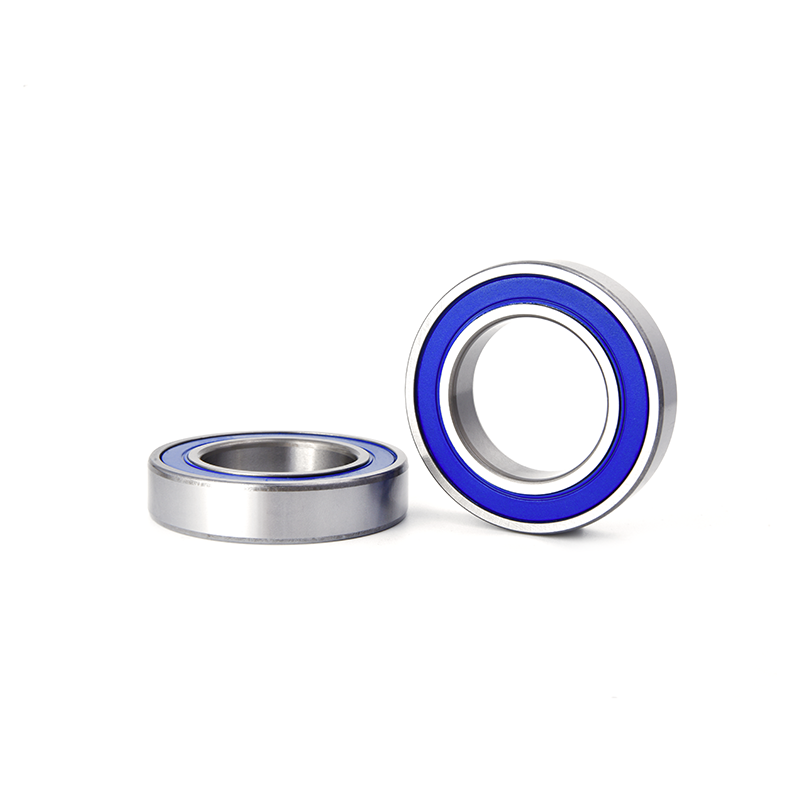
- Seal type: open, shielded, contact sealed or non-contact sealed
- Grease quantity, base oil and speed limit
- Noise and vibration limits for the application
- Traceability, packaging and delivery schedule
At our Yuyao plants, production is controlled under ISO 9001 and ISO 14001, with two factories, about 31,000 m2 of floor area and roughly 30 million bearing sets a year. That scale matters for repeat orders, but the drawing and inspection plan still decide whether the bearing fits the application.
When Standard Off-the-Shelf Does Not Fit
Standard bearings cover most rotating equipment, but flange, inch and nonstandard variants solve mounting and space problems that a catalogue part cannot. A flange bearing can locate directly in a sheet-metal bracket and remove the need for a separate shoulder. An inch bearing keeps a replacement dimension correct on imported equipment. A nonstandard bearing may change width, chamfer, seal, grease or internal clearance for a specific machine.
Non-Standard Series Deep Groove Ball Bearing SuppliersNon standard bearings usually refer to bearings that do not meet the specified dimensions of the standard and are usually used in special equipment and applications.View Product →Frequently Asked Questions
Are deep groove bearings good for axial loads?
Yes, but only moderate axial loads in both directions. The allowable axial load depends on speed, clearance, lubrication and temperature; for continuous heavy thrust, use an angular contact or thrust bearing.
Should I choose C3 clearance for a hot application?
Often, but not automatically. C3 gives more room for thermal expansion, yet the correct value comes from the shaft and housing fits, the temperature difference and the required stiffness. A hot aluminium housing with a steel shaft is a different case from a compact gearbox with controlled preload.
Do contact seals increase torque?
Yes. Contact seals keep dust and water out more effectively than shields, but they add drag and heat. Use them where contamination is the dominant risk; use non-contact seals or shields where low torque and high speed matter more.
How often should a deep groove bearing be lubricated?
Sealed-for-life bearings are not relubricated; open bearings need an interval based on speed, temperature and grease type. High speed and high temperature shorten the interval. Overfilling is as harmful as underfilling because excess grease churns and overheats.
Can I replace a deep groove bearing with a roller bearing?
Only after checking geometry, load direction, speed and housing stiffness. A roller bearing may carry more radial load, but it usually needs more space and different alignment. A direct swap without a load and fit review can move the failure to the shaft or housing.
A Practical Selection Sequence
Start with the load direction and shaft speed, then confirm the space envelope, clearance, seal and lubrication. The sequence below keeps the decision traceable.
- Calculate radial and axial loads, including shock and belt pull.
- Check the speed limit for the chosen seal and grease.
- Select the series and bore from the space envelope.
- Set shaft and housing fits from the rotating ring and housing material.
- Choose clearance from the temperature rise and fit.
- Choose seal, grease and noise limit for the environment.
- Approve the drawing, first article and inspection record.


Contact Us