


 English
 中文简体
 Español
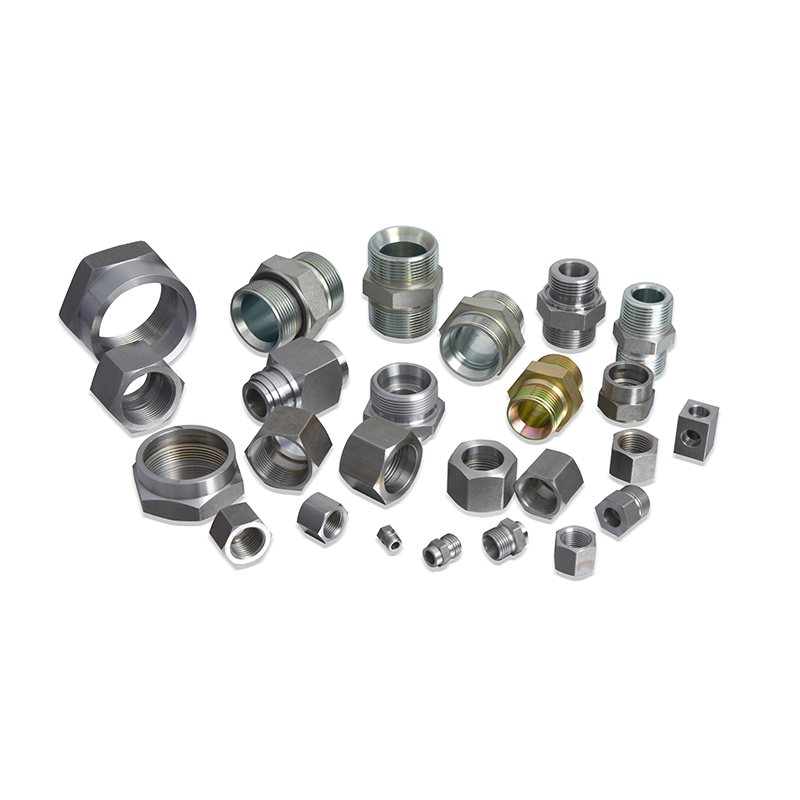

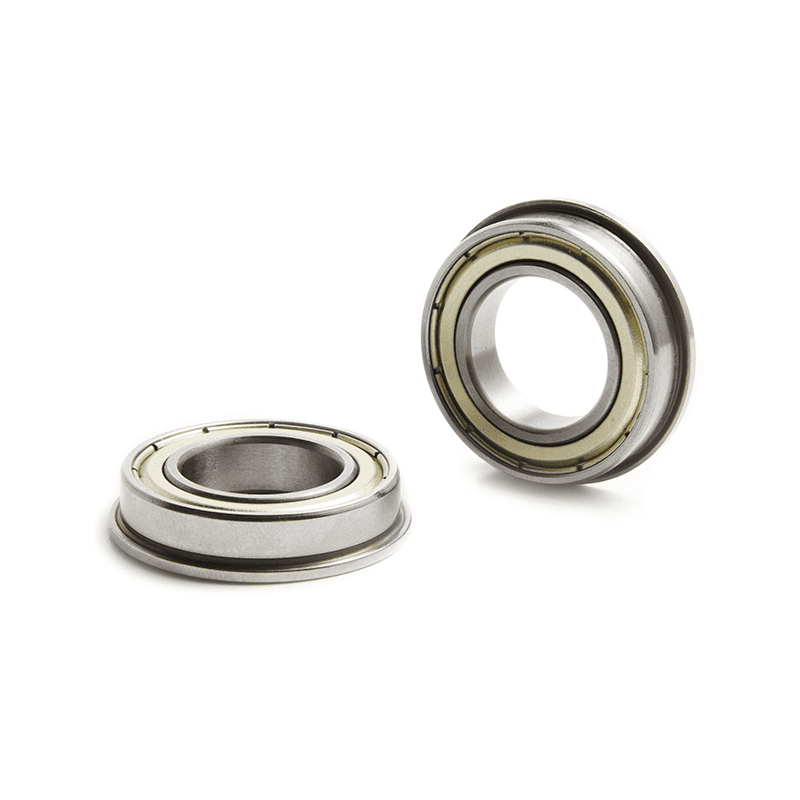
A flange bearing is a bearing with a flange that mounts to a flat surface, locating the shaft axis perpendicular to that surface. The short answer for selection is this: use a flange bearing when the machine frame is the mounting datum, when you need compact axial location, and when bolt-on replacement matters more than maximum load capacity. Confirm the load direction, shaft fit, flange flatness, and seal type before you order.
Buyers meet two common forms. One is a flanged deep groove ball bearing, where the outer ring carries a locating flange. The other is a flanged bearing unit, where a sealed insert bearing sits in a cast or pressed housing with bolt holes. Both are called flange bearings, but they solve different mounting problems.
Content
- What Is a Flange Bearing?
- Flange Bearings vs. Pillow Blocks and Plain Ball Bearings
- Common Types and How to Read a Flange Bearing Description
- Flange Bearing Selection Checklist
- Materials, Seals, and Lubrication
- Installation and Maintenance That Prevent Early Failure
- Procurement Risks and Quality Checks
- Frequently Asked Questions
What Is a Flange Bearing?
A flange bearing is a bearing or bearing unit that uses a flange to transfer mounting loads into a flat surface and to hold the shaft in a fixed position.
- Flanged deep groove ball bearing: a compact bearing with a flange on the outer ring, often used in small drives, appliances, automation modules, and panel-mounted equipment.
- Flanged bearing unit: an insert bearing in a flanged housing, usually with set screws or an eccentric locking collar, common on conveyors, fans, and light industrial shafts.
- Flange geometry: two-bolt oval, three-bolt triangular, and four-bolt square patterns are common; pilot spigots help center the unit before bolts are tightened.
The flange is a mounting feature, not a load rating. A larger bolt circle can improve stability, but it does not increase the bearing's dynamic capacity. Check the bearing data, not the flange outline, when calculating life.
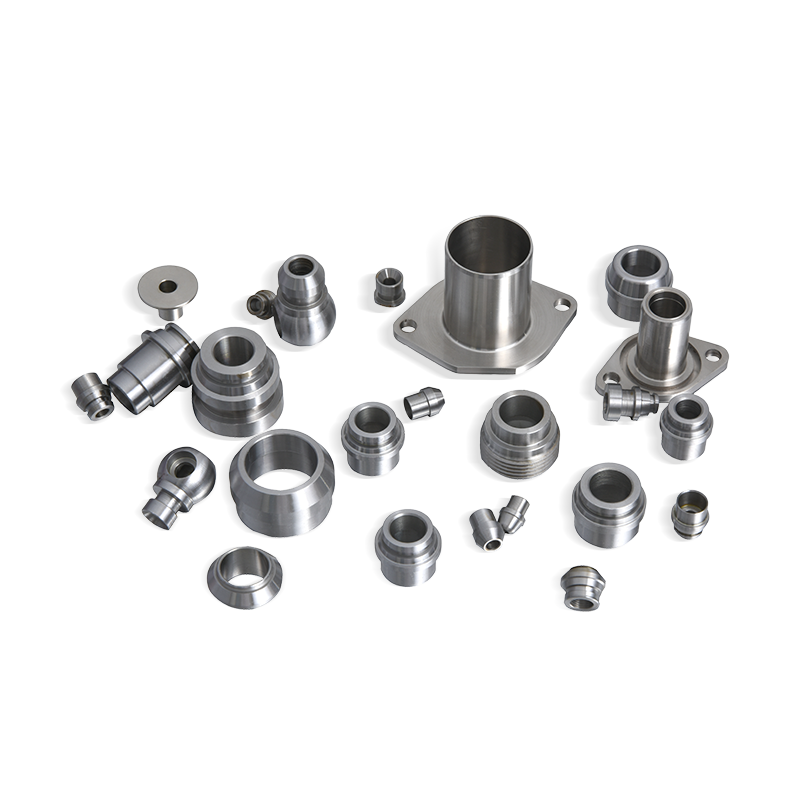 Flanged Deep Groove Ball Bearings for Panel-Mounted ShaftsCompare open and shielded flanged deep groove ball bearings by bore, flange size and load ratings when a shaft passes perpendicular through a panel.View Product →
Flange Bearings vs. Pillow Blocks and Plain Ball Bearings
Flange bearings are the practical choice when the shaft passes through a panel and the mounting face is perpendicular to the shaft; pillow blocks are better when the shaft runs parallel to a base.
| Arrangement | Mounting face | Typical strength | Watch point |
|---|---|---|---|
| Flanged ball bearing | Perpendicular to shaft | Compact axial location and simple bolting | Flange flatness and outer-ring support |
| Flanged bearing unit | Perpendicular to shaft | Easy shaft mounting with a sealed housing | Set-screw creep and shaft alignment |
| Pillow block | Parallel to base | Strong base support and easy adjustment | Taller footprint and base stiffness |
| Plain deep groove ball bearing | Bearing seat in housing | High speed and low friction | Needs separate housing and retention |
On thin sheet metal, add a backing plate or reinforced panel. Without it, bolt torque can distort the flange, tilt the outer ring, and shorten seal life even when the bearing itself is correct.
Common Types and How to Read a Flange Bearing Description
Read a flange bearing description in the order of mounting interface, load direction, and shaft locking, because the type name alone does not define performance.
- Two-bolt oval flange: compact and common for light-duty shafts, small conveyors, and tight machine frames.
- Three-bolt or four-bolt flange: gives more stable bolt loading and is easier to align on larger housings.
- Pilot spigot vs. plain flange: a pilot centers the unit in a machined bore; a plain flange relies on bolt holes and operator alignment.
- Locking method: set screws suit light loads, while eccentric collars or adapter sleeves can be easier to tighten without shaft damage.
In the broader market, codes such as UCF, UCFL, and UCFC usually describe housing shape and bolt pattern. They help with identification, but the drawing and bore tolerance still decide fit. For compact equipment, a flanged deep groove ball bearing often gives lower friction and higher speed capability than a housed unit. For dirty conveyors, a sealed flanged unit with a locking collar is usually easier to service.
Flange Bearing Selection Checklist
Start with the load path, then confirm shaft fit, speed, environment, and mounting space, because a flange bearing can be correct on paper and still fail if the flange is used as a structural spacer.
- Load direction and magnitude: deep groove flanged bearings handle radial load and moderate axial load; do not treat them as heavy-thrust bearings.
- Shaft fit and locking: confirm bore tolerance, shaft hardness, and whether set screws, a collar, or an interference fit is appropriate.
- Mounting face: check flatness, panel thickness, bolt pattern, and pilot diameter; a distorted flange changes internal clearance.
- Speed and lubrication: sealed greased bearings have speed limits; high-speed duty needs lower drag seals and verified grease fill.
- Sealing and contamination: contact seals resist dust and water but add drag; shields give lower friction but less protection.
- Misalignment: housed units may tolerate small errors, while flanged ball bearings generally need a square mounting face and aligned shaft.
- Noise and runout: for quiet equipment, specify bore runout, seal drag, and grease quality, not only the flange dimensions.
For procurement, write the bore, outer diameter, flange diameter, bolt pattern, pilot diameter, load rating, speed limit, seal, grease, and marking on the inquiry. A sample that fits by hand is not proof of bore tolerance.
Materials, Seals, and Lubrication
Material and sealing choices decide whether a flange bearing lasts in dust, washdown, or high-temperature duty; the flange shape alone does not.
- Cast iron housings: rigid and good for general industrial duty, but they need coating or paint in wet areas.
- Pressed steel housings: lighter and lower cost, with less stiffness under heavy bolt load.
- Stainless steel or polymer: useful for washdown and chemical exposure, but load and speed limits are usually lower.
- Seals: contact rubber seals suit dusty or wet work sites; non-contact shields reduce drag and heat at speed.
- Grease: use the specified fill and base oil viscosity; do not mix incompatible greases during maintenance.
Use contact seals for dusty or wet areas and non-contact shields for lower drag. In high-temperature duty, verify the grease limit and seal material before assuming the bearing steel is the limiting factor.
Installation and Maintenance That Prevent Early Failure
Most flange bearing failures come from poor mounting-face contact, over-torqued bolts, shaft slip, or contaminated grease, not from the bearing steel itself.
- Check the mounting face: remove burrs, confirm flatness with a straightedge, and use a backing plate on thin panels.
- Seat the pilot before torque: engage the spigot or alignment feature first, then start bolts by hand.
- Torque in a cross pattern: follow the maker's torque and avoid pulling the bearing into place with bolts.
- Lock the inner ring correctly: set screws should land on a flat, and locking collars should be tightened in the shaft direction.
- Relubricate only when specified: over-greasing can blow seals, while under-greasing raises temperature and noise.
- Monitor noise, vibration, and temperature: a rising trend often appears before visible seal damage or shaft wear.
A flange bearing is not a self-aligning coupling. If the shaft and mounting face are not square, the seal and ball path will pay for it.
Procurement Risks and Quality Checks
The main procurement risk with flange bearings is buying by appearance: two units can look identical but differ in flange flatness, bore tolerance, seal drag, grease fill, and bolt-hole spacing.
- Ask for a controlled drawing: include bore, outer diameter, flange diameter, bolt circle, pilot diameter, runout, load rating, speed, seal, and grease.
- Confirm material and heat treatment: housing grade, ring steel, and seal compound should be stated, not inferred from a photo.
- Approve a first article: check flange perpendicularity, burrs, bore fit, turning torque, and noise before bulk delivery.
- Protect against rust: verify packaging, oil film, and moisture control, especially for export shipments.
- Keep traceability: batch marking and inspection records help isolate problems if a field failure appears.
For a broader starting point, review the full product range and match the flange style to the mounting drawing.
Frequently Asked Questions
The short answers below focus on fit, load, and mounting, because those points decide most flange bearing choices.
What is the difference between a flange bearing and a flanged bearing?
The terms overlap: a flange bearing is the broad name, while a flanged bearing often means a bearing with a flange on its outer ring or housing.
Can flange bearings carry axial load?
Flanged deep groove ball bearings can carry moderate axial load, but they are not heavy-thrust bearings; confirm the axial load and speed in the bearing data.
How do I choose between a two-bolt and a four-bolt flange?
Use a two-bolt flange for compact, light-duty mounting and a four-bolt flange when you need more stability and a more even bolt load.
Do flange bearings need lubrication?
Sealed, prelubricated flange bearings often run for life, while relubricatable units need a grease plan based on speed, temperature, and contamination.
Why does a flange bearing make noise?
Noise usually points to misalignment, a loose shaft fit, seal damage, contamination, or insufficient grease; check mounting flatness before replacing the bearing.
Can I mount a flange bearing on thin sheet metal?
Only with a backing plate or reinforced panel, because a thin panel distorts under bolt load and can twist the bearing outer ring.
A flange bearing is a mounting solution as much as a rolling element. Match the flange to the frame, match the bore to the shaft, and match the seal and grease to the environment; then verify the drawing before the first article is approved. That sequence prevents most noise, looseness, and early replacement problems.


Contact Us