


 English
 中文简体
中文简体 Español
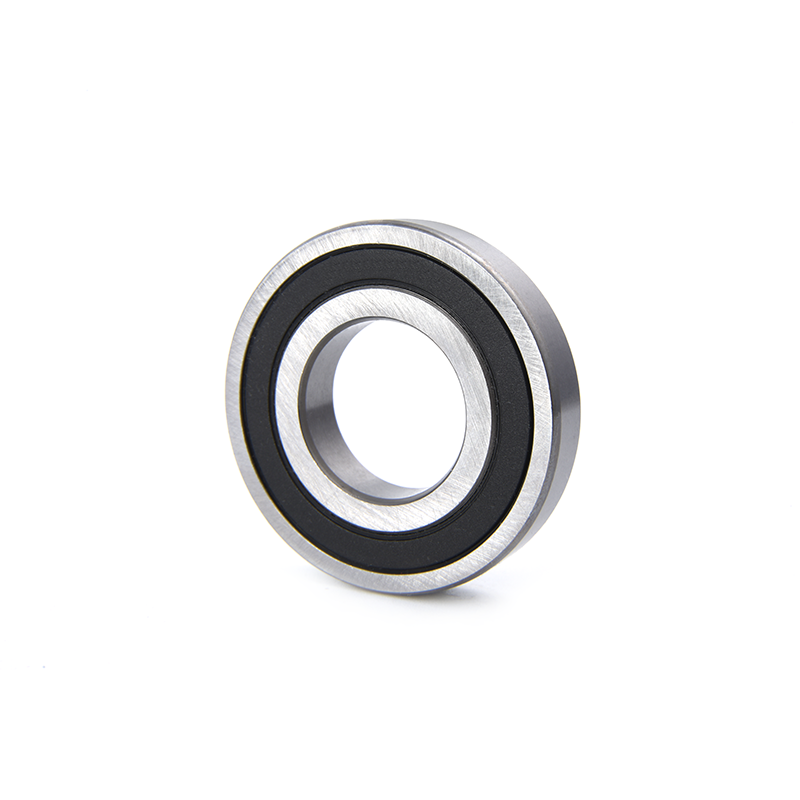
The 6207 bearing is a single-row deep groove ball bearing with a 35 mm bore, 72 mm outer diameter, and 17 mm width — one of the most standardized and globally sourced rolling elements in industrial and consumer machinery. Its balanced load capacity, compact dimensions, and cost efficiency make it the default choice across pumps, electric motors, gearboxes, and agricultural equipment worldwide.
Content
- What Are the Exact Dimensions and Load Ratings of the 6207 Bearing?
- Which Variants of the 6207 Bearing Should You Choose for Your Application?
- How Is the 6207 Bearing Used Across Different Industries?
- Why Does Bearing Material and Cage Design Matter in a 6207 Bearing?
- How to Properly Install and Maintain a 6207 Bearing
- How to Calculate the Service Life of a 6207 Bearing
- Frequently Asked Questions About the 6207 Bearing
- How to Identify a Counterfeit or Low-Quality 6207 Bearing
- Conclusion: Why the 6207 Bearing Remains the Industry Standard
What Are the Exact Dimensions and Load Ratings of the 6207 Bearing?
The 6207 bearing dimensions follow the ISO 15 standard: bore diameter 35 mm, outer diameter 72 mm, and width 17 mm. These measurements are universally interchangeable across manufacturers, meaning a 6207 from any certified supplier will fit the same housing and shaft as any other.
| Parameter | Value | Unit |
| Bore Diameter (d) | 35 | mm |
| Outer Diameter (D) | 72 | mm |
| Width (B) | 17 | mm |
| Dynamic Load Rating (C) | 25,500 | N |
| Static Load Rating (C₀) | 15,300 | N |
| Mass (approx.) | 0.22 | kg |
| Reference Speed | 9,000 | rpm |
| Limiting Speed | 12,000 | rpm |
Table 1: Standard dimensional and load specifications for the 6207 deep groove ball bearing per ISO 15 guidelines.
Which Variants of the 6207 Bearing Should You Choose for Your Application?
The standard 6207 bearing is available in multiple variants distinguished by suffix codes — each engineered for specific environmental or operational requirements. Selecting the wrong variant is one of the most common causes of premature bearing failure.
6207 Open vs. Shielded vs. Sealed
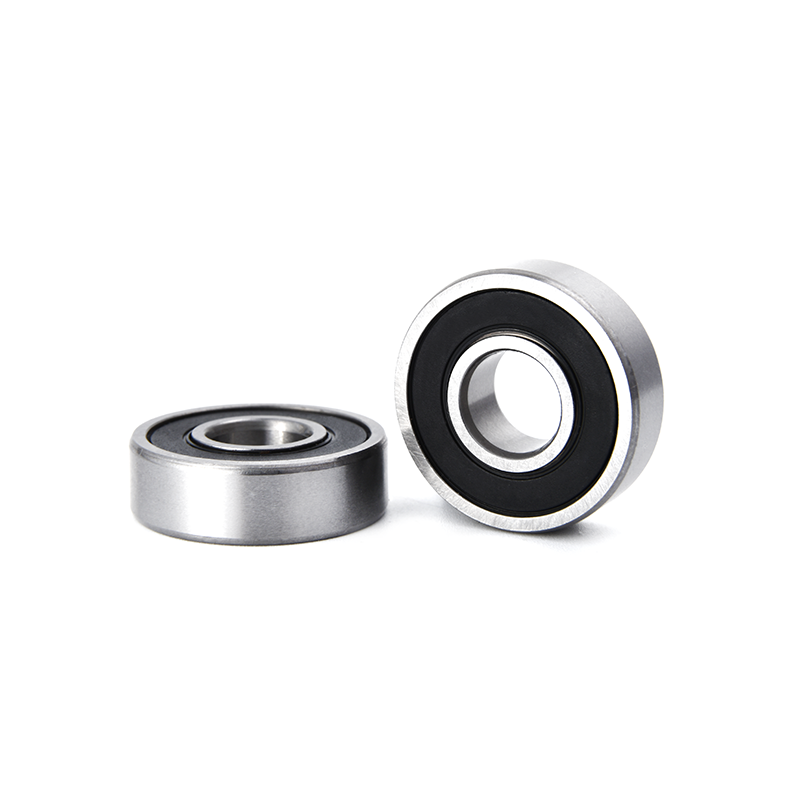
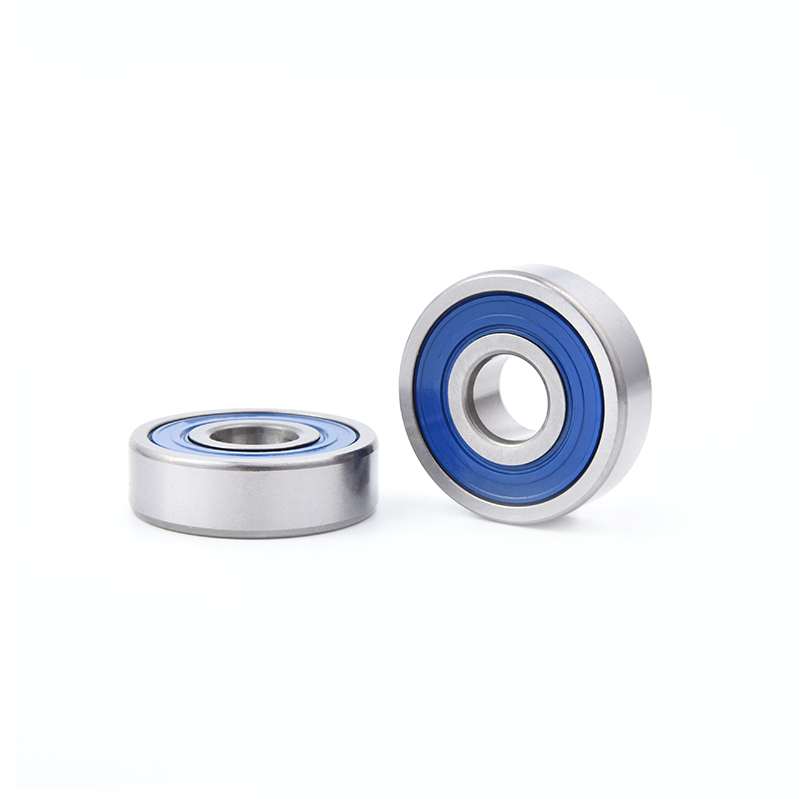
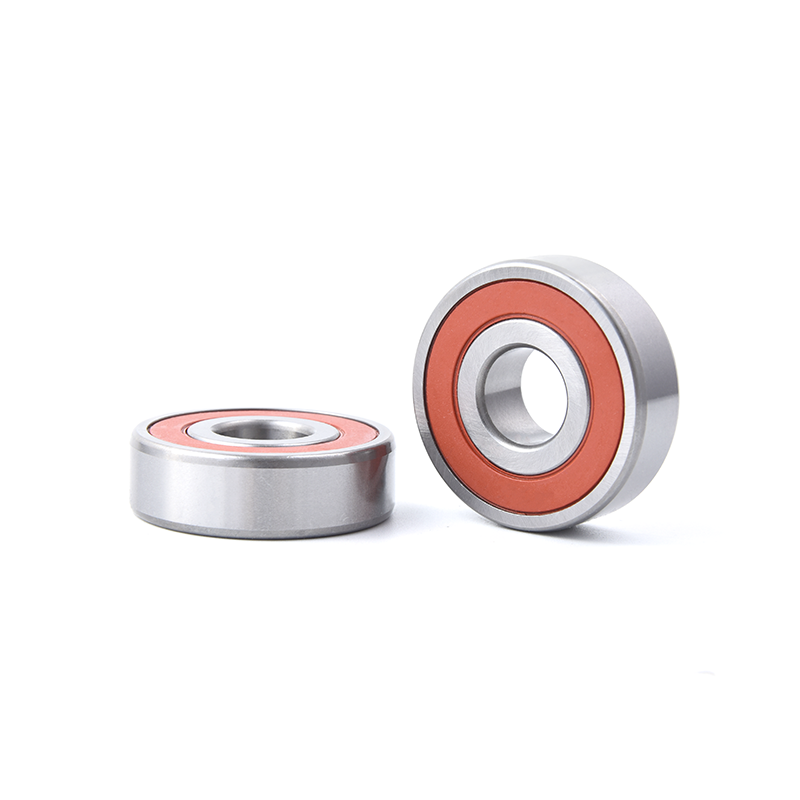
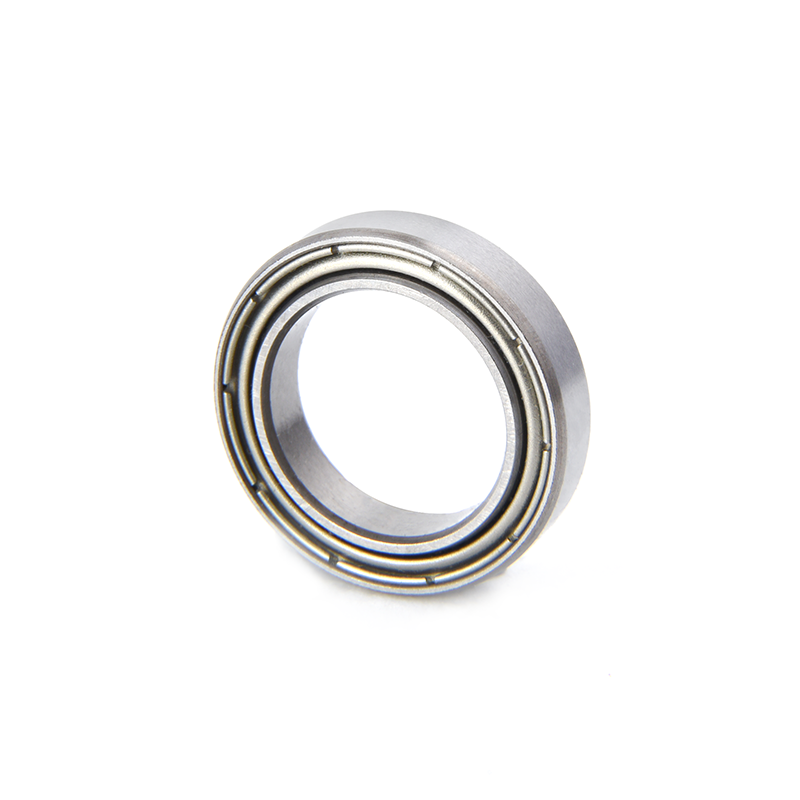
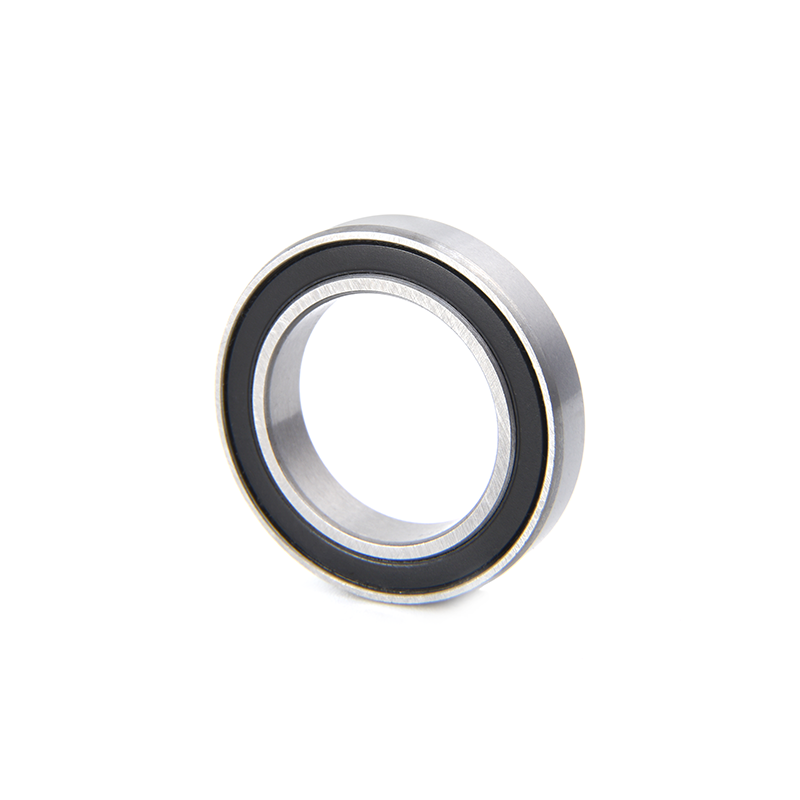
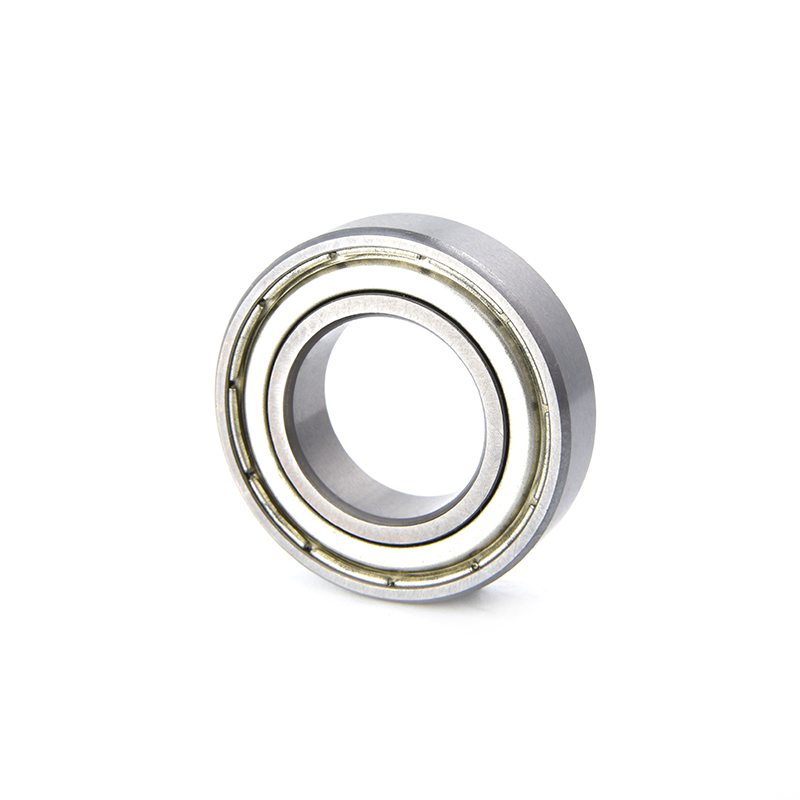
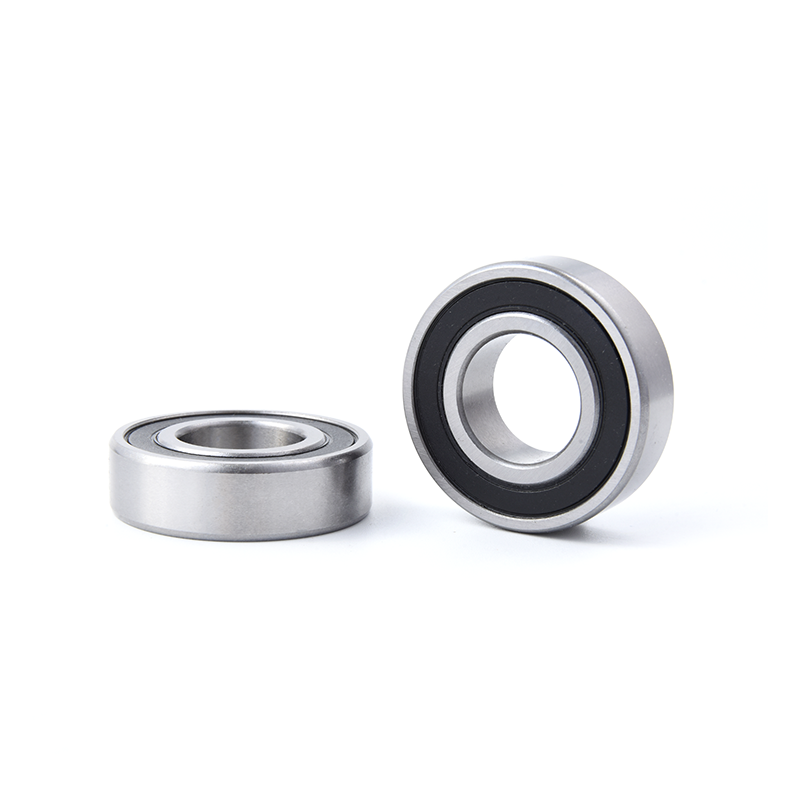
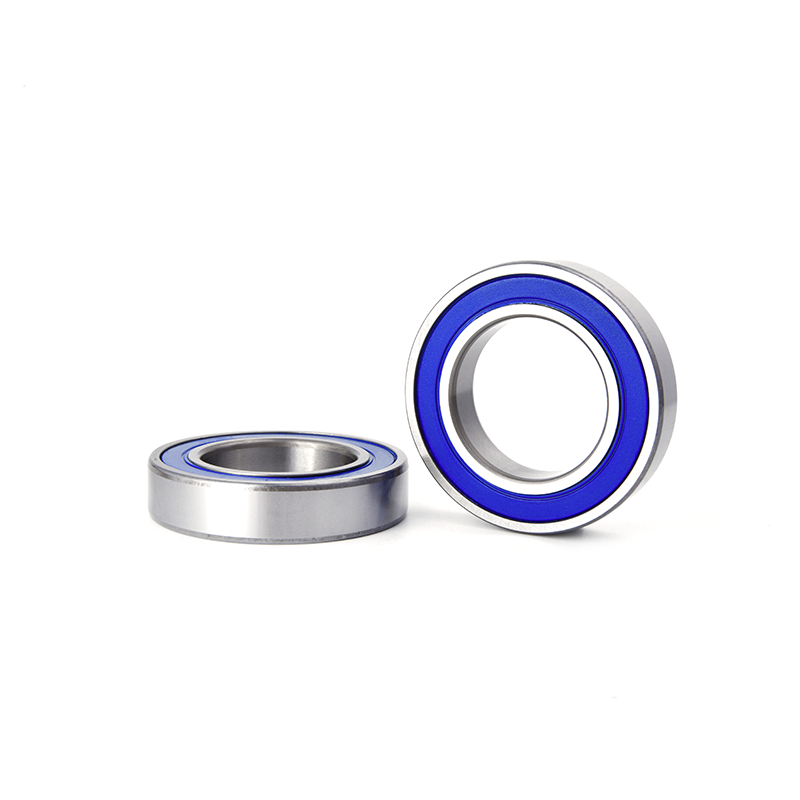
The open design (no suffix) offers the lowest friction and highest speed capability but requires an external lubrication system. Shielded variants (6207 ZZ or 6207 2Z) use metal shields to deflect contaminants without touching the inner ring, resulting in minimal friction increase while offering moderate protection. Sealed variants (6207 2RS or 6207 RS) use rubber contact seals that are grease-packed for life, ideal for environments with water, dust, or chemical exposure.
| Variant | Seal Type | Lubrication | Best For | Max Speed |
| 6207 (Open) | None | External required | Clean, high-speed environments | 12,000 rpm |
| 6207 ZZ | Metal shield (both sides) | External grease | Dusty, dry conditions | 11,000 rpm |
| 6207 2RS | Rubber contact seal | Pre-packed grease (lifetime) | Wet, contaminated environments | 9,000 rpm |
| 6207 N | None | External required | Axial locating applications | 12,000 rpm |
| 6207 C3 | Open or sealed | External required | High-temperature operation | 12,000 rpm |
Table 2: Comparison of 6207 bearing variants by seal type, lubrication method, recommended use case, and maximum operating speed.
Understanding the C3 Internal Clearance Designation
The 6207 C3 bearing has a greater-than-normal internal radial clearance (C3 class per ISO 5753). This wider gap accommodates thermal expansion in applications where the shaft or housing heats significantly during operation — such as electric motors running continuously above 60°C. Using a standard-clearance bearing in such applications can cause the rolling elements to bind, generating heat and accelerating fatigue failure.
How Is the 6207 Bearing Used Across Different Industries?
The 6207 deep groove ball bearing is found in virtually every sector that relies on rotating machinery, precisely because its 35 mm bore fits the most common shaft sizes in medium-duty equipment.
- Electric Motors (0.5–15 kW range): The 35 mm shaft diameter is standard in NEMA 56 and IEC 90 frame motors. The 6207 2RS variant is factory-installed in millions of motors annually due to its sealed, maintenance-free design. A typical 7.5 kW induction motor operating 8 hours/day at 1,450 rpm can expect 30,000–50,000 hours of bearing life under normal load conditions.
- Agricultural Machinery: Grain augers, seed drills, and hay balers operate under significant contamination. The 6207 ZZ or 2RS is preferred here because grease retention and dust exclusion are critical. Field replacement cost is a primary concern — a standard 6207 costs roughly $3–$8 USD in volume, far less than downtime during harvest.
- Pumps and Compressors: Centrifugal pumps for HVAC, water treatment, and industrial fluid transfer commonly use the 6207 at both drive-end and non-drive-end positions. Radial loads from impeller imbalance are well within the bearing's 25,500 N dynamic rating.
- Conveyor Systems: Roller conveyors in logistics and food processing use 6207 bearings in idler rollers. With conveyor systems running 24/7 in environments ranging from freezing cold storage to humid packaging areas, the sealed 2RS variant is standard.
- Gearboxes: Many light-to-medium industrial gearboxes use 6207 bearings on intermediate shafts where both radial and moderate axial loads exist — a load condition well-suited to deep groove geometry, which can accommodate axial loads up to approximately 20–30% of radial capacity.
Why Does Bearing Material and Cage Design Matter in a 6207 Bearing?
Material selection for both the rings and the cage directly determines operating temperature range, corrosion resistance, and fatigue life — all critical factors when specifying a 6207 bearing.
Ring and Ball Material Options
Standard 6207 bearings use through-hardened chromium steel (AISI 52100 / DIN 100Cr6) for both rings and balls, achieving surface hardness of HRC 60–65. This offers an excellent balance of fatigue strength and machinability. For corrosive environments — coastal installations, food processing, pharmaceutical plants — 6207 stainless steel bearings (AISI 440C) are available, though with a roughly 20% lower load rating compared to chrome steel due to the softer material.
Cage Material Comparison
| Cage Material | Max Temp (°C) | Speed Suitability | Best Application |
| Steel (pressed) | 150 | Medium–High | General purpose |
| Polyamide (PA66) | 120 | High | Quiet, low-vibration |
| Brass (machined) | 200 | Medium | High-temp, heavy-duty |
| PEEK (engineered polymer) | 250 | Very High | Extreme heat, chemical resistance |
Table 3: Comparison of cage material options for 6207 bearings by maximum temperature, speed suitability, and recommended application.
How to Properly Install and Maintain a 6207 Bearing
Correct installation is the single most preventable cause of premature 6207 bearing failure — studies estimate that 16% of early bearing failures result from improper mounting.
Installation Best Practices
- Use induction heating for interference fits: Heating the bearing to 80–110°C (never exceed 125°C for standard bearings) allows it to slip onto the shaft without force. Hammering a cold bearing transfers impact load through the balls, damaging raceways immediately.
- Apply force to the correct ring: When pressing onto a shaft, force must only be applied to the inner ring. When pressing into a housing, force only to the outer ring. Applying force across both rings simultaneously will indent the raceways — this is called "brinelling" and will cause noise and rapid fatigue failure.
- Verify shaft and housing tolerances: For a 35 mm shaft with normal radial load, an interference fit of k5 or m5 is standard for rotating inner ring applications. Housing tolerances of H7 or J7 are typical. Using incorrect tolerances leads to either fretting corrosion (too loose) or excessive preload (too tight).
- Do not wash sealed 6207 2RS bearings: Factory-installed grease in sealed bearings is precisely calculated for the internal geometry. Washing with solvents removes this grease and makes relubrication without disassembly impossible.
Lubrication Guidelines for Open 6207 Bearings
For 6207 open bearings requiring field lubrication, the grease fill volume should not exceed 30–40% of the free space within the bearing. Overfilling causes the grease to churn, generating heat and actually reducing lubrication effectiveness. A lithium-based NLGI Grade 2 grease is suitable for most applications up to 80°C. For higher temperatures or food-contact environments, use a food-grade or synthetic polyurea grease.
How to Calculate the Service Life of a 6207 Bearing
Bearing life is calculated using the ISO 281 standard formula, and understanding it allows engineers to make informed decisions about 6207 bearing replacement intervals and load limits.
The basic rating life (L10) — the life at which 90% of a bearing population is expected to survive — is given by:
L10 (millions of revolutions) = (C / P)³
Where C = dynamic load rating (25,500 N for the 6207) and P = equivalent dynamic bearing load in Newtons.
Practical example: A 6207 bearing in a pump carrying a radial load of 5,000 N at 1,450 rpm:
- L10 = (25,500 / 5,000)³ = 5.1³ = 133 million revolutions
- L10h = 133,000,000 / (60 × 1,450) = approximately 1,529 hours
For machinery running 8 hours/day, 250 days/year, this equates to approximately 0.76 years of operation at full load. If the load is reduced to 3,000 N, life increases to (25,500/3,000)³ = 614 million revolutions — a nearly 5× improvement. This illustrates why overloading is catastrophic to 6207 bearing life.
Frequently Asked Questions About the 6207 Bearing
Q: Is the 6207 bearing the same as a 6207-2RS or 6207-ZZ?
No. The "6207" designation refers to the base bearing with no seals. 6207-2RS has rubber contact seals on both sides and is pre-greased. 6207-ZZ has metal shields on both sides. All share identical outer dimensions (35×72×17 mm) but differ in speed ratings, lubrication, and contamination protection.
Q: What is the difference between a 6207 and a 6207 C3 bearing?
The 6207 C3 has a larger internal radial clearance than the standard (CN) clearance. C3 bearings are recommended when the operating temperature will cause the shaft to expand significantly relative to the housing, or when heavy interference fits are used. Using C3 in a standard-temperature application may cause excessive vibration.
Q: Can the 6207 bearing handle axial (thrust) loads?
Yes. As a deep groove ball bearing, the 6207 can handle moderate axial loads in addition to its primary radial load capacity. As a general guideline, axial load should not exceed 20–30% of the radial load for satisfactory life. For applications with dominant axial loading, angular contact or thrust bearings should be considered instead.
Q: What are common signs of a failing 6207 bearing?
Key warning signs include: abnormal noise (grinding, clicking, or rumbling that wasn't present before), elevated temperature at the bearing housing (more than 20°C above the baseline operating temperature), increased vibration detectable via vibration analysis, and visible grease leakage or discoloration from a sealed bearing, which indicates seal damage.
Q: Are all 6207 bearings interchangeable regardless of origin?
In terms of external dimensions, yes — all 6207 bearings compliant with ISO 15 share the same 35×72×17 mm envelope. However, internal quality, material purity, geometric tolerances, and noise levels (ABEC/ISO class) vary significantly. A bearing labeled ABEC 1 (ISO P0) is standard tolerance; ABEC 5 (ISO P5) or ABEC 7 (ISO P4) offers tighter tolerances for precision applications like spindle motors or measuring instruments.
Q: How should I store 6207 bearings before installation?
6207 bearings should be stored in their original packaging, horizontally, in a dry environment with relative humidity below 60% and temperature between 0°C and 40°C. Vertical storage can cause grease to migrate away from the raceways. Antirust paper in original packaging provides approximately 2–3 years of corrosion protection; beyond this, inspect and re-grease if necessary before installation.
How to Identify a Counterfeit or Low-Quality 6207 Bearing
The 6207 bearing market is one of the most counterfeited in the bearing industry due to high global demand. A substandard bearing can fail within hours in a critical application, causing equipment damage, production losses, and safety hazards.
- Weight check: A genuine chrome steel 6207 weighs approximately 215–225 grams. Significant deviation suggests different steel alloys or internal geometry shortcuts.
- Spin test: Spin the outer ring with the inner ring held still. It should rotate smoothly with a gradual deceleration. Rough, noisy, or uneven spin indicates poor raceway finish or inconsistent ball sizing.
- Packaging quality: Certified bearings are packed in clean, professionally printed boxes with lot numbers, manufacturing date codes, and material certificates. Missing or inconsistent information is a red flag.
- Laser etching clarity: Authentic bearings have clear, consistent laser or stamp markings on the outer ring. Blurred, uneven, or shallow engravings may indicate counterfeit products.
- Purchase from authorized distributors: The most reliable protection is sourcing 6207 bearings from verified industrial distributors who can provide material certificates and traceability documents.
Conclusion: Why the 6207 Bearing Remains the Industry Standard
The 6207 bearing has maintained its position as a cornerstone of mechanical engineering for decades not by accident, but by engineering logic. Its 35×72×17 mm envelope hits the precise intersection of radial capacity, speed capability, and physical footprint demanded by the world's most common rotating equipment. With dynamic load ratings of 25,500 N, a speed ceiling of 12,000 rpm, and a cost that rarely exceeds $10 USD per unit in standard quality, it offers unmatched value per application.
Whether you are specifying 6207 2RS sealed bearings for a maintenance-free pump installation, selecting 6207 C3 open bearings for a high-temperature electric motor, or sourcing stainless variants for food-grade conveyor systems, the key to maximizing service life lies in three areas: correct variant selection for the operating environment, proper installation technique, and sourcing from traceable, certified suppliers.
Used correctly, a 6207 deep groove ball bearing will consistently outlast the maintenance intervals of the machinery it supports — quietly and reliably enabling the mechanical world to keep turning.



Contact Us