


 English
 中文简体
中文简体 Español
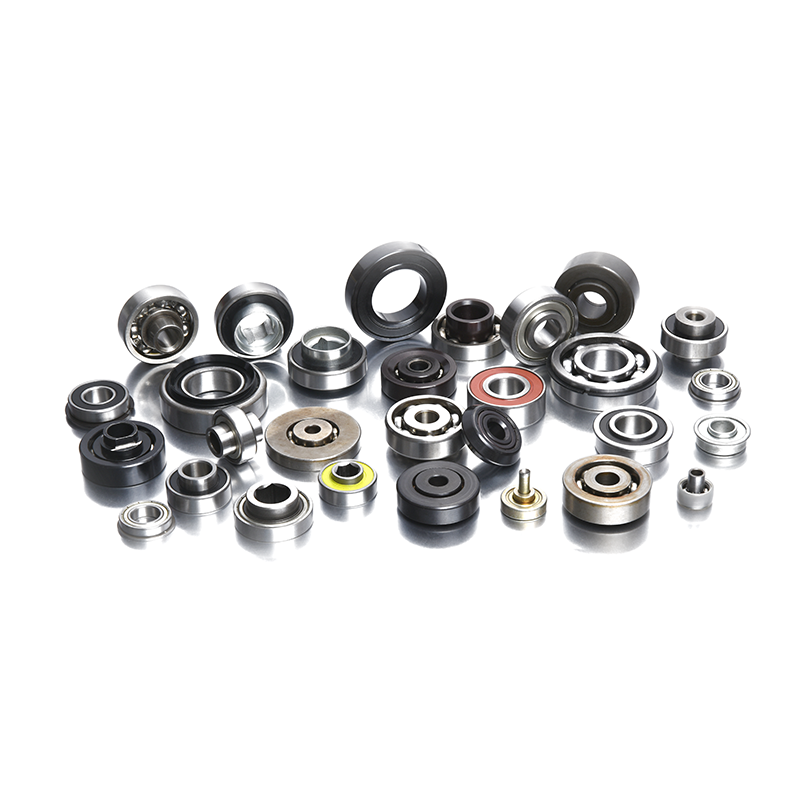
If you are designing a rotary table, a robot wrist, or a semiconductor wafer-handling arm, the bearing often has to fit into a limited radial space while carrying the full operating load. Thin section bearings are the standard answer: they provide ball bearing accuracy and capacity in a cross section that remains small even when the bore diameter becomes large.
Content
- What Is a Thin Section Bearing?
- Three Main Thin Section Bearing Designs
- Key Thin Section Bearing Selection Criteria
- Materials, Lubrication, Seals, and Custom Features
- Where Thin Section Bearings Are Used
- Tolerances, Fits, and Installation
- Common Mistakes When Applying Thin Section Bearings
- Frequently Asked Questions
- Final Thoughts
What Is a Thin Section Bearing?
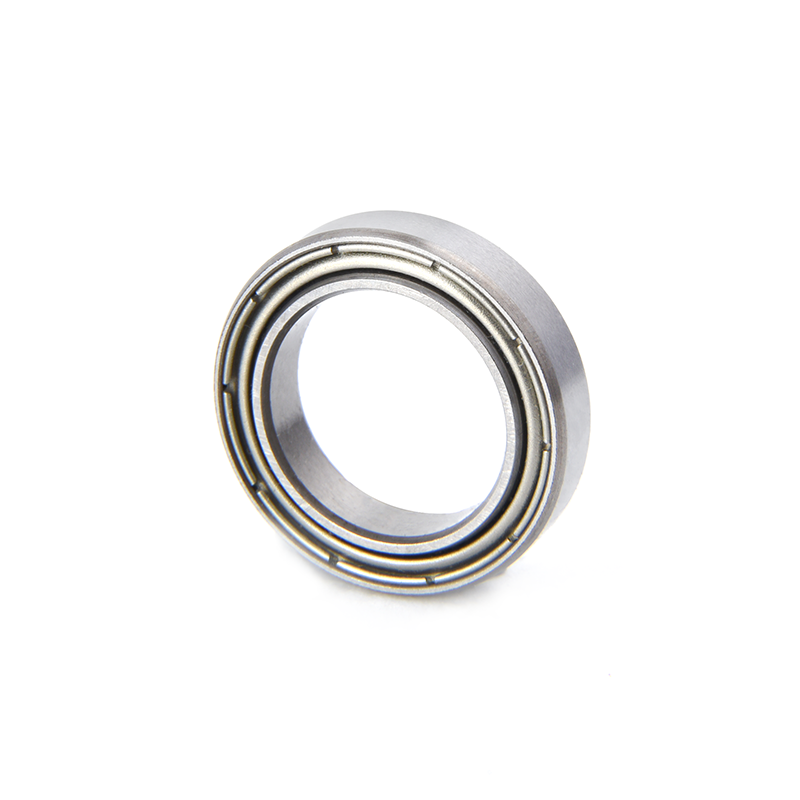
A thin section bearing is a ball bearing whose radial cross section is much smaller than that of a conventional bearing with the same bore, and the cross section remains nearly constant as the bore size changes.
Instead of scaling up a deep groove ball bearing as the shaft grows, a thin series keeps the same annular envelope and increases the diameter of the rings and balls. The result is a lighter, more compact machine with lower rotating mass and reduced material cost.
Three Main Thin Section Bearing Designs
Thin section bearings are available in three main contact designs: radial contact (C type), angular contact (A type), and four-point contact (X type).
| Design | Contact arrangement | Best suited for | Typical use |
|---|---|---|---|
| C - radial contact | Single-row deep groove raceways | Radial load plus modest axial load | Turntables, positioning rollers |
| A - angular contact | Single-row angled raceways | High axial load and moment load; usually used in pairs | Robot joints, spindle supports |
| X - four-point contact | Gothic-arch raceways with four contact points | Reversing axial loads and moment loads in one bearing | Radar drives, indexing tables |
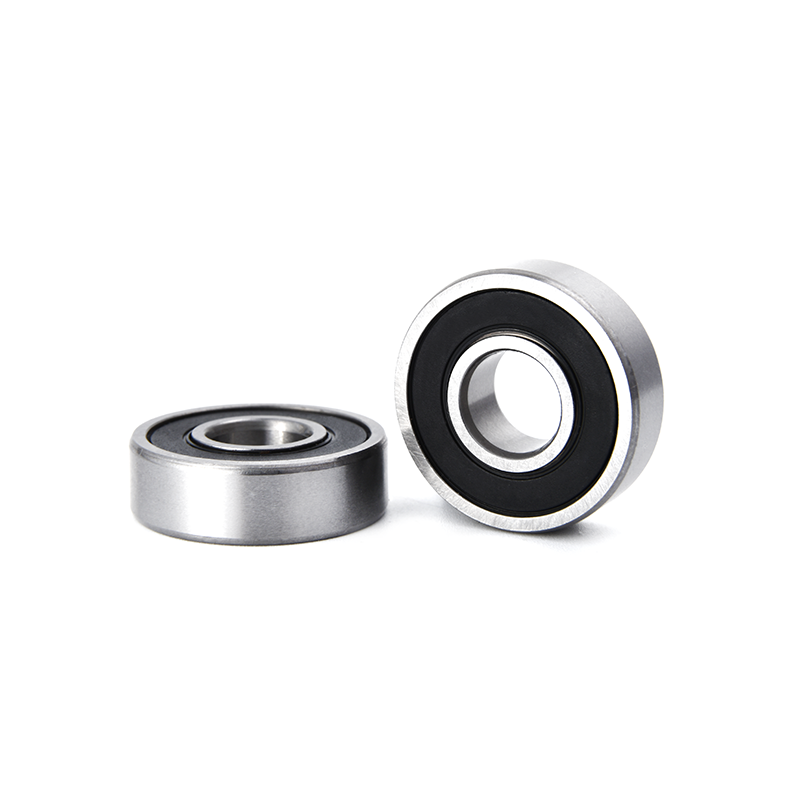
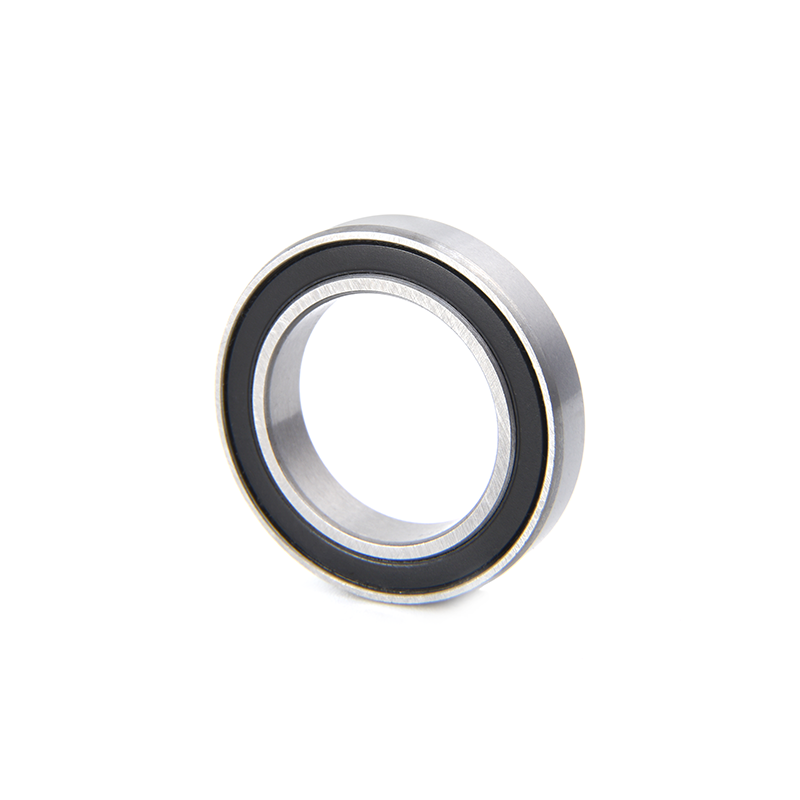
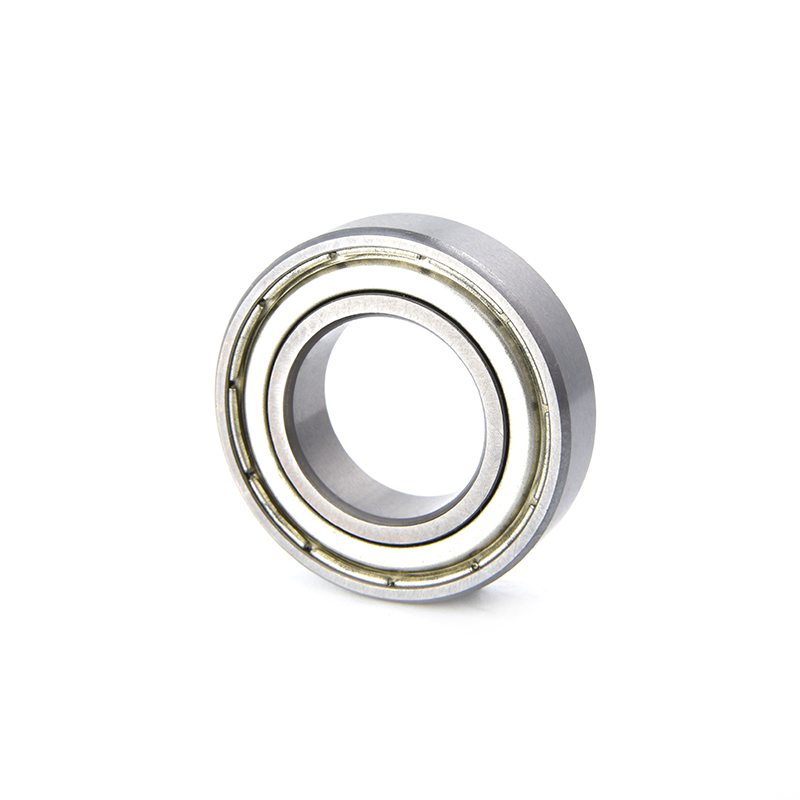
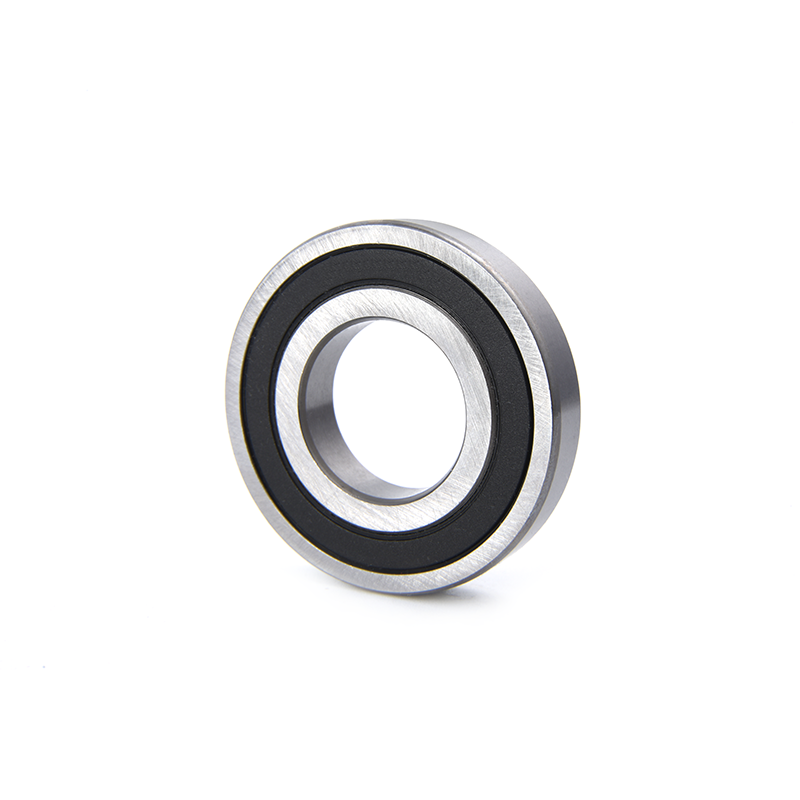
For radial-load-dominated thin section requirements, 68 series thin-section deep groove ball bearings are often the easiest starting point because they combine a small cross section with a proven, cost-effective design.
 Wholesale Deep Groove Ball Bearing 68(618) Series Suppliers, OEM/ODM CompanyKangtian Bearing Co., Ltd is a China Deep Groove Ball Bearing 68(618) Series suppliers and Deep Groove Ball Bearing 68(618) Series compan...View Product →
Key Thin Section Bearing Selection Criteria
Select a thin section bearing by defining load, speed, stiffness, accuracy, and available space first, and only then compare series and sizes.
- Calculate radial, axial, and tilting moment loads for each operating condition.
- Determine the speed requirement and the matching DN value, then select the cage type.
- Define the required stiffness; consider preloaded pairs for critical positioning.
- Select the accuracy grade that controls runout and vibration, such as ISO P5 or P4.
- Verify the envelope: bore, outer diameter, width, and available shoulder support.
A structured industrial bearing selection process helps you evaluate these factors against your duty cycle and avoid mismatched ratings.
Materials, Lubrication, Seals, and Custom Features
Material, lubricant, seal, and cage choice often decide whether a thin section bearing lasts for years or fails within months.
- Steel: high carbon chromium steel such as AISI 52100 is the default; stainless steel is needed for corrosion, cleanroom, or washdown applications.
- Hybrid ceramic: ceramic balls reduce centrifugal force and provide electrical insulation, useful for motor and instrument applications.
- Lubrication: grease is common; low-temperature or vacuum-compatible grease should be specified for extreme environments.
- Seals and shields: contact seals protect against contamination but add torque; non-contact shields are better for high speed.
- Cage and preload: machined or polymer cages improve speed; preload removes internal clearance and increases rigidity.
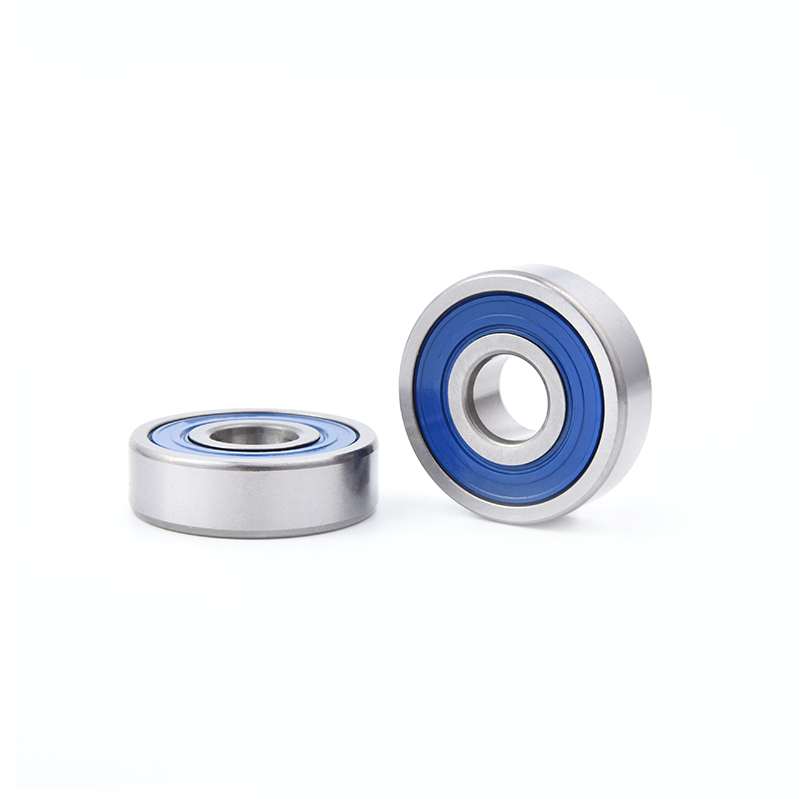
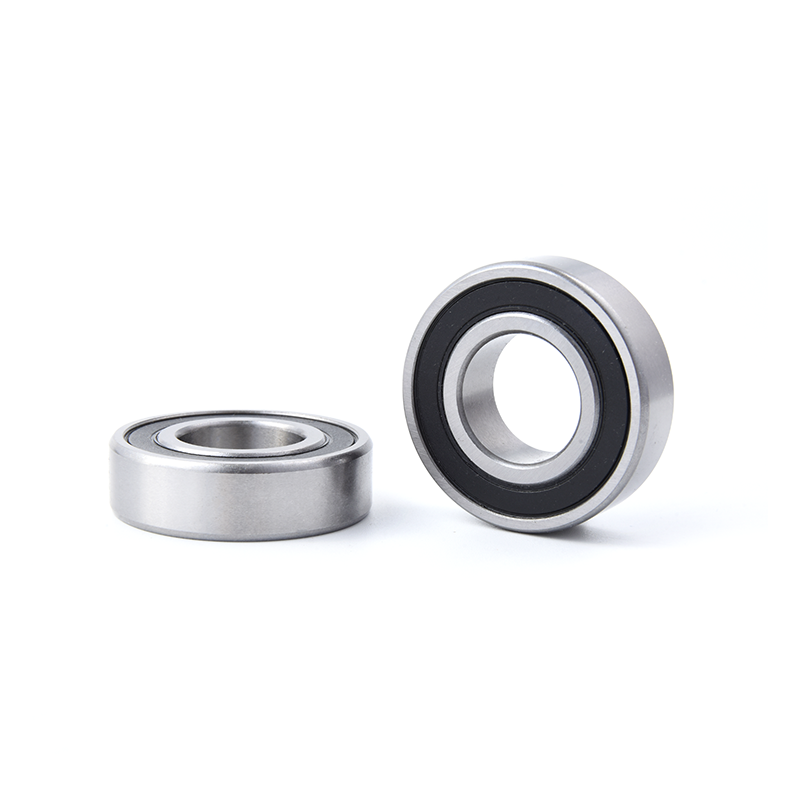
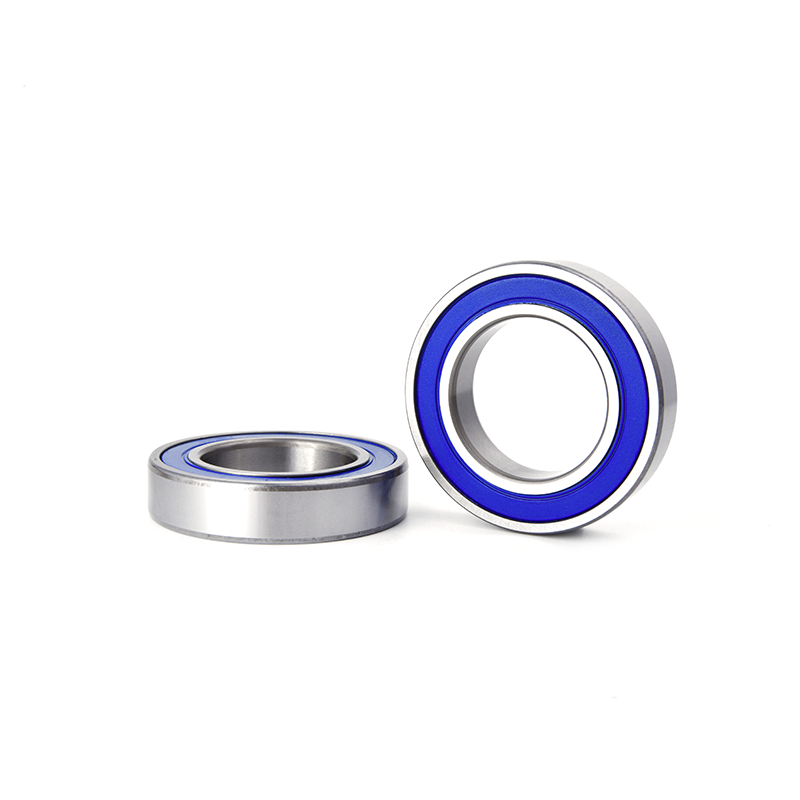
When the catalog envelope does not match your design, nonstandard series deep groove ball bearings can be engineered to your required bore, width, material, seal, and lubrication specification.
Wholesale Non-Standard Series Deep Groove Ball Bearing Suppliers, OEM/ODM CompanKangtian Bearing Co., Ltd is a China Non-Standard Series Deep Groove Ball Bearing suppliers and Non-Standard Series Deep Groove Ball Bear...View Product →Where Thin Section Bearings Are Used
Thin section bearings are the first choice for machine designs in which low weight, small envelope, and high rotational accuracy matter equally.
- Robotics: joint axes and end-effector rotary units
- Semiconductor manufacturing: wafer handling and inspection stages
- Medical imaging: CT and PET gantry rotation
- Aerospace and defence: radar, turrets, optical gimbals
- Machine tools: indexing tables and rotary axes
- Packaging and printing: large diameter but slim locating rollers
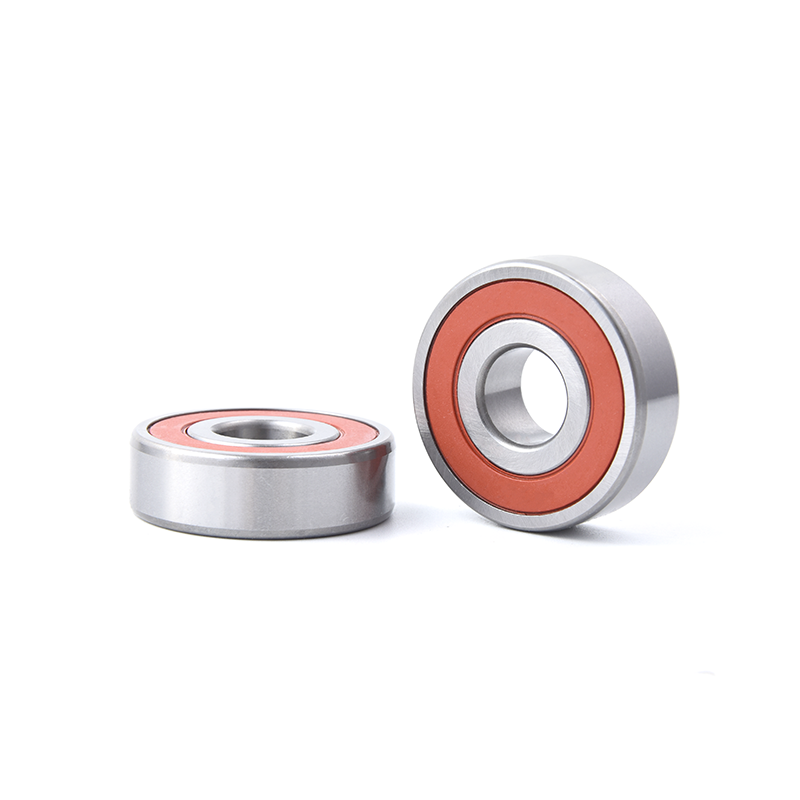
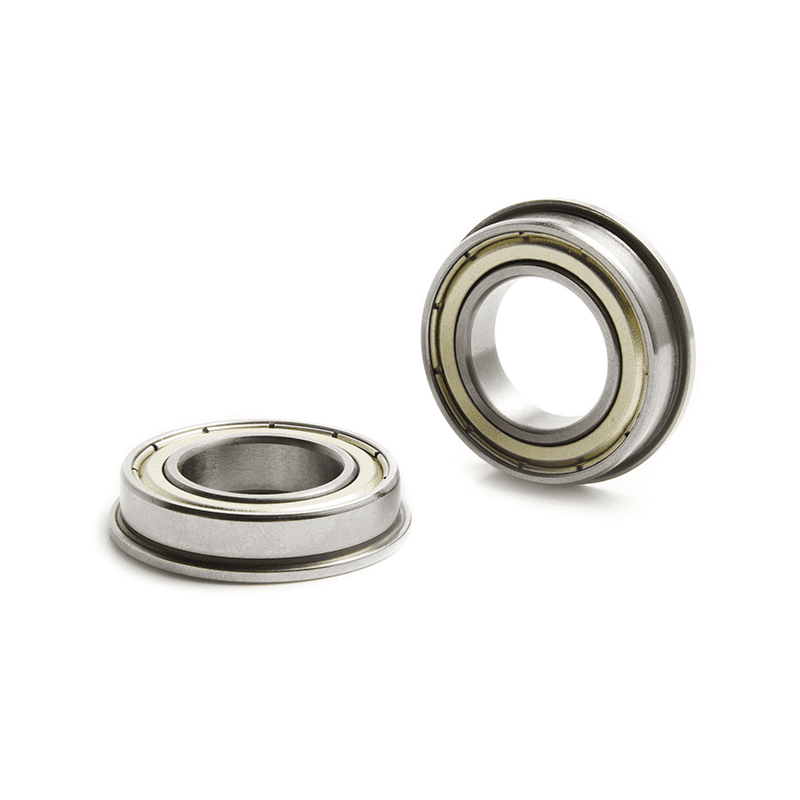
In many automated assembly cells, flange series deep groove ball bearings are selected because the flange locates the bearing axially and removes the need for a separate shoulder in the housing.
Wholesale Flange Series Deep Groove Ball Bearing Suppliers, OEM/ODM CompanyKangtian Bearing Co., Ltd is a China Flange Series Deep Groove Ball Bearing suppliers and Flange Series Deep Groove Ball Bearing company,...View Product →Tolerances, Fits, and Installation
A thin-section bearing delivers its rated performance only when the surrounding fits and mounting procedure respect the tolerance class.
Specify ISO P0, P6, P5, or P4 (equivalent to ABEC 1, 3, 5, and 7) according to the required runout and rotational accuracy. Use the fits recommended for the rotating ring, support thin rings with adjacent components, and never press through the balls.
| ISO grade | ABEC equivalent | Typical application |
|---|---|---|
| P0 | ABEC 1 | General rotation, low-cost applications |
| P6 | ABEC 3 | Motors and light instrumentation |
| P5 | ABEC 5 | Precision drives and positioning |
| P4 | ABEC 7 | Machine tools and ultra-precision systems |
Before finalizing the design, compare the recommended shaft and housing limits in the bearing technical data for the selected series.
Common Mistakes When Applying Thin Section Bearings
The majority of premature failures come from four recurring mistakes: underestimating moment load, ignoring stiffness, distorting the rings during mounting, and specifying the wrong accuracy grade.
- Buying by bore size only without considering the tilting moment.
- Assuming all deep groove bearings have the same load capacity.
- Mounting by pressing the outer ring against the balls, causing brinelling.
- Omitting preload in an oscillating, low-speed application.
- Allowing the housing bore out-of-roundness to distort a thin ring.
Frequently Asked Questions
What is a thin section bearing used for?
A thin section bearing is used where the shaft or housing bore is large but radial space is limited; typical uses include rotary indexers, robot joints, radar antennas, and medical gantries.
What is the difference between a thin section bearing and a normal ball bearing?
A normal ball bearing scales its cross section as the bore grows, while a thin section bearing keeps a small, fixed cross section across many bore sizes. That saves weight and envelope but makes stiffness and mounting detail more critical.
Can a four-point contact bearing replace a pair of angular contact bearings?
In many moderate-duty applications, yes, because it carries radial, axial, and moment loads in one package. For very high stiffness or continuous high-speed running, a preloaded duplex angular contact bearing remains better.
How important is preload in thin section bearings?
Preload is important whenever you need predictable stiffness and low runout; it removes internal clearance and prevents skidding under light loads.
Final Thoughts
Thin section bearings perform best when the entire system is considered: type selection, accuracy grade, fits, lubrication, and mounting all affect the final result.
Work with a manufacturer who understands thin-wall and non-standard design, has robust quality control, and can meet delivery schedules. That engineering depth turns a catalog component into a reliable part of a critical machine.



Contact Us