


 English
 中文简体
中文简体 Español
If you are selecting bearings for a pump, motor, gearbox, or production machine, the first value an engineer usually wants is the L10 bearing life. In simple terms, L10 is the number of revolutions or operating hours that 90% of a group of identical bearings can be expected to complete before material fatigue appears on the raceways or rolling elements. It is a statistical rating, not an exact failure forecast for a single bearing.
This explanation matters because L10 appears in nearly every bearing catalog, yet it is often confused with average life or treated as a guaranteed replacement interval. Neither interpretation is correct.
Content
- What Does the "10" in L10 Mean?
- L10 Bearing Life Formula Used by Manufacturers
- How to Use the Formula: A Practical Walk-Through
- What Shortens or Extends L10 Life in Real Applications
- L10 vs L50 and Bearing System Life
- How to Extend L10 Bearing Life in Practice
- What to Check in a Bearing Catalog
- Limitations: L10 Is Not a Total Life Prediction
- Frequently Asked Questions
What Does the "10" in L10 Mean?
The "10" stands for the 10% failure probability used in the ISO 281 rating life calculation. If 100 identical bearings operate under the same load, speed, lubrication, and temperature, about 10 are expected to fail from rolling contact fatigue during the calculated L10 life, while the other 90 should run at least that long.
Because it is defined by 90% reliability, L10 is also called the basic rating life. The L50 median life, by contrast, is longer because it corresponds to 50% survival, but it is rarely used for sizing or safety planning.
L10 Bearing Life Formula Used by Manufacturers
All L10 calculations share the same base equation from ISO 281: L10 = (C / P)p, expressed in millions of revolutions.
For life in hours, use: L10h = [106 / (60 × n)] × (C / P)p, where n is the operating speed in r/min.
- C = basic dynamic load rating, in newtons or kilonewtons
- P = equivalent dynamic bearing load, in the same unit as C
- p = life exponent: 3 for ball bearings, 10/3 for roller bearings
When a bearing carries a pure radial load, P equals the applied radial load. When both radial and axial loads are present, calculate P as P = XFr + YFa, using the radial and axial factors from the bearing catalog.
How to Use the Formula: A Practical Walk-Through
The fastest way to improve L10 life is to raise the C/P ratio.
For a ball bearing with p = 3, if C/P is doubled, L10 life increases by a factor of 23 = 8. That large jump explains why bearing size and series selection have such a strong influence on service life.
| C/P ratio | Relative life (p = 3) | Example L10h at 1,500 r/min |
|---|---|---|
| 1 | 1 | 11 h |
| 5 | 125 | 1,389 h |
| 10 | 1,000 | 11,111 h |
| 15 | 3,375 | 37,500 h |
For example, if a motor runs at 1,500 r/min and the selected bearing has C/P = 10, the estimated L10h is approximately 11,111 hours. If a heavier series raises the ratio to C/P = 15, the estimated life jumps to about 37,500 hours.
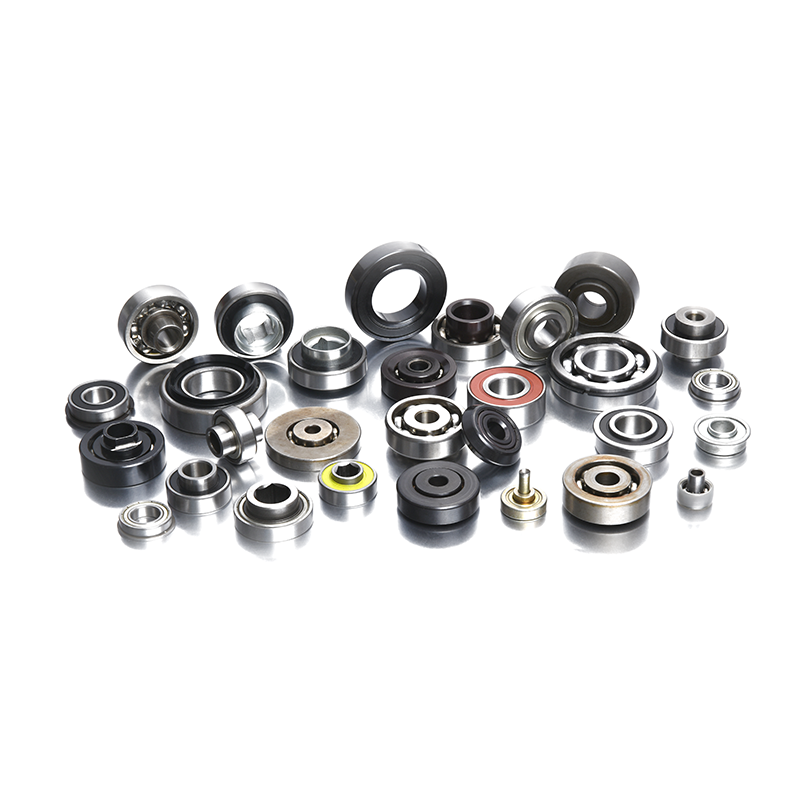
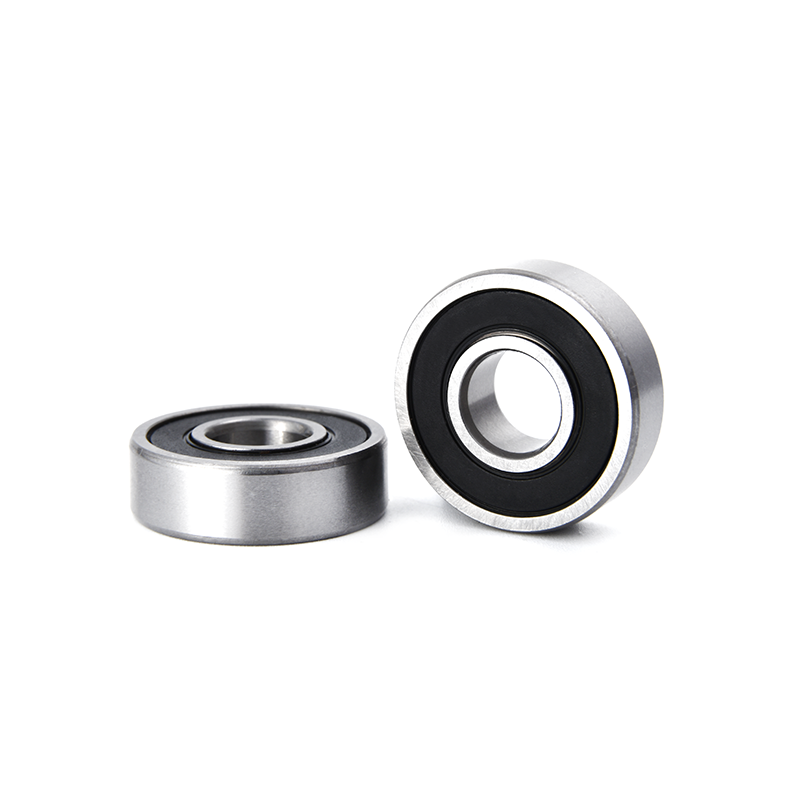
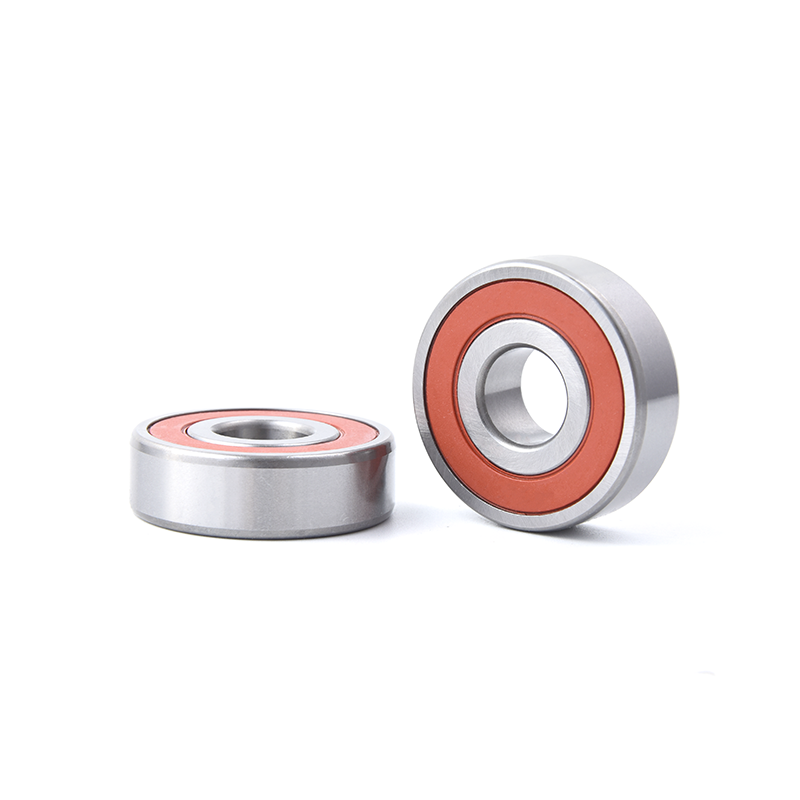
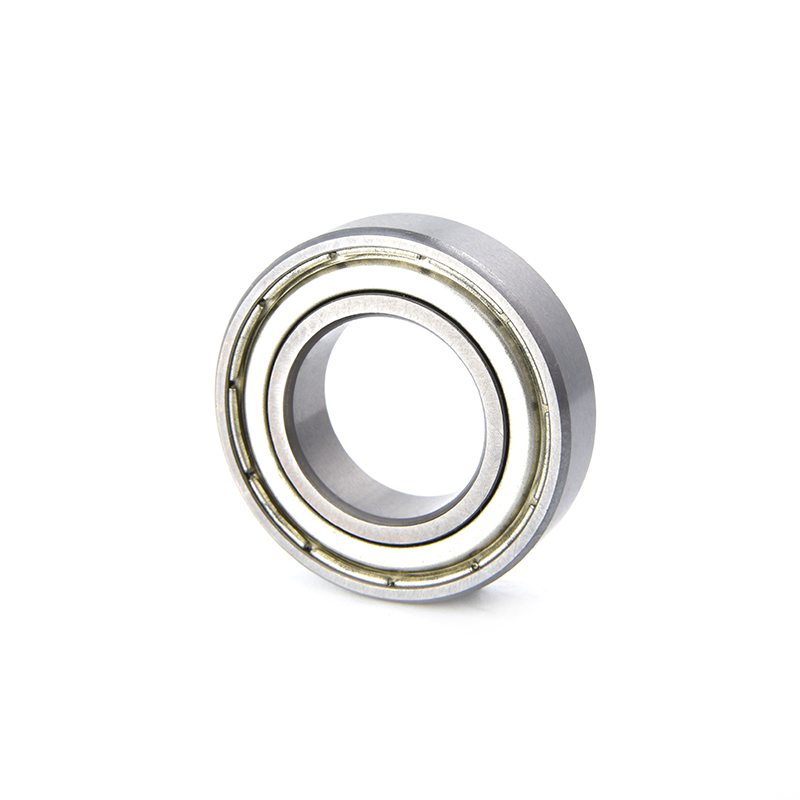
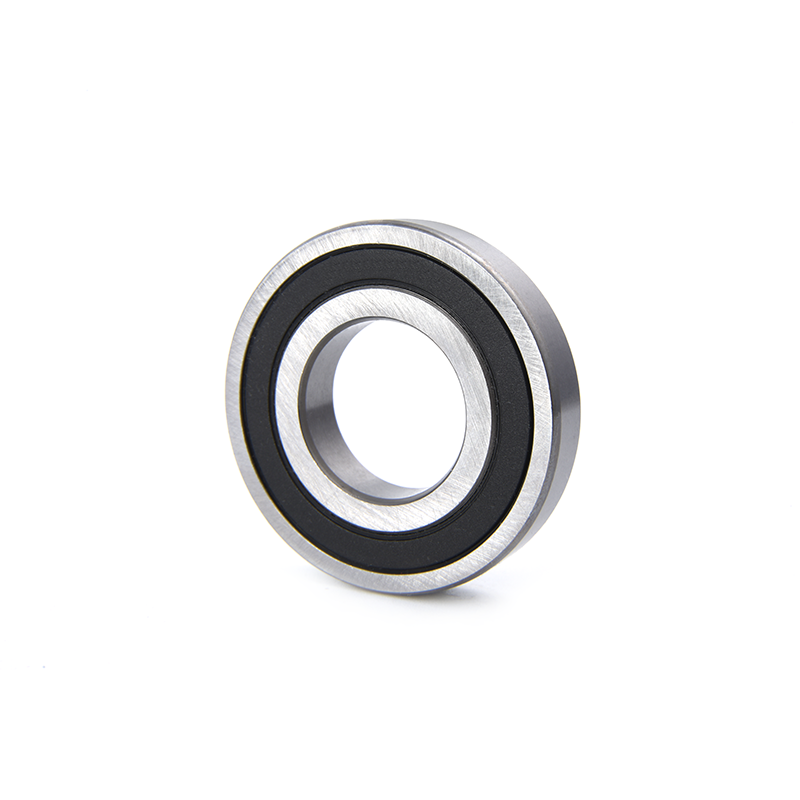
Most industrial motor and pump applications use a standard envelope size. When the bore diameter is fixed, 62 series deep groove ball bearings are a practical first choice because they offer a good balance between compactness and load capacity.
 Wholesale Deep Groove Ball Bearing 62 Series Suppliers, OEM/ODM CompanyKangtian Bearing Co., Ltd is a China Deep Groove Ball Bearing 62 Series suppliers and Deep Groove Ball Bearing 62 Series company, We spec...View Product →
What Shortens or Extends L10 Life in Real Applications
The L10 formula assumes a clean, well-lubricated, correctly mounted bearing with no abnormal misalignment. Actual life can be shorter than the calculated number when operating conditions are poor, or longer when loads are light and the environment is clean.
Key factors that affect bearing life
- Load: Higher load reduces life dramatically because P appears in the formula with exponent 3 for ball bearings.
- Speed: Speed changes the number of stress cycles per hour and influences lubricant film thickness.
- Lubrication: Correct viscosity and proper relubrication intervals protect surfaces from metal-to-metal contact.
- Contamination: Dirt and wear debris dent raceways and cause early fatigue.
- Temperature: Elevated temperature reduces grease life and can alter material hardness over time.
- Mounting accuracy: Misalignment or out-of-round housings increase local stress.
The ISO 281 adjusted rating life is Lnm = a1 × aISO × L10. The a1 factor adjusts for reliability levels above 90%, while aISO accounts for lubrication quality, contamination level, fatigue limit, and bearing material.
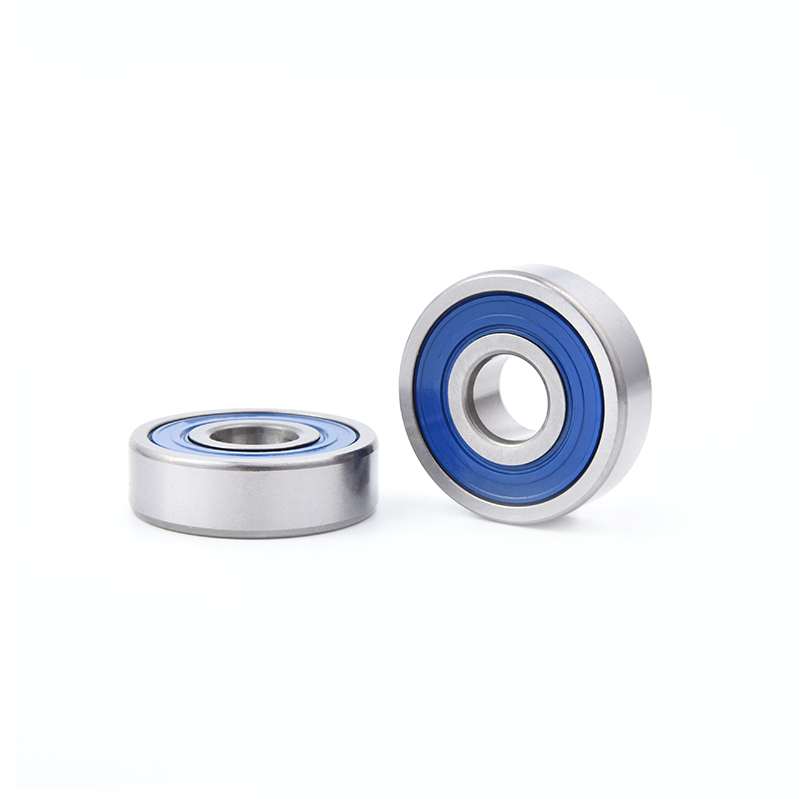
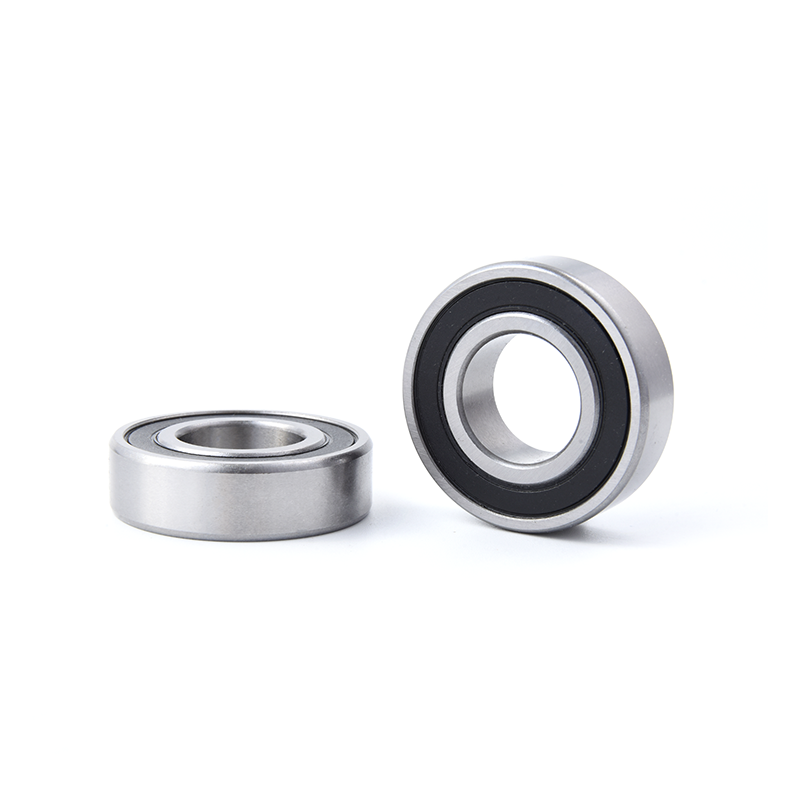
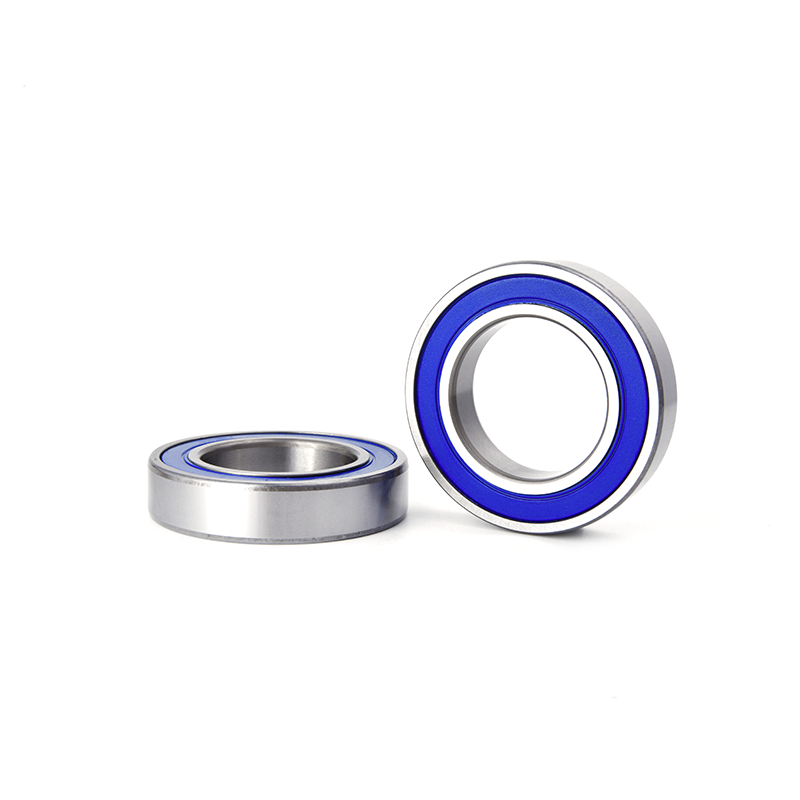
If the L10 calculation shows insufficient life and you cannot increase the shaft diameter, 63 series deep groove ball bearings are often the next step because they can provide a higher dynamic load rating in the same bore.
Wholesale Deep Groove Ball Bearing 63 Series Suppliers, OEM/ODM CompanyKangtian Bearing Co., Ltd is a China Deep Groove Ball Bearing 63 Series suppliers and Deep Groove Ball Bearing 63 Series company, We spec...View Product →L10 vs L50 and Bearing System Life
The median life L50 is often several times longer than L10, but it is not appropriate for design because half of the bearings in a group would be expected to fail by that point.
In a machine with several bearings, system L10 life is lower than the L10 life of the weakest bearing. If any bearing in the system fails, the machine stops. Therefore, do not add individual L10 values together; plan maintenance around the whole system rather than around one component.
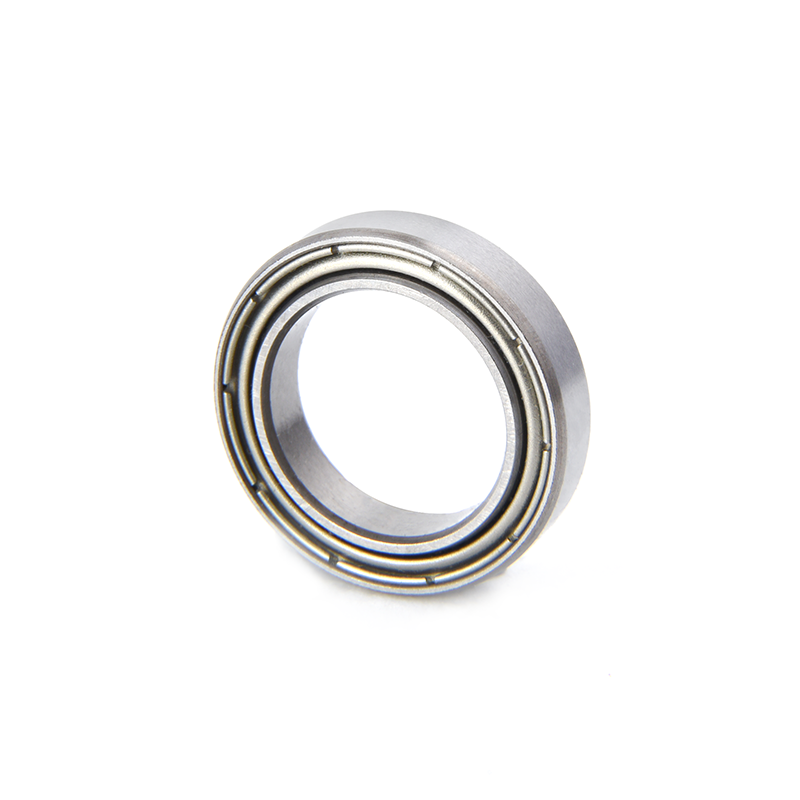
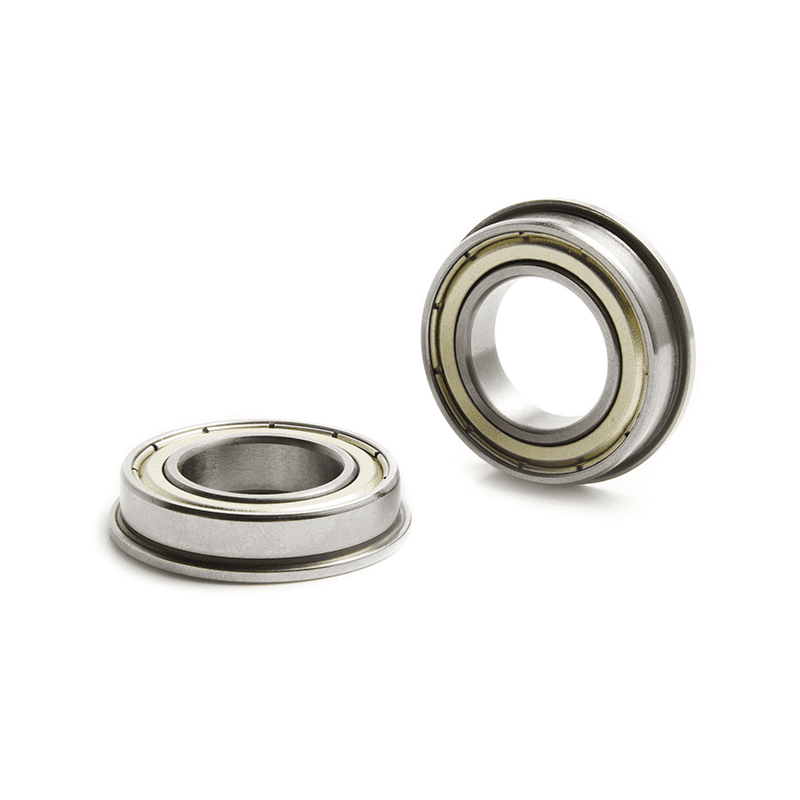
In compact automation mechanisms, flange series deep groove ball bearings save space in thin housings, but they still require the same L10 evaluation with correct load calculations.
Wholesale Flange Series Deep Groove Ball Bearing Suppliers, OEM/ODM CompanyKangtian Bearing Co., Ltd is a China Flange Series Deep Groove Ball Bearing suppliers and Flange Series Deep Groove Ball Bearing company,...View Product →How to Extend L10 Bearing Life in Practice
To increase L10 life, follow these actions in order: reduce equivalent load, increase dynamic load rating, and protect the bearing from contamination and lubrication loss.
- Minimize dynamic loads by balancing rotating parts and reducing vibration.
- Adjust fits and clearances so that the load is distributed evenly across the raceways.
- Select a bearing series with a higher C/P ratio, not just a heavier-looking bearing.
- Use the correct lubricant grade, viscosity, fill amount, and relubrication interval.
- Use seals or shields where dust, water, or process debris is present.
- Monitor temperature and vibration so that early signs of trouble are caught before catastrophic failure.
For application-specific selection and mounting checks, a manufacturer's engineering support is usually the quickest route.
What to Check in a Bearing Catalog
The dynamic load rating C is the first value to compare, but it is not the only important number.
- Basic dynamic load rating C: the load value used in the L10 formula
- Limiting speed: with oil or grease lubrication
- Seal type: open, shielded, or sealed
- Fatigue load limit Pu: useful for adjusted life calculations
- Precision class: normal, P6, P5, or tighter grades
These values come from standardized testing and manufacturing consistency. A manufacturer that controls material quality, heat treatment, surface finish, and geometry will usually deliver L10 scatter closer to the calculated value. You can verify rating values in the technical data section.
Limitations: L10 Is Not a Total Life Prediction
L10 covers rolling contact fatigue only. Many bearings are removed before fatigue because of wear, corrosion, electrical damage, poor lubrication, or contamination.
- Abrasive wear from particles
- Corrosion from moisture or aggressive media
- Brinelling from shock loads or vibration during standstill
- Electrical pitting from stray current
- Lubricant degradation at high temperature
In such cases, a bearing may never reach its calculated L10 even though the fatigue formula says it should. Use the L10 calculation as a sizing and comparison tool, and then protect the application with proper maintenance.
Frequently Asked Questions
What is the simplified definition of L10 bearing life?
L10 is the life that 90% of a group of identical bearings will reach or exceed before fatigue failure. The remaining 10% may fail earlier.
What is the L10 formula for ball bearings?
For ball bearings, L10 = (C/P)3 million revolutions. In hours, L10h = [106 / (60n)] × (C/P)3.
Is L10 the same as average life?
No. L10 is a 90% reliability life. The median life L50 is longer, but it is less useful for design because 50% of bearings may fail by that point.
Can L10 predict when a single bearing will fail?
No. L10 is a statistical value for a group. For an individual bearing, use condition monitoring, oil analysis, or vibration analysis to detect damage in time.
Do roller bearings use the same L10 life formula?
Yes, but the life exponent p is 10/3 for roller bearings instead of 3 for ball bearings.
L10 bearing life is the common yardstick for comparing bearing durability. It is a statistical fatigue life based on dynamic load rating and equivalent load. Use it to size bearings and compare designs, then rely on lubrication, sealing, mounting, and monitoring to make that calculated life match real operating conditions.



Contact Us