


 English
 中文简体
中文简体 Español
Content
- 6203 Bearing Dimensions: The Short Answer
- Tolerances and Fits for the 6203 Bearing
- Load Ratings and Speed Limits for a 6203
- 6203 Variants: Open, Shielded, Sealed and Cage Options
- How the 6203 Compares with Other Common Sizes
- Where 6203 Bearings Are Used and What to Check Before Buying
- Frequently Asked Questions About 6203 Bearings
6203 Bearing Dimensions: The Short Answer
The short answer is that a standard 6203 deep groove ball bearing has a 17 mm bore, a 40 mm outside diameter, and a 12 mm width. In most technical catalogs you will see this written as 17 x 40 x 12 mm.
In inch units, the dimensions are about 0.6693 in for the bore, 1.5748 in for the outside diameter, and 0.4724 in for the width. The bearing is designed around metric dimensions, but the inch equivalents are useful when you are converting a housing drawing or checking clearance.
These three values define the bearing envelope. Once you know the envelope, you can move on to tolerance, radial clearance, sealing, cage material, and lubrication.
| Parameter | Metric | Inch equivalent | Functional impact |
|---|---|---|---|
| Bore (d) | 17 mm | 0.6693 in | Shaft fit |
| Outside diameter (D) | 40 mm | 1.5748 in | Housing fit |
| Width (B) | 12 mm | 0.4724 in | Axial space required |
| Minimum chamfer (rs min) | 1.0 mm | 0.0394 in | Corner clearance at shaft and housing |
Tolerances and Fits for the 6203 Bearing
Tolerances decide whether a 6203 fits a shaft correctly or becomes too loose under load; the nominal 17 x 40 x 12 mm envelope is only the starting point.
Standard tolerance classes
For most industrial equipment, a 6203 is produced to ISO P0 (normal) tolerance. The bore and outside diameter deviations are normally negative, which means the actual bore is slightly under 17 mm and the actual outside diameter is slightly under 40 mm in a typical production lot. If your application is a small motor or general machinery, P0 is usually sufficient. For spindle or metrology applications, P6 or P5 classes provide tighter diameter and running accuracy limits.
Shaft and housing fits
A practical starting point for a rotating shaft is an h6 shaft with an H7 housing bore, although the final fit depends on load direction, operating temperature, and whether the shaft rotates relative to the load. For a small electric motor, a 6203 usually sits on the shaft with a slight interference fit and in the housing with a line-to-light fit. Always press on the ring with the interference fit; pressing through the balls can damage the raceway.
For fit recommendations and tolerance values, check the technical data sheets published by the bearing manufacturer before you machine the shaft or housing.
Load Ratings and Speed Limits for a 6203
A 6203 is a moderate-capacity radial bearing; it can carry normal radial loads, some axial load, and operates well at moderate to high speed when lubrication is correct.
Radial and axial load capacity
Typical steel 6203 bearings have a basic dynamic load rating in the range of 9-10 kN and a static load rating of roughly 4.5-5.0 kN. These figures vary with ball size, ball complement, and heat treatment, so use the manufacturer's published rating rather than assuming a generic number. The deep groove raceway also allows a limited axial load in either direction, which is why the 6203 is often used in electric motors where belt or pulley forces create some axial thrust.
Speed limits and lubrication
An open 6203 with a pressed steel cage and grease lubrication can typically operate to a reference speed in the area of 15,000-20,000 r/min under moderate load. Sealed bearings have extra friction from the seal lips, so their speed limit is lower. If the application runs above around 70% of the reference speed, re-lubrication intervals become shorter, and oil lubrication may be needed. Always compare the speed factor (bore in mm x speed in r/min) with the manufacturer's limiting speed.
6203 Variants: Open, Shielded, Sealed and Cage Options
The 17 x 40 x 12 mm dimensions remain identical across 6203 variants, but the sealing and cage choices determine whether the bearing survives in a dusty, clean, or high-temperature environment.
Open, shielded or sealed versions
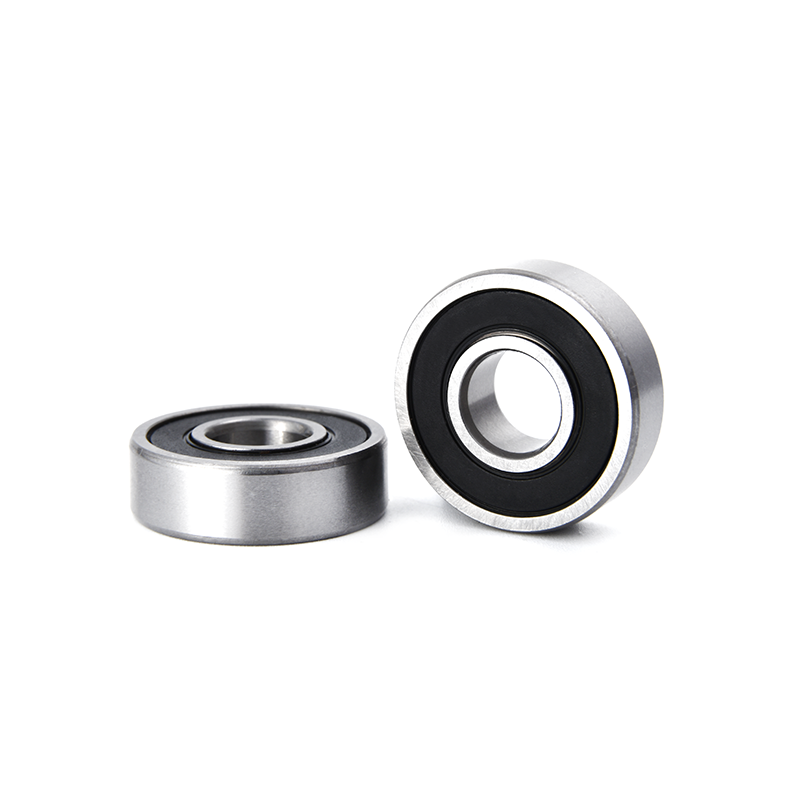
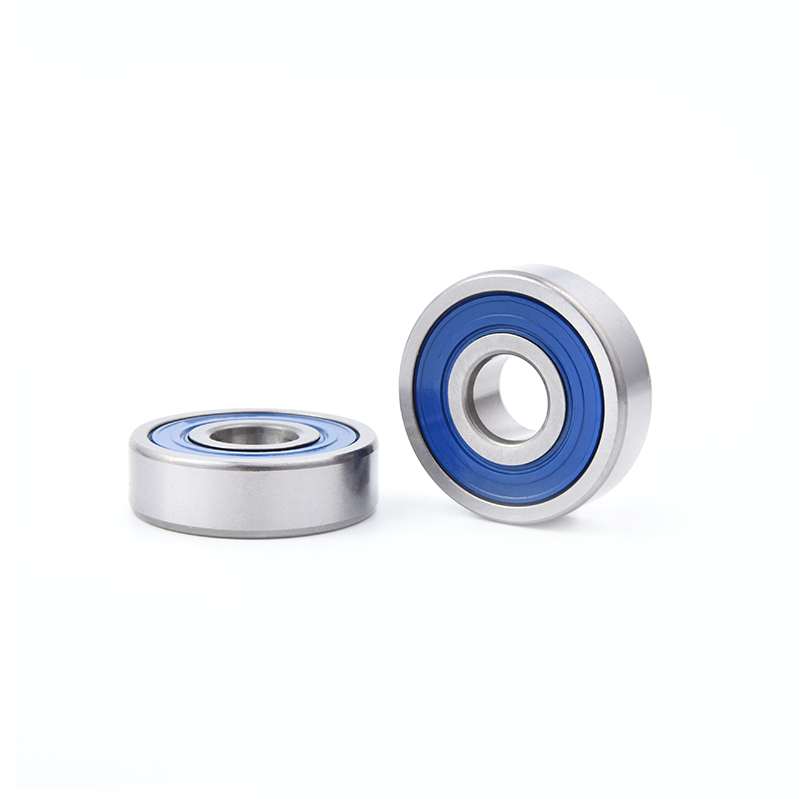
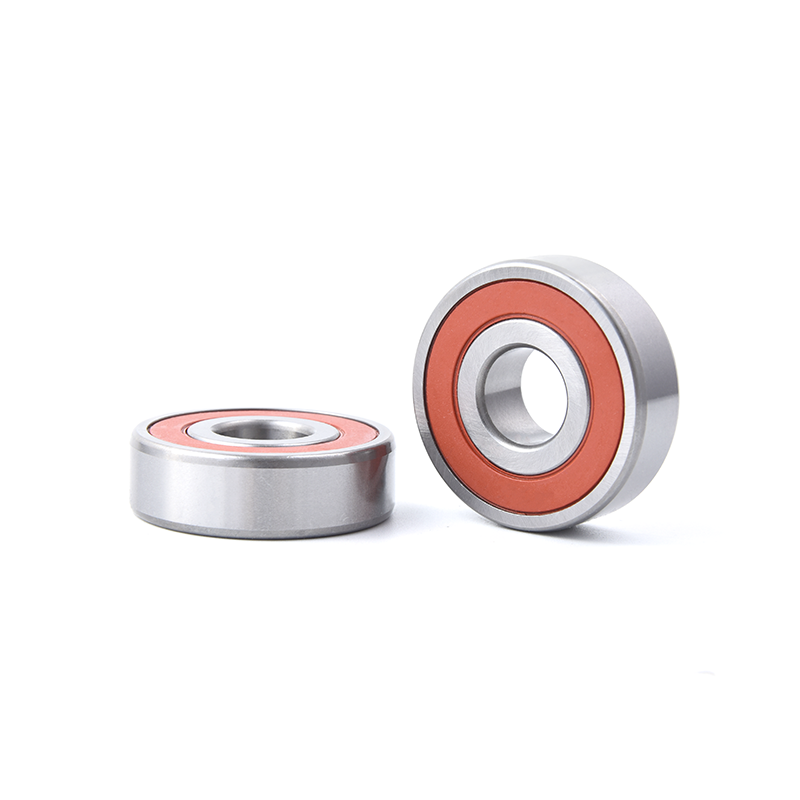
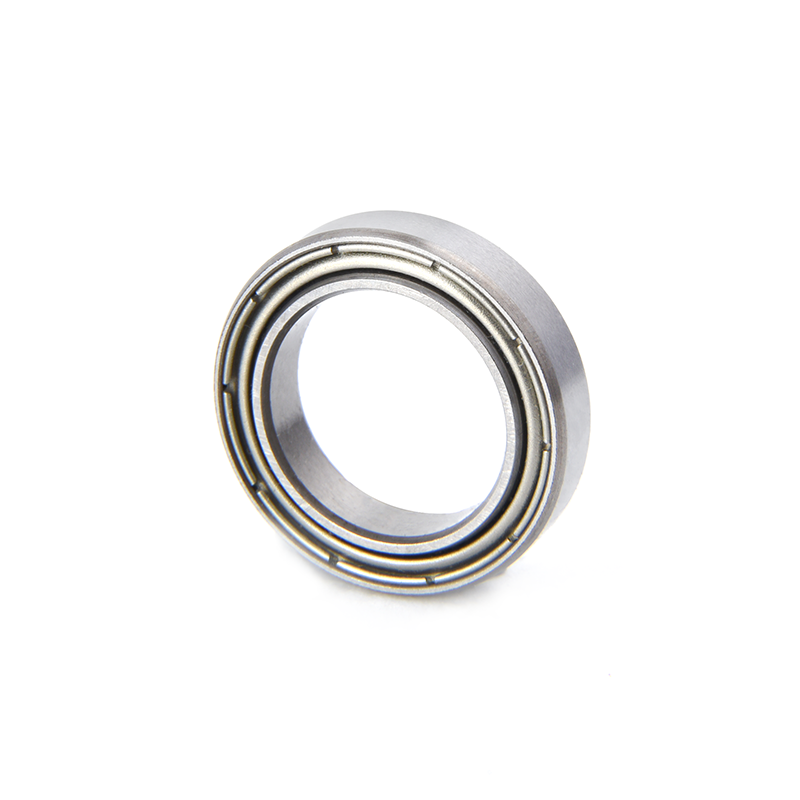
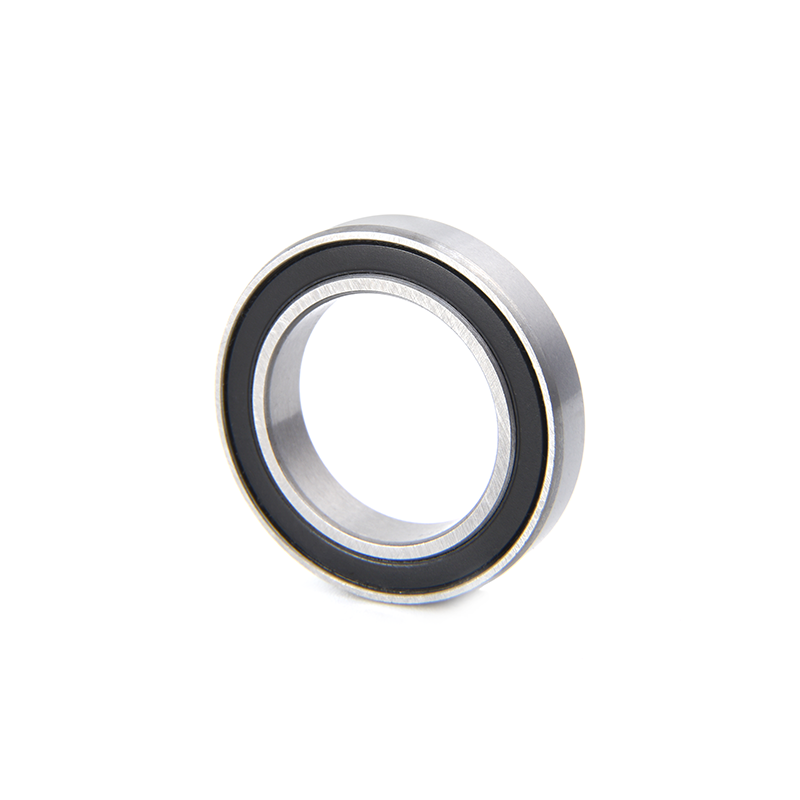
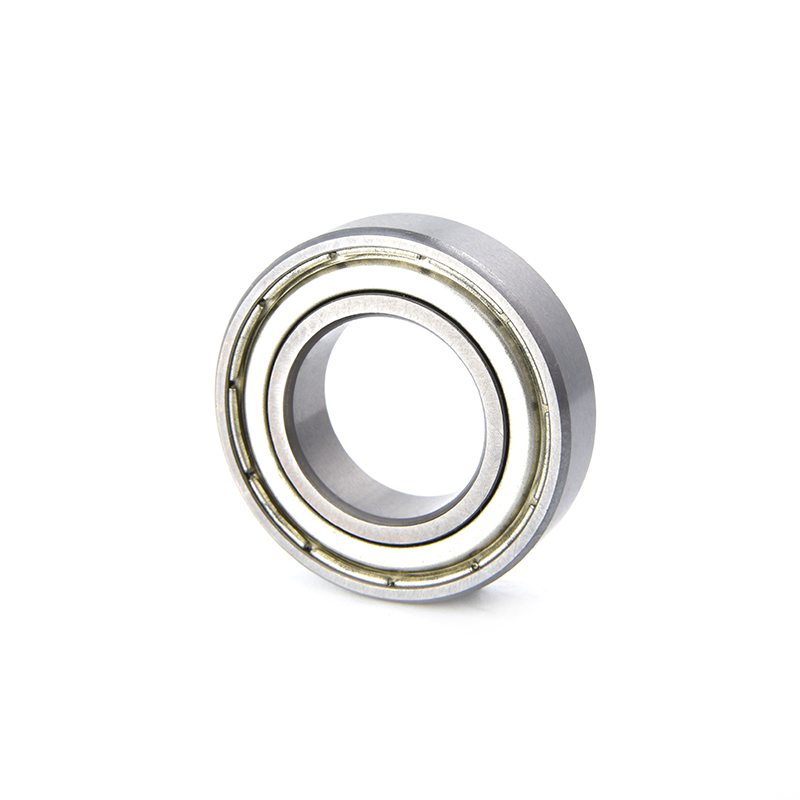
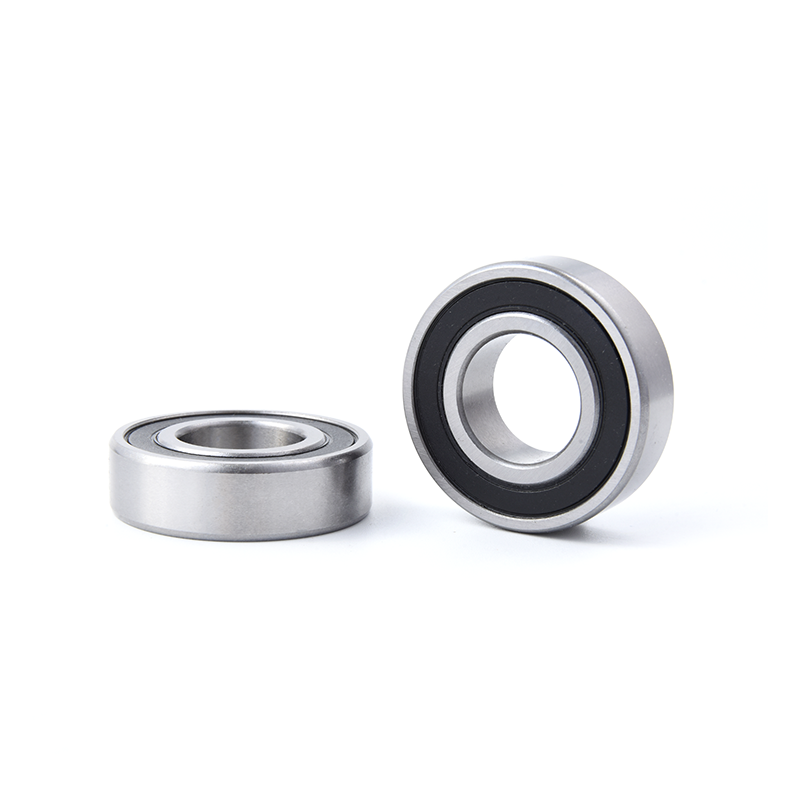
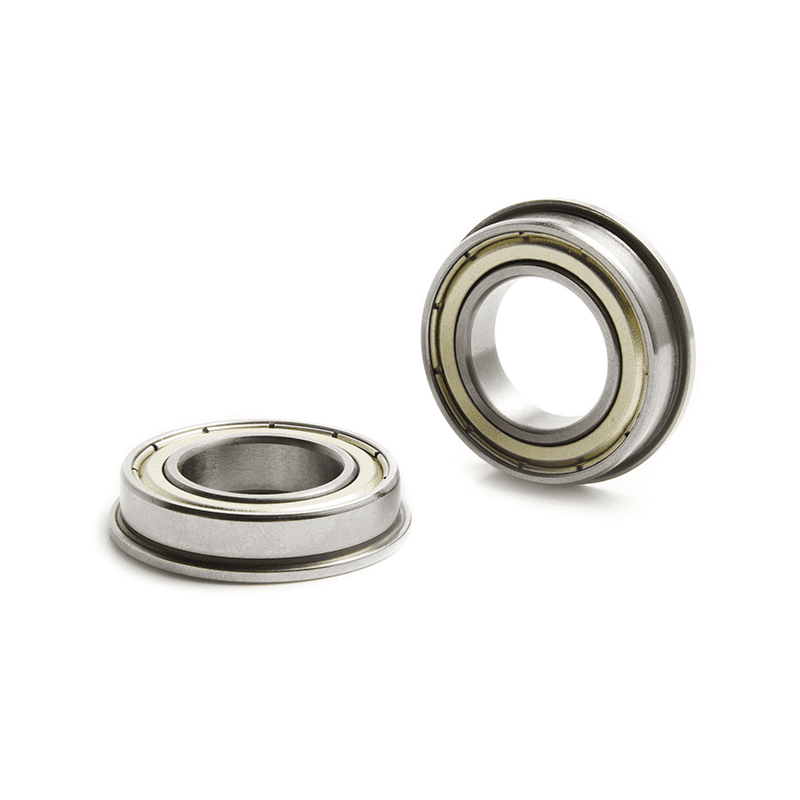
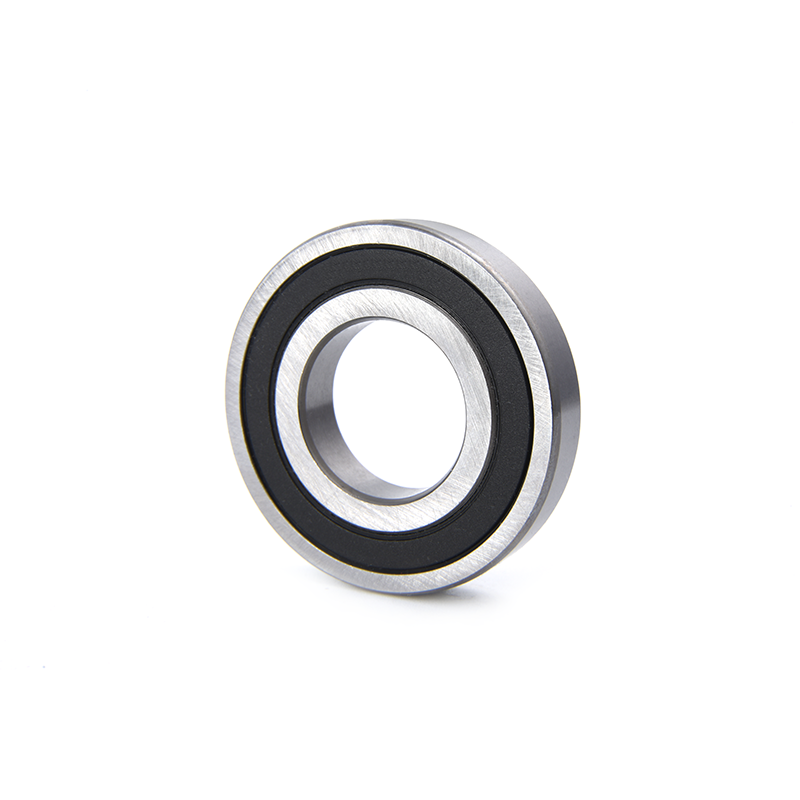
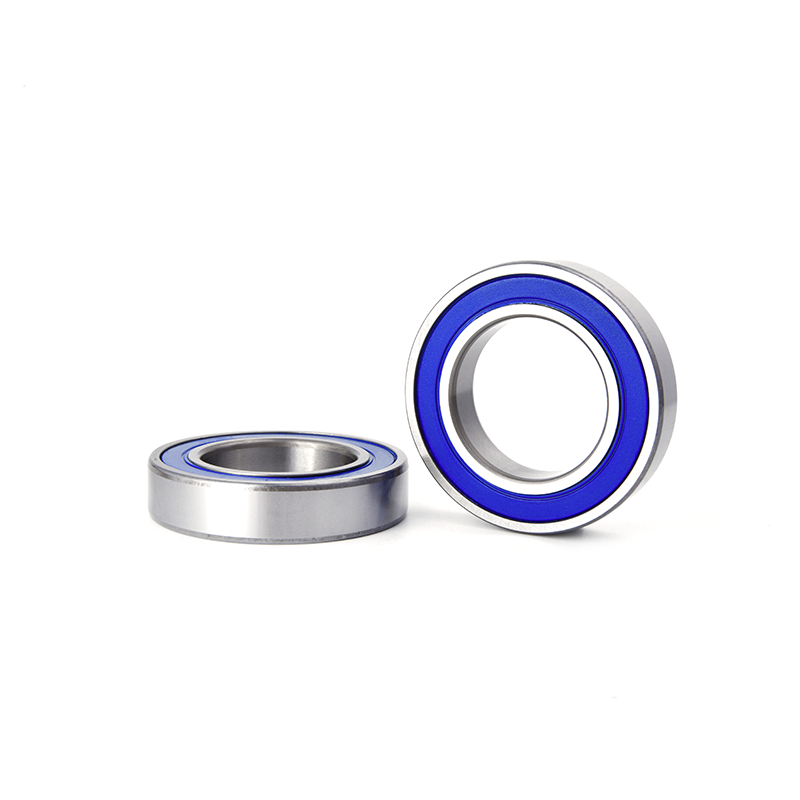
An open 6203 is the standard baseline: it has no sealing lips, so it can run at high speed and can be re-greased easily, but it depends on a clean external environment. A shielded version, commonly written 6203-ZZ, uses metal shields to block coarse dirt while adding very little friction. A sealed version, commonly written 6203-2RS, uses rubber contact seals and offers the best protection against moisture and fine particles, but it reduces allowable speed and adds drag. For a dirty farm machine or a household appliance, a sealed 6203 is usually the safer choice; for a clean gearbox with oil circulation, an open or shielded bearing is often better.
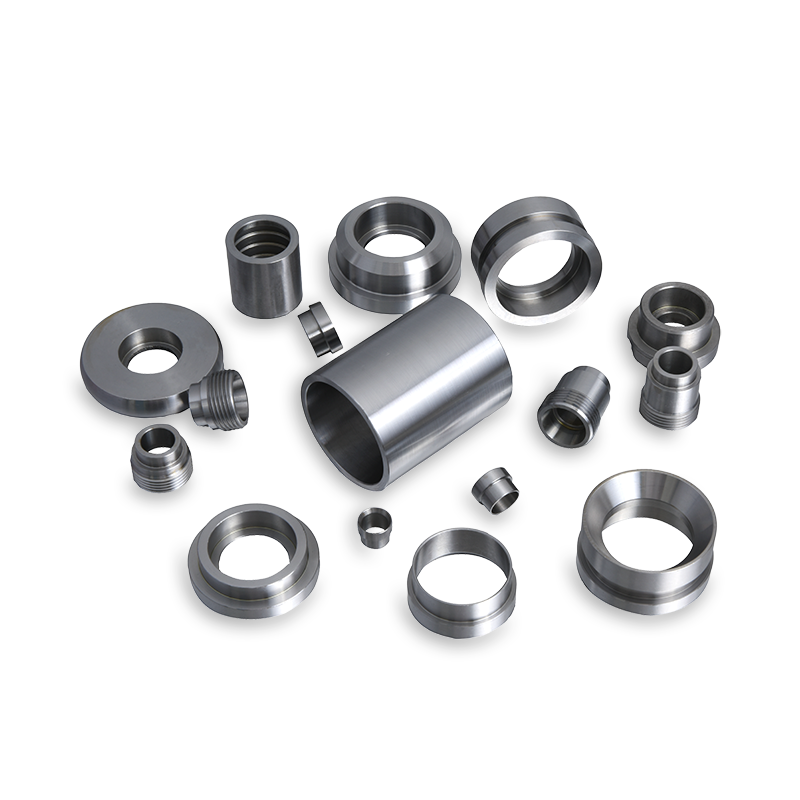
When you standardize on the 62 series for multiple shaft diameters, 62-series deep groove ball bearings keep the same design logic across 6200, 6201, 6202, and 6203 inventory. That makes maintenance planning and spare parts storage simpler.
 Wholesale Deep Groove Ball Bearing 62 Series Suppliers, OEM/ODM CompanyKangtian Bearing Co., Ltd is a China Deep Groove Ball Bearing 62 Series suppliers and Deep Groove Ball Bearing 62 Series company, We spec...View Product →
Cage materials and their influence
Most standard 6203 bearings use a pressed steel cage, which is strong and economical. A polyamide cage is quieter and lighter, making it popular for household appliances, but it has a lower temperature limit. A machined brass cage is more expensive, but it copes better with higher temperatures and heavy shock loads. If the package number does not specify a cage type, you will almost always receive a steel cage.
How the 6203 Compares with Other Common Sizes
The 6203 sits between the 6202 and 6204 in the 62 series, and it shares its 17 mm bore with the 6303 in the 63 series, so small housing changes can move you to a different load class.
| Designation | Bore (mm) | Outside diameter (mm) | Width (mm) |
|---|---|---|---|
| 6200 | 10 | 30 | 9 |
| 6201 | 12 | 32 | 10 |
| 6202 | 15 | 35 | 11 |
| 6203 | 17 | 40 | 12 |
| 6204 | 20 | 47 | 14 |
| 6303 | 17 | 47 | 14 |
6203 versus 6202 and 6204
Moving from a 6202 to a 6203 changes the bore from 15 mm to 17 mm, the outside diameter from 35 mm to 40 mm, and the width from 11 mm to 12 mm. The 6203 therefore replaces a 6202 only if the shaft and housing are both enlarged. Moving from a 6203 to a 6204 changes the bore to 20 mm, so the shaft must be bigger; this is not a drop-in upgrade for a 17 mm shaft.
6203 versus 6303 on the same shaft
If the shaft is 17 mm and the load is too high for a 6203, a 6303 is the nearest quick comparison. It retains the 17 mm bore but increases the outside diameter to 47 mm and the width to 14 mm. The larger ball set gives it a higher load rating, but the housing must be machined to accept the bigger envelope. When radial space is available, 63-series deep groove ball bearings are worth the change; when the housing bore is fixed at 40 mm, you must stay with a 6203.
Wholesale Deep Groove Ball Bearing 63 Series Suppliers, OEM/ODM CompanyKangtian Bearing Co., Ltd is a China Deep Groove Ball Bearing 63 Series suppliers and Deep Groove Ball Bearing 63 Series company, We spec...View Product →Where 6203 Bearings Are Used and What to Check Before Buying
You will find 6203 bearings in electric motors, pumps, small gearboxes, conveyor rollers, household appliances, and automotive auxiliary systems because it offers a good balance between compact size and load capacity.
Typical application areas
The 17 mm bore matches many small motor shafts and gear shafts. In an electric motor, the 6203 can handle the rotor weight and belt pull. In a ventilation unit, it supports moderate radial loads at high speed. In a conveyor roller, it carries the roller and any side load from the belt. In automotive and motorcycle assemblies, the 6203 often appears in water pumps, tensioners, and auxiliary pulleys. If you need a broader selection process, the article on selecting the right deep-groove ball bearing for industrial machinery gives a practical decision sequence.
Sourcing checklist for a 6203 order
Before you order, confirm the suffix after the basic 6203 number. The suffix tells you the sealing, clearance, and lubrication:
- Check the basic envelope: 17 mm bore, 40 mm outside diameter, 12 mm width.
- Confirm the seal type: open, ZZ (two metal shields), 2RS (two rubber seals), or another option.
- Specify the radial clearance class; normal (N) is standard, while C3 is often used for high speed or heat generation.
- Select the tolerance class and the lubricant if the bearing comes pre-filled.
- Ask for the material and cage specification when the operating temperature is outside the standard range.
For large stocking programs, reviewing the complete deep-groove ball bearing product range before ordering helps you standardize on one supplier and one set of quality controls. If you have repeated fit or failure questions, bearing sourcing and after-sales support can often resolve them faster than a generic distributor.
Custom Deep Groove Ball Bearing Manufacturers, OEM/ODM FactoryYuyao Kangtian Bearing Co., Ltd is a China deep groove ball bearing manufacturers and deep groove ball bearing factory, We specialize in ...View Product →Frequently Asked Questions About 6203 Bearings
What is the bore size of a 6203 bearing?
The bore size is 17 mm, and it is the same whether the bearing is open, shielded, or sealed.
What is the outside diameter and width of a 6203 bearing?
The outside diameter is 40 mm and the width is 12 mm; in inches, the outside diameter is about 1.5748 in and the width is about 0.4724 in.
Can a 6203 bearing be replaced by a 6303 bearing?
Only if the housing bore is large enough. The 6303 has a 47 mm outside diameter and a 14 mm width, so it cannot fit in the 40 mm housing bore of a 6203.
What does 6203-2RS mean?
It means a 6203 bearing with two rubber contact seals, normally factory-greased. The 6203-ZZ version has two metal shields instead.
Does a 6203 handle axial loads?
Yes, it can handle a limited axial load in both directions, but its axial capacity is lower than its radial capacity. If the axial load is the dominant load in the application, an angular contact bearing on the same bore, such as a 7203 size, is a better choice.



Contact Us